
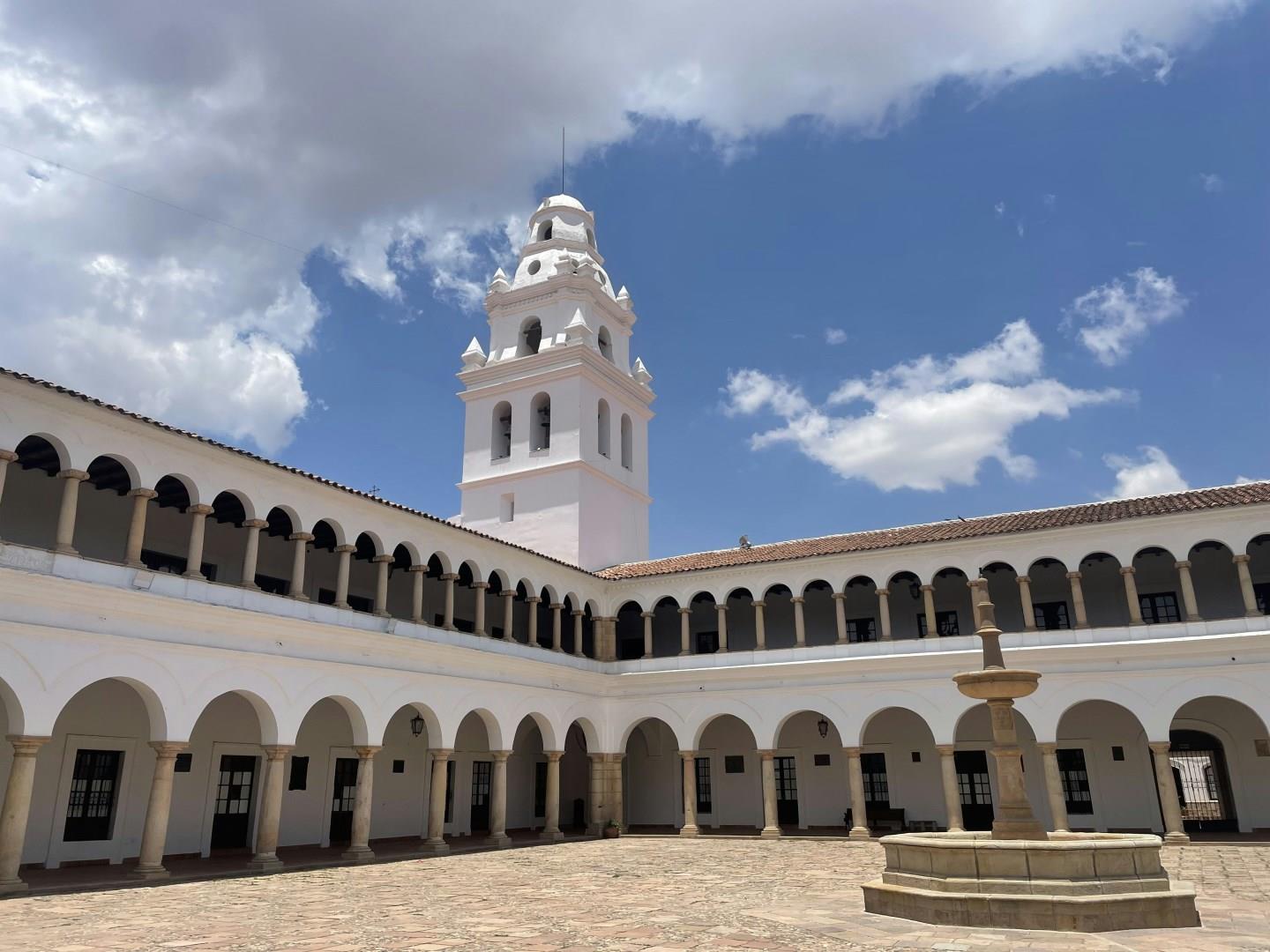
Sucre
Sucre, Bolivia’s constitutional capital, is a city steeped in history and colonial charm. Founded in the 16th century by the Spanish, it played a pivotal role in South America’s independence movements, earning its place as the birthplace of the Bolivian Republic.
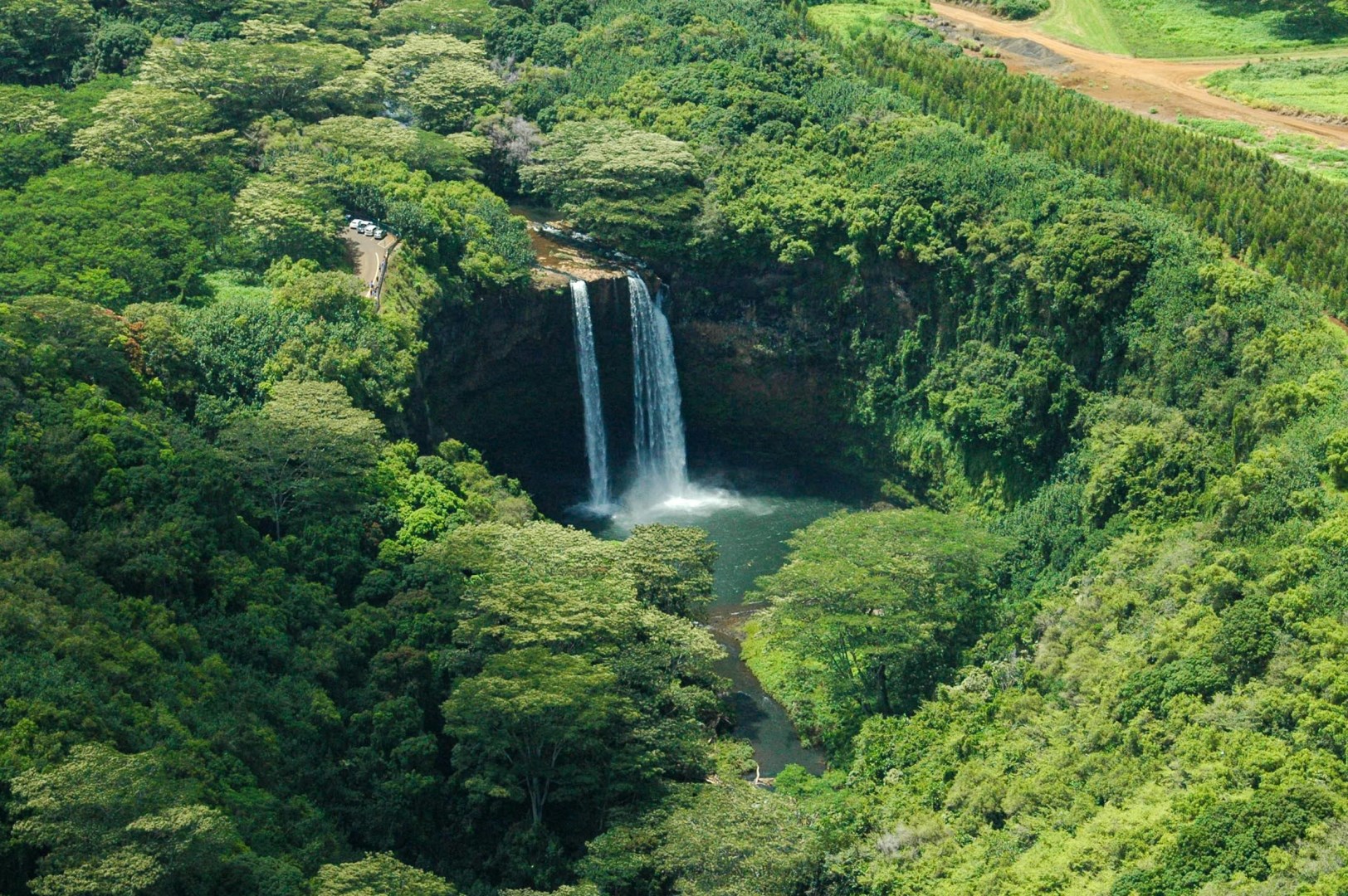
Wailua, Kauai
Wailua is a community on the eastern side of Kauaʻi, Hawaiʻi, where the Wailua River reaches the Pacific Ocean. The area includes beaches, river valleys, coconut groves, and forested foothills, with the dramatic peaks of the island’s interior rising nearby. Wailua is one of the main population centers on Kauaʻi and lies between the towns of Kapaʻa and Līhuʻe. Its location provides access to both the island’s eastern coastline and the Wailua River, making it an important base for exploring waterf
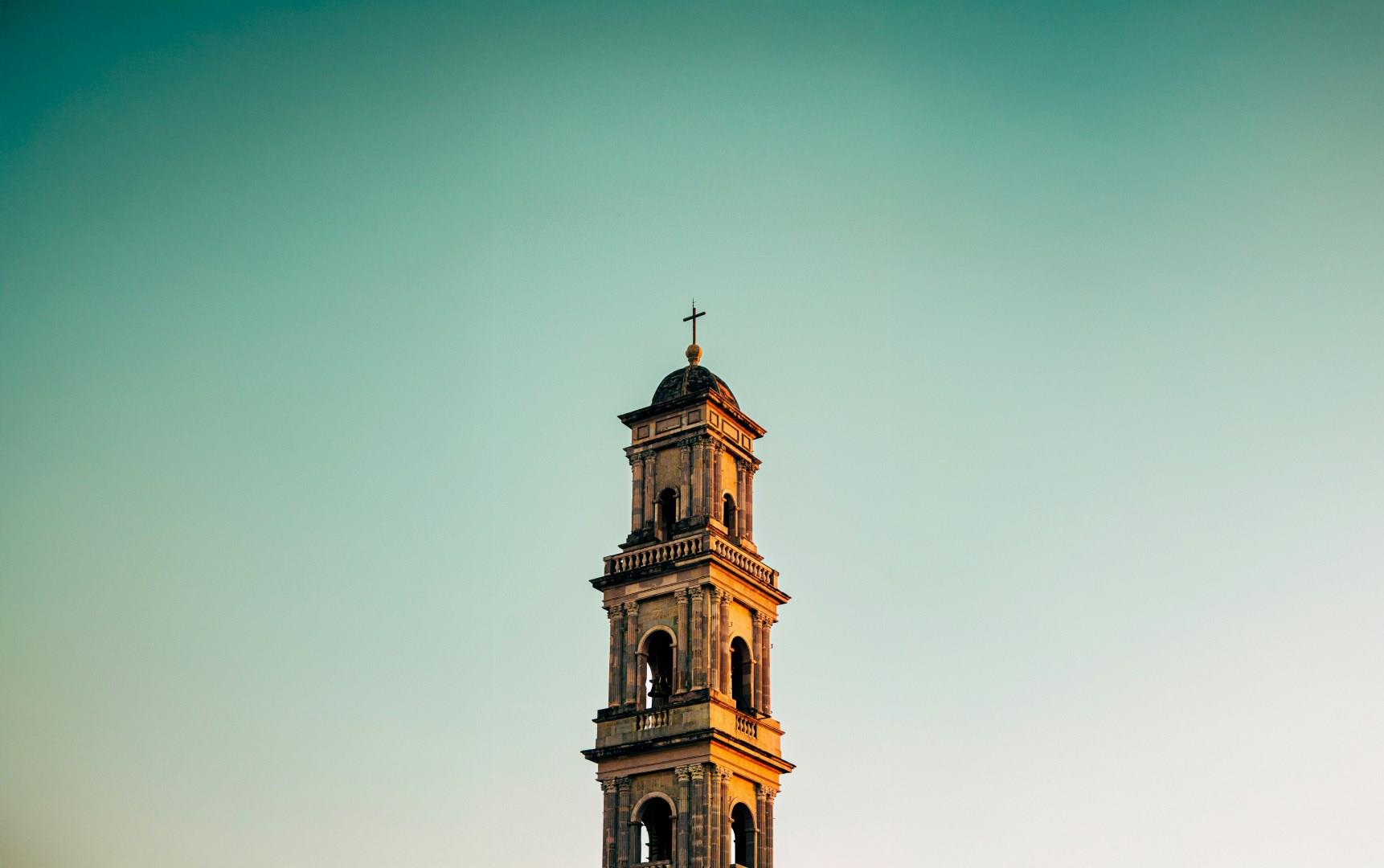
Tampico
Tampico, located on the Gulf Coast of Tamaulipas, is a port city with a layered history shaped by trade, oil, and immigration. Its downtown district is known for neoclassical buildings, many of which were constructed with imported bricks and ironwork from Europe during the oil boom of the early 20th century. One of Tampico’s most photographed structures is the Mercado Municipal, rebuilt in recent years but still functioning as a central hub for daily life.

Mauritius
Mauritius, a jewel in the Indian Ocean, is known for its turquoise lagoons and coral reefs. The island is a haven for relaxation and adventure.
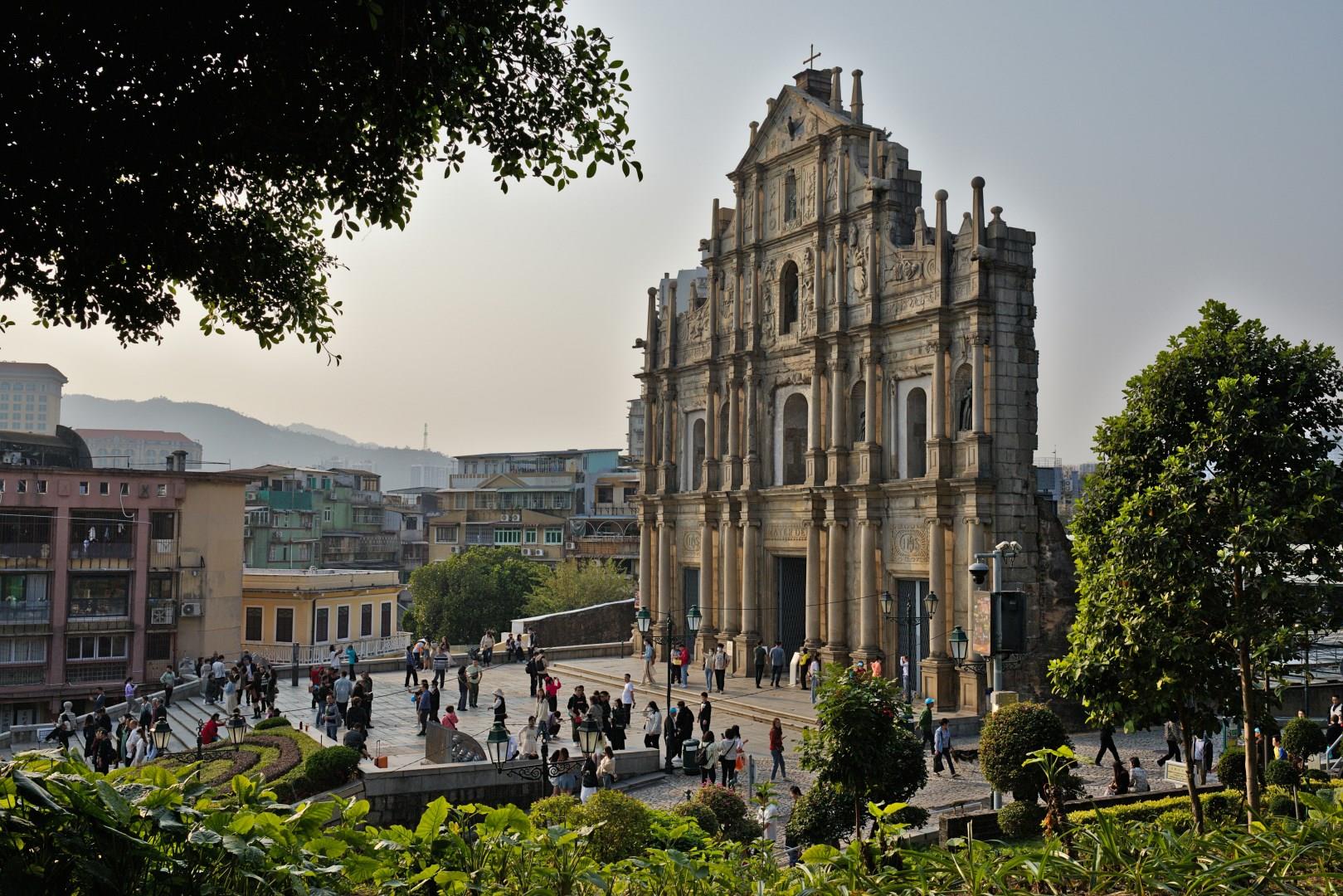
Macao
Macao, a Special Administrative Region of China, is known for its distinctive blend of Portuguese and Chinese heritage. Once a Portuguese colony, the city retains historic squares, colonial architecture, and cobblestone streets that contrast with its modern skyline of resorts and entertainment complexes.
