
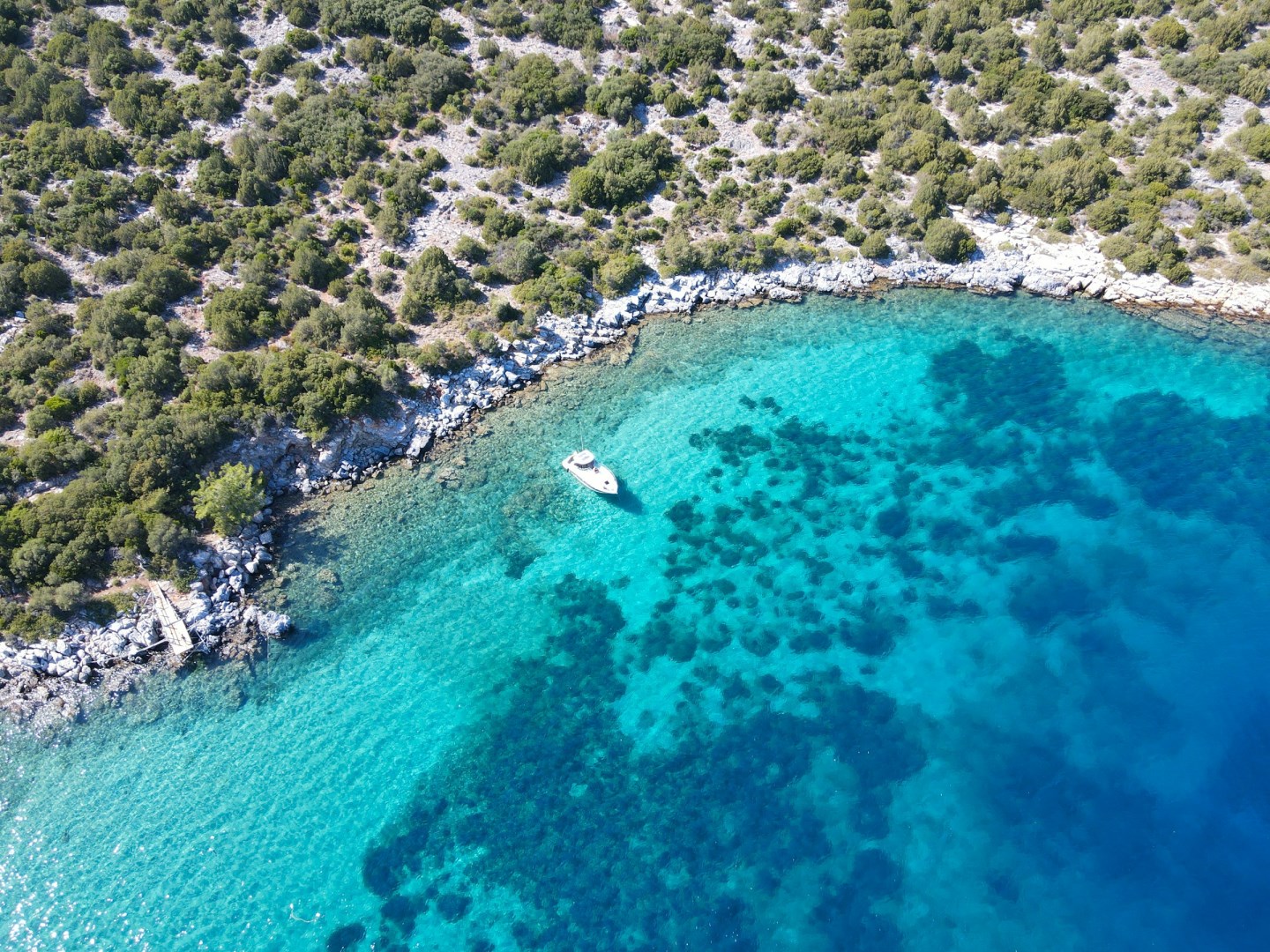
Samos
This hilly Aegean island, legendary birthplace of the goddess Hera, rests along a narrow strait across from the Turkish coast. Stroll through the streets of Old Town, lined with Turkish-style houses. Visit the Archarological Museum, housing artifacts from the Hearion, and be sure to view the lighted harbor at night. Also explore the 6th century AD Eupalina Tunnel, an enormous aqueduct built through the mountains to supply the city with water.

Doha
Doha presents a journey where heritage and modern design intersect gracefully. The Museum of Islamic Art, designed by I. M. Pei, rises from the Corniche and houses ceramics, textiles, manuscripts, and metalwork spanning fourteen centuries. Nearby, the National Museum of Qatar, shaped like a desert rose, narrates the country's story through immersive exhibits and architecture by Jean Nouvel. These institutions offer perspectives on both art and national identity.
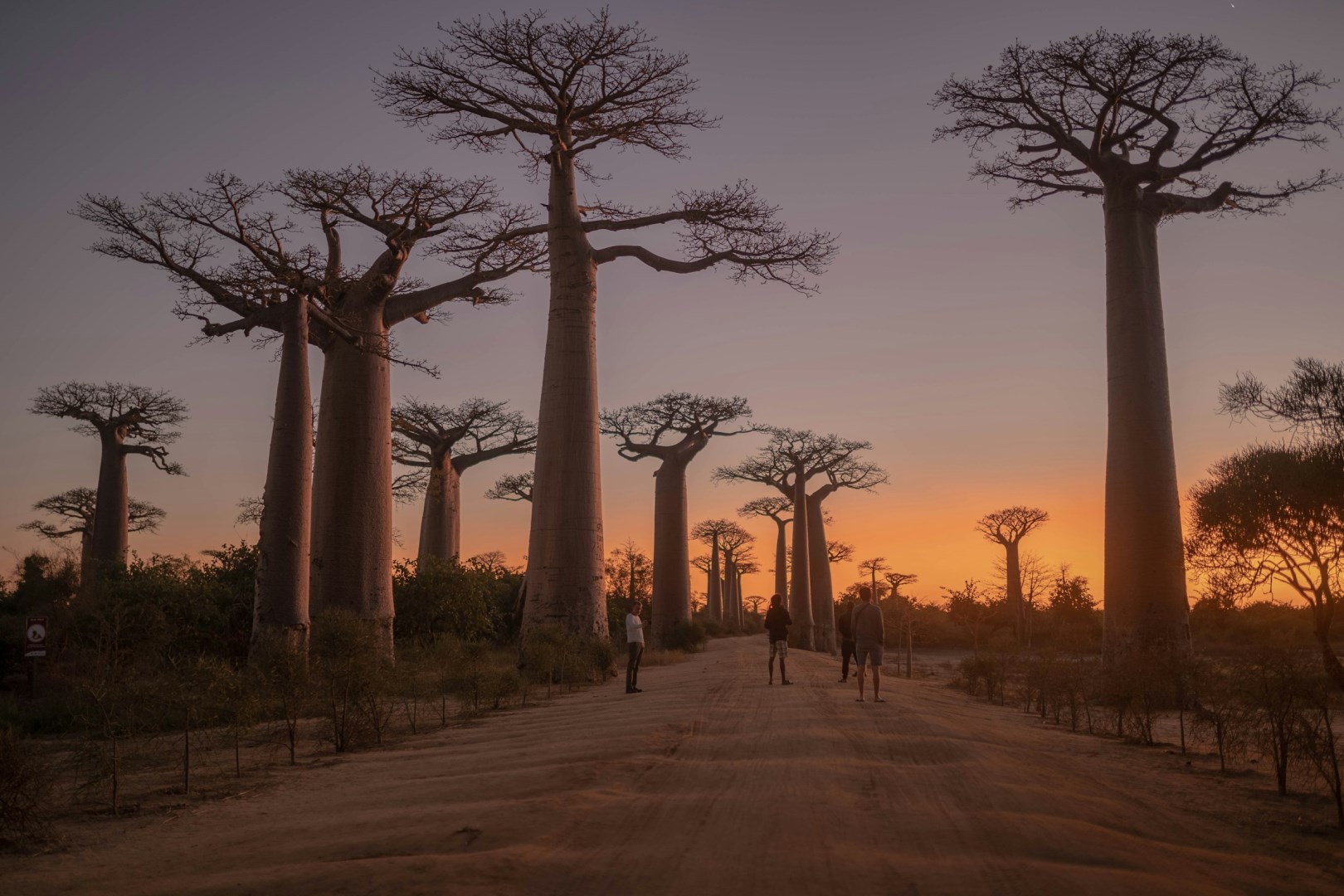
Avenue of the Baobabs
The Avenue of the Baobabs is a famous landscape in western Madagascar, located near Morondava in the Menabe region. A group of tall Grandidier's baobabs lines a dirt road across a broad, dry plain, creating one of the country's most recognizable natural scenes. These trees are endemic to Madagascar and can reach great heights, with thick trunks adapted to storing water during the dry season.
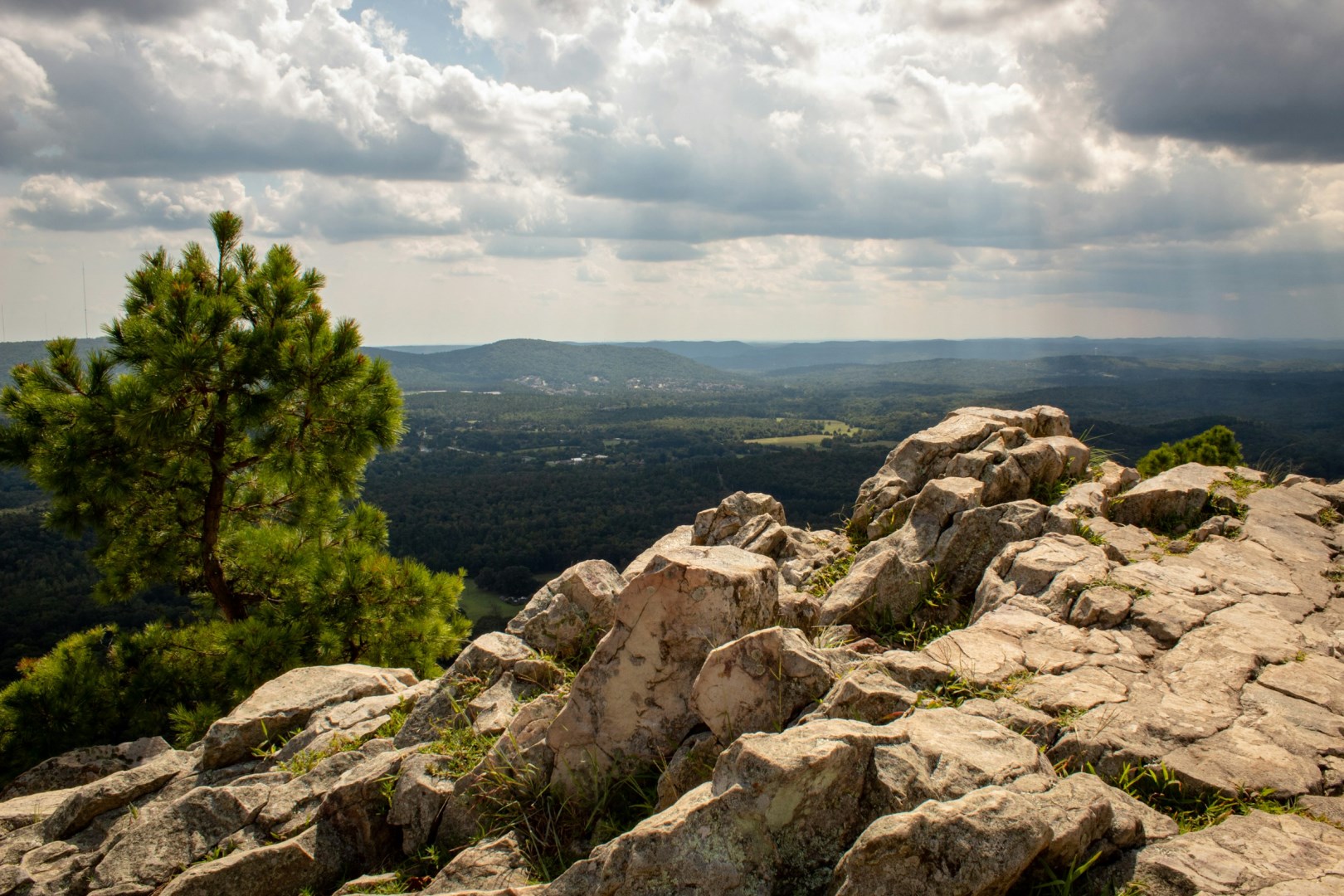
Pinnacle Mountain State Park
Pinnacle Mountain State Park is a protected recreation area west of Little Rock, Arkansas, centered on the distinctive summit of Pinnacle Mountain. The park covers more than 2,300 acres along the Arkansas River and combines forested slopes, rocky ridges, wetlands, and open river landscapes. Pinnacle Mountain rises above the surrounding Ouachita Mountain foothills and is one of the most recognizable natural landmarks near the state capital.
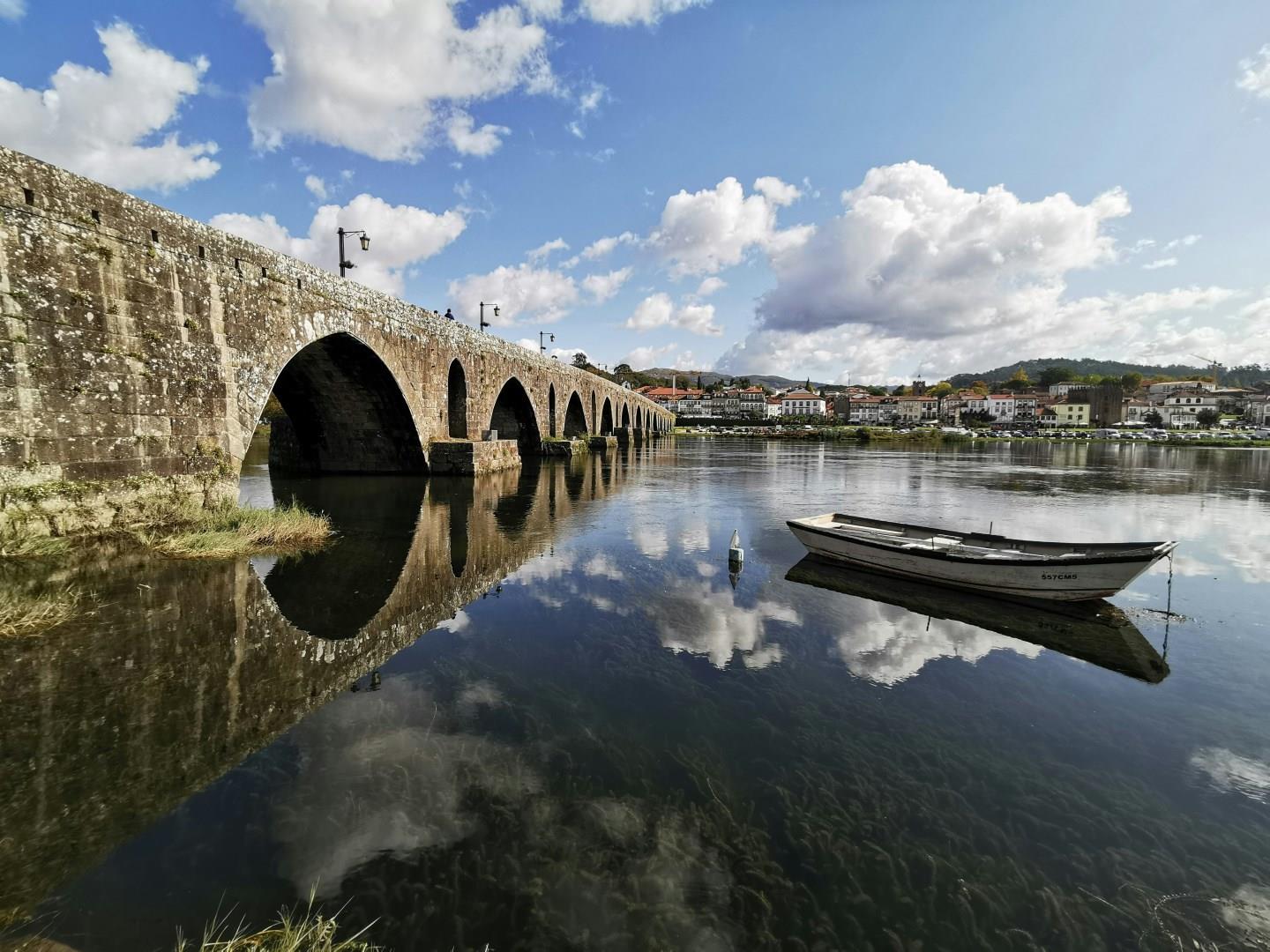
Ponte de Lima
Ponte de Lima sits along the Lima River in northern Portugal and is often regarded as the country’s oldest town. Its identity centers on the medieval bridge that spans the river, parts of which date back to Roman times and still structure how the town is experienced today.
