
Deadvlei
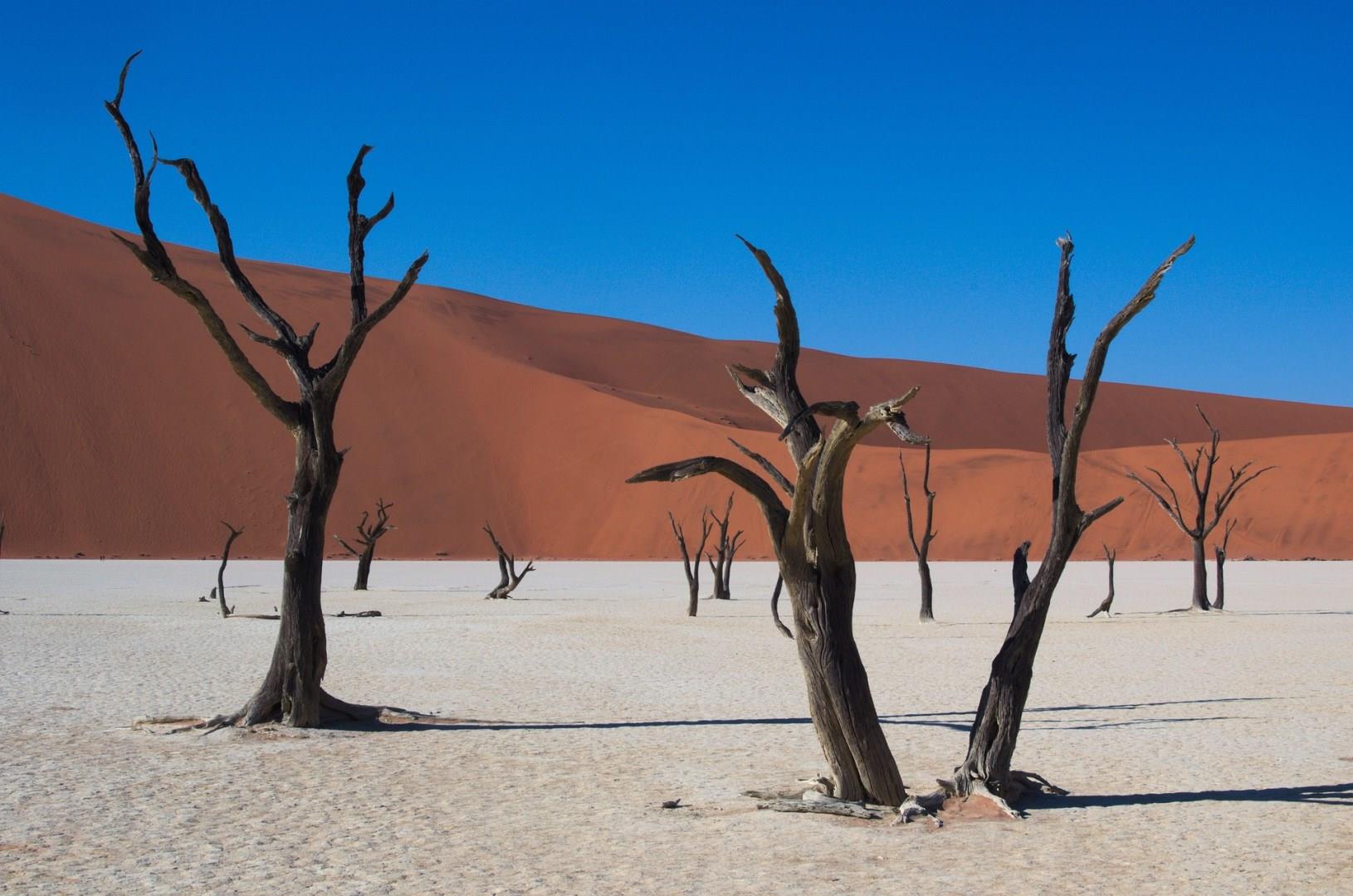
Dramatic and otherworldly, Deadvlei in Namibia is one of the most surreal landscapes on the planet. Located within the Namib-Naukluft National Park, Deadvlei is a white clay pan that was once an oasis filled with acacia trees. Over 900 years ago, a shift in climate and the encroachment of the towering red sand dunes cut off the river that fed the pan, leaving behind a hauntingly beautiful scene of dead trees that have been perfectly preserved in the arid environment.
Paramaribo
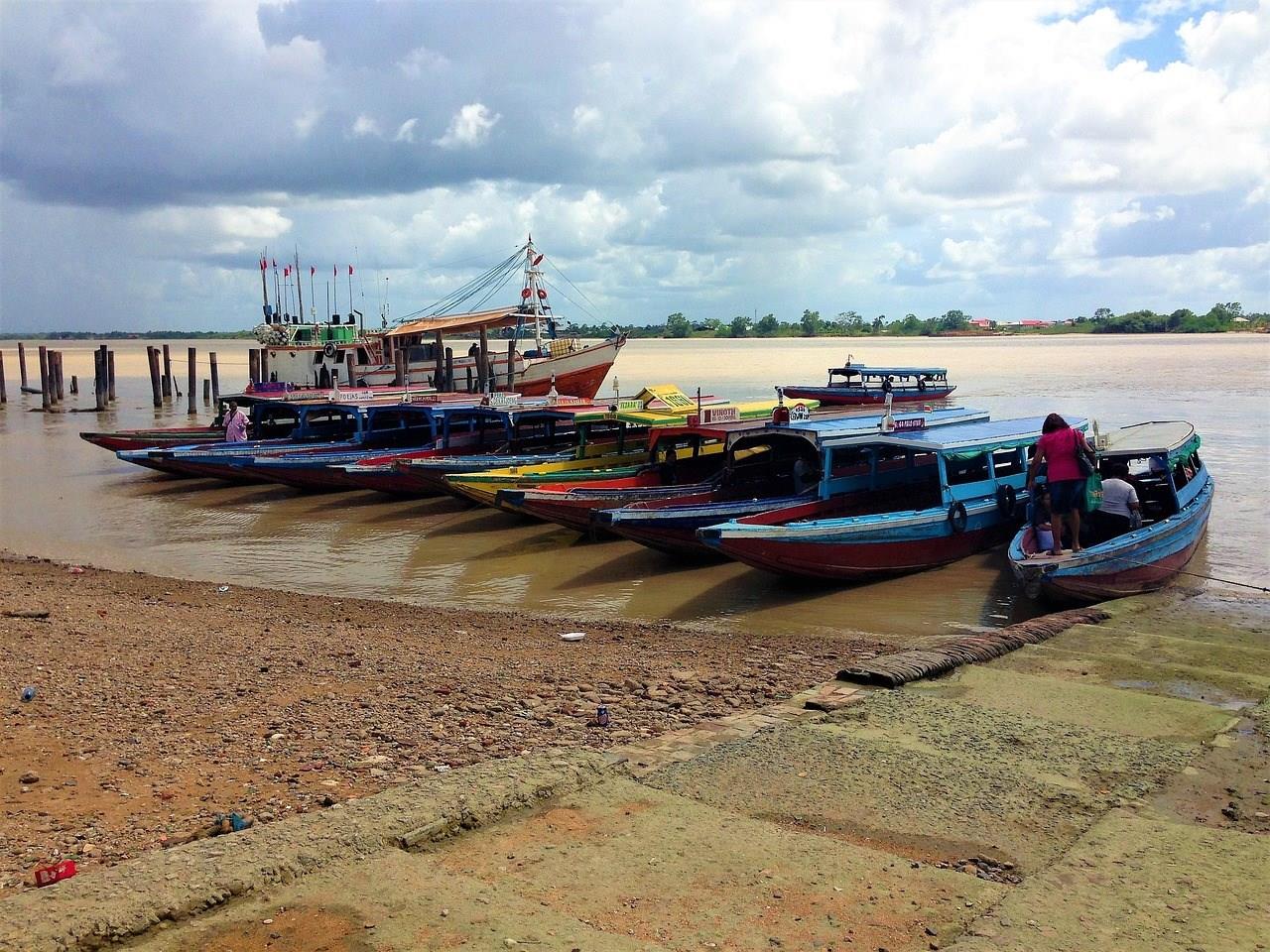
Paramaribo, Suriname’s capital, unfolds like a living storybook along the Suriname River, where wooden structures from the 17th and 18th centuries still stand today. This historic heart reveals a rare fusion of Dutch design and local craftsmanship. Visitors can stroll the Waterkant, a riverside avenue, and take in landmarks such as Fort Zeelandia, the neoclassical Reformed Church, and the lofty wooden Cathedral of St. Peter and Paul.
Foz do Iguaçu
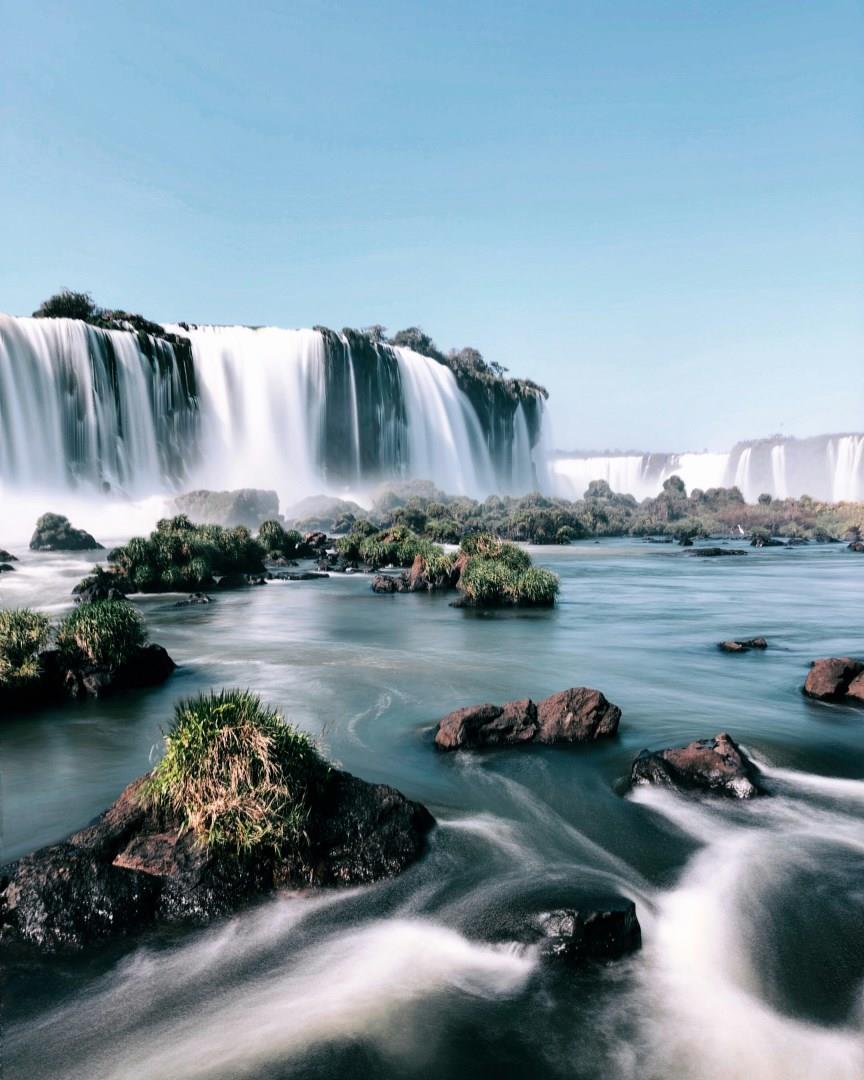
Set at the meeting point of Brazil and Argentina, Foz do Iguaçu is defined by the sheer scale of the Iguaçu Falls. Nearly 275 individual waterfalls stretch across close to three kilometers, sending mist into the air and sound echoing through the surrounding forest. Visitors follow raised walkways that bring them face to face with this moving wall of water, culminating at the dramatic Devil’s Throat, a deep, curved drop where the river seems to vanish into the earth.
San Pedro
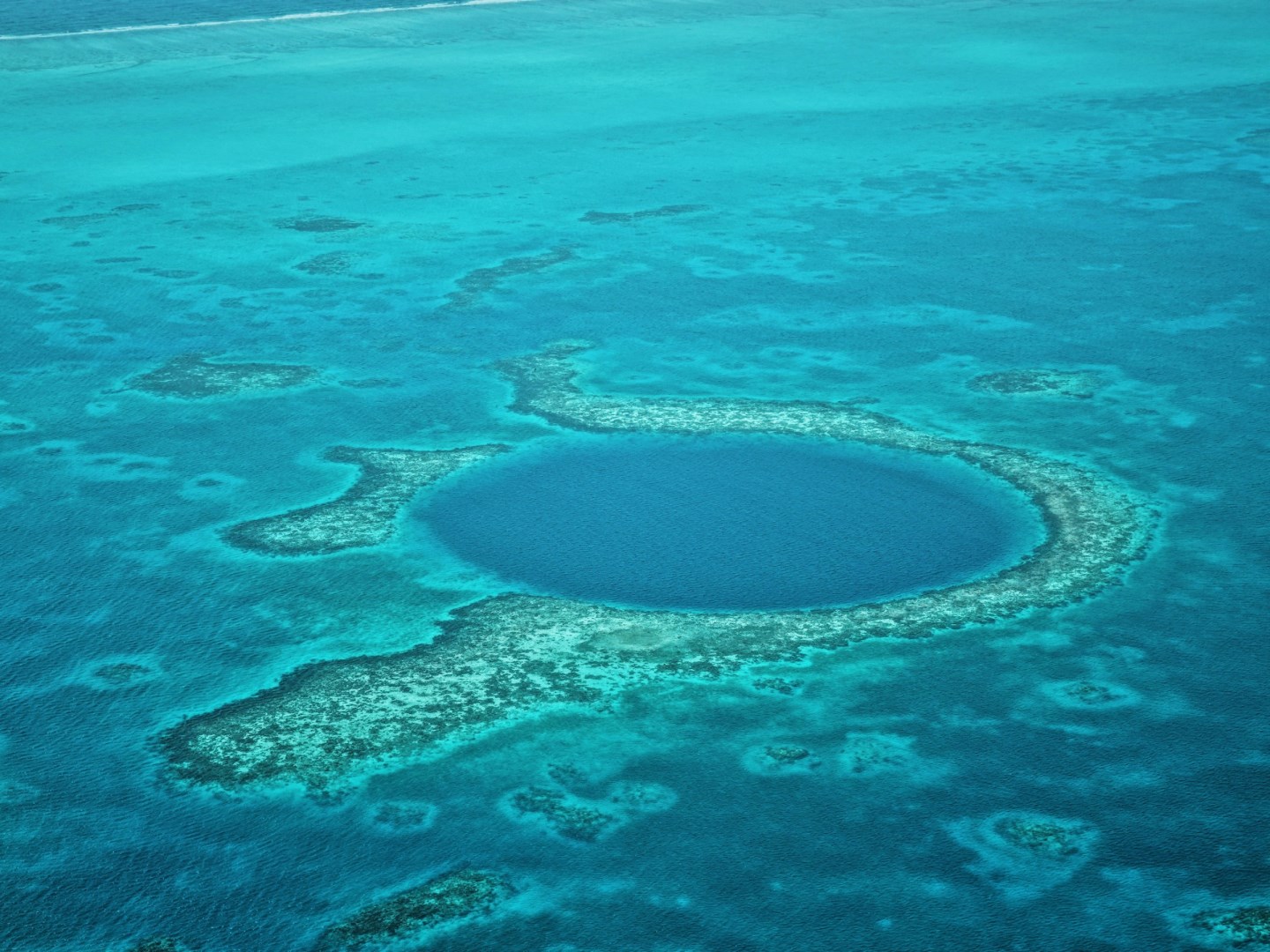
San Pedro is located on the Ambergris Caye and is fifteen minutes by air from Belize City. The are a variety of restaurants, shops and entertainment in San Pedro.

Merzouga
Merzouga, a small village located in southeastern Morocco, is the gateway to the stunning Erg Chebbi dunes, one of the most iconic desert landscapes in the world. These towering sand dunes, which can reach heights of up to 150 meters (492 feet), offer an unparalleled opportunity for adventure and exploration. The contrast between the golden sands and the clear blue sky creates a breathtaking panorama that is perfect for photography and desert excursions.
