
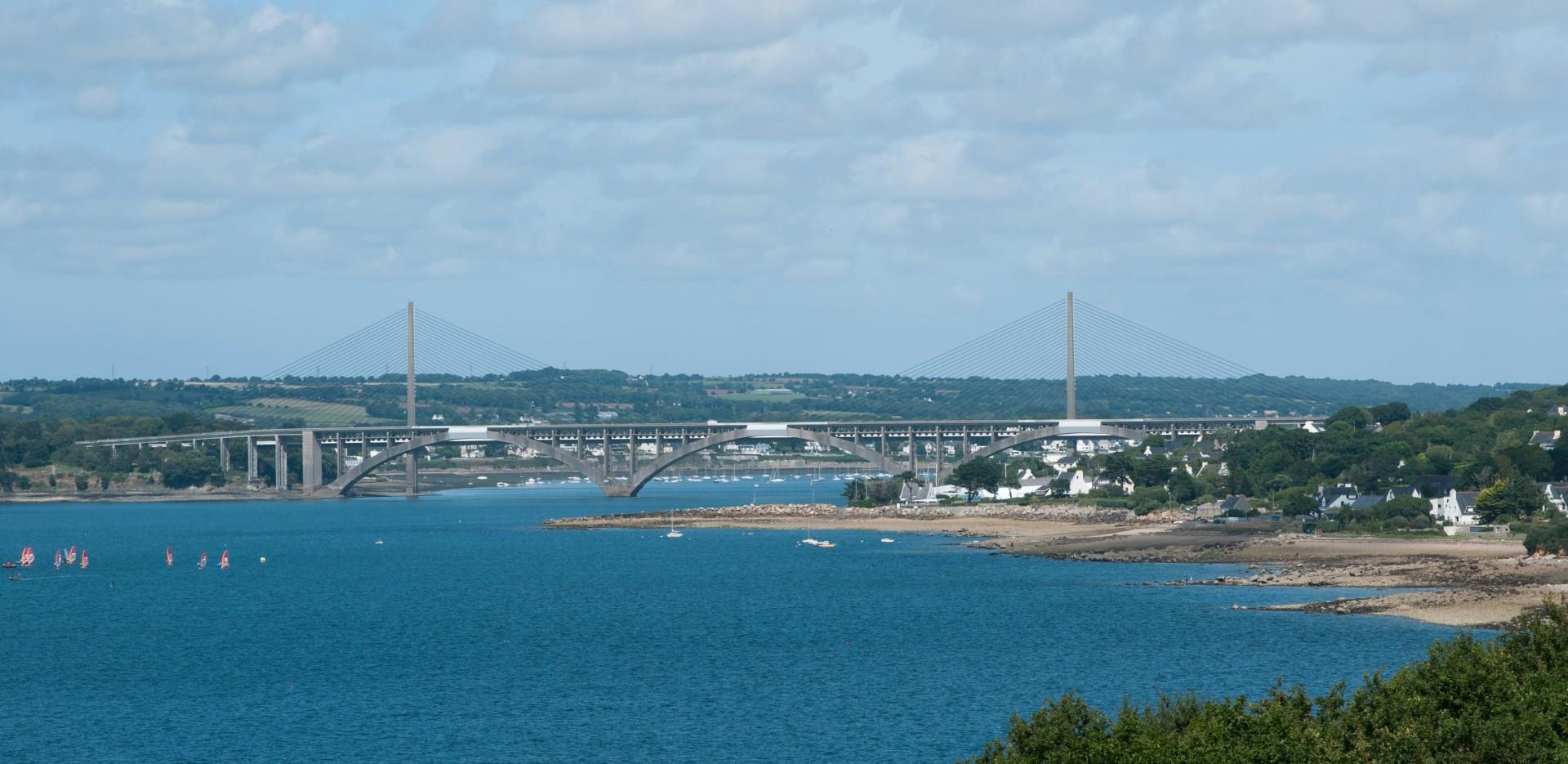
Brest
Brest sits at the western edge of Brittany, facing the Atlantic and shaped by its role as a strategic naval port. Much of the city was rebuilt after World War II, giving it a modern layout that contrasts with older Breton towns, yet its history remains closely tied to the sea.
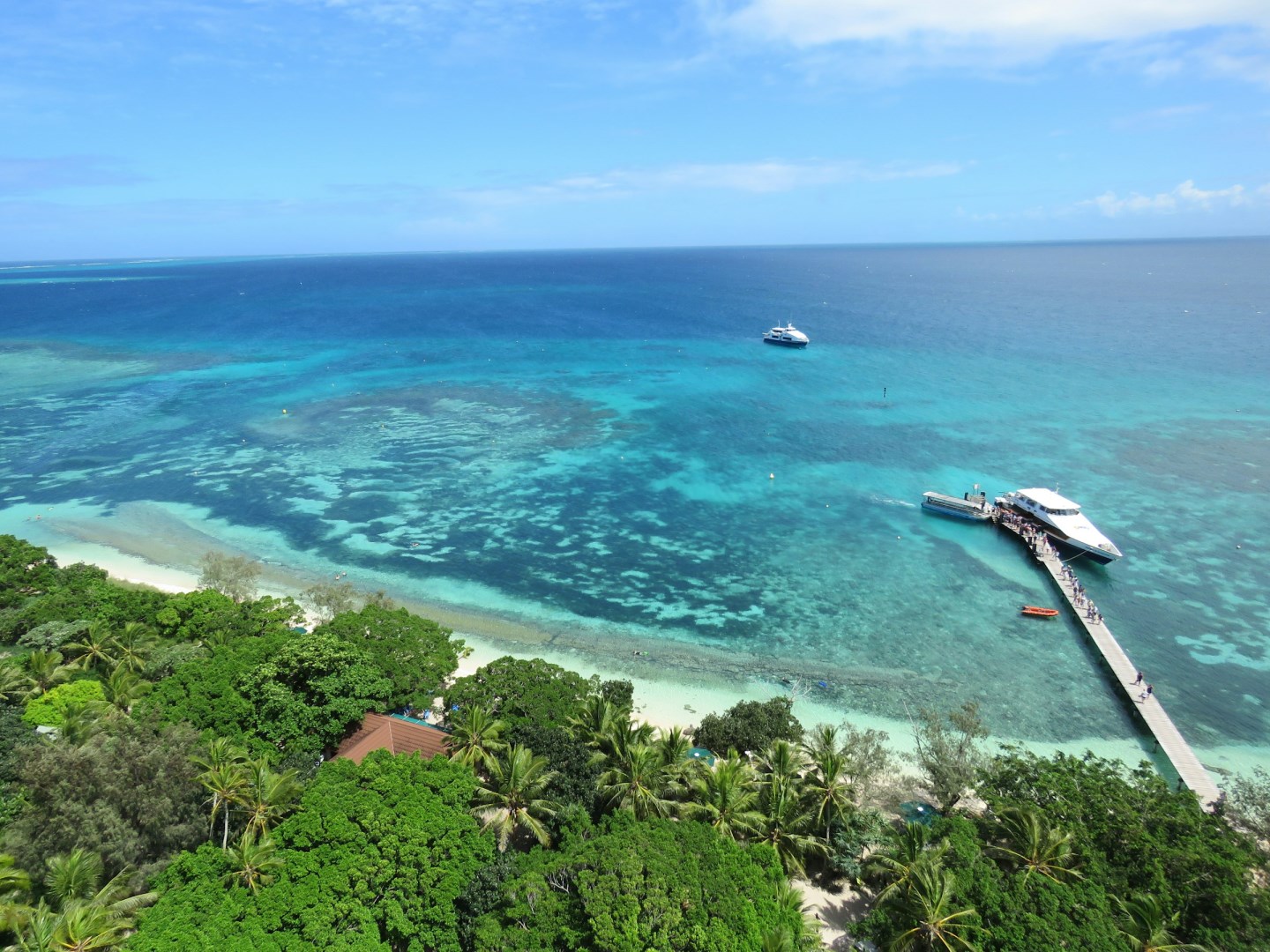
Amédée Islet
Amédée Islet, known locally as Îlot Amédée, is a small coral islet in the lagoon off the southern coast of New Caledonia. It lies within the New Caledonian Lagoon, a UNESCO World Heritage site recognized for its extensive reef systems and marine habitats. The islet is surrounded by shallow turquoise waters, coral reefs, and sandy beaches, while low vegetation covers much of its interior. Its most recognizable landmark is the Amédée Lighthouse.
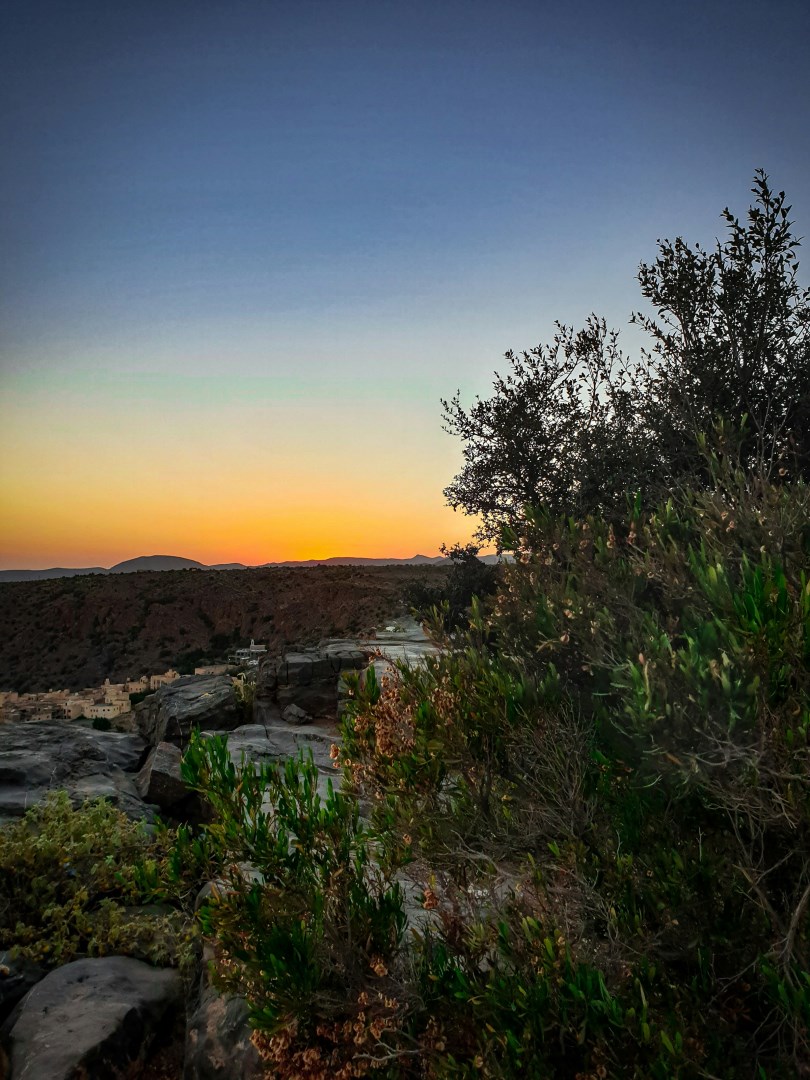
Jebel Akhdar
Jebel Akhdar, meaning “Green Mountain,” is a highland area within Oman's Al Hajar Mountains in Ad Dakhiliyah Governorate. The mountain rises to about 2,980 meters, with the Saiq Plateau located around 2,000 meters above sea level. Its cooler mountain climate supports terraced orchards, villages, and vegetation that differs from the dry lowlands below.
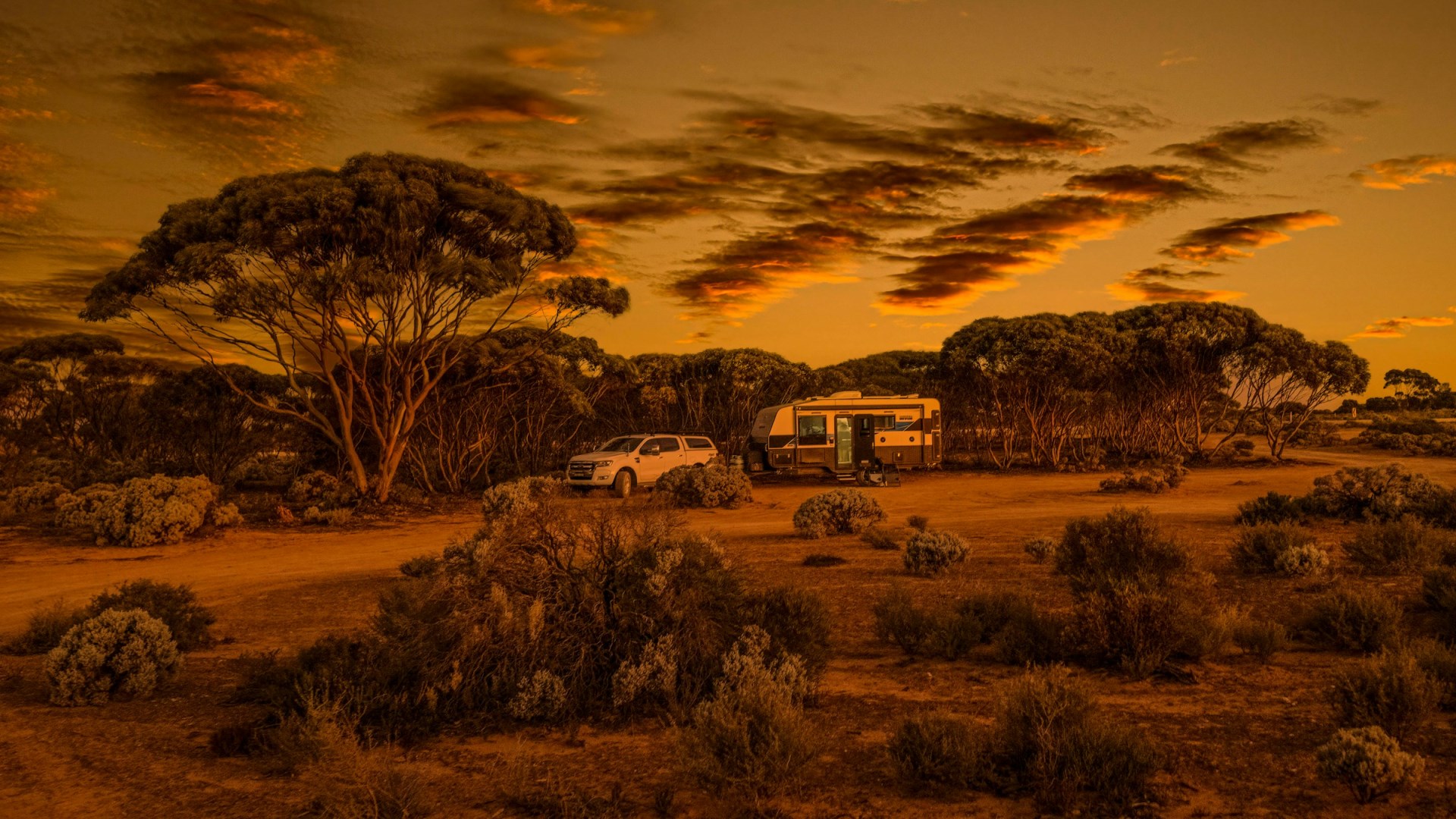
Outback
The Australian Outback is a broad term for the sparsely settled rangelands and remote landscapes that extend across much of the continent. Rather than being a single desert, it includes arid plains, red-earth deserts, mountain ranges, rocky gorges, tropical savannas, salt lakes, and river country.
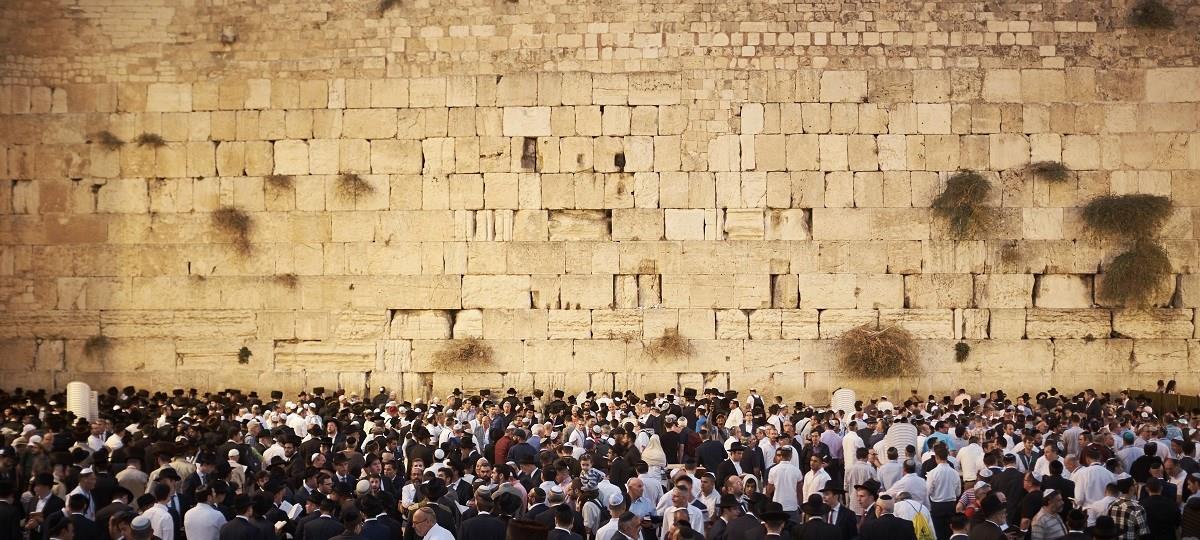
Jerusalem
This beautiful holy city is a spiritual lightning rod and sacred to Jews, Muslims and Christians all over the world. Although Jerusalem is known primarily for its religious history, the city is also home to many artistic and cultural venues.
