
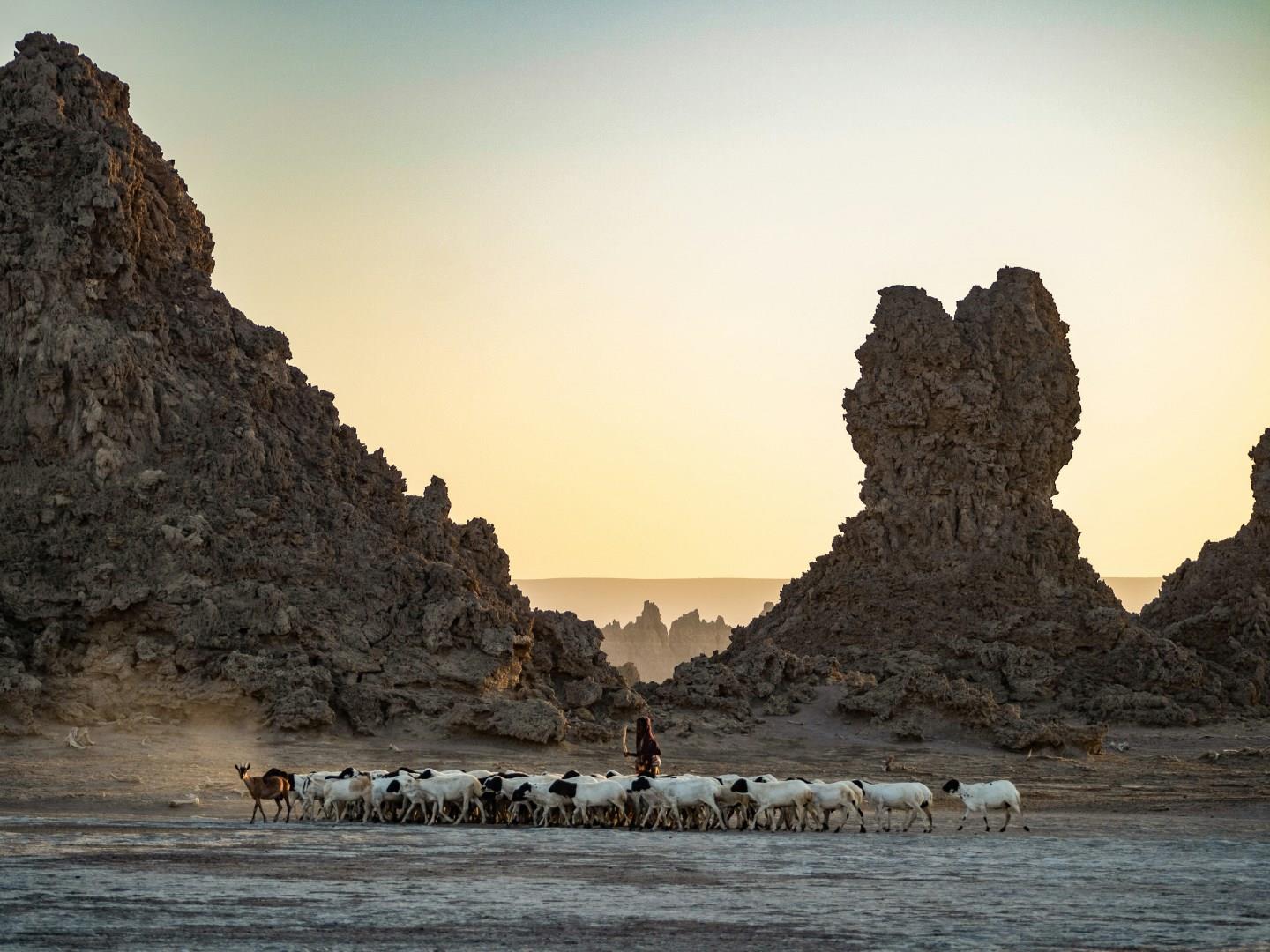
Lac Abbe
Lac Abbe, straddling the border between Djibouti and Ethiopia, is one of East Africa’s most otherworldly landscapes.

Norway
Norway offers a landscape shaped by glaciers, framed by fjords, and steeped in Viking history. The country's coastline stretches for over 100,000 kilometers if you count every inlet and island, which makes it one of the longest in the world. Travelers can take a ferry through the Geirangerfjord or cruise along the Lofoten Islands, where steep mountain peaks rise dramatically from the sea. These routes aren’t just scenic; they’ve been lifelines for coastal communities for centuries.
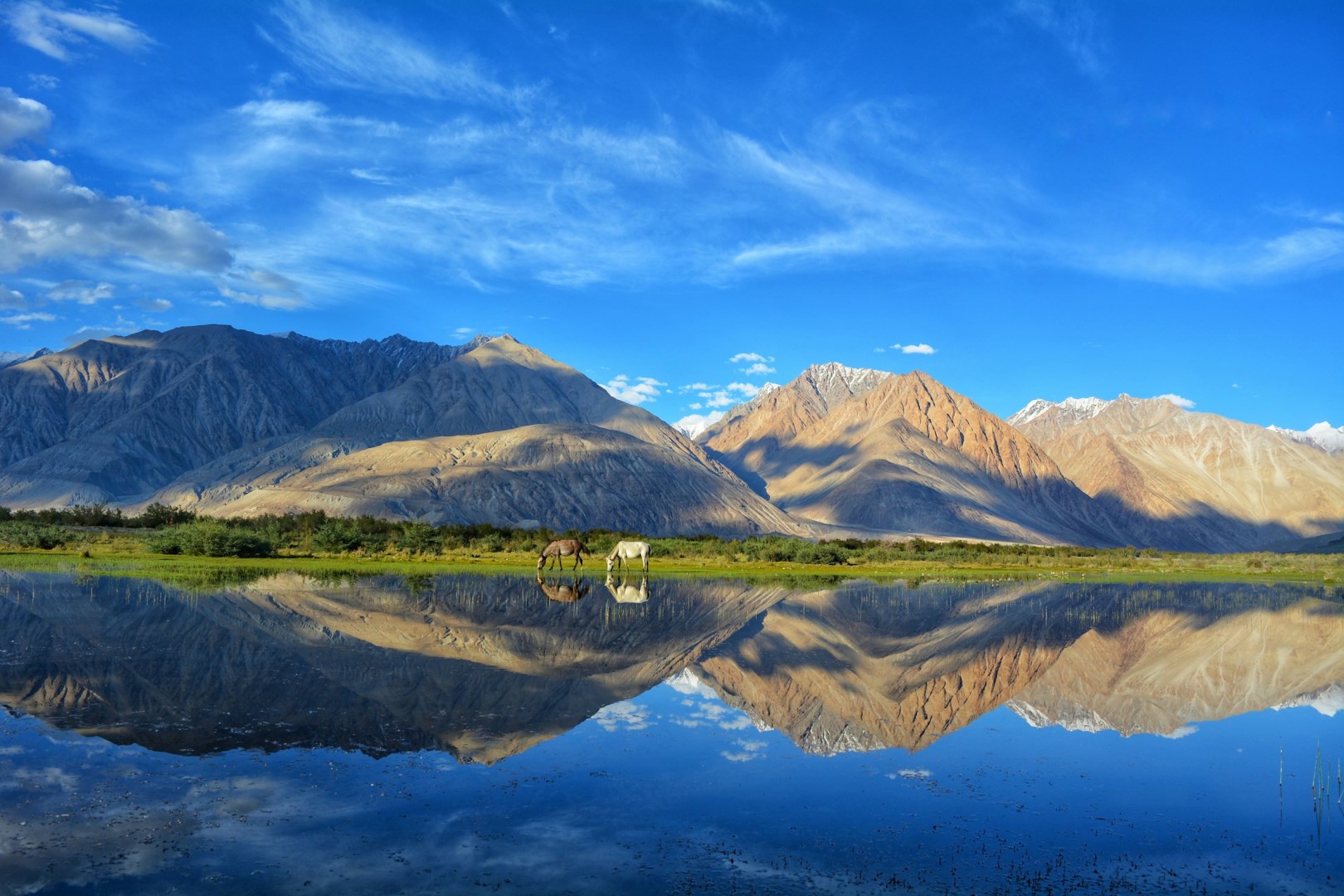
Leh
Leh is the principal town of Ladakh, set in a high mountain valley surrounded by the Ladakh Range and shaped by the Indus River system. At an elevation of roughly 3,500 metres, it is known for its dry climate, rugged mountains, clear skies, and compact old town of whitewashed buildings. Leh also serves as a major base for journeys into Nubra Valley, Pangong Lake, and other parts of Ladakh. Its location between major Himalayan ranges has long influenced settlement, trade, agriculture, and the dis

Martha’s Vineyard
Martha’s Vineyard, located just seven miles off the coast of Cape Cod, feels like a world apart. This island has long attracted artists, presidents, and vacationers seeking something quieter than the mainland. With six distinct towns, each with its own style, visitors can explore everything from the stately streets of Edgartown, once a prosperous whaling port, to the laid-back vibe of Chilmark, where stone walls and sheep pastures stretch to the sea.
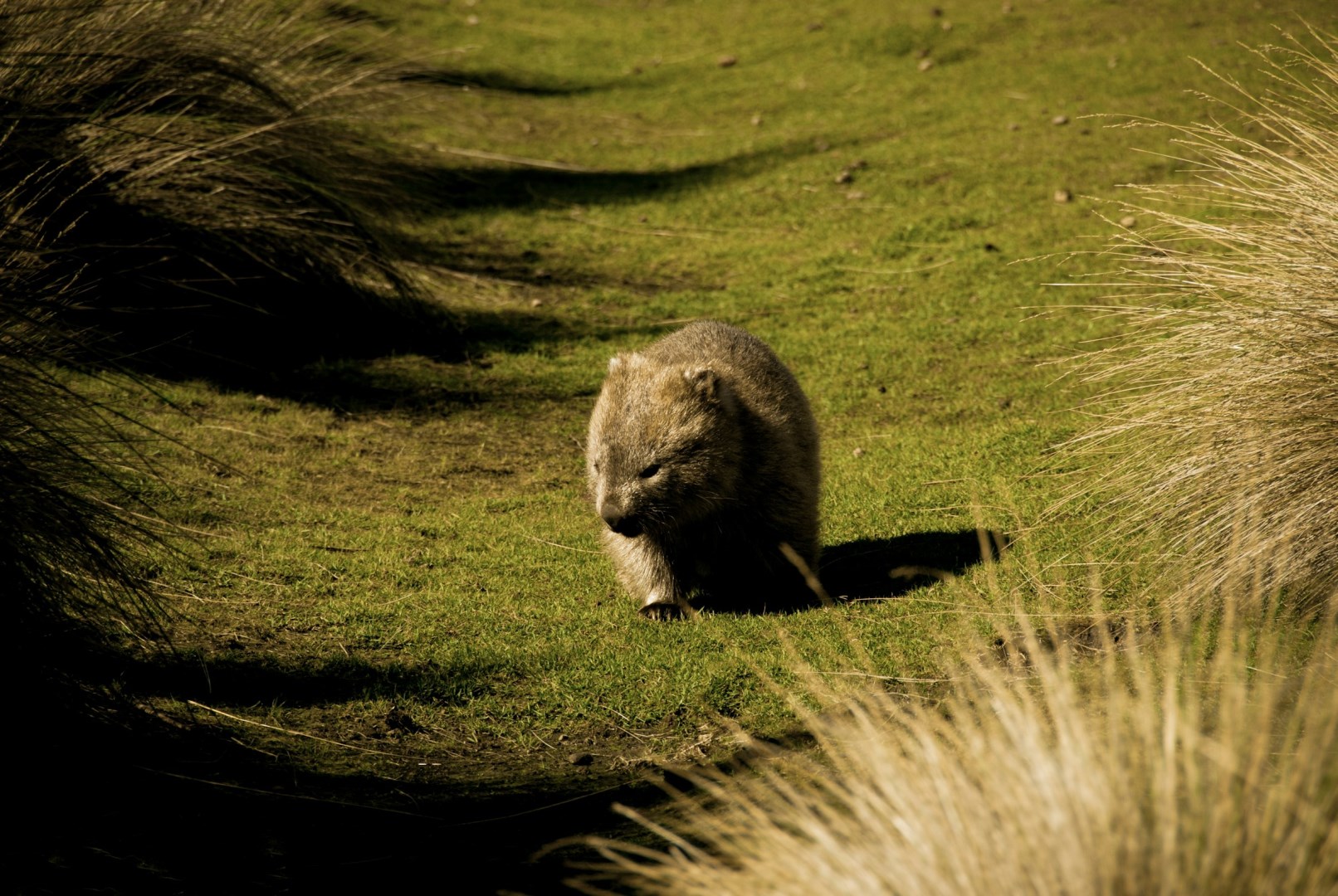
Flinders Island Tasmania
Flinders Island is the largest island in the Furneaux Group, located in Bass Strait between mainland Australia and Tasmania. Covering a landscape of rugged mountains, rolling farmland, white-sand beaches, and granite headlands, it is known for its remote character and rich natural environment.
