
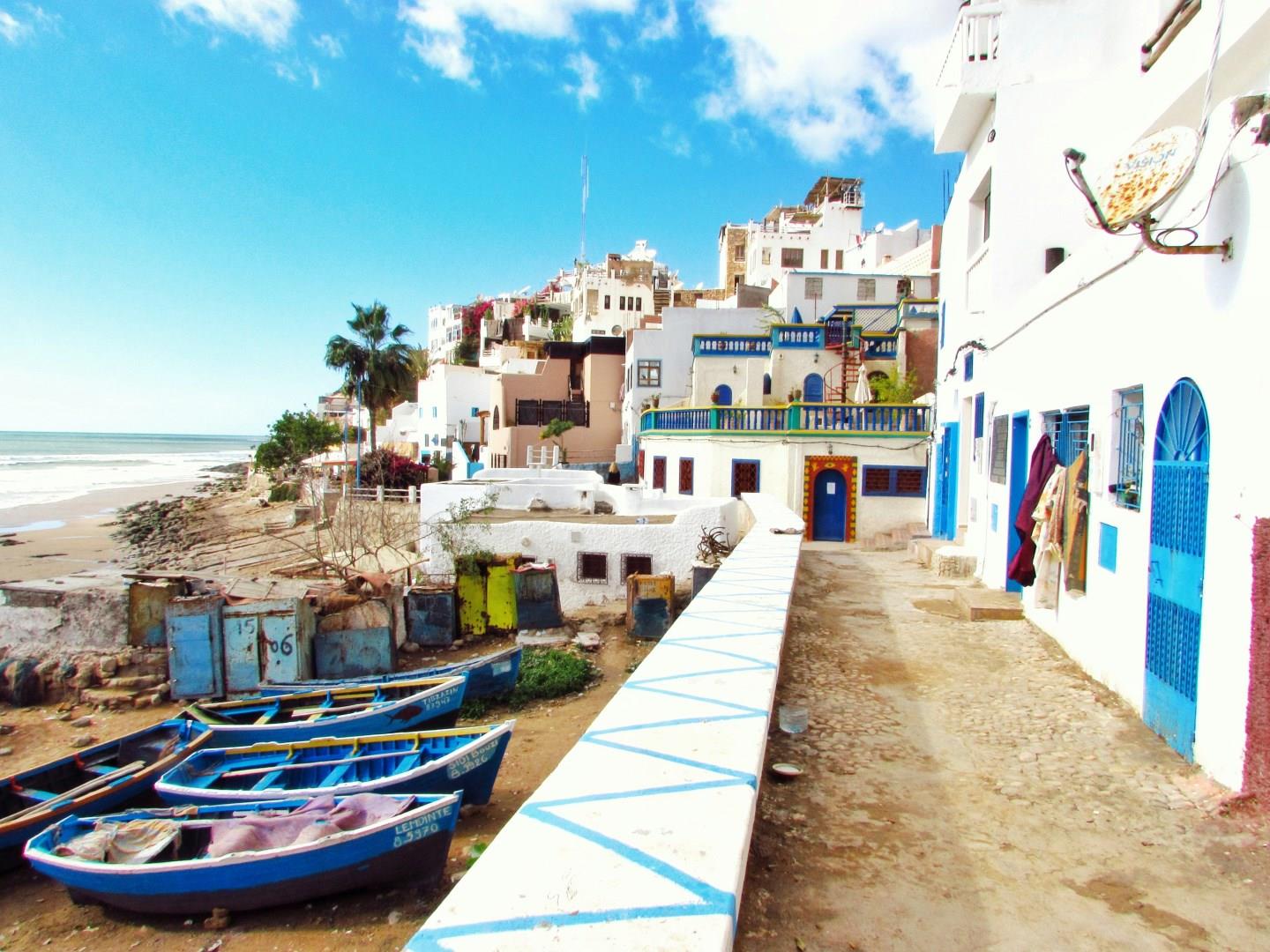
Taghazout
Taghazout is a small coastal village on Morocco’s Atlantic shore, once a quiet fishing settlement that has grown into a global surf destination without fully shedding its roots. Life here still follows the rhythms of the sea, with boats pulled onto the sand and daily routines shaped by tides and weather. Berber culture underpins the village’s identity, visible in local customs, food, and the understated pace that sets Taghazout apart from Morocco’s larger resort towns.
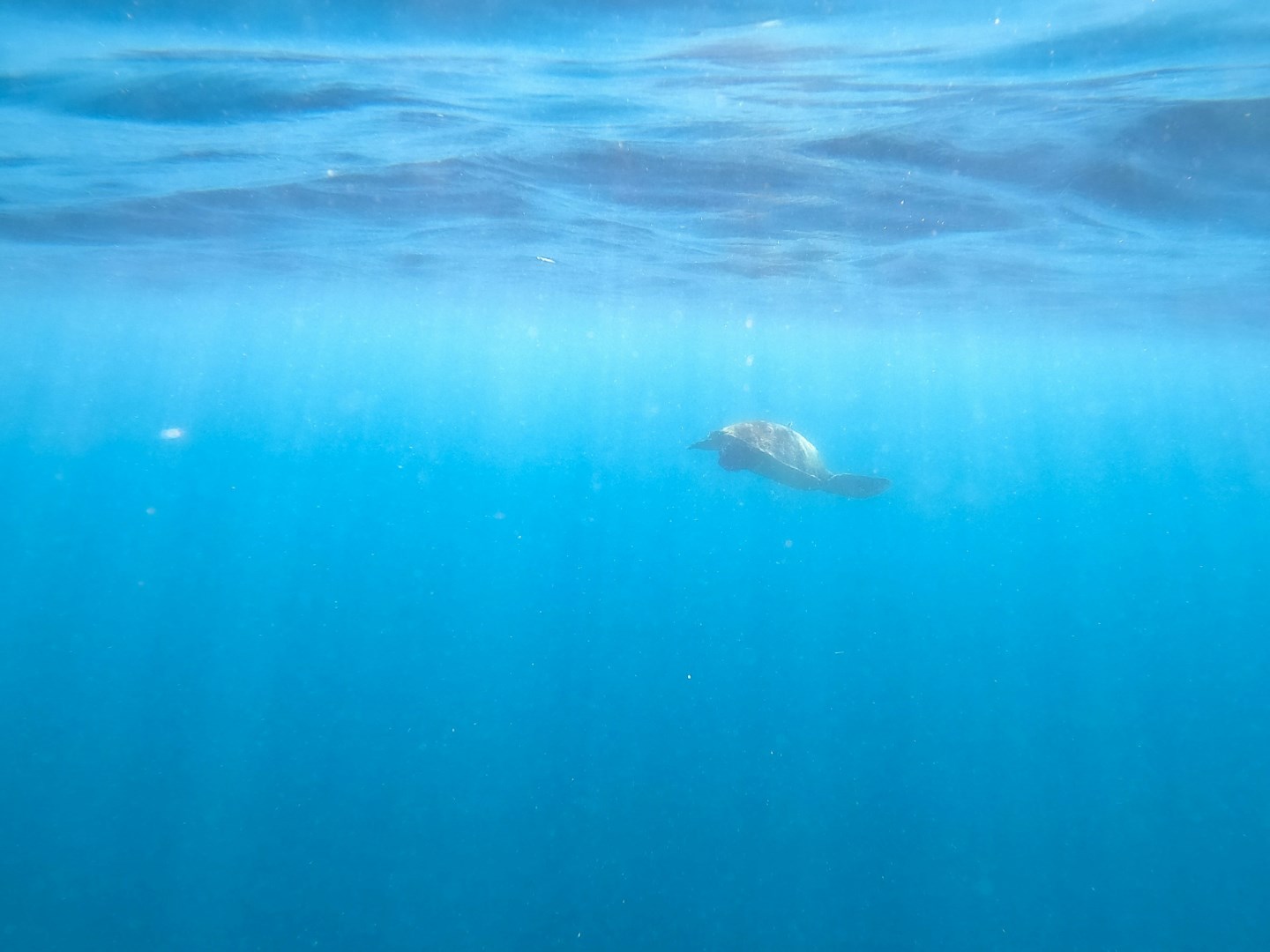
Gili Air
Gili Air is the easternmost of the three Gili Islands, located just off the northwest coast of Lombok in West Nusa Tenggara. The small island is surrounded by coral reefs and shallow tropical waters, with sandy beaches and coconut palms lining much of its coast. Gili Air has a resident community and a more relaxed settlement pattern than Gili Trawangan, while still offering guesthouses, restaurants, cafés, and dive centers.
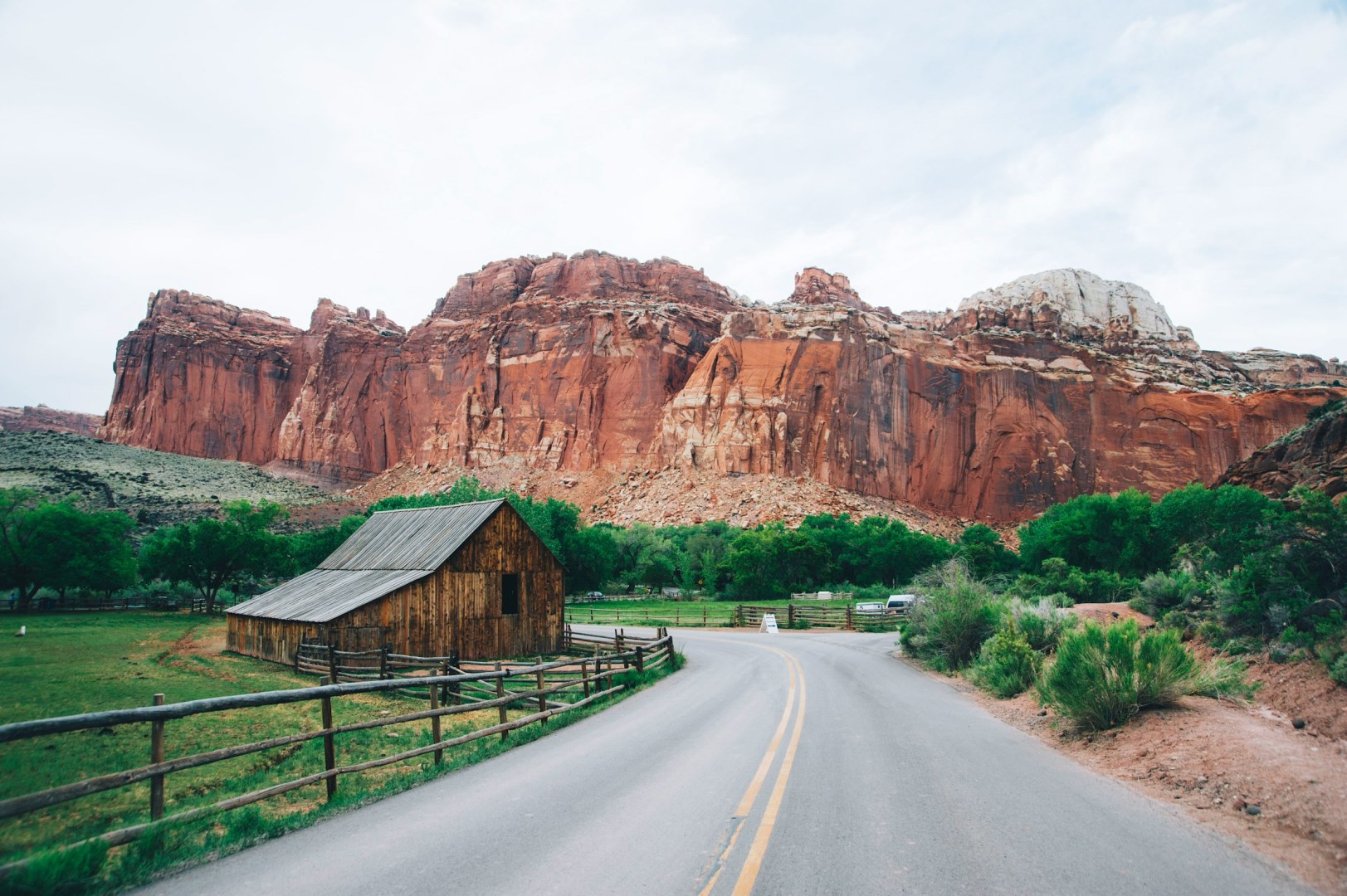
Capitol Reef National Park
Capitol Reef National Park occupies a long, rugged section of southern Utah where sandstone cliffs, domes, canyons, and high desert plateaus form a landscape centered on the Waterpocket Fold. This immense wrinkle in the earth’s crust creates a dramatic change in elevation and exposes layers of rock in shades of red, orange, white, and gray.
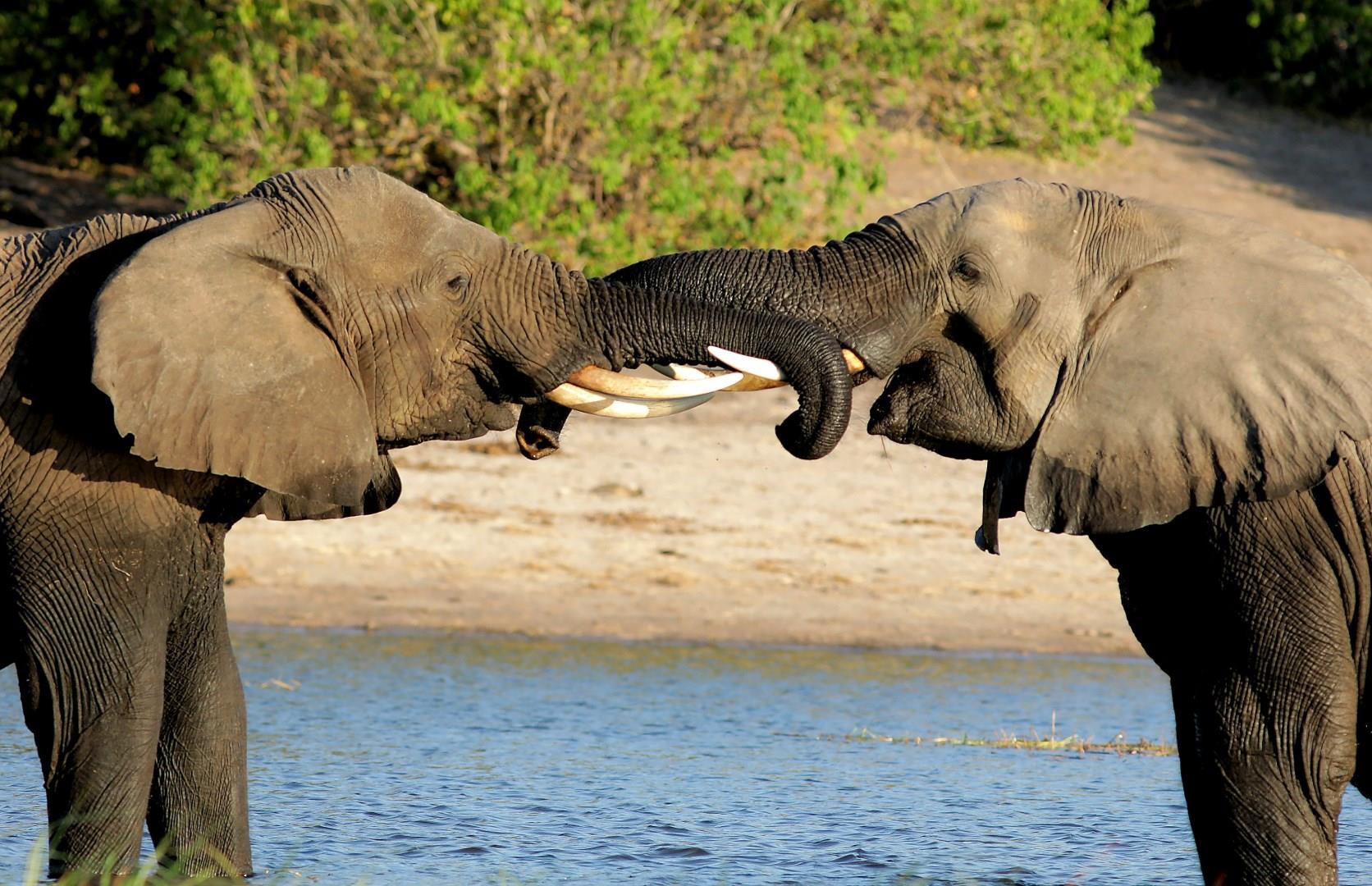
Kasane
Kasane sits at Botswana’s northeastern edge, where the Chobe River meets the borders of Namibia, Zambia, and Zimbabwe. Its development is closely tied to river transport, regional trade, and wildlife management.

Inca Trail
The Inca Trail is a historic mountain route in Peru’s Cusco Region that leads through the Andes to Machu Picchu. The best-known route begins near Piscacucho, follows a network of stone paths through high valleys and mountain passes, and ends at Intipunku, or the Sun Gate, overlooking the archaeological site.
