

Pompeii
Pompeii, Italy, is a mesmerizing time capsule that invites travelers to step back into the world of ancient Rome. Once a thriving city, Pompeii was abruptly buried under volcanic ash and pumice following the catastrophic eruption of Mount Vesuvius in 79 AD. This tragic event preserved the city in remarkable detail, allowing visitors today to walk the cobbled streets and witness a snapshot of Roman life, from grand villas and bathhouses to bakeries and amphitheaters.

Hurghada
Hurghada, located on the western shore of the Red Sea, is a vibrant Egyptian city known for its stunning beaches and thriving marine life. As one of Egypt's premier resort destinations, it offers an array of activities for beachgoers and adventure seekers alike. The city's pristine beaches are perfect for relaxing, while the warm, crystal-clear waters invite visitors to dive into a world of colorful coral reefs and diverse marine species.
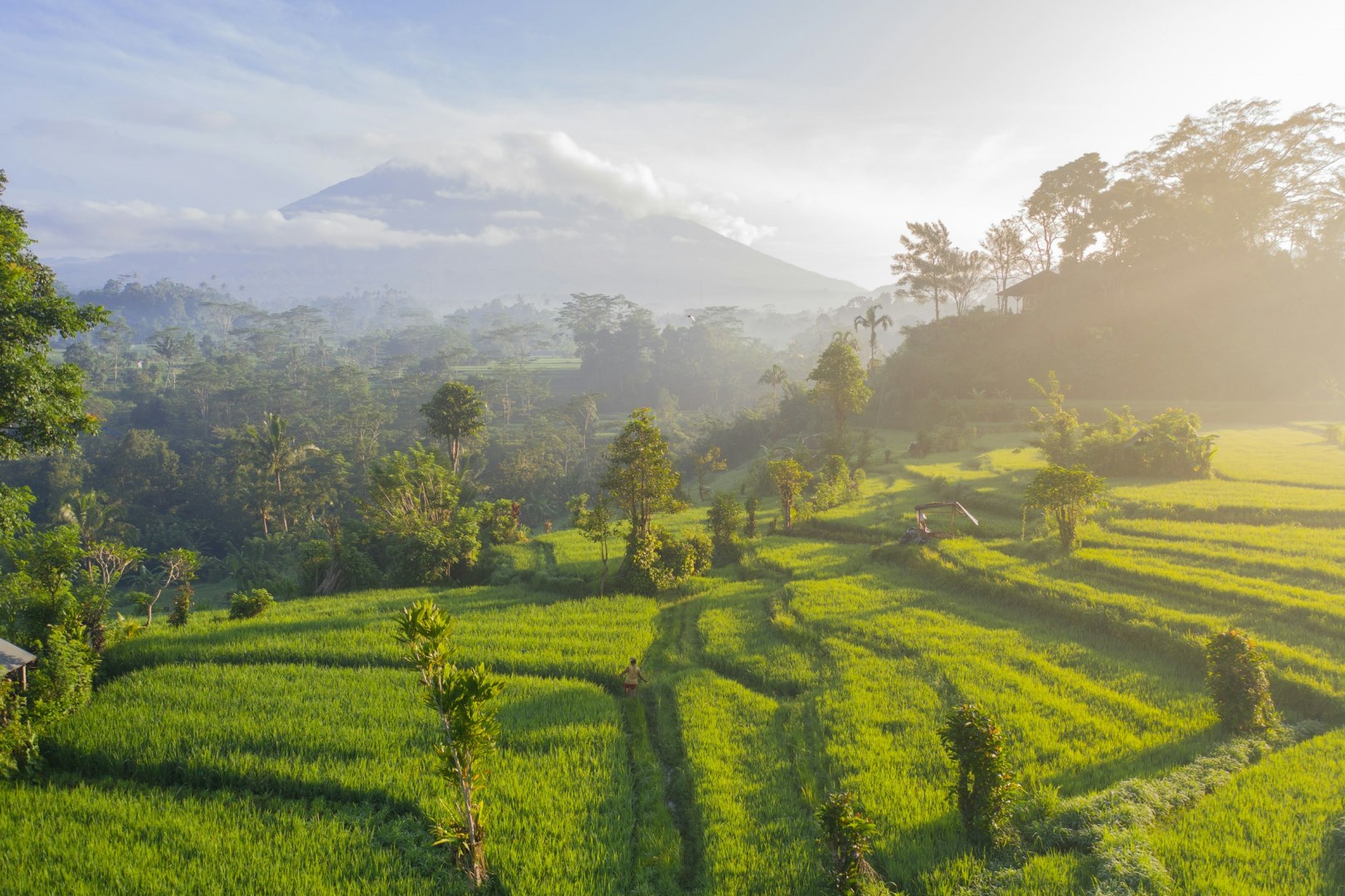
Sidemen
Sidemen is a rural valley in eastern Bali, surrounded by rice fields, wooded hills, small villages, and views toward Mount Agung. Located in Karangasem Regency, the area is known for its agricultural landscape and traditional village setting rather than a large urban center. Narrow roads and walking paths pass through cultivated fields, irrigation channels, gardens, and settlements, providing a close view of everyday life in Bali's countryside.
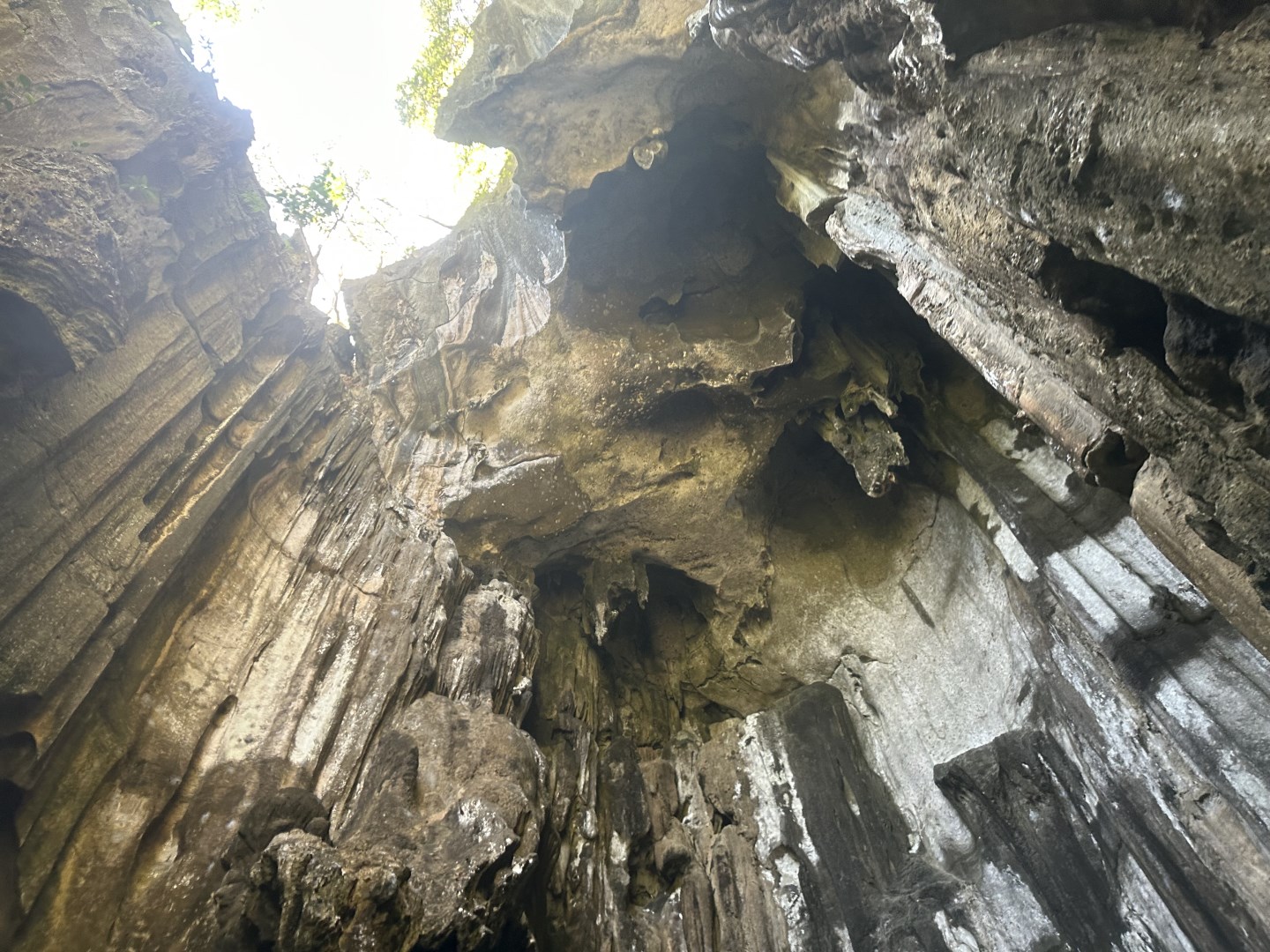
Sawa-i-Lau
Discover a distinctive limestone island known for its sunlit saltwater caves, hidden inner chamber, and enduring place in Yasawa legend.

Dakar
Dakar, the lively capital of Senegal, stands at the edge of the Atlantic Ocean on the Cape Verde Peninsula. As the westernmost city on the African mainland, it has long been a crossroads of cultures, trade, and ideas.
