

Huaraz
Huaraz is an Andean city in Peru’s Áncash Region, situated in the Callejón de Huaylas between the Cordillera Blanca and Cordillera Negra. At more than 3,000 meters above sea level, it is an important regional center and a principal base for exploring the mountains, lakes, and valleys of the surrounding highlands. The city combines a busy central area with traditional neighborhoods, markets, restaurants, and views toward the snow-covered peaks of the Cordillera Blanca.

Ypres
Ypres is a city where soaring medieval-style landmarks meet one of Europe’s most powerful landscapes of remembrance. From the nightly Last Post beneath the Menin Gate to the wonderfully eccentric Cat Parade, it has a character that is solemn, surprising, and unmistakably Flemish.

Brecon Beacons
The Brecon Beacons, officially known as Bannau Brycheiniog, rise through south-central Wales as a landscape shaped by myth, grazing, and long human presence.
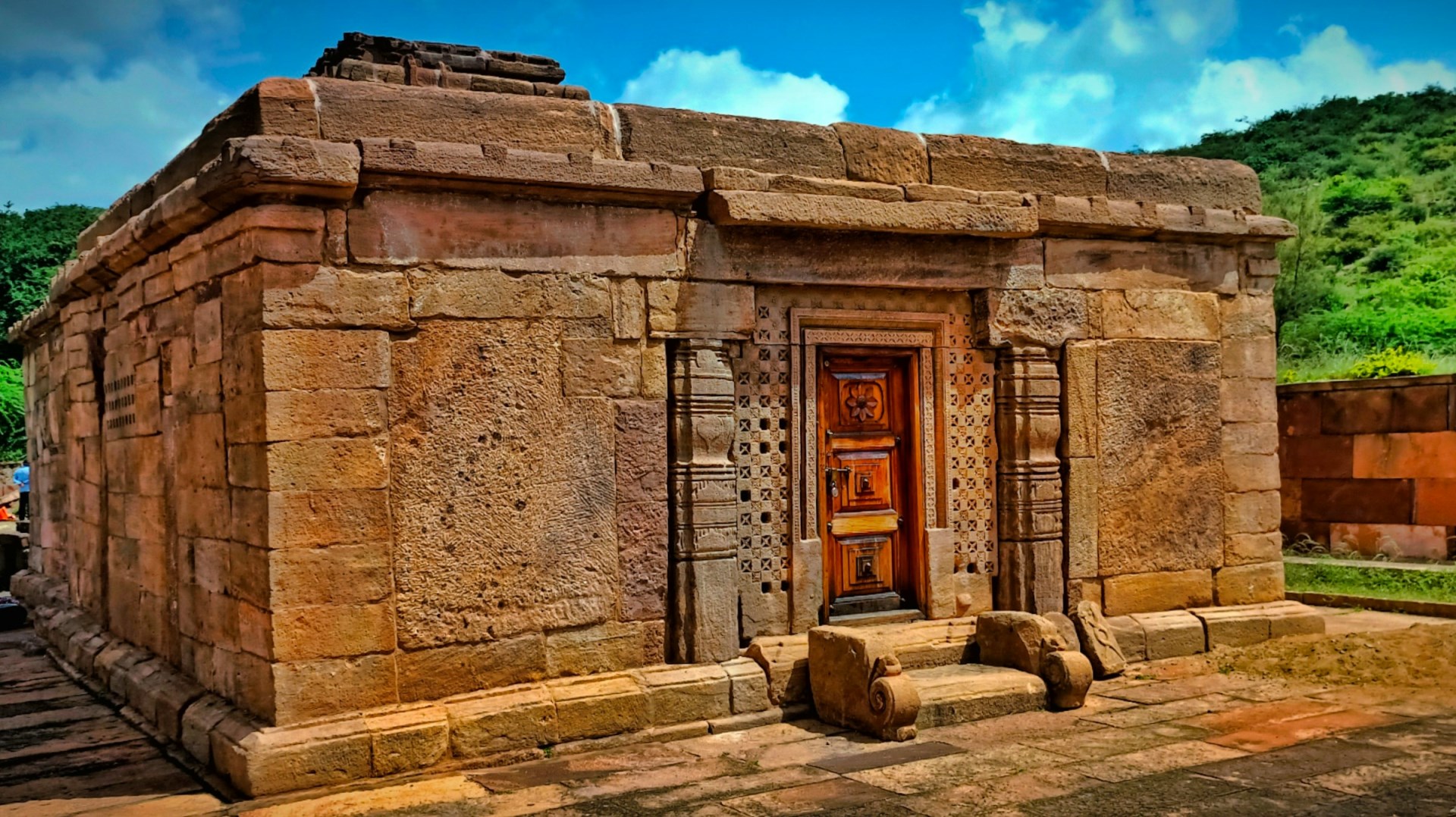
Badami
Badami is a historic town in Karnataka’s Bagalkot district, set among red sandstone cliffs and rocky hills in the northern Deccan. Once an important Chalukyan capital, the town is now best known for its rock-cut temples, carved directly into the sandstone surrounding Agastya Lake. The compact setting brings together ancient monuments, a reservoir, rocky outcrops, and narrow valleys, creating a landscape closely tied to the region’s architectural heritage. Badami also forms part of the important

Leknes
Leknes sits in the heart of Norway’s Lofoten Islands, a small town shaped more by geography than by long urban history. It developed as a regional hub for farming, fishing, and transport, serving surrounding villages spread across Vestvågøy. Rather than presenting a preserved past, Leknes reflects contemporary life in the north, practical and closely tied to seasonal rhythms.
