

Phillip Island
Phillip Island, a serene escape located just 90 minutes from Melbourne, Australia, is a natural wonderland that entices visitors with its stunning coastal landscapes and unique wildlife experiences. The island is most famous for its Penguin Parade, where every evening at sunset, hundreds of little penguins—the smallest penguin species in the world—waddle ashore to their burrows on Summerland Beach.

Denali National Park
Denali National Park and Preserve is an adventurer’s paradise! This scenic landscape and arctic tundra in the Alaska wilderness is one of the country’s most beautiful national parks, and with over six millions acres of land, the park offers plenty of exhilarating activities, breathtaking hikes, and majestic sights, all of which will leave you in awe.
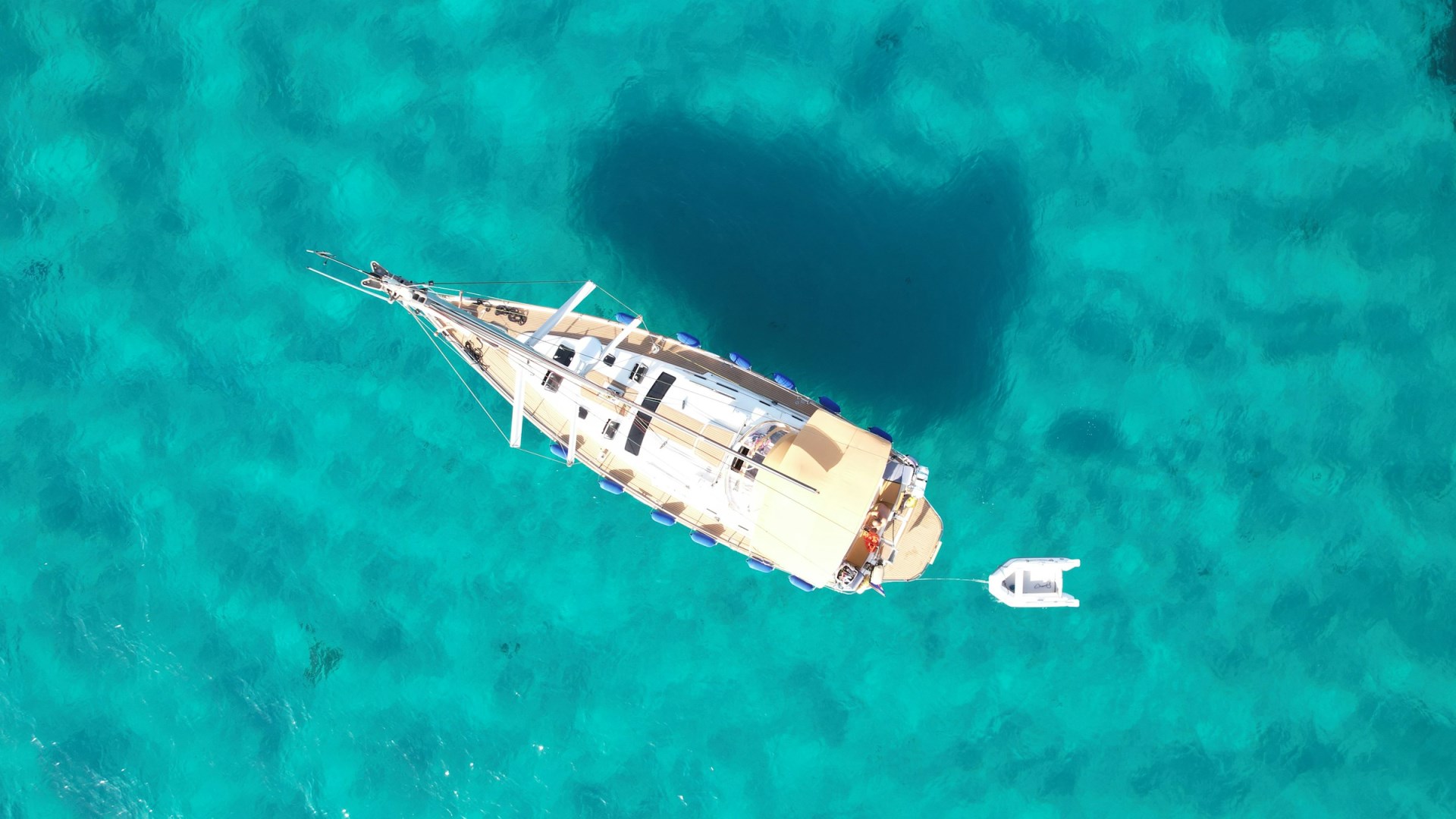
Porto Cervo Sardinia
A picturesque village situated in a forgotten inlet, Porto Cervo is the main resort on the Costa Smeralda. This popular resort offers all types of sports and leisure facilities (water sports, tennis courts, internationally famous tourist harbour, and restaurants, night clubs, discos and luxurious boutiques), as well as white sandy beaches alternating with reefs.
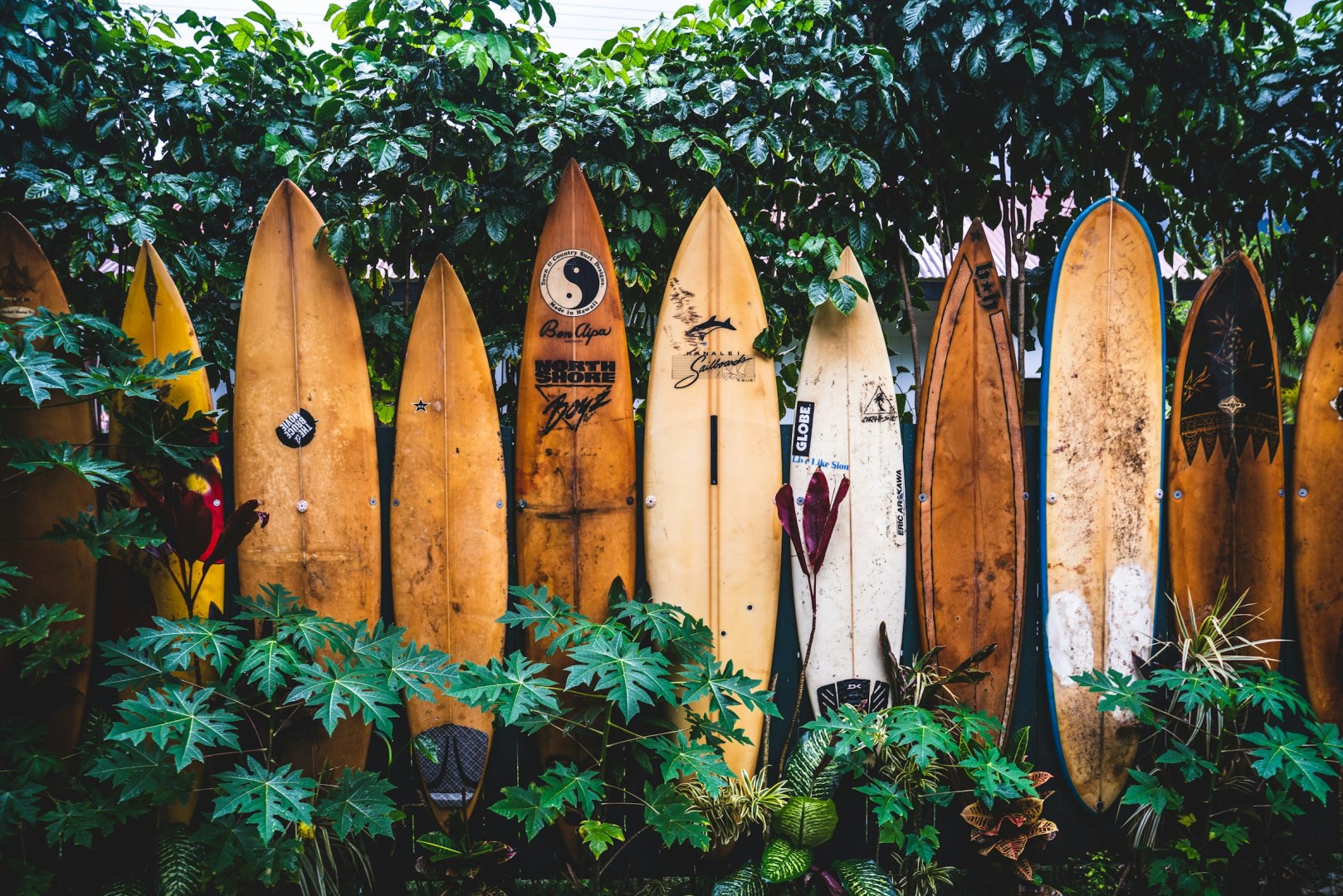
Hanalei, Kauai
Hanalei is located on the North central coast of Kauai Island. Near the head of Hanalei Bay, the village is in scenic and fertile Hanalei or Hanohano Valley, one of the states few rice producing regions.

Stone Town
As a UNESCO World Heritage site, Stone Town boasts narrow, winding streets lined with towering stone buildings adorned with beautifully carved wooden doors, reflecting its rich history as a major trading hub.
