

Caye Caulker
Caye Caulker lies off the coast of Belize, a small island that was once a quiet fishing village and today still feels wonderfully uncrowded compared to many Caribbean destinations. Its name likely comes from an English twist on “Hicaco,” the old Spanish name meaning coco plum, a nod to the island’s early days and bilingual roots.
Fujairah
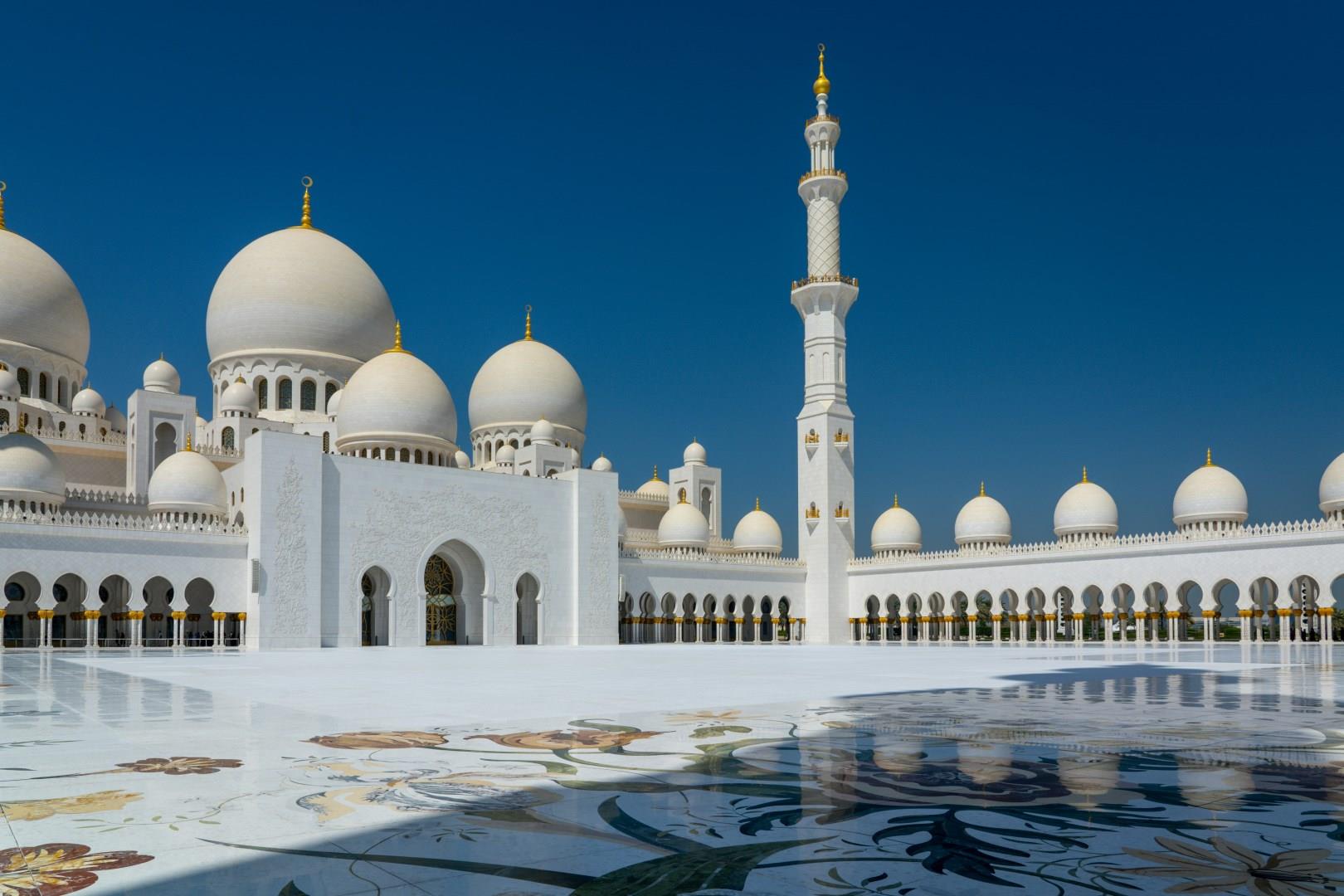
Fujairah stands apart among the emirates as the only one on the UAE’s eastern shore, where waves roll in from the Gulf of Oman and the Hajar Mountains rise sharply behind the city. Life here moves between sea and mountain, where coastal breeze meets rugged terrain, and echoes of ancient trade routes still shape the rhythm of settlements.
São Paulo
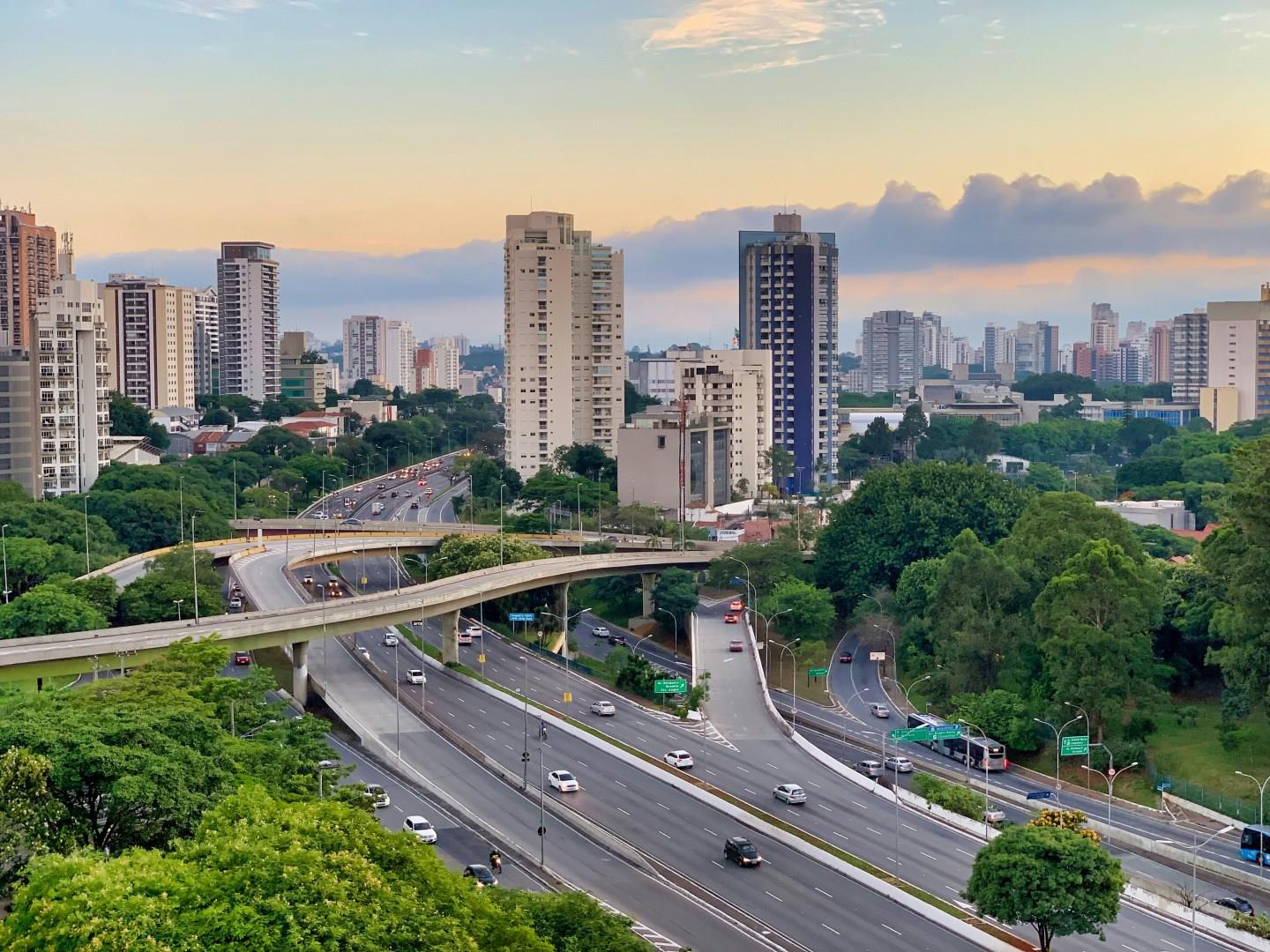
Sao Paulo is Brazil’s largest city and its economic engine, shaped by waves of migration that began in the late 19th century and never truly slowed. Italians, Japanese, Lebanese, and migrants from across Brazil all left visible marks on the city’s neighborhoods, food, and cultural life.

Kalamata
Kalamata is a coastal city in the southwestern Peloponnese, set at the head of the Messinian Gulf beneath the slopes of Mount Taygetos. Its long waterfront includes sandy beaches, cafés, restaurants, and walking areas, while the city center contains pedestrian streets, neoclassical buildings, churches, and lively squares. Kalamata serves as the administrative and commercial center of Messinia and provides a useful base for exploring the wider region.
Quepos
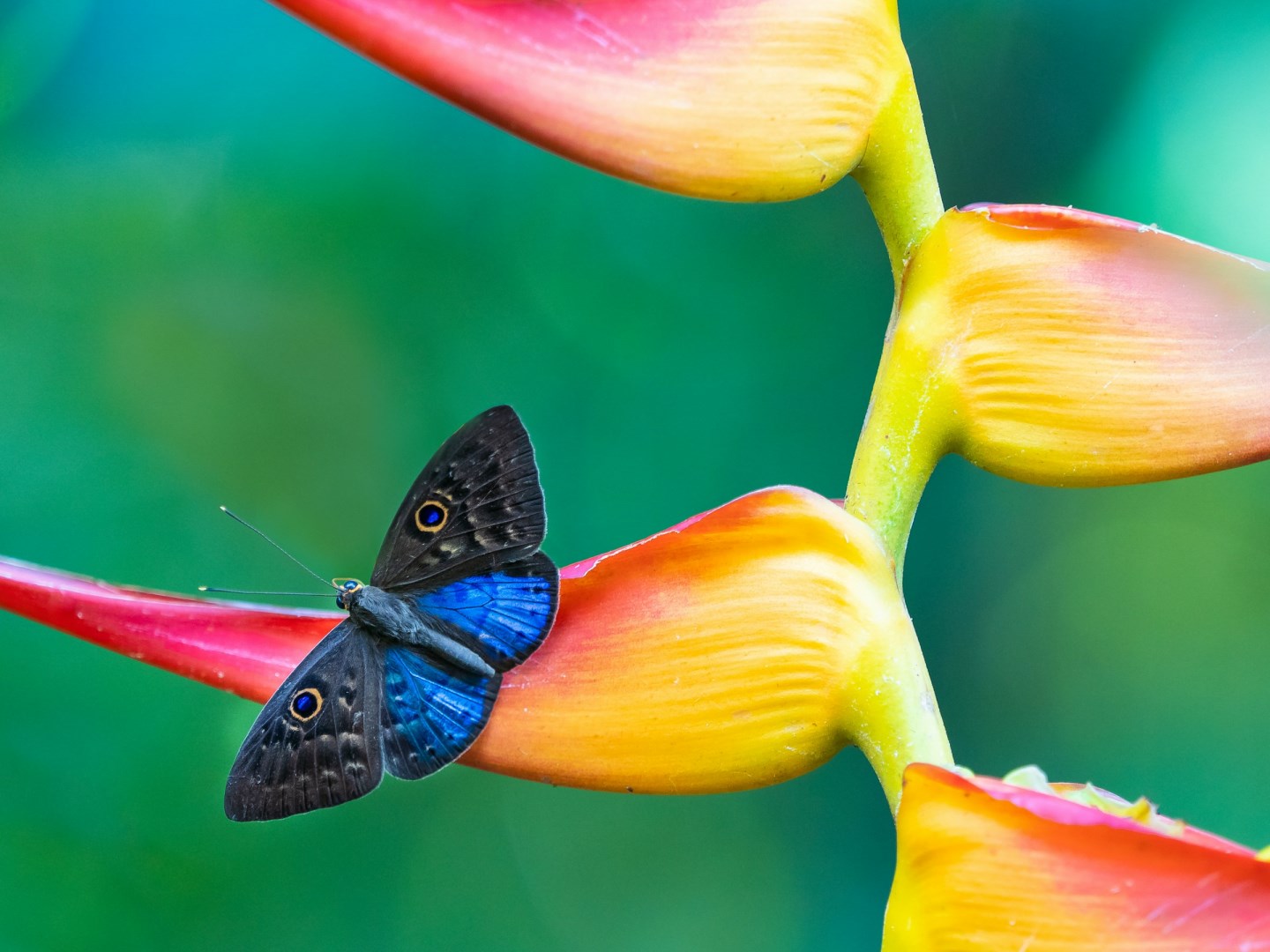
Quepos is a coastal town in Puntarenas Province on Costa Rica's central Pacific coast, situated beside the Quepos River and a sheltered bay. The town serves as a regional center for fishing, agriculture, tourism, and transportation, with a marina and waterfront areas overlooking the Pacific. Quepos is also one of the main gateways to Manuel Antonio National Park, located a short distance south of town.
