
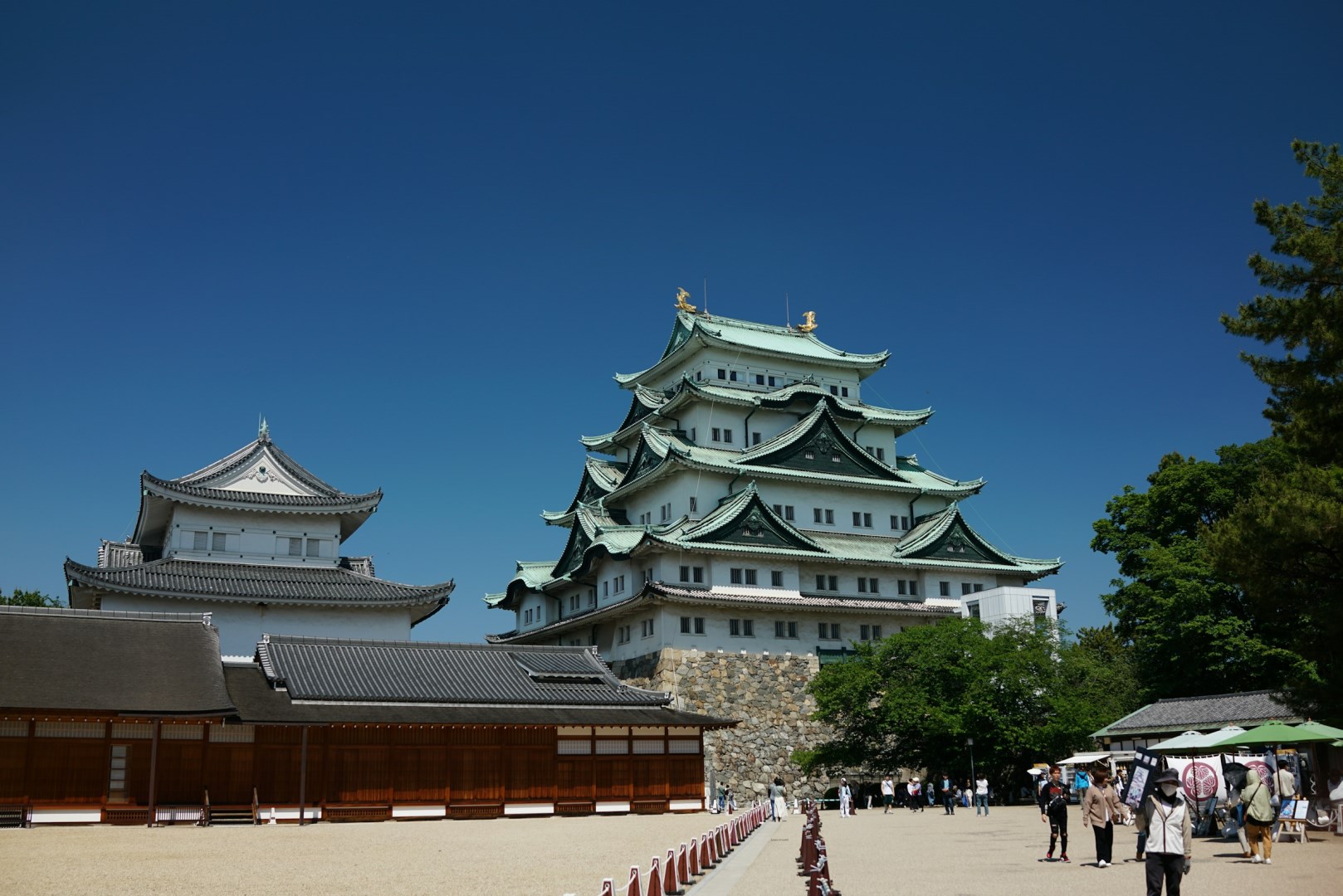
Nagoya
Nagoya’s charm lies in its ability to connect the past and future. Whether exploring historical landmarks, marveling at technological achievements, or indulging in the city’s distinct cuisine, visitors to Nagoya will find themselves immersed in a dynamic and unforgettable experience.

Norway
Norway offers a landscape shaped by glaciers, framed by fjords, and steeped in Viking history. The country's coastline stretches for over 100,000 kilometers if you count every inlet and island, which makes it one of the longest in the world. Travelers can take a ferry through the Geirangerfjord or cruise along the Lofoten Islands, where steep mountain peaks rise dramatically from the sea. These routes aren’t just scenic; they’ve been lifelines for coastal communities for centuries.
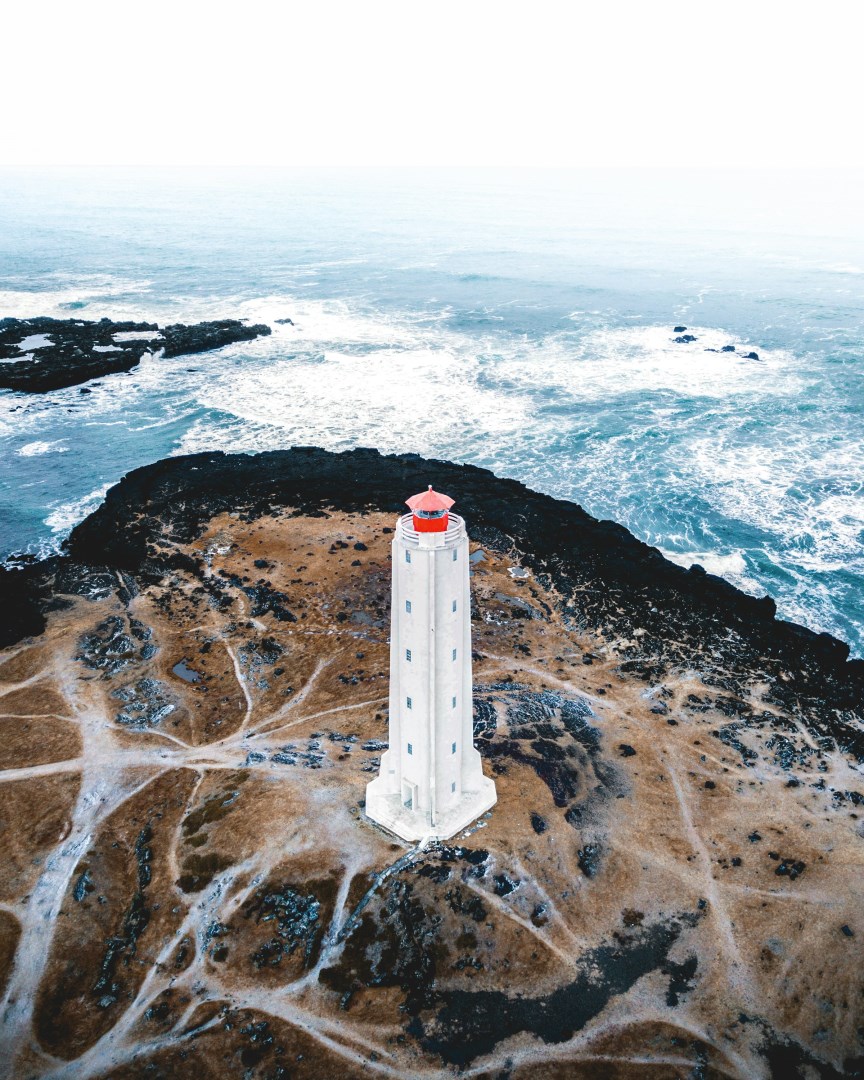
Snæfellsnes
The Snæfellsnes peninsula in western Iceland is sometimes referred to as "Iceland in Miniature" thanks to the many national sights found in the nearby area. The diverse landscape includes fascinating vistas of glistening fjords, dramatic volcanoes, and rugged seascapes.
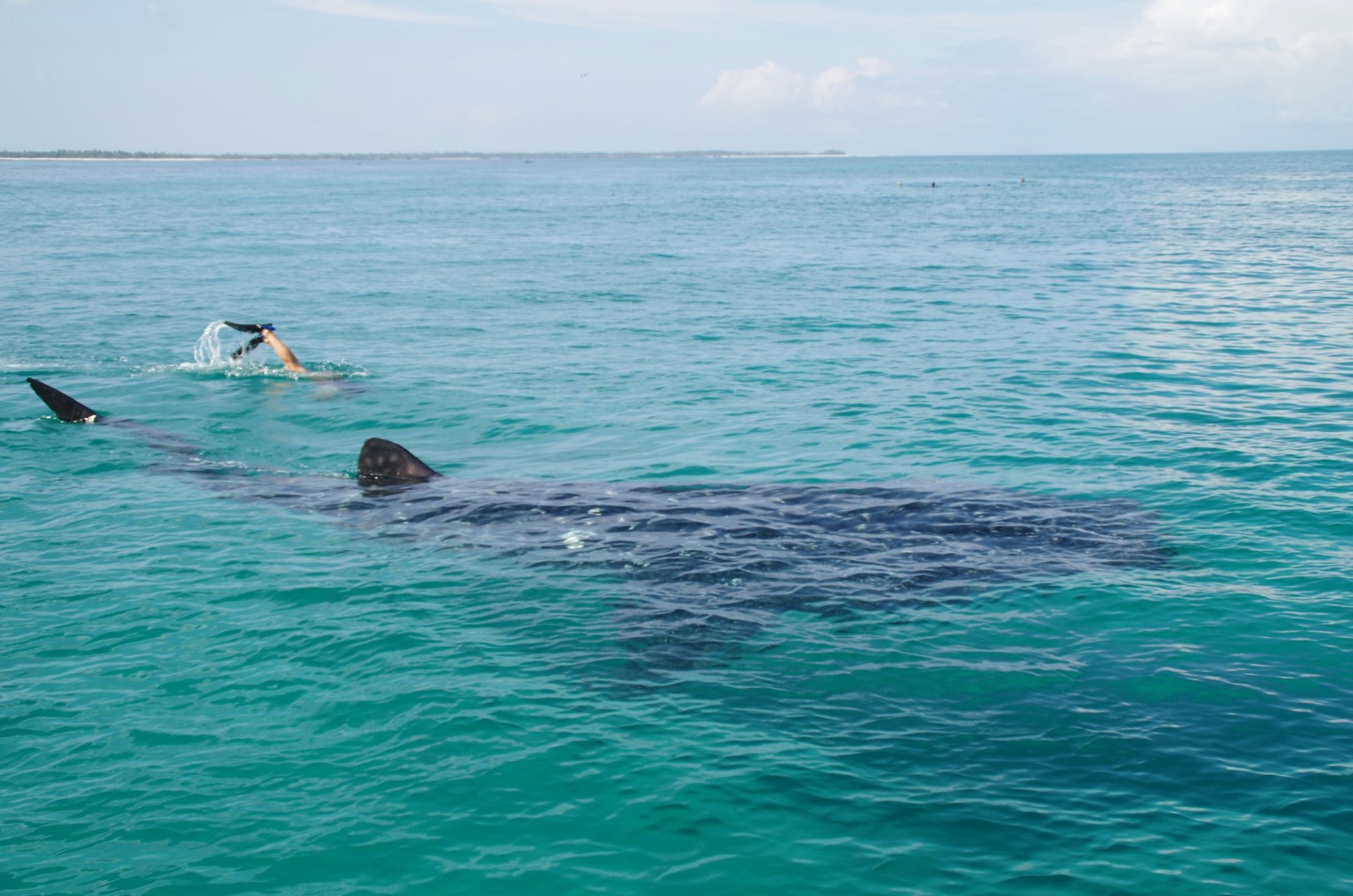
Mafia Island
Mafia Island is a coastal island in Tanzania’s Pwani Region, lying in the Indian Ocean opposite the Rufiji River Delta. It forms part of the Mafia Archipelago, which includes smaller islands such as Chole, Juani, Jibondo, and Bwejuu. Kilindoni is the main town and port, while Utende provides access to Mafia Island Marine Park.

Bar
Bar, a coastal town in Montenegro, is known for its scenic beaches and centuries-old landmarks. One of the town’s most significant historical sites is Stari Bar, an ancient fortress settlement set against the dramatic backdrop of Mount Rumija.
