

Punakha
Punakha sits in one of Bhutan’s most fertile valleys, cradled where the Mo Chhu and Pho Chhu rivers meet. For centuries it served as the kingdom’s capital and remains a place rich with stories woven through its fields, temples, and riverbanks. The city’s low elevation brings warmer weather than much of Bhutan’s highland regions, and rice paddies fill the landscape with vivid green during planting and golden hues at harvest.
Ann Arbor
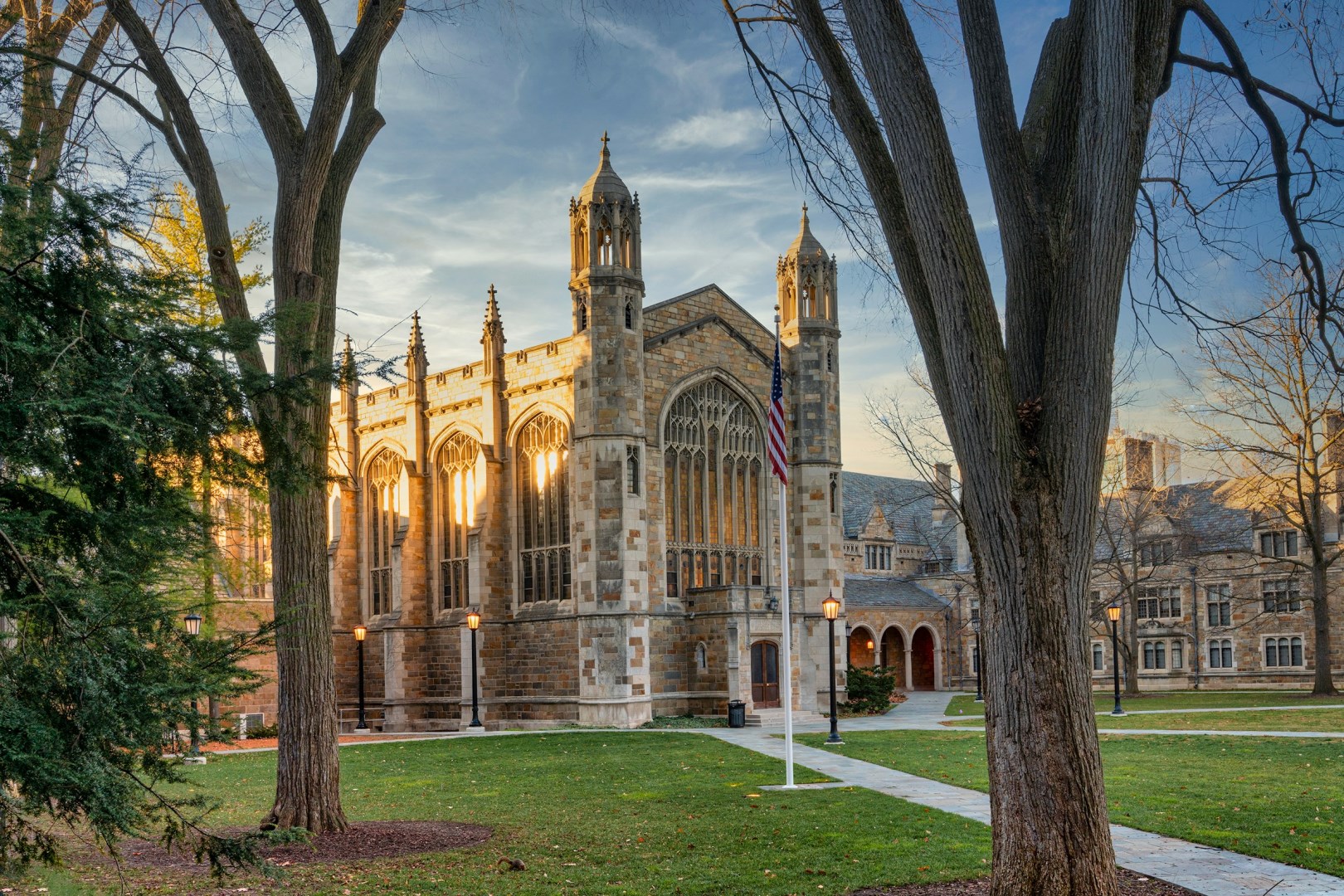
Long regarded as one of the freest-thinking college towns in the U.S., Ann Arbor is home to the University of Michigan, the Gerald R. Ford Presidential Library and Domino's Pizza. While you're in Ann Arbor, be certain to see the city's many fascinating historic buildings; the Kelsey Museum of Ancient and Medieval Archaeology; and Kerrytown (a diversity of specialty shops and eateries in restored 19th-century buildings close to the Farmers Market).
Marbella
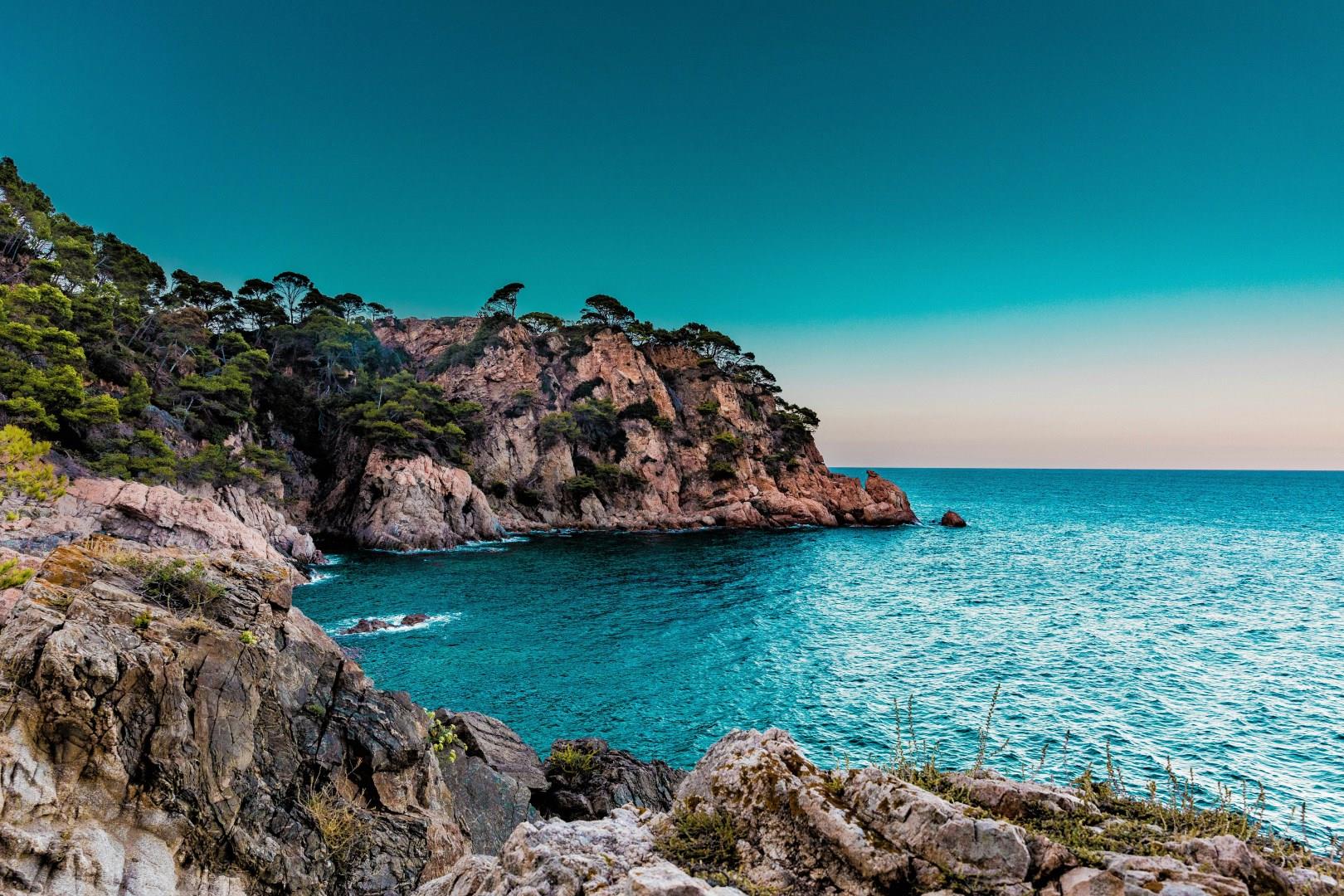
Marbella, located between the Mediterranean Sea and the Sierra Blanca mountains, is often associated with its luxury resorts and famous marina, Puerto Banús. But beyond the polished storefronts and designer yachts, the city has a layered past. Its old town, known as Casco Antiguo, is a well-preserved network of narrow streets built during Moorish rule, with whitewashed buildings, flower-filled balconies, and hidden plazas like Plaza de los Naranjos, which dates back to the 15th century.

Tartu
Tartu is celebrated for its vibrant cultural scene. The city's bustling Town Hall Square is surrounded by charming 18th-century buildings and hosts various events throughout the year. The Tartu Art Museum and the KGB Cells Museum offer fascinating insights into Estonia’s history and art.

Inside Passage
This coastal route runs between the Gulf of Alaska and Puget Sound, and is a popular route for cruise ships. Cruise passengers can expect to see a breathtaking amount of wildlife, as well as Ketchikan, Wrangell, Prince of Wales, Sitka, Juneau, Haines, Skagway and Glacier Bay.
