
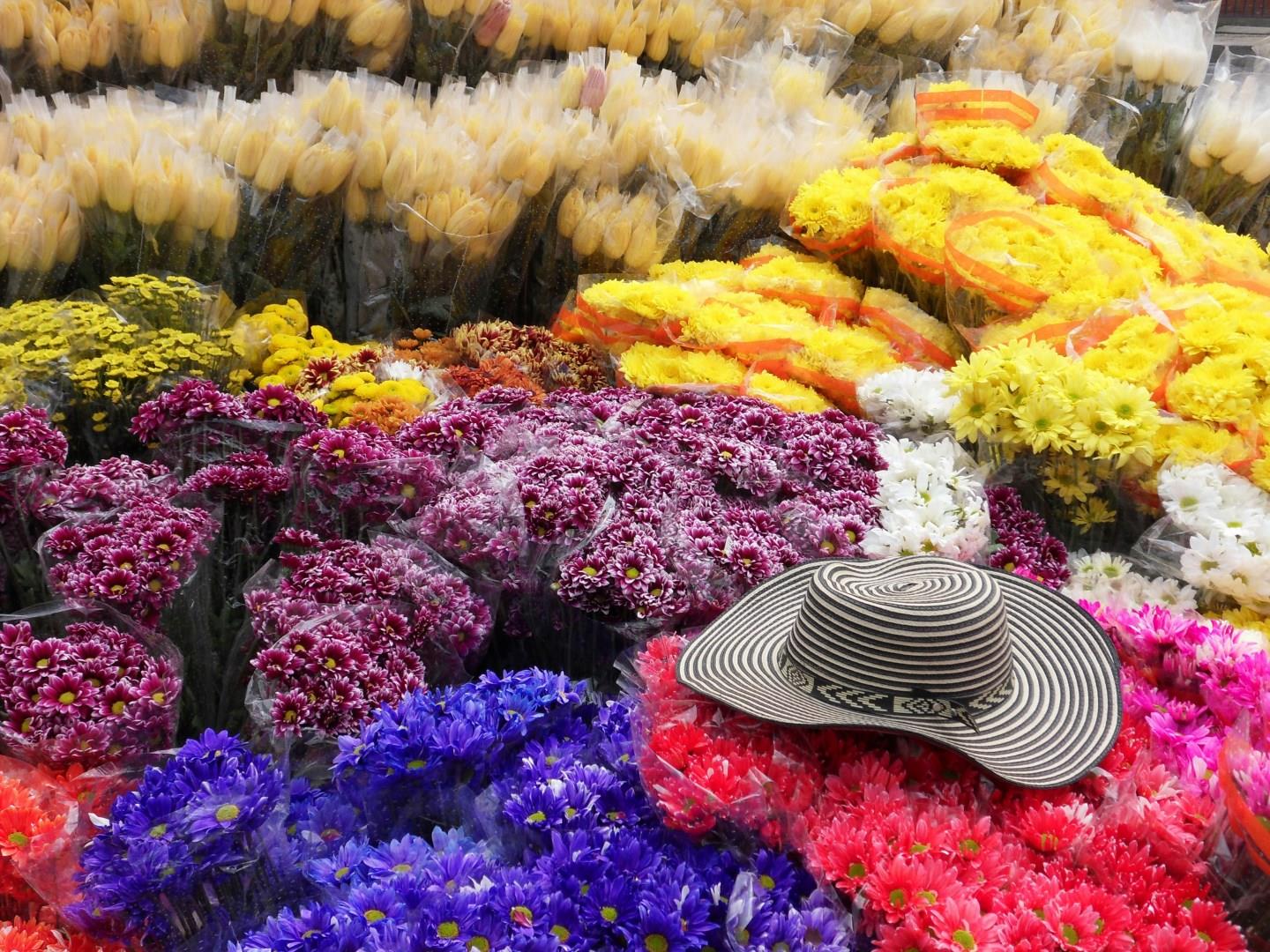
Bogotá
Bogotá, the vibrant capital of Colombia, sits high in the Andes at 2,640 meters above sea level. The city balances historic charm with modern energy, where cobblestone streets meet bold street art and colonial churches stand beside sleek galleries and cafes. At the heart of it all is La Candelaria, Bogotá’s oldest neighborhood, where travelers can visit centuries-old buildings, including the neoclassical Capitol and the richly decorated Gold Museum.

Gumbane
Gumbane is a rural community in southern Mozambique, in Inhambane Province, where sandy soils, woodland and cultivated plots shape much of the surrounding landscape.
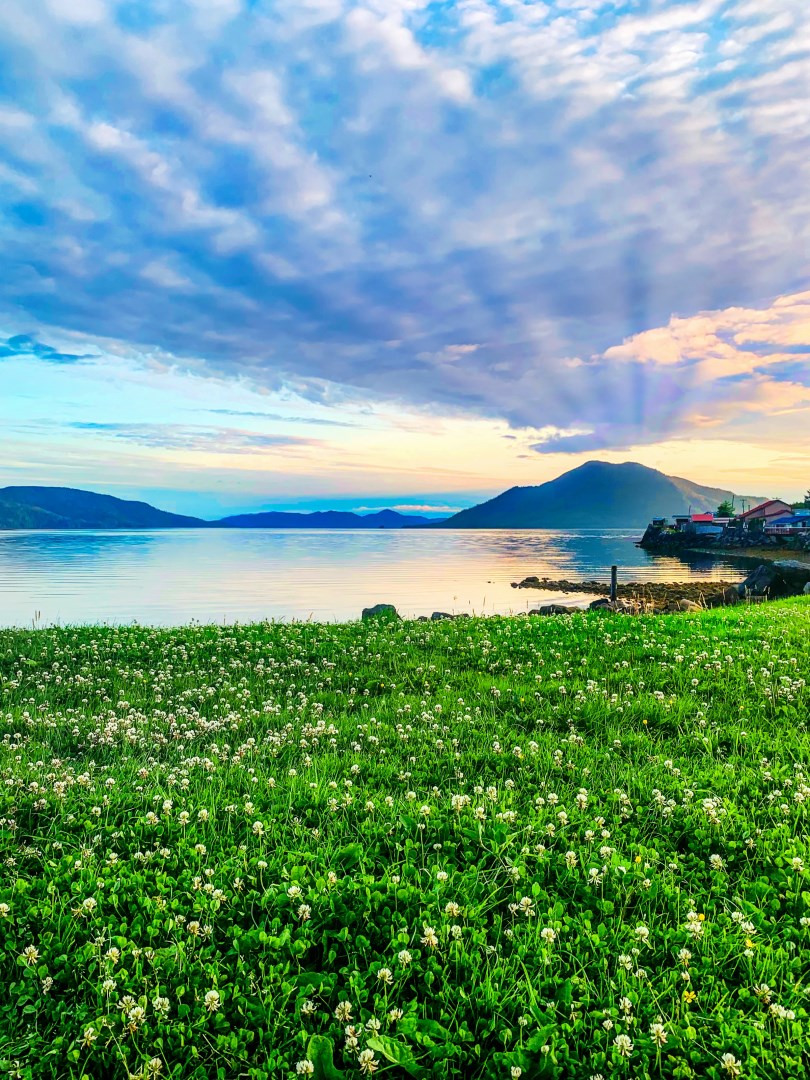
Prince of Wales Island
The island is dominated by a cool and moist maritime climate. During the summers, the average temperatures vary from 45 degrees to 75 degrees F. Yearly precipitation averages from 60" to 200" based on the exact locale.
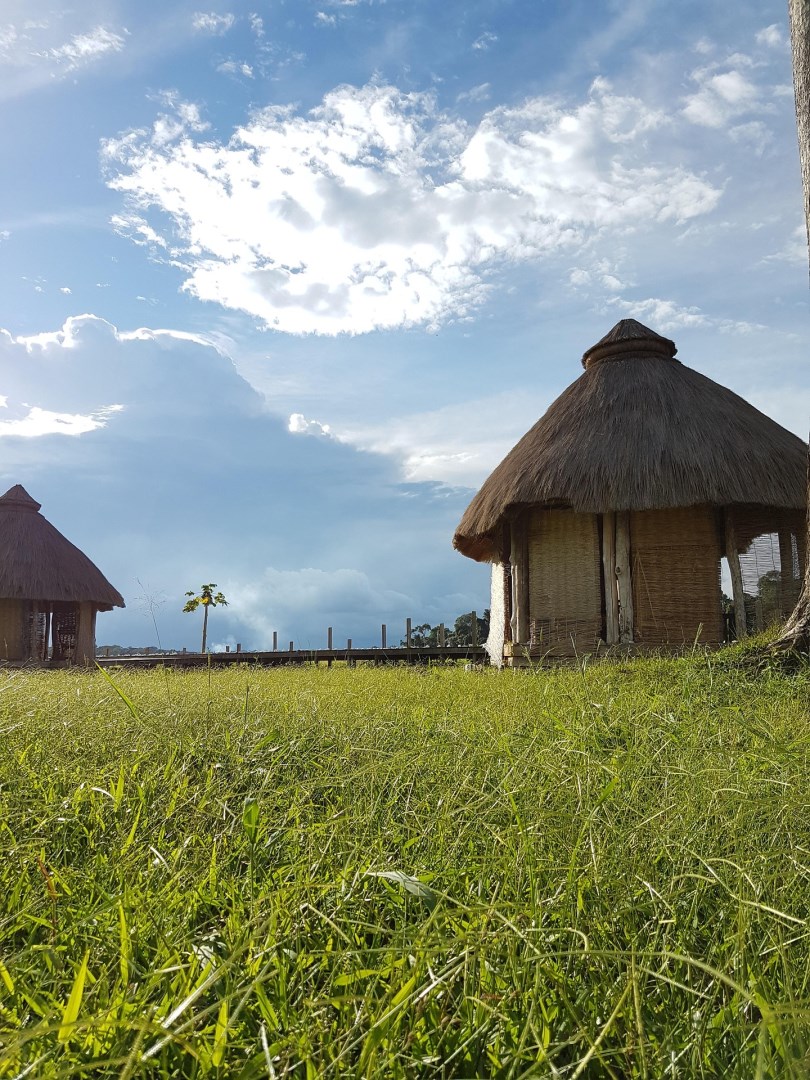
Cameroon
Cameroon is often called “Africa in miniature” for good reason. Within its borders, travelers can explore coastal beaches, dense rainforests, vast savannas, active volcanoes, and snow-capped peaks, all without crossing a border. The country’s most iconic landmark, Mount Cameroon, is the highest mountain in West Africa and an active volcano that draws hikers from around the world.
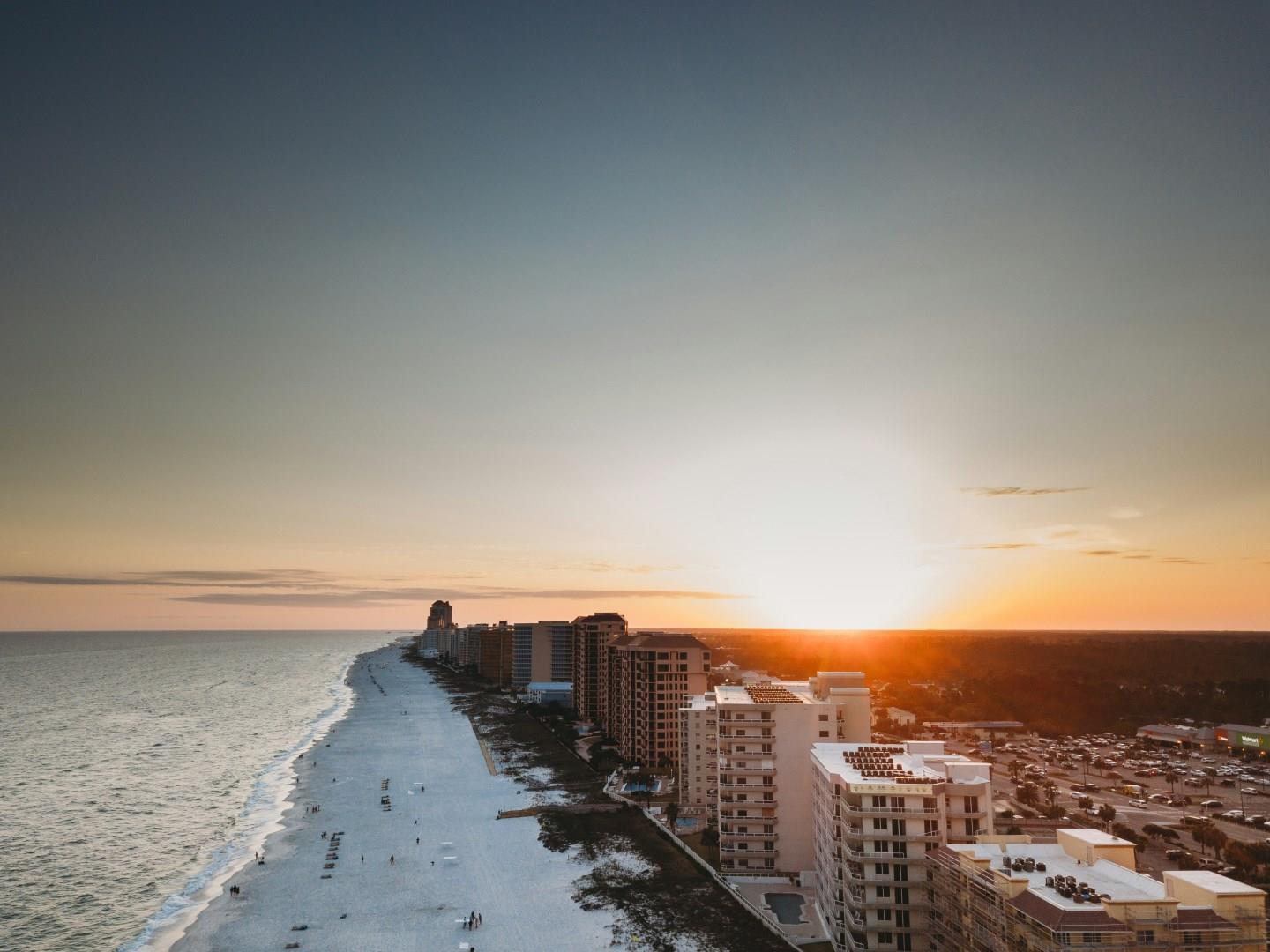
Orange Beach
Orange Beach is a coastal city in southern Alabama, located along the Gulf of Mexico between Gulf Shores and Perdido Key. It is known for wide sandy beaches, coastal dunes, inland bays, and waterways that support boating and fishing. The city extends along a narrow barrier-island setting, with residential areas, restaurants, marinas, and recreation facilities close to the water. Cotton Bayou, Terry Cove, and Wolf Bay provide access to calmer inland waters, while the Gulf shoreline offers a diffe
