

Port Elizabeth
Port Elizabeth, set along the beautiful shores of Algoa Bay, is located on the south eastern coast of Africa, and is a major tourist destination better known as the Friendly City! The city offers the best mix of eco-attractions as a holiday destination with a rich diversity: scenic nature trails and wildlife experiences, long golden beaches, historic heritage and a unique coastal climate.

India
Considered a hub for the world’s information technology industry, India is a major player in the global economy, and its cosmopolitan cities, including Delhi and Mumbai, offer a mosaic of modern and historic architectural styles for locals and visitors alike to enjoy.
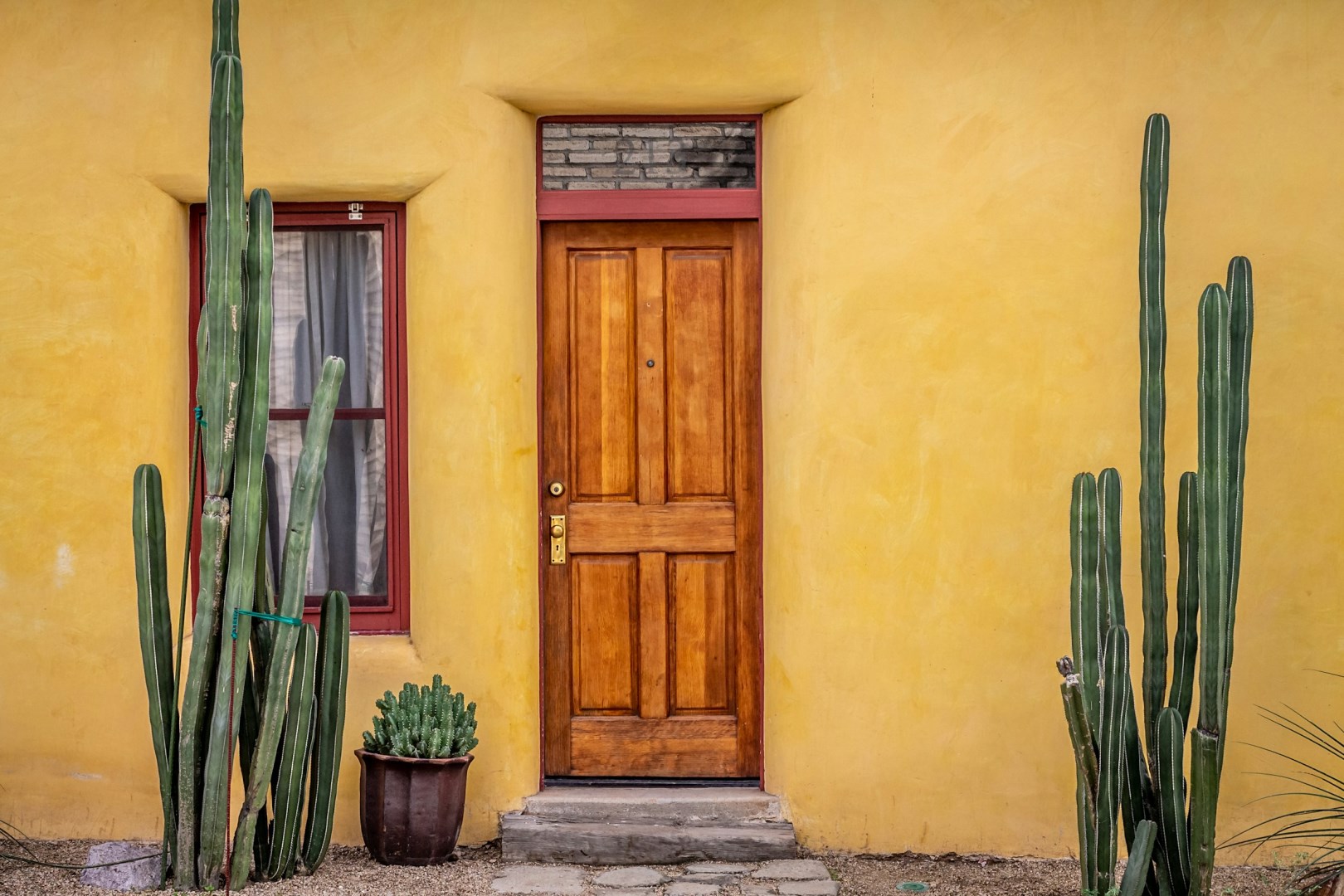
Tucson
The second largest city in Arizona, Tucson offers great weather, golf resorts, old western towns and much more.
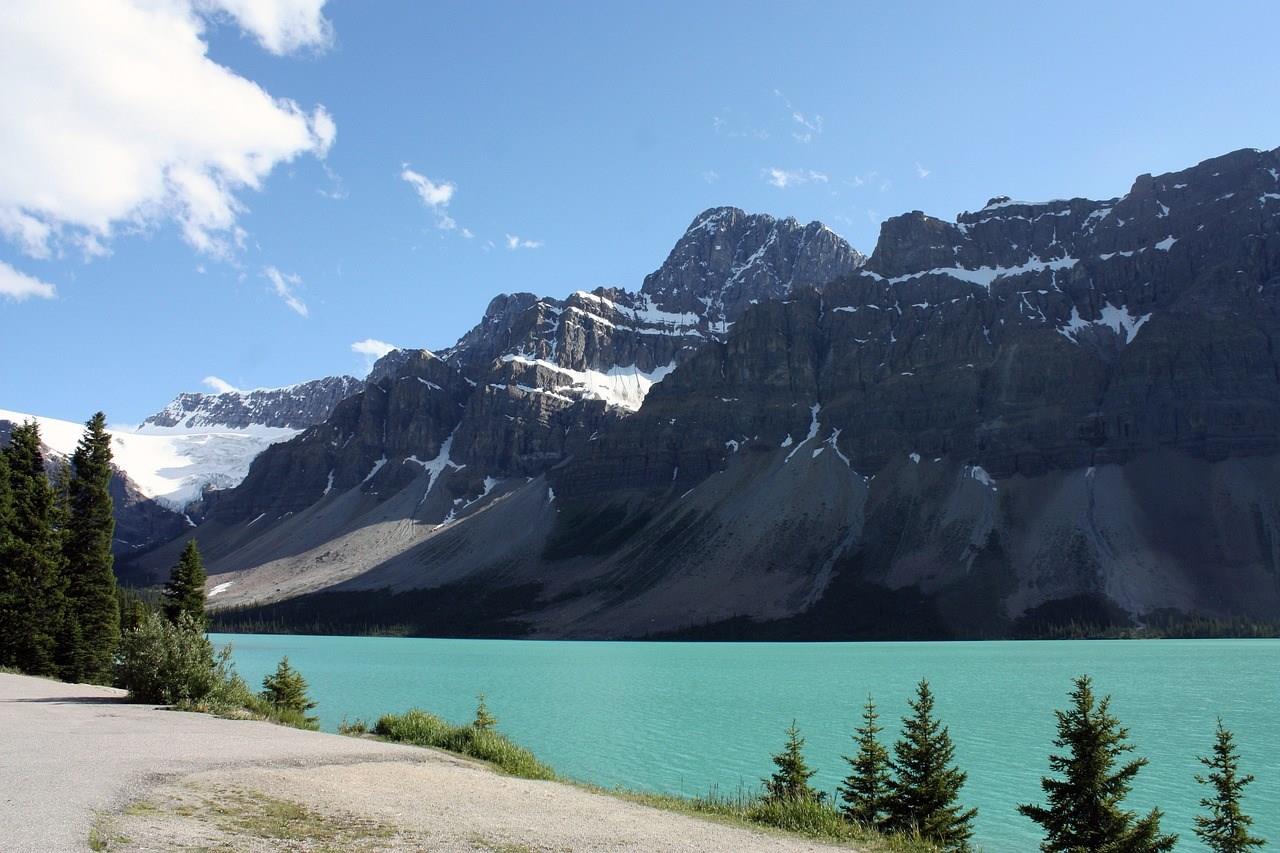
Jasper National Park
Jasper National Park, located in the heart of the Canadian Rockies in Alberta, is a breathtaking destination known for its stunning natural beauty and diverse wildlife. Spanning over 11,000 square kilometers, it is the largest national park in the Canadian Rockies and offers a wide range of outdoor activities such as hiking, camping, and wildlife viewing.
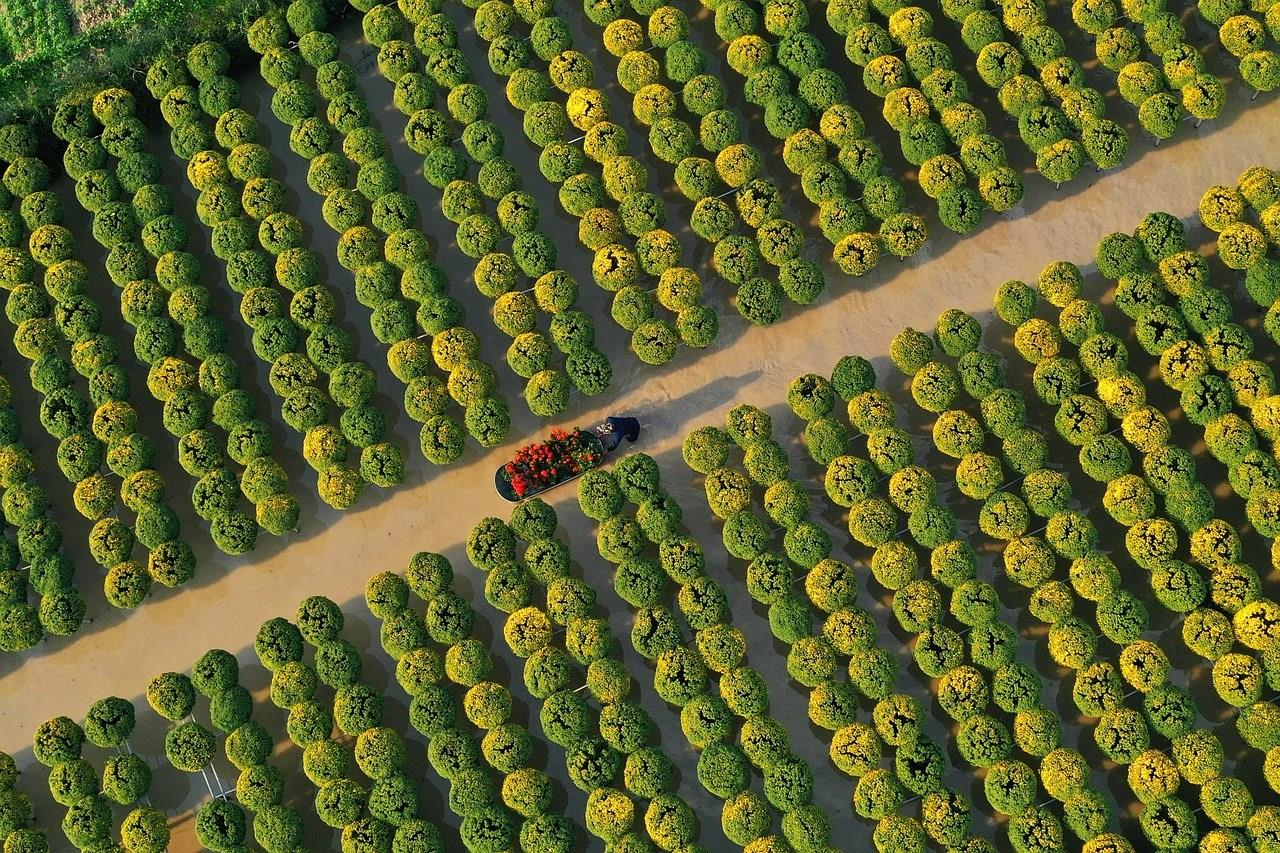
Sa Dec
A lesser-known river port in the Mekong Delta, Sa Dec was once the capital of Dong Thap province of southern Vietnam. Today, it is best known for its flower gardens and authentic bustling market. The city is also famous as the setting for French writer Marguerite Duras' 1984 novel, The Lover, and its 1991 film adaptation of the same name.
