
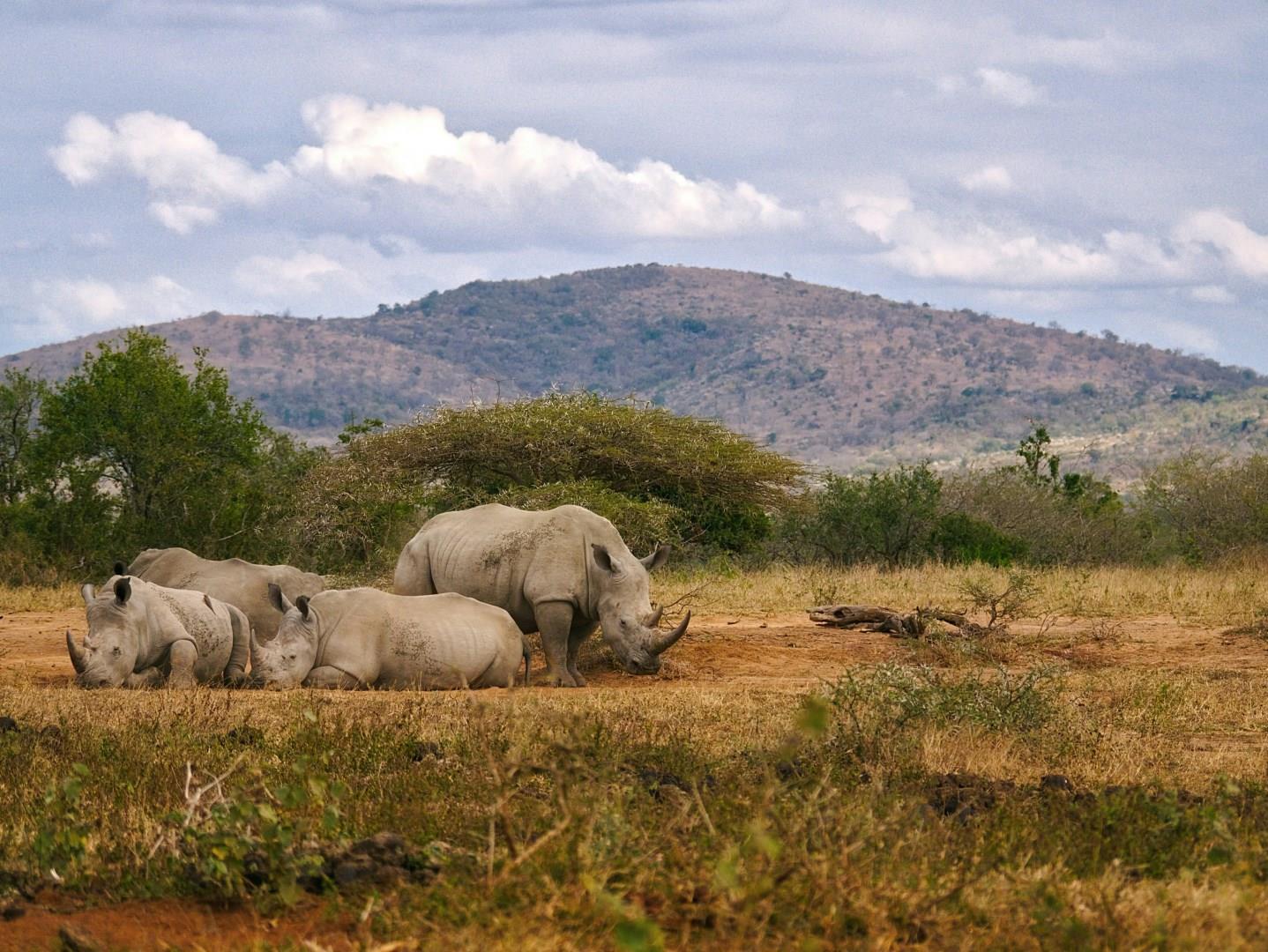
Hluhluwe-iMfolozi Park
Hluhluwe–iMfolozi Park, in South Africa’s KwaZulu-Natal province, is one of the country’s oldest protected areas and holds deep historical importance in conservation.
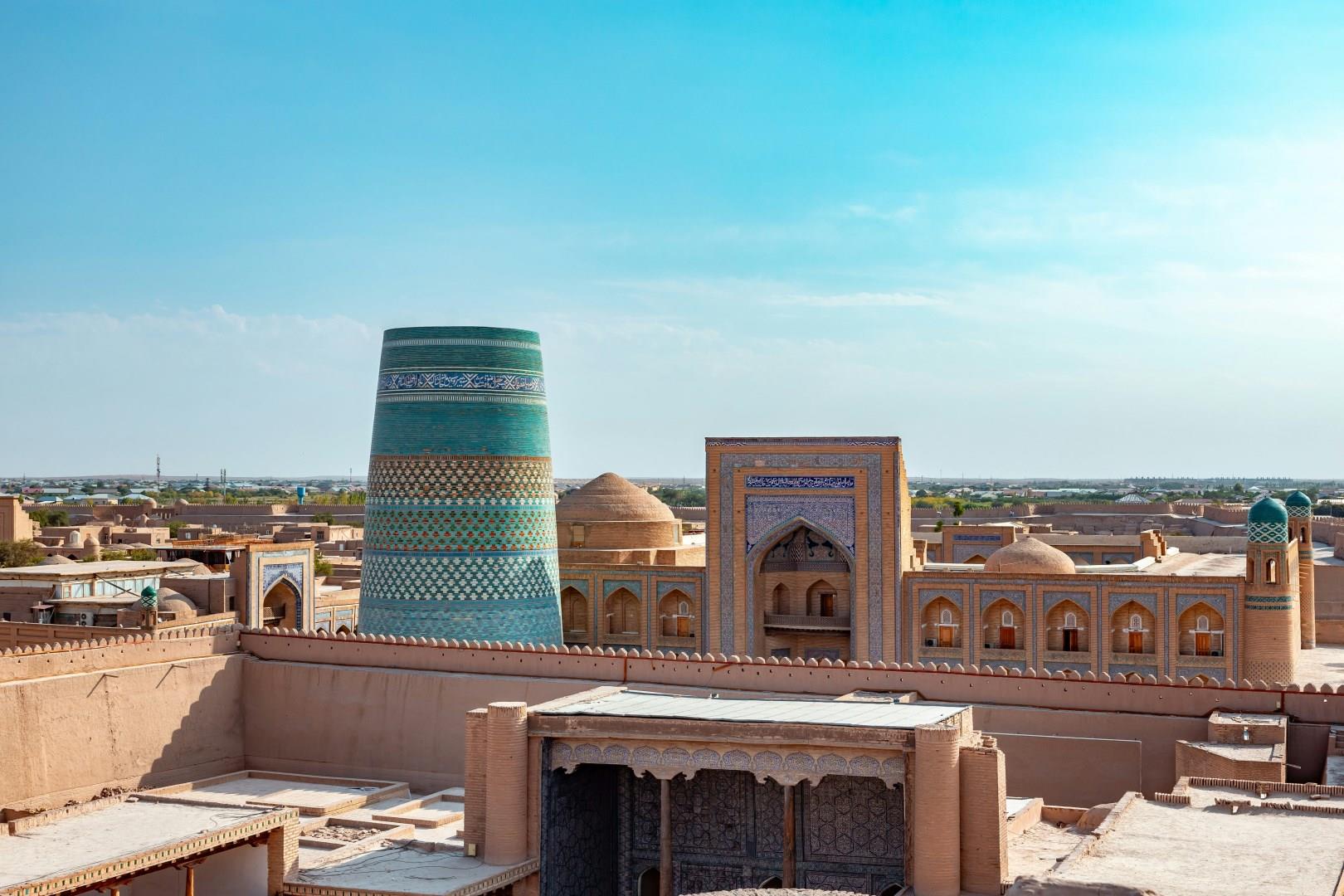
Khiva
Khiva, located in western Uzbekistan’s Khorezm region, is one of Central Asia’s most evocative Silk Road cities. Its walled inner city, known as the Itchan Kala, has preserved a remarkable collection of mud-brick architecture, minarets, mosques, and madrasahs that reflect centuries of Islamic culture and trade. Khiva served as a thriving trading hub and political center, linking merchants and scholars across the desert routes of the region.
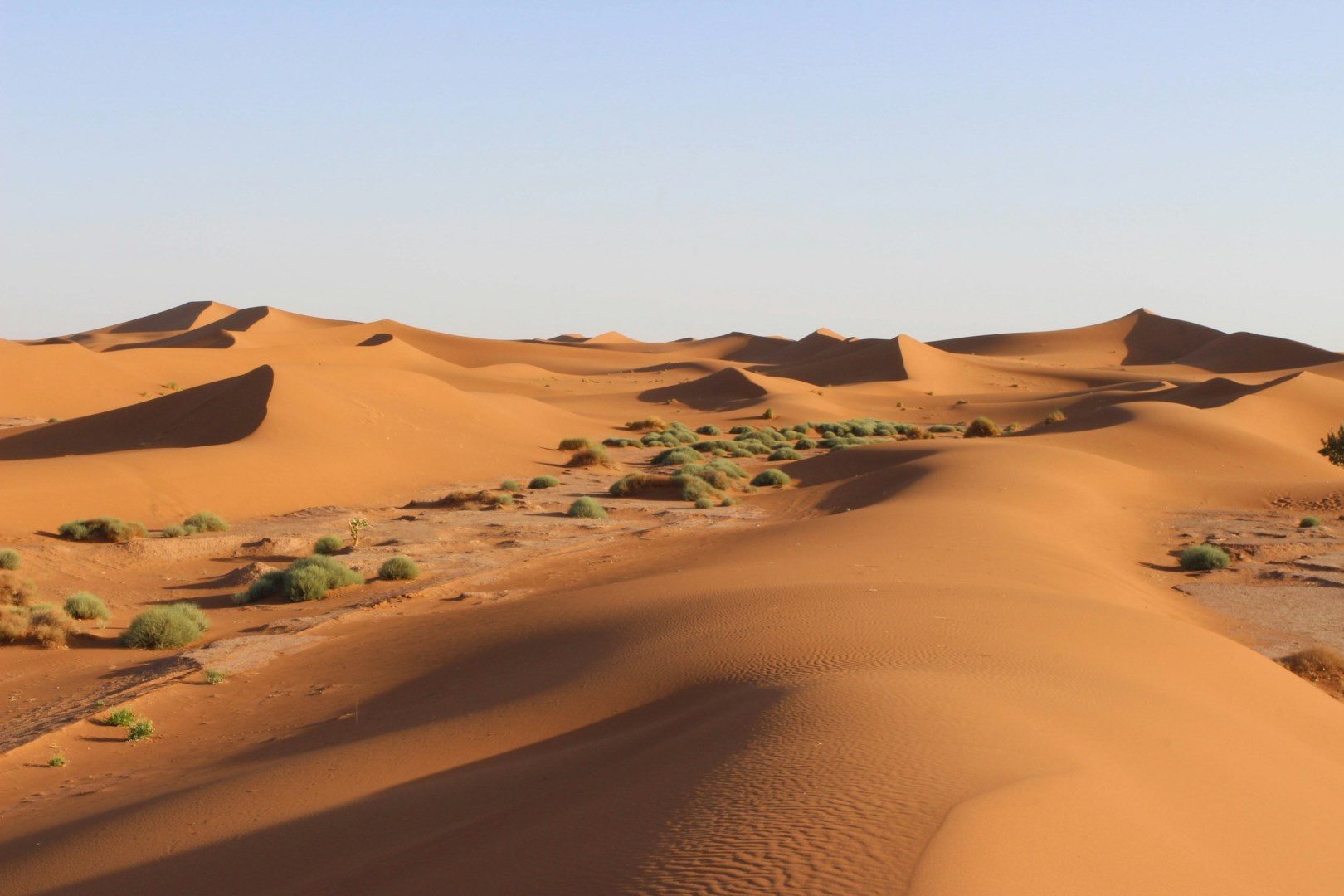
Erg Chigaga
Erg Chigaga is a remote field of large sand dunes in southeastern Morocco, extending across the Sahara near M'Hamid El Ghizlane in the Drâa Valley. It is one of the country’s largest dune areas, with sand ridges spread across a broad desert landscape far from major settlements. Some dunes rise to around 60 metres, while the surrounding terrain alternates between sand, gravel plains, and dry desert vegetation.

Manaus
Manaus, capital of Brazil’s Amazonas state, is a city that rises unexpectedly from the rainforest. Once the center of the global rubber boom in the late 1800s, Manaus still holds onto that legacy with surprising elegance. The Teatro Amazonas, an opulent opera house imported piece by piece from Europe, sits at the heart of the city, its pink façade and domed roof tiled in the colors of the Brazilian flag. Today, it hosts concerts, festivals, and curious visitors eager to step back in time.
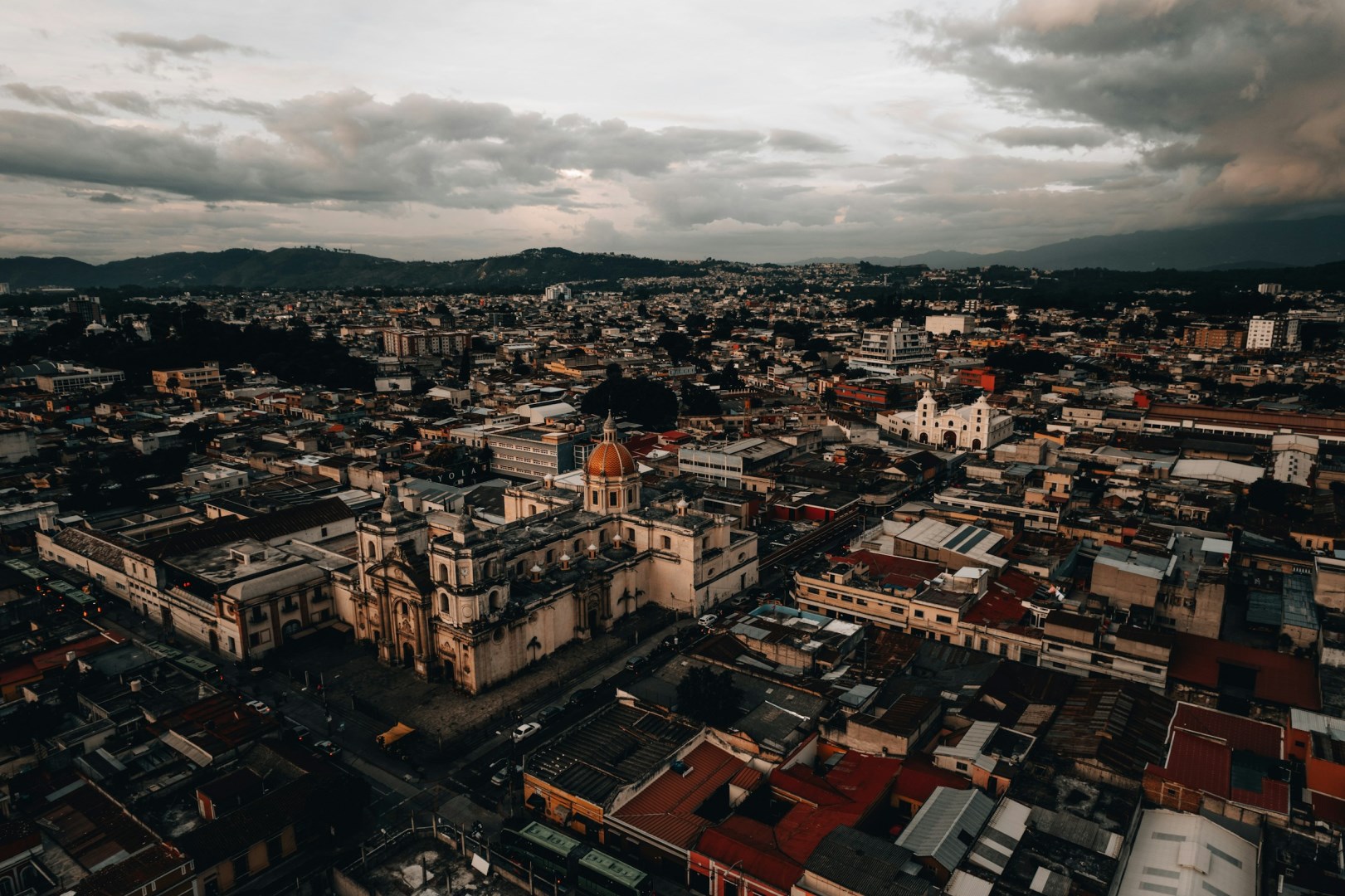
Guatemala City
In the newer area you will find excellent hotels, chic shops, and good restaurants. Near the old downtown commercial center, behind the Catedral Metropolitana, and a block off Central Park, the Central Market where everything made or produced in the country is sold.
