
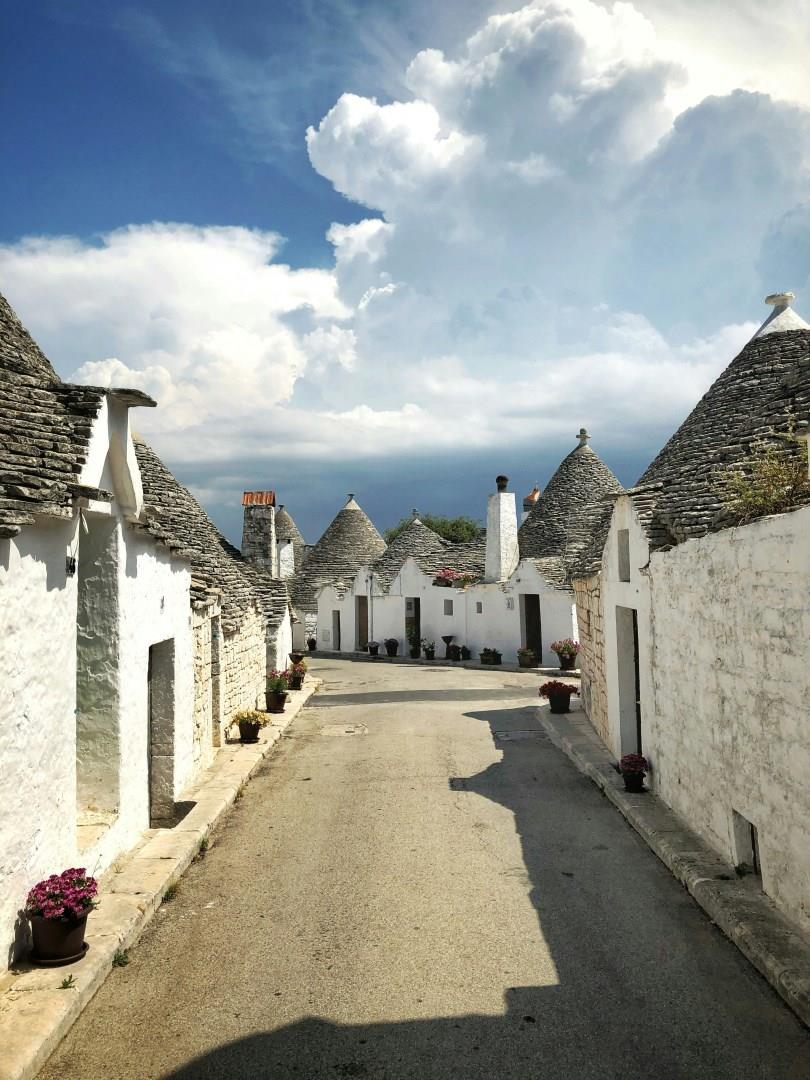
Alberobello
Alberobello in southern Italy’s Puglia region captures the imagination with its distinctive trulli houses. These structures were built using a dry-stone technique passed down over centuries, without mortar or cement, and their unique form comes from layer upon layer of limestone nestled from nearby fields. Alberobello’s trulli are so remarkable that in 1996 the historic center was inscribed as a UNESCO World Heritage Site, where more than 1,600 of these buildings still stand.
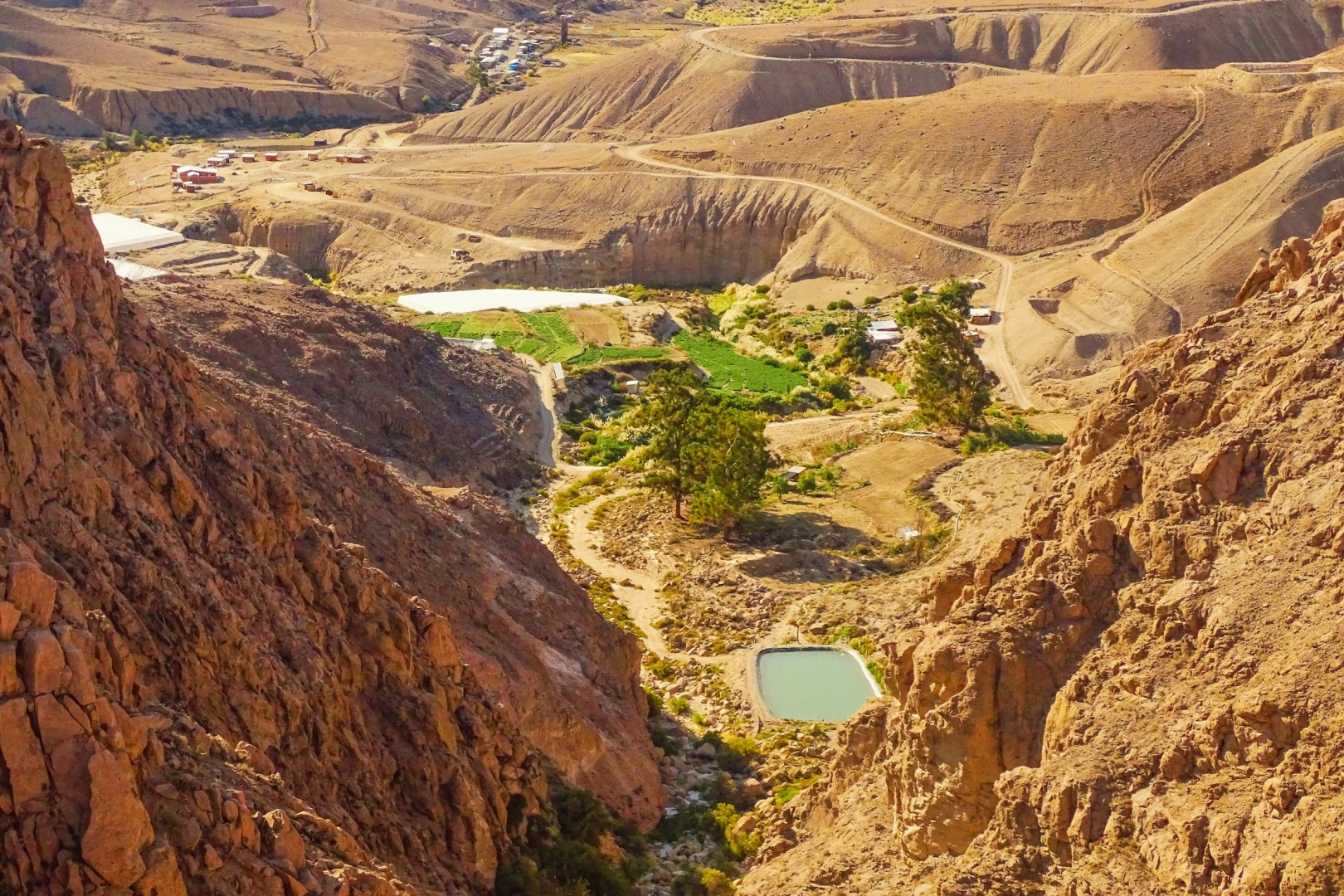
Arica
At Chile's northernmost end, the dizzying railway from high Bolivia comes down to the sea. Arica, the City of Eternal Spring, has a population of 169,000. and is located in the Atacama Desert. See San Marcos Cathedral, designed by Gustave Eiffel, and marvel at Pre-Incan relics in the City Museum. Or leave the city to venutre to the White City of Arequipa, the Incan capital of Cuzco and Machu Picchu and the ancient Inca city in the clouds.
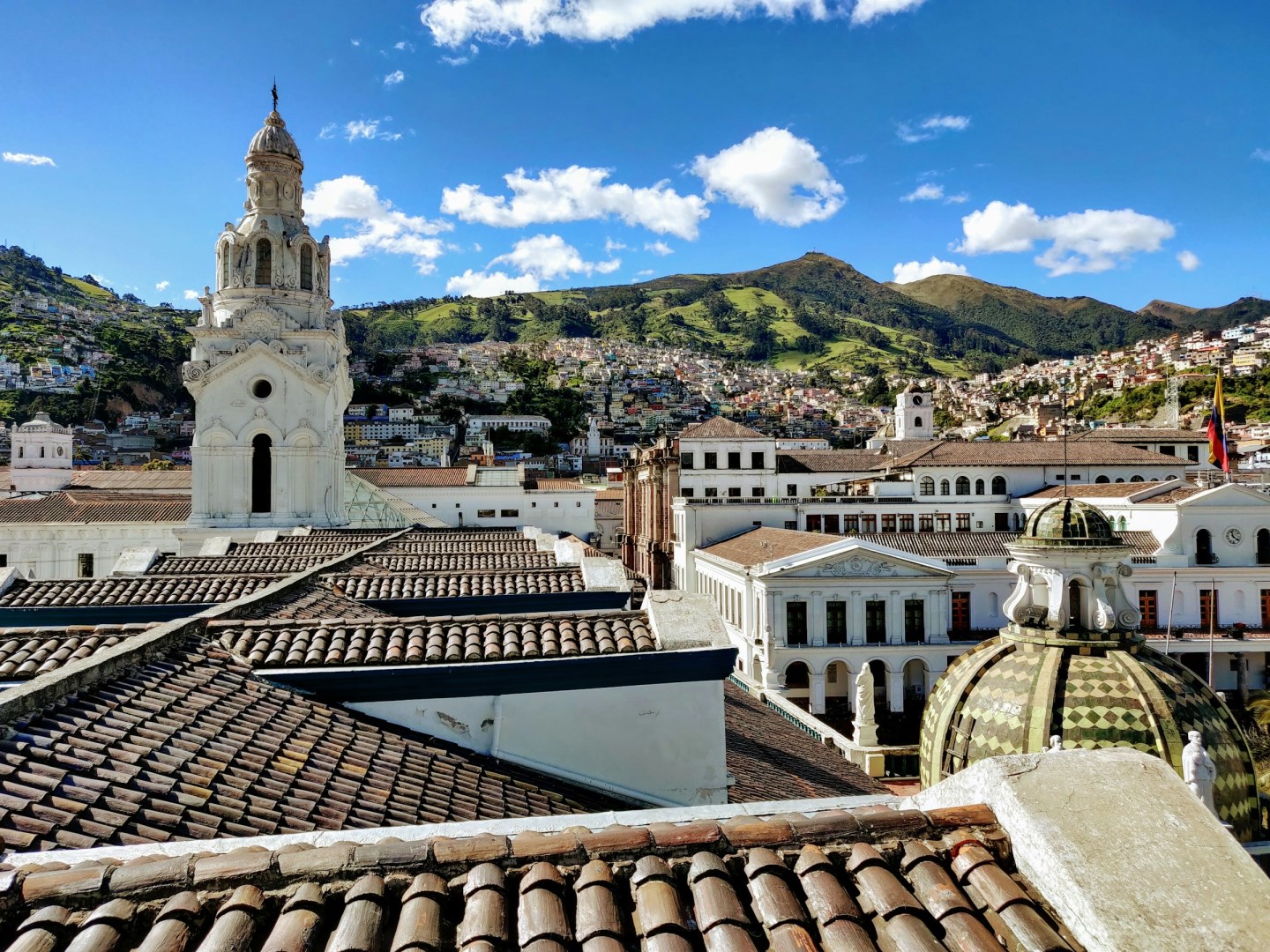
Quito
Situated on the equator and nestled beneath an imposing volcano, the rugged, sprawling, and vibrant city of Quito offers adventure galore. A South American gem and Ecuador’s capital, Quito combines the best of its Incan and Spanish influences in fascinating cultural attractions, and the city’s surrounding natural beauty will surely astound you.
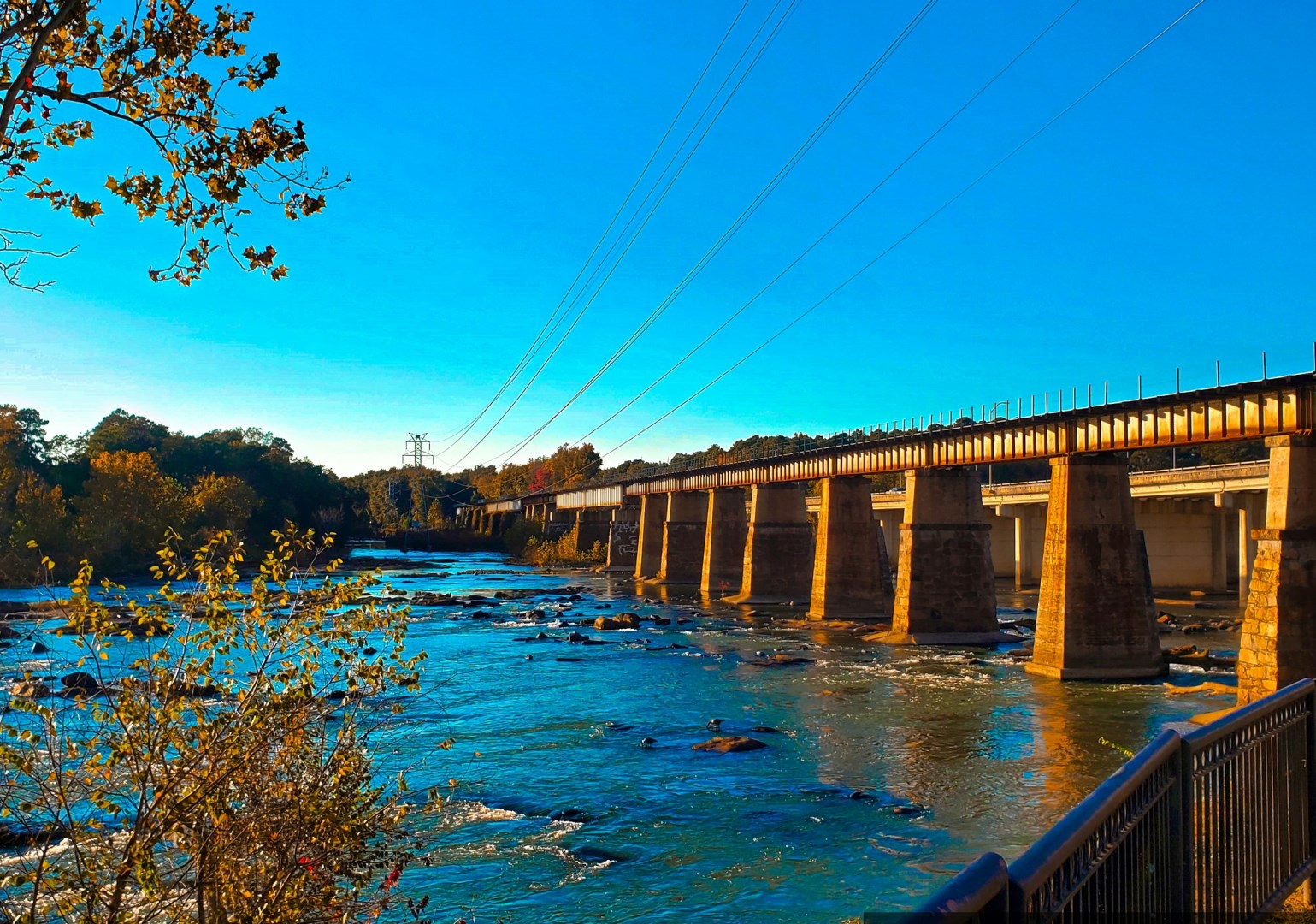
Columbia
Capital city of the state of South Carolina in the southeastern United States.

Garden of the Gods
Garden of the Gods, located in Colorado Springs, is a breathtaking natural wonder renowned for its stunning red rock formations and striking geological features. This public park is famous for its towering sandstone spires, some reaching heights of over 300 feet, which create a dramatic contrast against the backdrop of the snow-capped Pikes Peak.
