
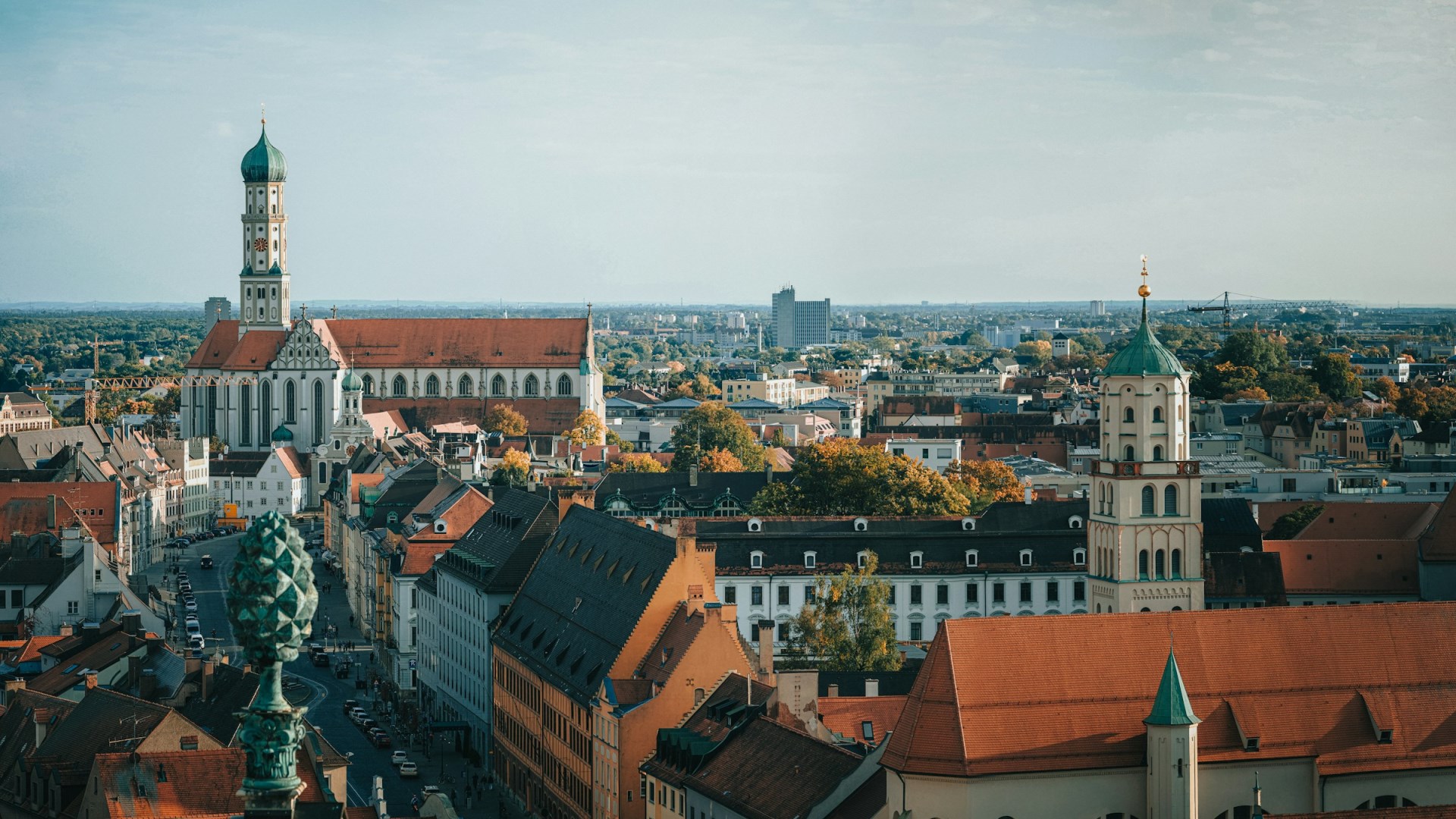
Augsburg
Augsburg was founded in 15 BC under the rule of the Roman emperor Augustus. For 400 years the city was the seat of a provincial government of the Roman empire. Its ideal location made it a crossroad of all important routes to the south. An advantage from which the powerful merchants and bankers, the Fugger family and the seafaring Welsers, likewise profited. They elevated Augsburg to rank among the world's most powerful cities. Kings and emperors were frequent guests here.
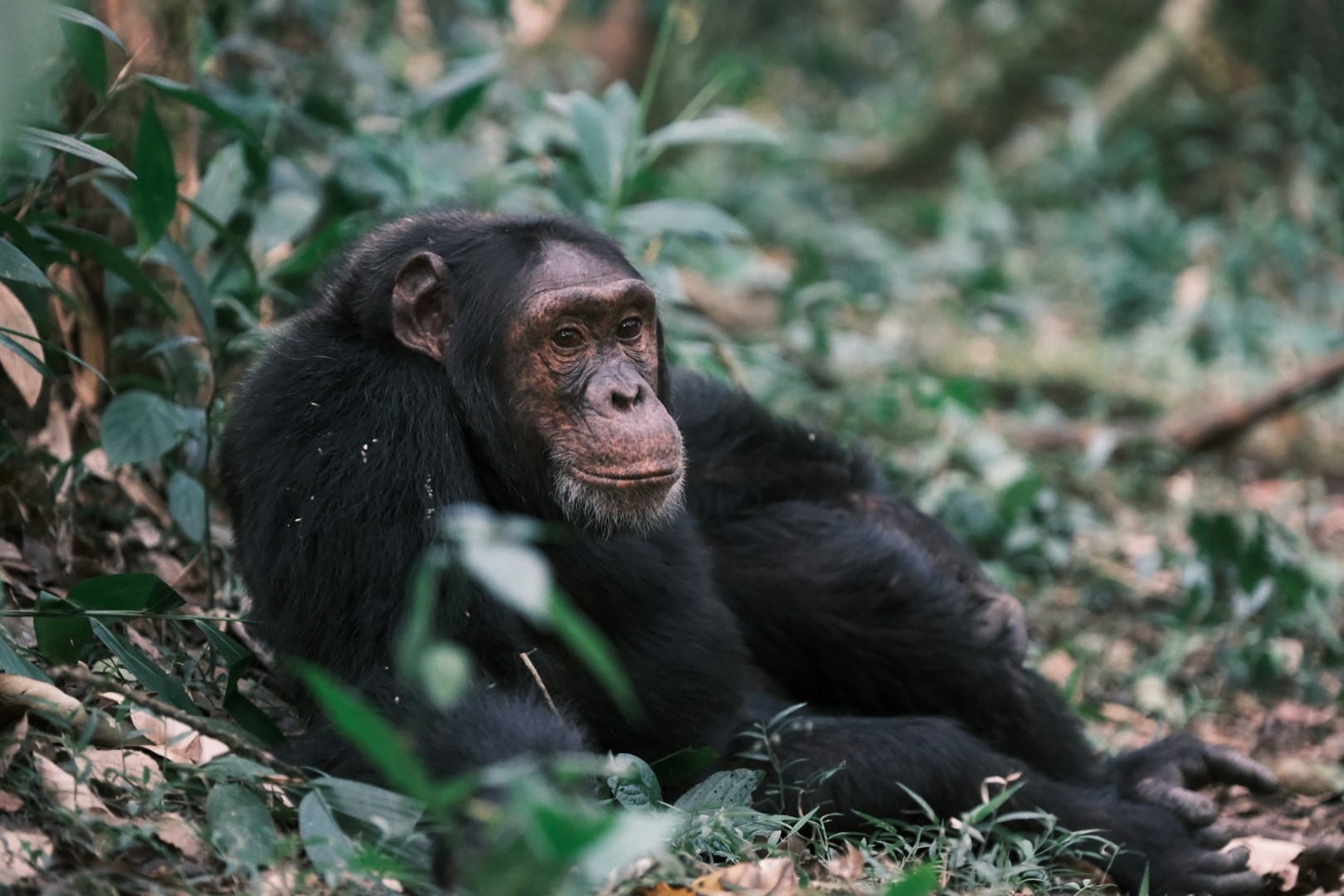
Kibale Forest National Park
This National Park is located 35km south of Fort Portal and is home to monkeys, chimpanzees, baboons, bushbuck, elephants, birds and many varieties of butterflies. A four wheel drive is recommended.
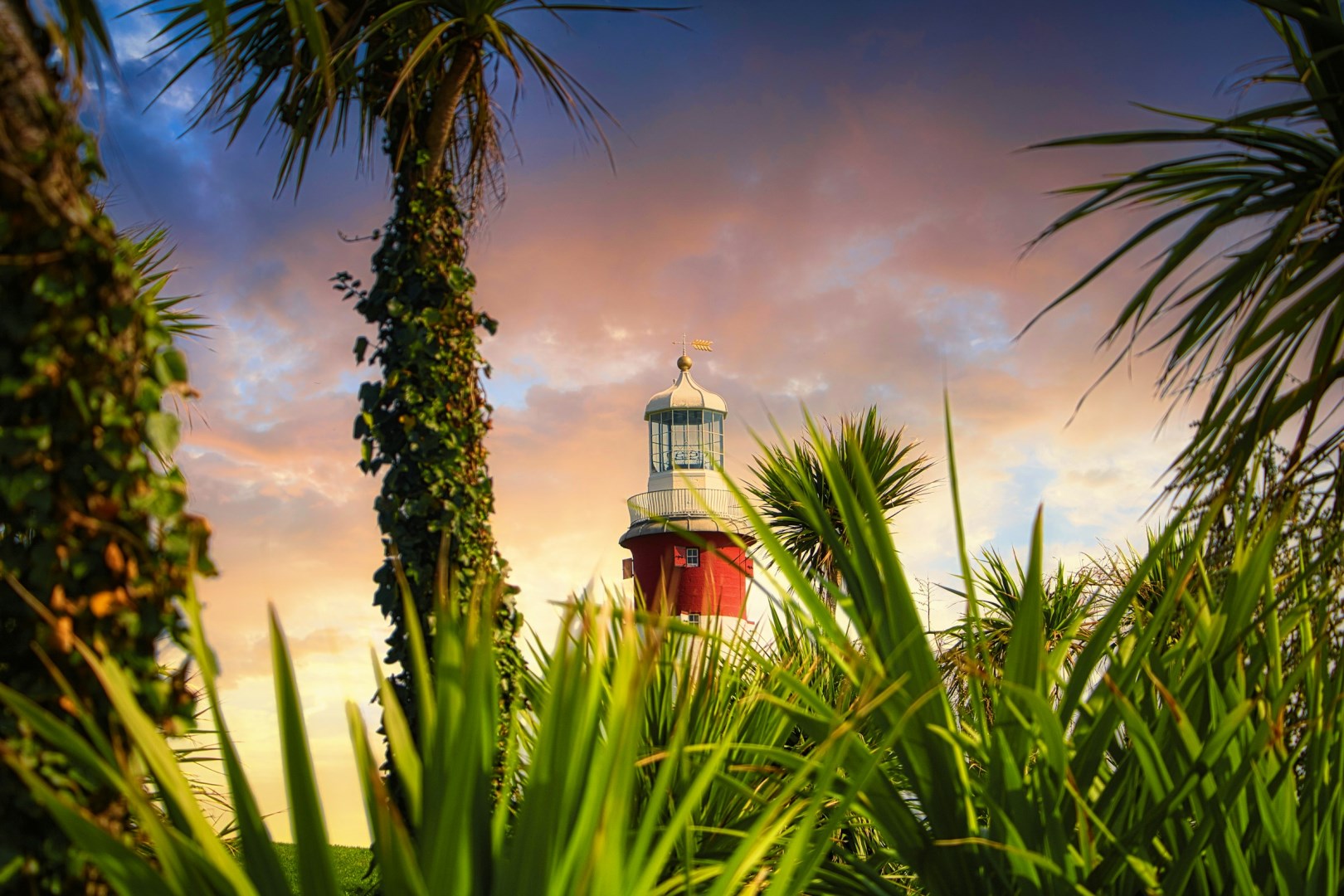
Plymouth
Plymouth sits on England’s southwest coast, where the River Plym meets the sea, forming a wide natural harbor that has shaped the city’s identity for generations. The waterfront remains central to daily life, with views stretching across Plymouth Sound and boats moving in and out of the marina. Visitors often begin along the historic Barbican, an area of narrow streets and old buildings that survived past conflicts and now house independent shops, galleries, and small cafés.
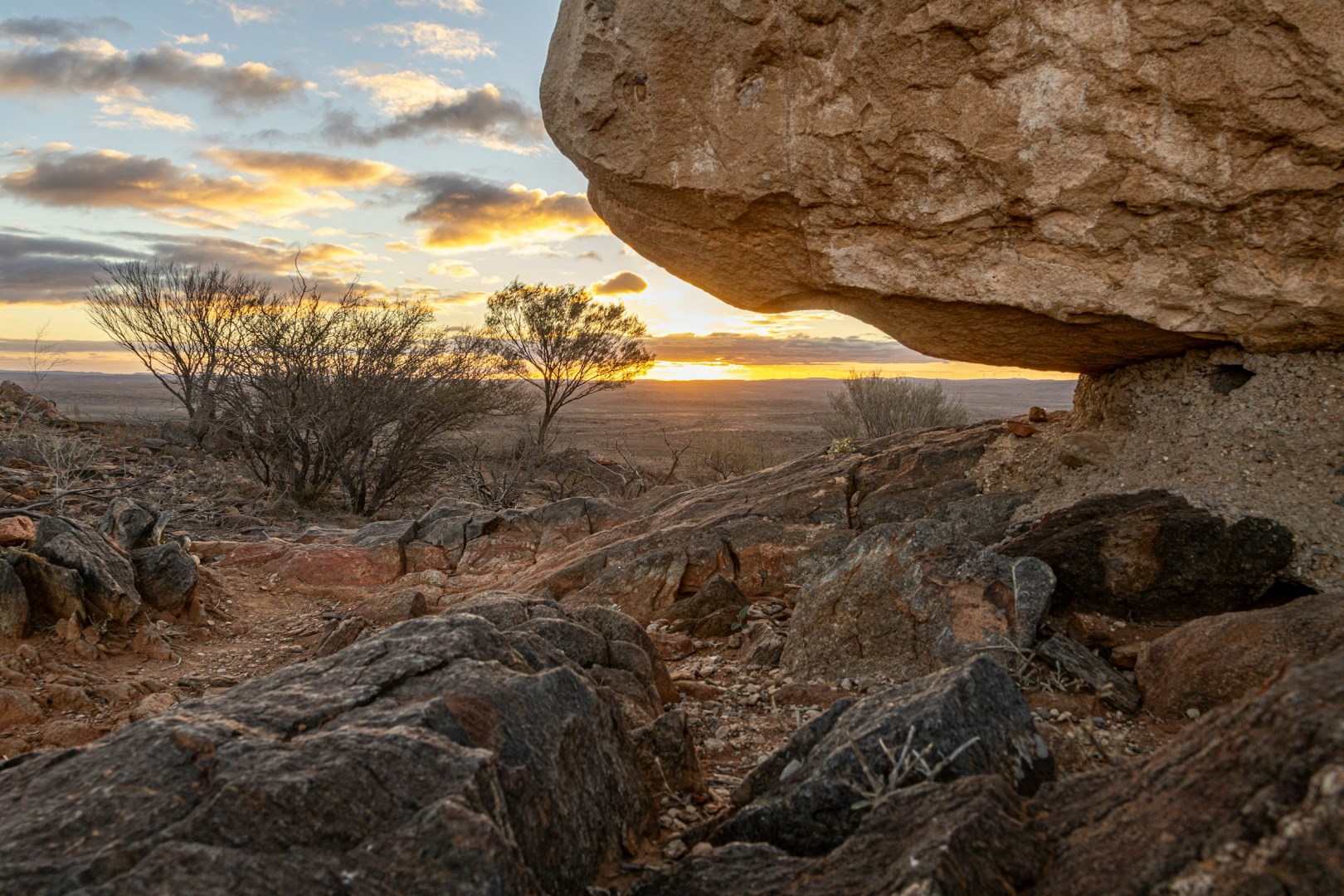
Broken Hill
Broken Hill is a mining town which is also very popular amongst Australian artists. The town is known as ‘Silver City’ and still mines for Silver, lead and zinc today. However there is only one mine that is still open today. When you get here be prepared to change your watches.

Kom Ombo
Kom Ombo, a hidden gem along the Nile River in southern Egypt, is a destination that seamlessly blends ancient history, captivating architecture, and scenic beauty. This charming town is renowned for the Temple of Kom Ombo, a unique double temple dedicated to two deities: Sobek, the crocodile god, and Horus, the falcon-headed god of the sky.
