
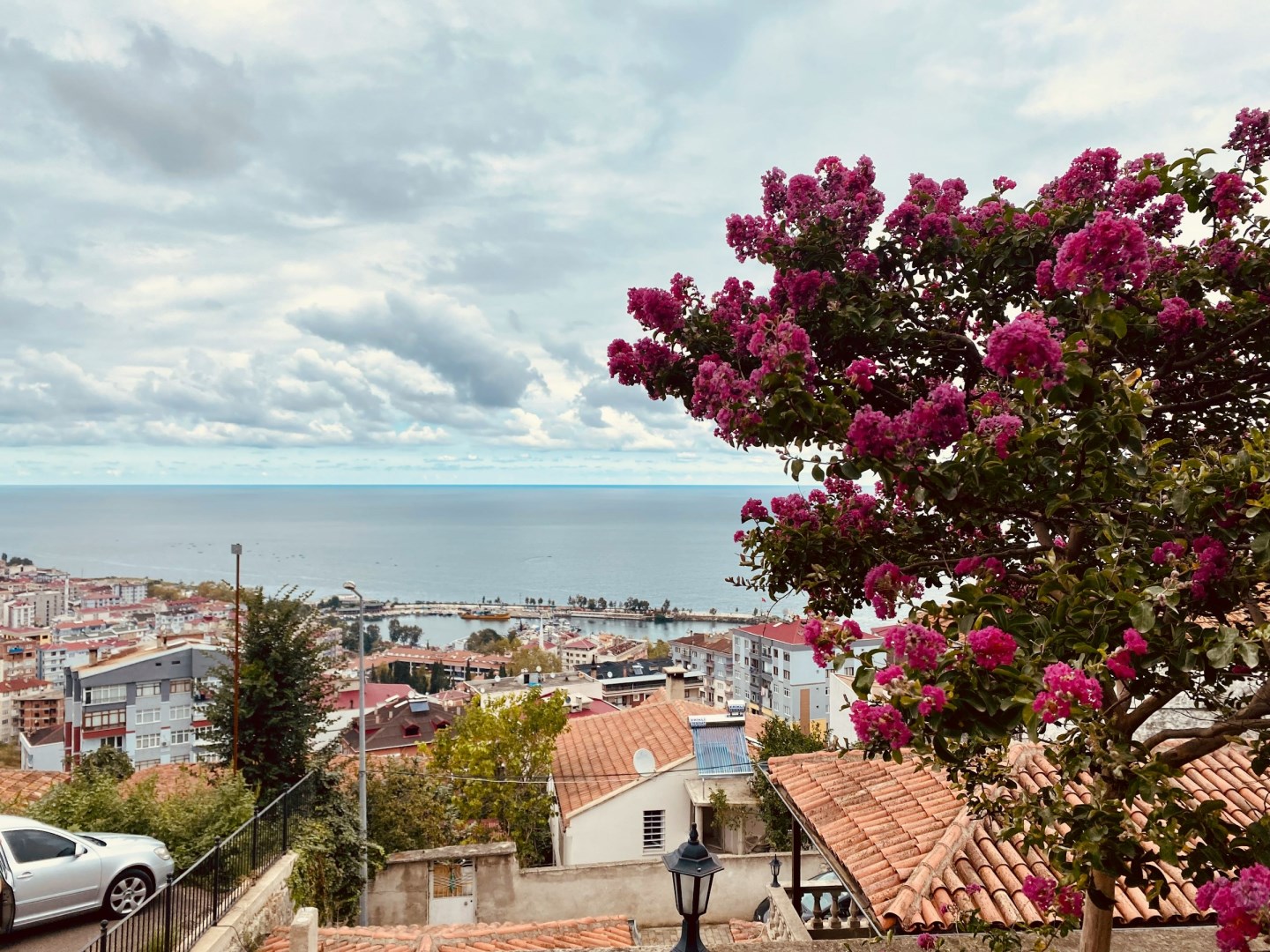
Trabzon
Trabzon was founded in the 7th century B.C. by Milletain colonists. On entering the city, on a green hill descending to the sea, is a well-preserved 13th century Byzantine church, now the Avasofya Museum. The walls of this church are decorated with frescoes, some of the finest examples of Byzantine craftmanship. The higher part of the city, the old quarter, inside the still extant fortifications with its timber houses, should be visited.
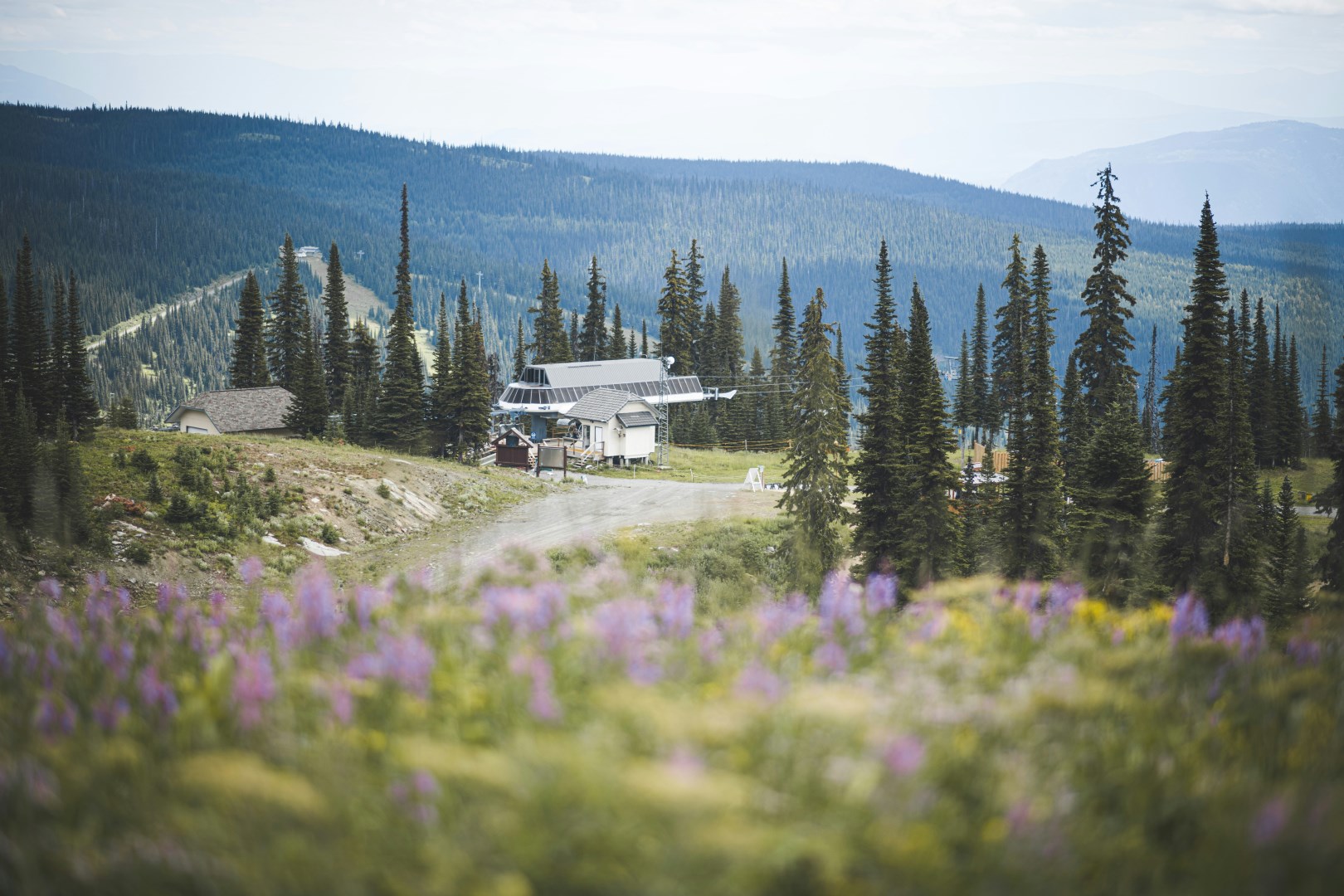
Sun Peaks
Sun Peaks is a mountain village in British Columbia, Canada, located northeast of Kamloops in the interior region of the province. The community is built around Sun Peaks Resort, one of Canada’s largest ski destinations, but the area also functions as a year-round alpine village with hiking trails, mountain biking routes, and access to surrounding forests.
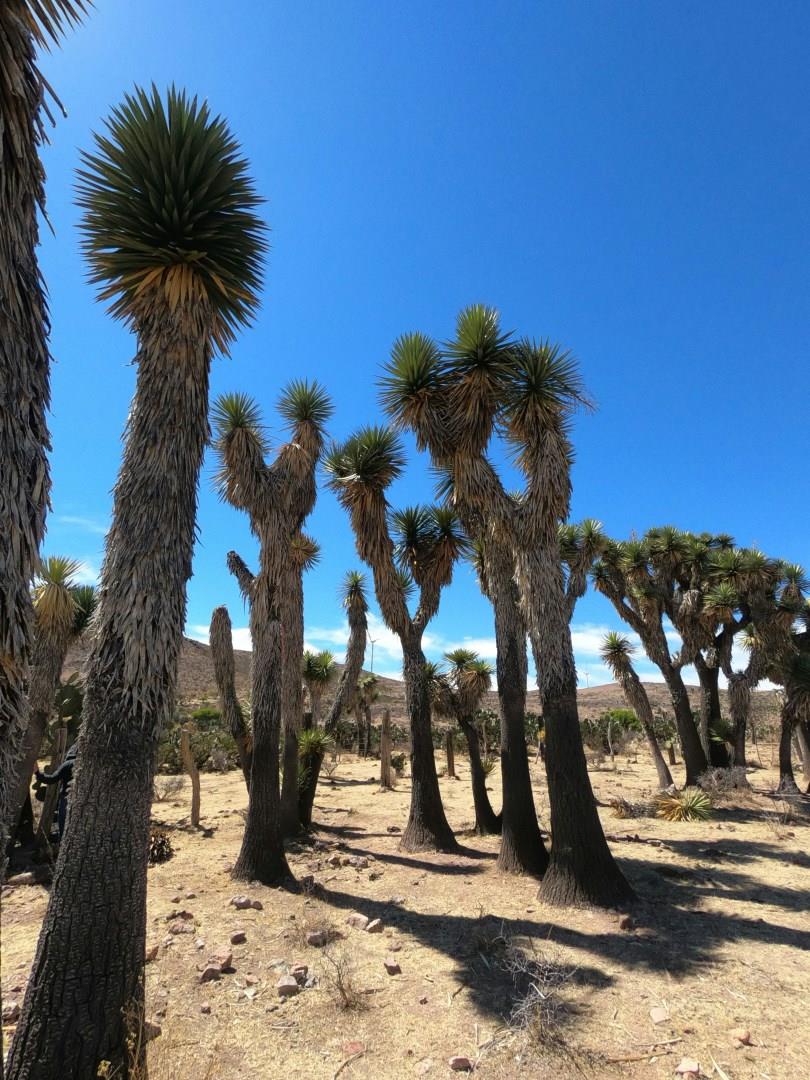
Zacatecas
Zacatecas, built into the slopes of a narrow ravine in north-central Mexico, is a city with a deep mining past and a striking skyline. The historic center, a UNESCO World Heritage Site, is known for its pink cantera stone buildings, narrow alleys, and impressive baroque facades. The Cathedral Basilica of Zacatecas, completed in 1752, stands as one of the most detailed examples of Mexican baroque architecture, with hundreds of carved figures covering its sandstone exterior.

Santa Fe
Santa Fe, New Mexico, with its adobe-style architecture, vibrant arts scene, and unique blend of Native American, Spanish, and Anglo influences, is a destination like no other. Known as "The City Different," Santa Fe stands apart with its rich history and cultural diversity. A fun fact about Santa Fe is that it is the highest state capital in the United States, sitting at an elevation of 7,199 feet.
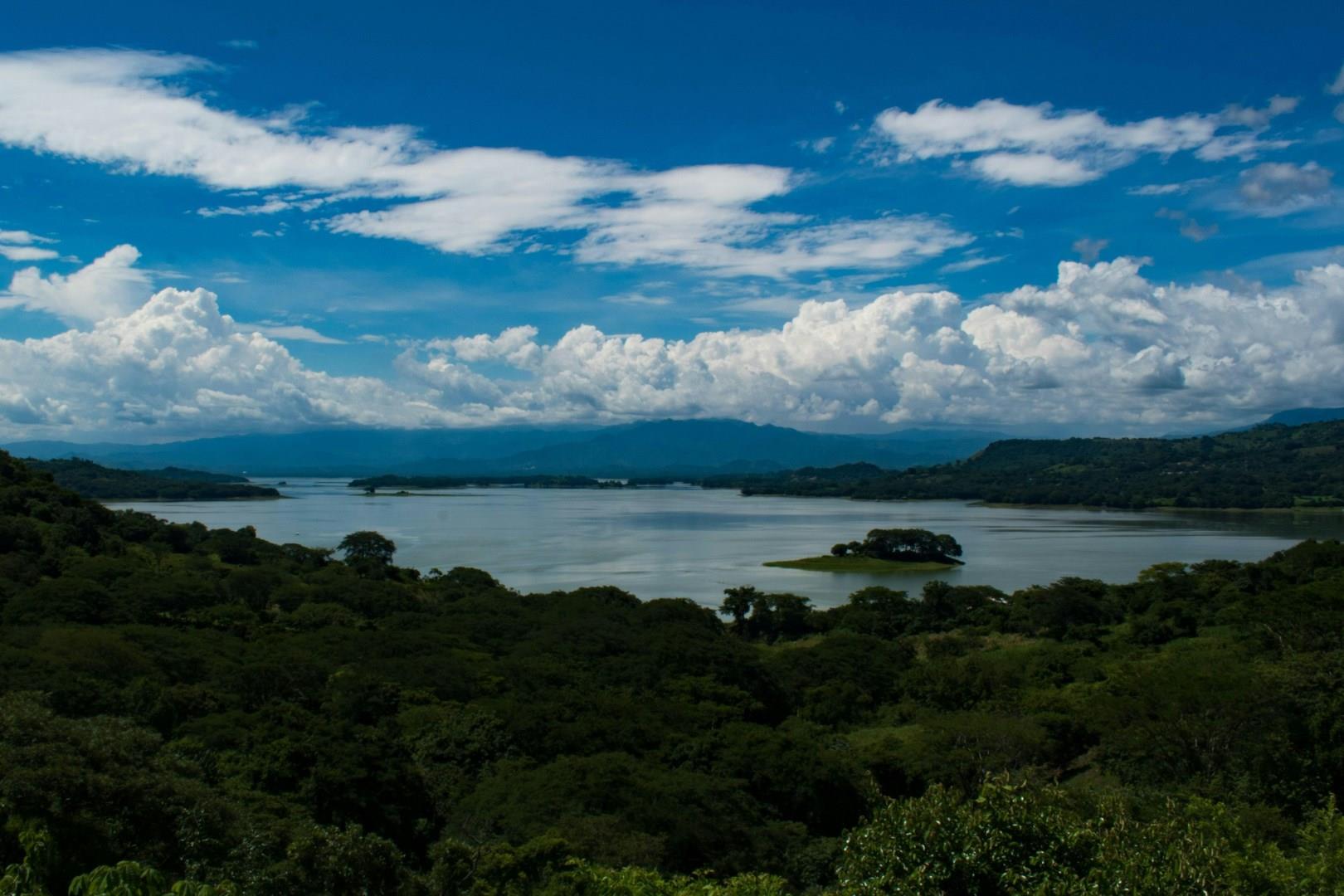
Suchitoto
Suchitoto, located in the Cuscatlán department of El Salvador, is a hilltop town known for its cobblestone streets and scenic views of Lake Suchitlán. Once an important center for indigo production, the town still celebrates its dye-making history through artisan workshops where visitors can learn to create textiles using natural indigo. The name “Suchitoto” comes from the Nahuatl language and means “place of flowers and birds,” a nod to the area’s diverse birdlife and surrounding vegetation.
