
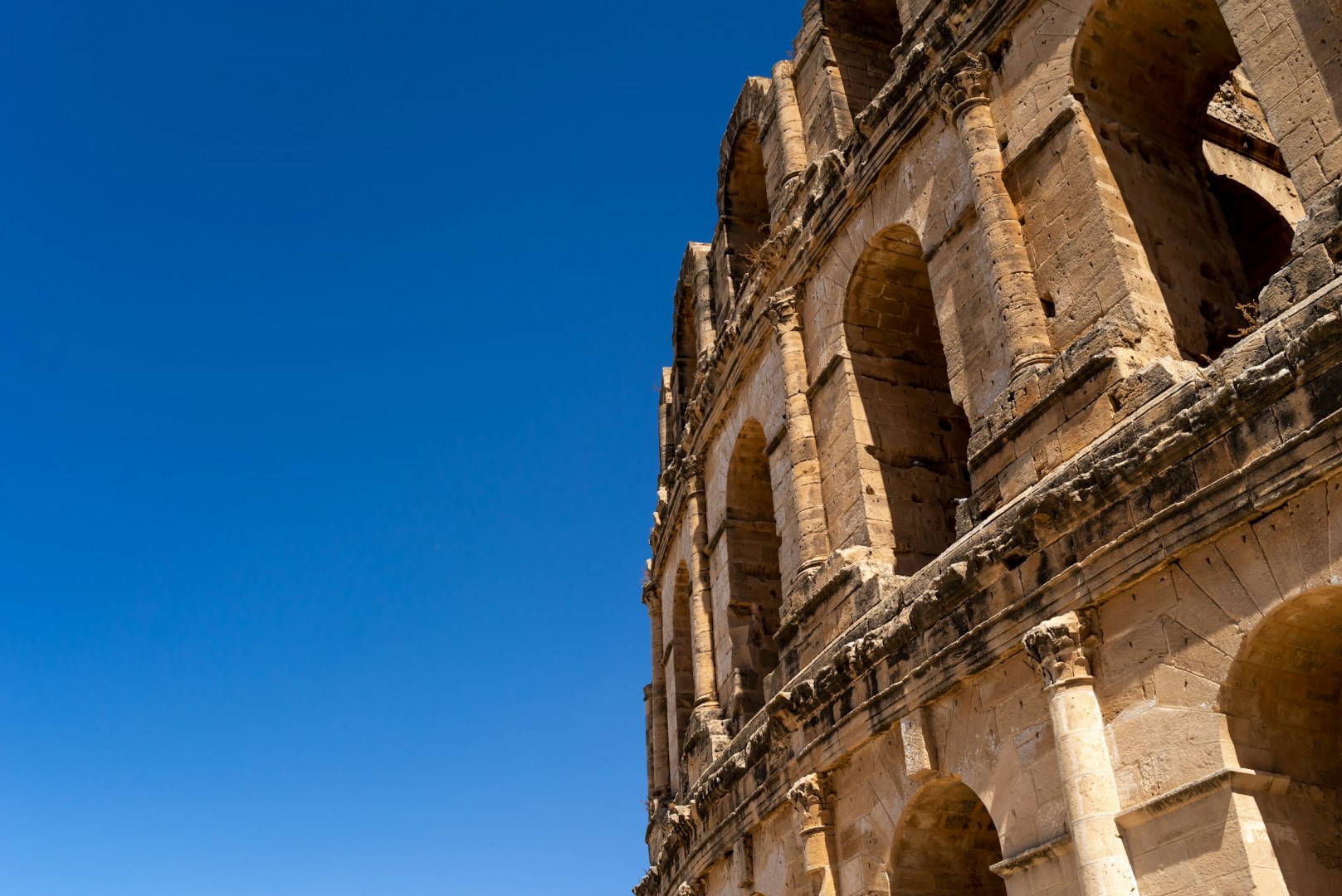
El Jem
El Jem is a town in central Tunisia best known for its exceptionally preserved Roman amphitheatre, which dominates the surrounding plain. The monument was built as a free-standing structure of stone blocks and could accommodate an estimated 35,000 spectators, making it one of the largest amphitheatres in the Roman world. El Jem developed in an important agricultural region associated with olive cultivation and the production and trade of olive oil.

Latvia
Latvia invites visitors to explore a land where medieval streets meet vast forests and a lively coastline. Riga, the country’s capital, is home to one of the largest and best-preserved collections of Art Nouveau architecture in Europe. Walking through the Old Town, visitors can admire intricate facades and cobblestone streets that lead to landmarks like the House of Blackheads and St. Peter’s Church, whose tower offers panoramic views of the city.
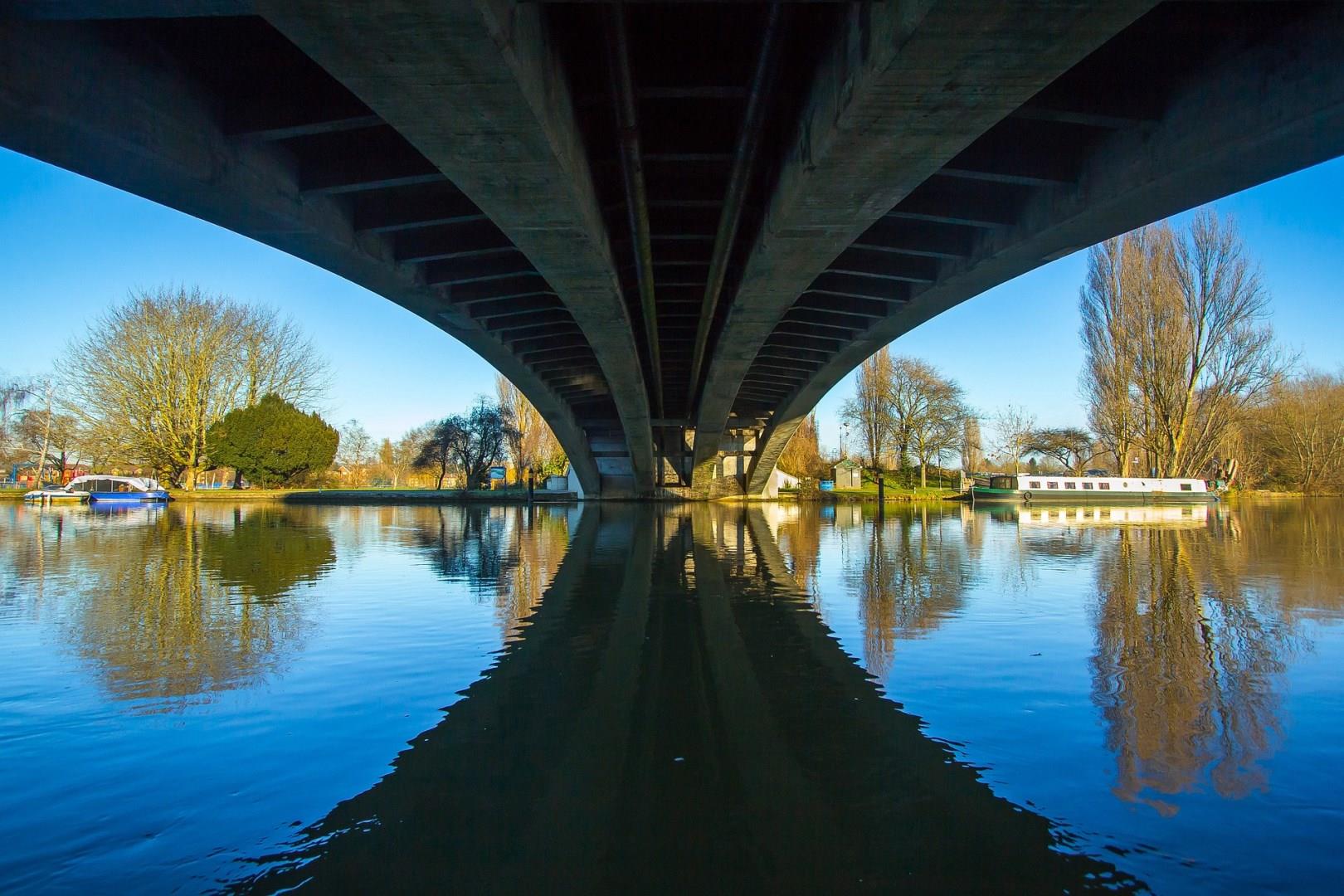
Reading
Reading, a historic town in Berkshire, England, offers a blend of cultural heritage and modern attractions. Known for its rich history, Reading boasts landmarks such as the Reading Abbey, founded in 1121 and once one of the most important monastic sites in England. The Abbey’s ruins are a fascinating site for history enthusiasts, providing a glimpse into medieval architecture and the town’s monastic past.
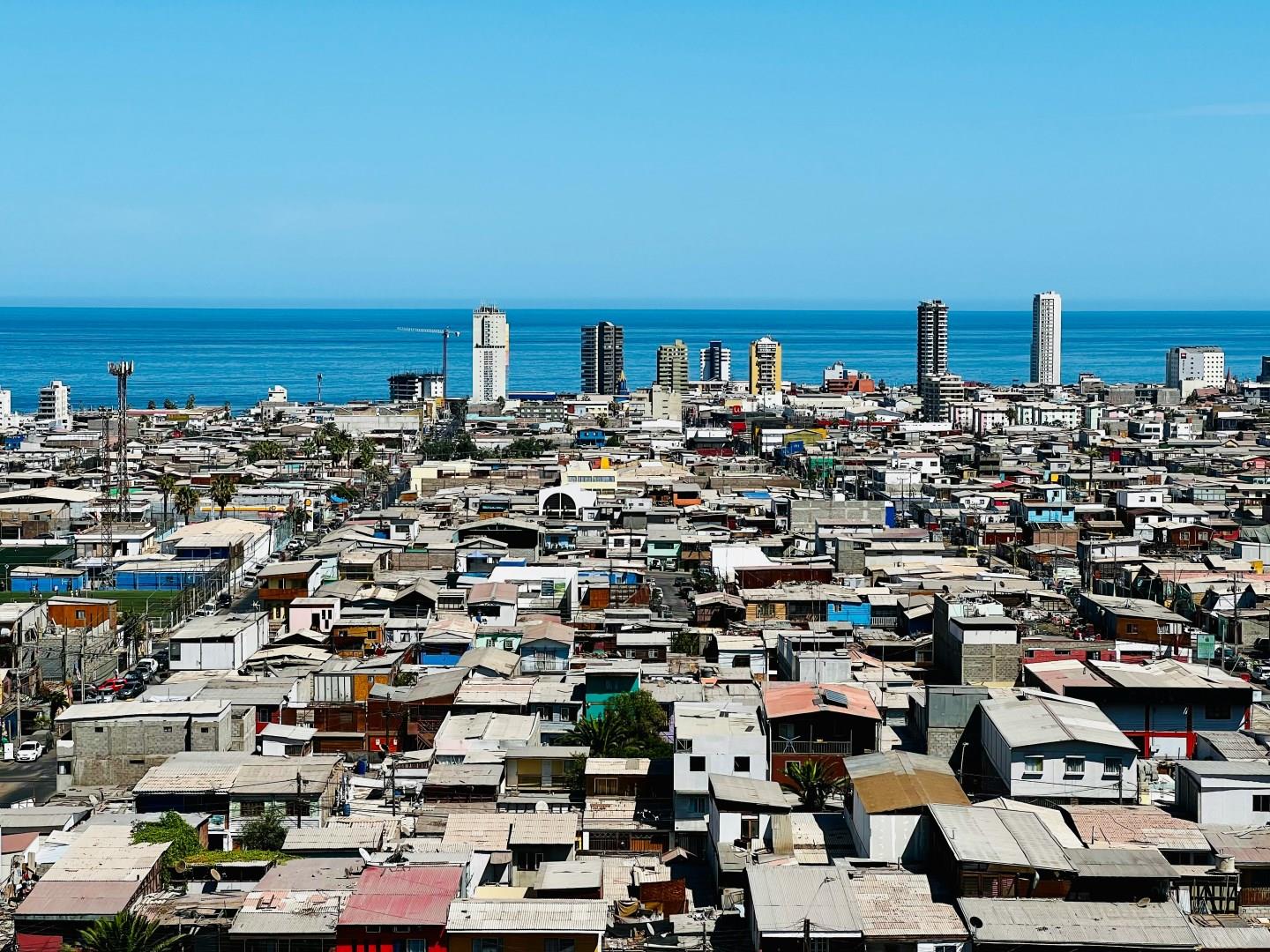
Iquique
Iquique, perched between the Pacific Ocean and the sweeping sand dunes of the Atacama Desert, offers more than just sun and surf. This coastal city in northern Chile is a duty-free port, drawing visitors with its unique blend of high-end shopping, historic districts, and adrenaline-filled adventures. Whether wandering along the palm-lined Baquedano Boulevard or gliding down the towering sand dunes on a sandboard, Iquique surprises at every turn.
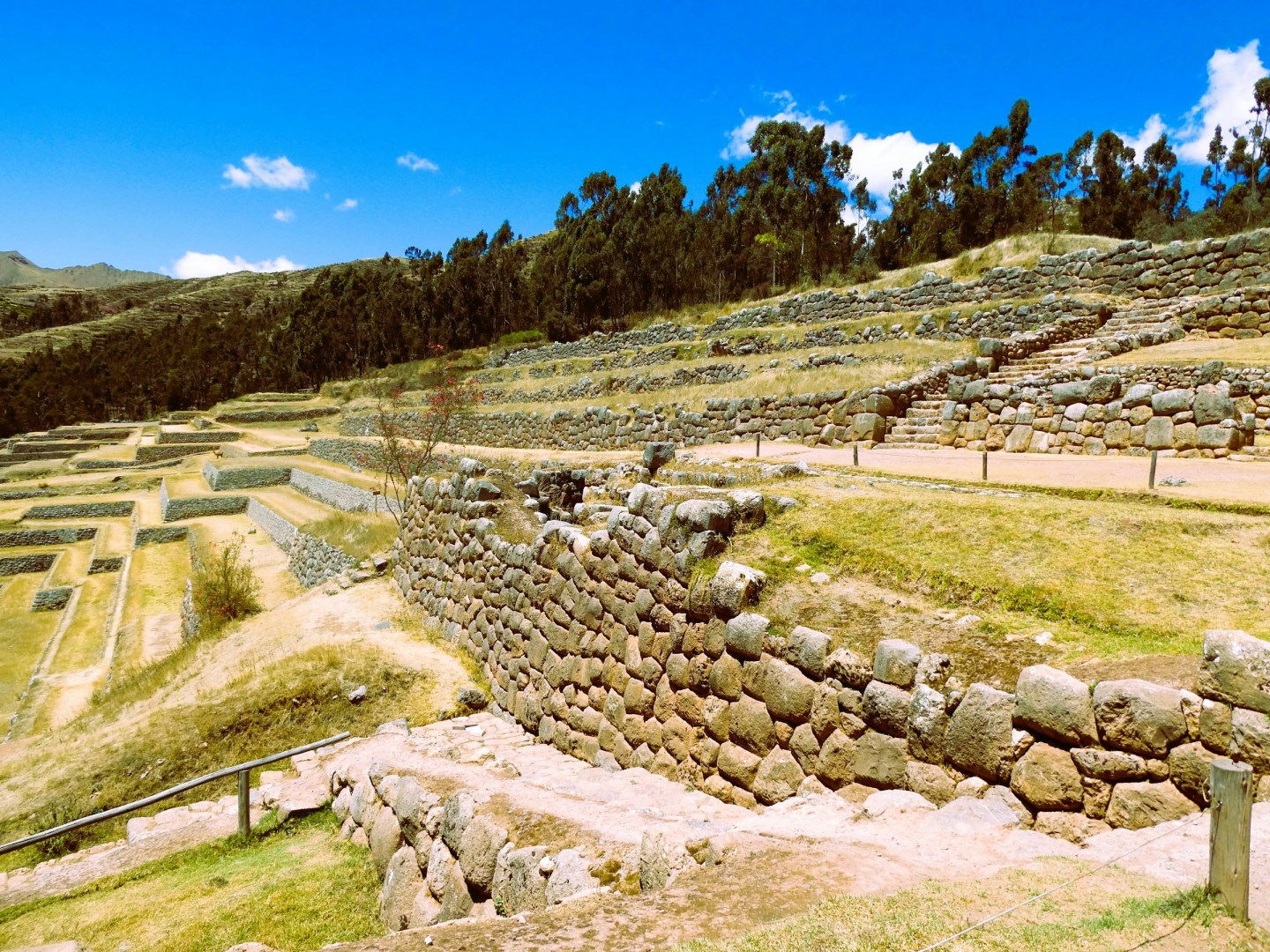
Chinchero
Chinchero is a highland town in Peru’s Cusco Region, northwest of the city of Cusco and above the Sacred Valley of the Incas. Set at more than 3,700 meters (12,000 feet) above sea level, it is surrounded by cultivated fields, puna grasslands, and views of the snow-covered peaks of the Cordillera Vilcabamba.
