
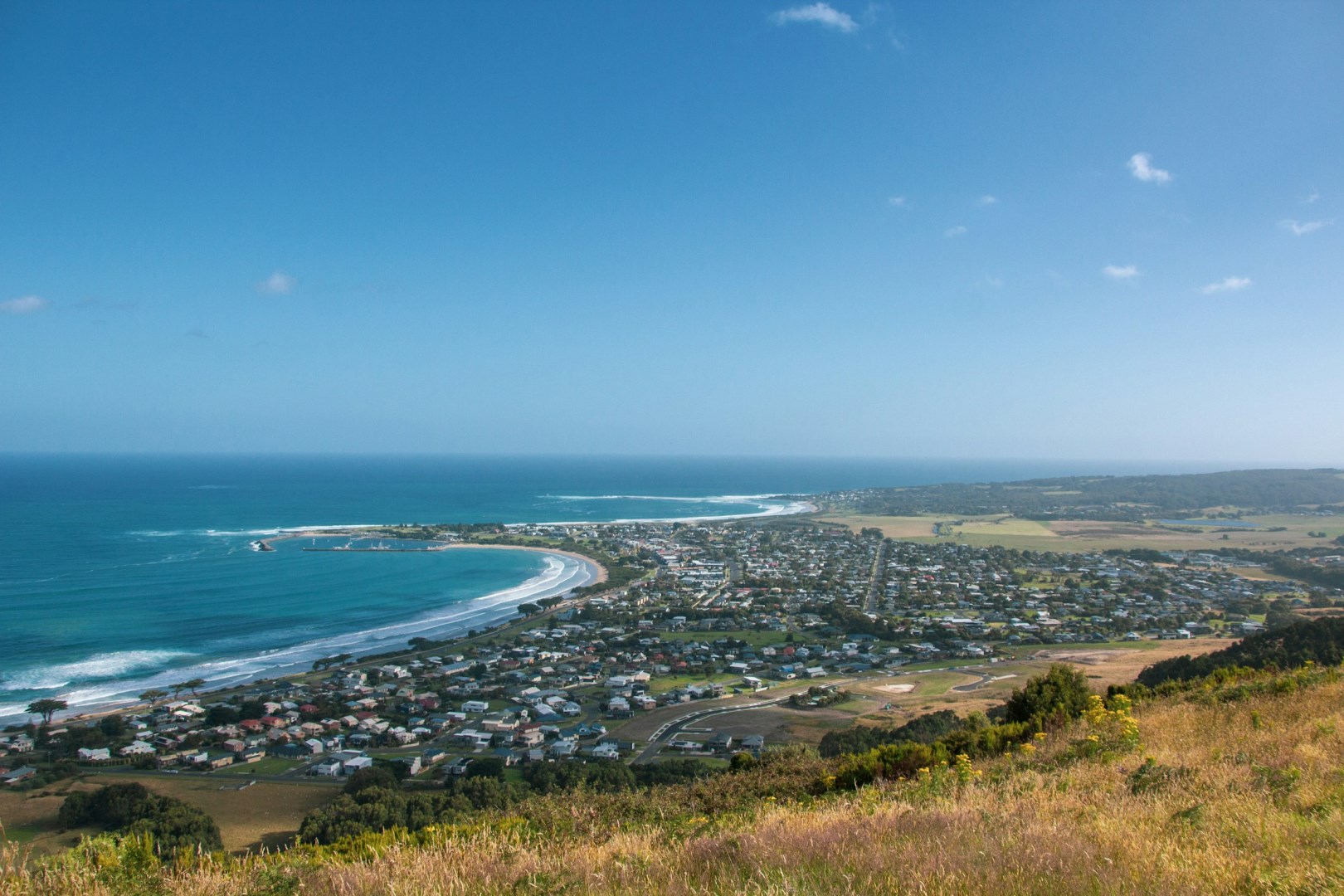
Apollo Bay
Apollo Bay is a coastal town on Victoria’s Great Ocean Road, where the Southern Ocean meets the forested slopes of the Otway Ranges. The town sits beside a broad, crescent-shaped beach and a working fishing harbour, with the hills rising quickly behind the settlement
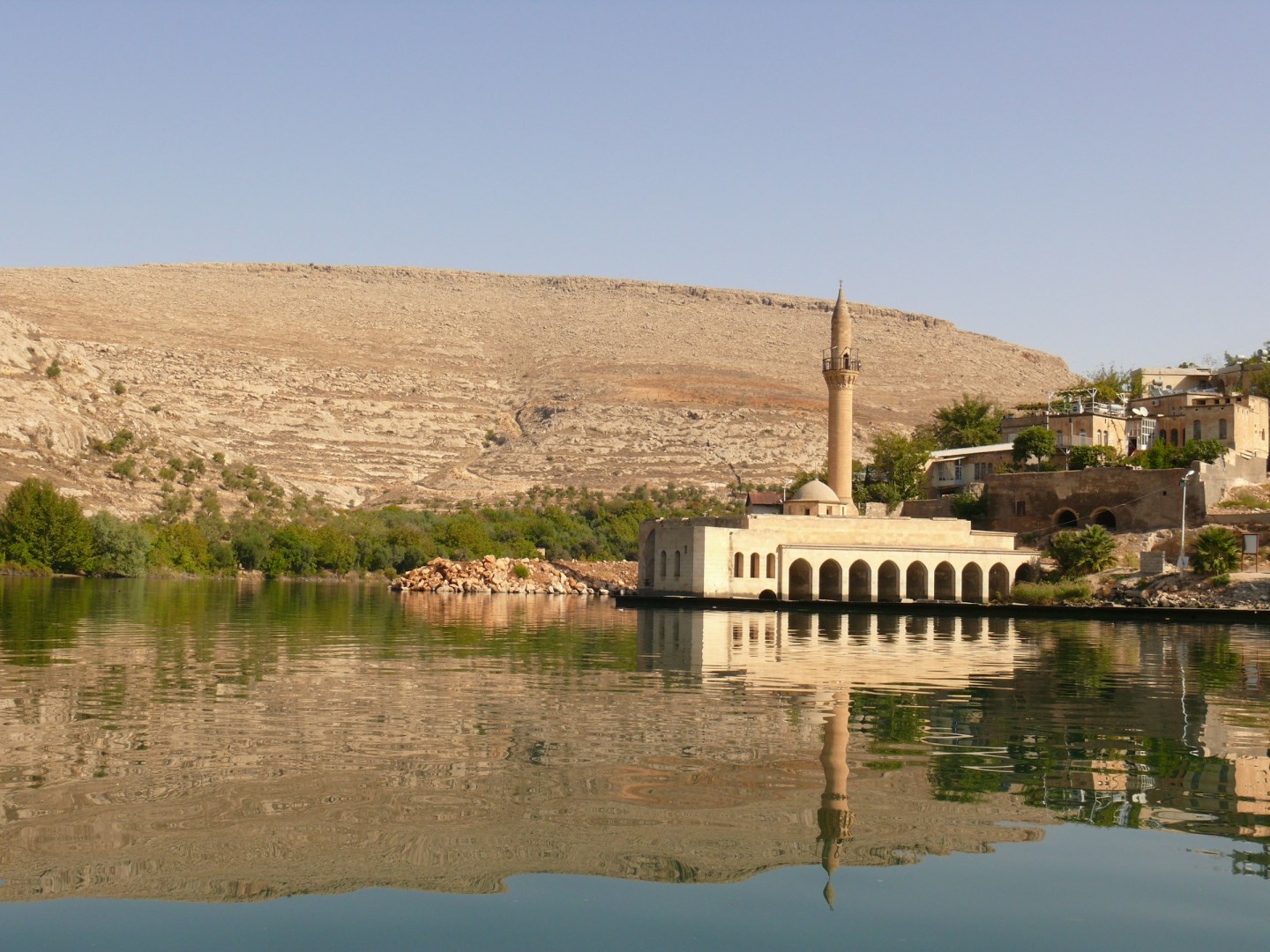
Urfa
Urfa proudly exhibits the legacy of all civilizations that have prospered in this region. In the second millenium B.C., it was a city of a Hurrite state. Tradition relates that Abraham was born in a cave near the area where the Mevlid Mosque now stands.

Da Nang
Da Nang, a vibrant coastal city in central Vietnam, offers a delightful blend of natural beauty, rich history, and modern attractions. Known for its stunning beaches and dynamic skyline, Da Nang is a gateway to some of Vietnam’s most iconic landmarks.

Queen Elizabeth National Park
Queen Elizabeth National Park, in western Uganda, is one of East Africa’s most diverse and scenic protected areas. Stretching from the Rwenzori Mountains to the shores of Lake Edward, the park encompasses savannah, wetlands, and dense forests, making it a sanctuary for an incredible array of wildlife.
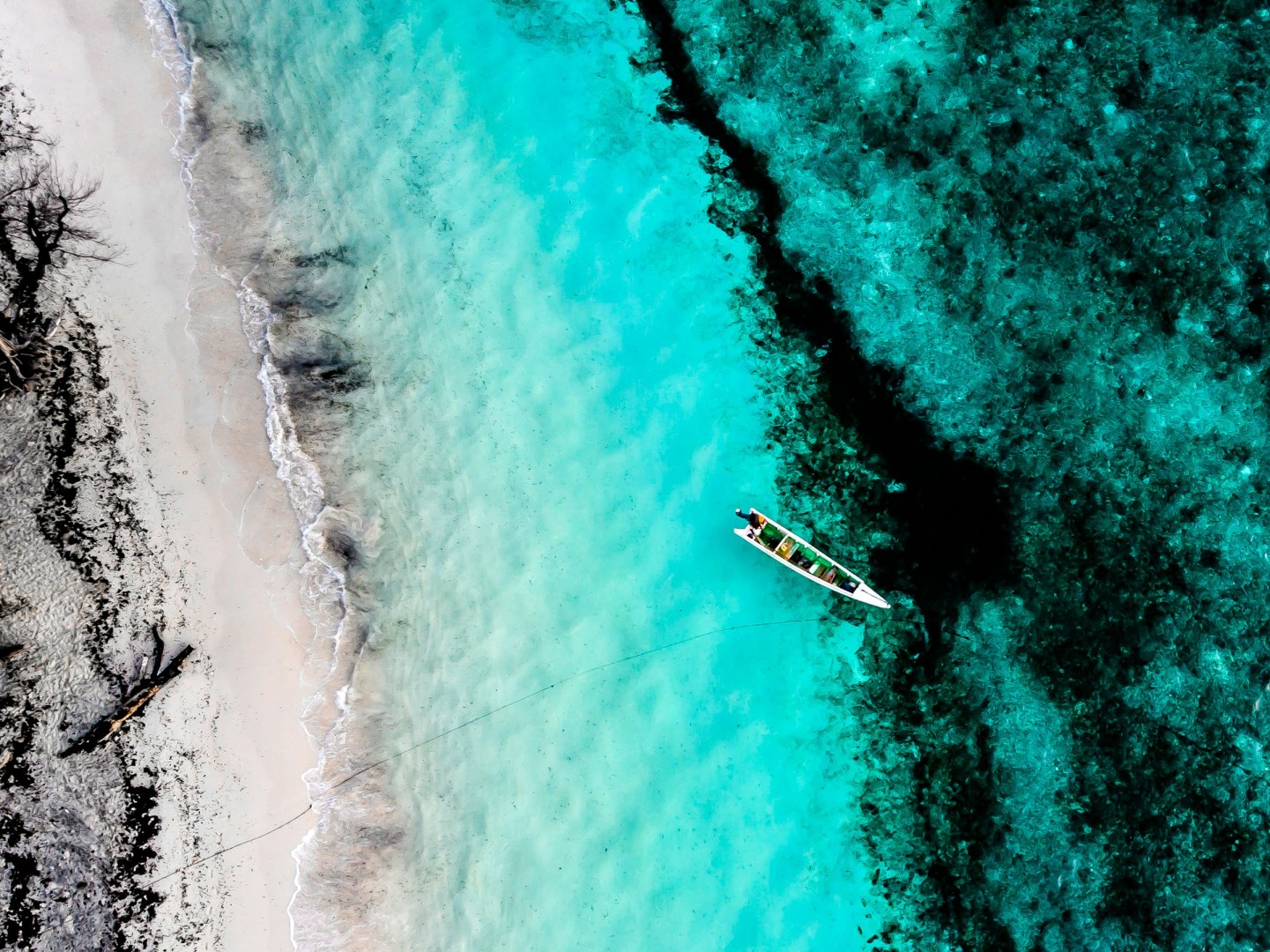
Atauro Island
Atauro Island is a mountainous island north of Dili in Timor-Leste, separated from the mainland by the Ombai Strait. Its landscape includes dry hills, forested slopes, grassy areas, rocky cliffs, and small coastal villages. The island is surrounded by exceptionally diverse coral reefs and clear tropical waters, making its marine environment one of its defining features.
