
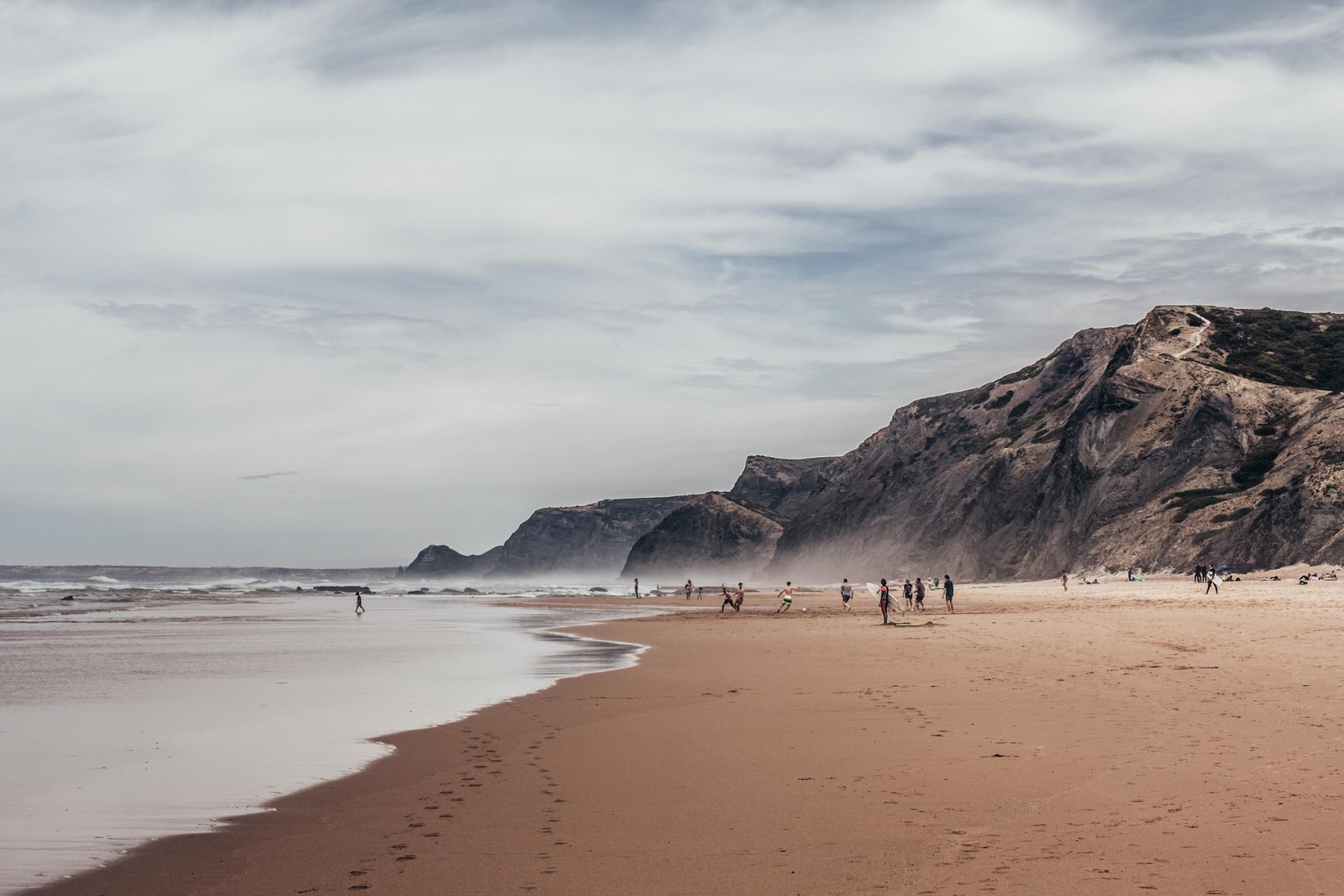
Faro
This is the most Moorish part of Portugal, the rich plain south of the Serra do Caldeirao, scalloped by the beaches and headlands of the Algarve. It is where, in early spring, blossoming almond trees carpet the still-brown hillsides with drifts of snow-like flowers, and the plain white facades of little houses are topped by intricately pierced chimneys that look like ice-cream cones.
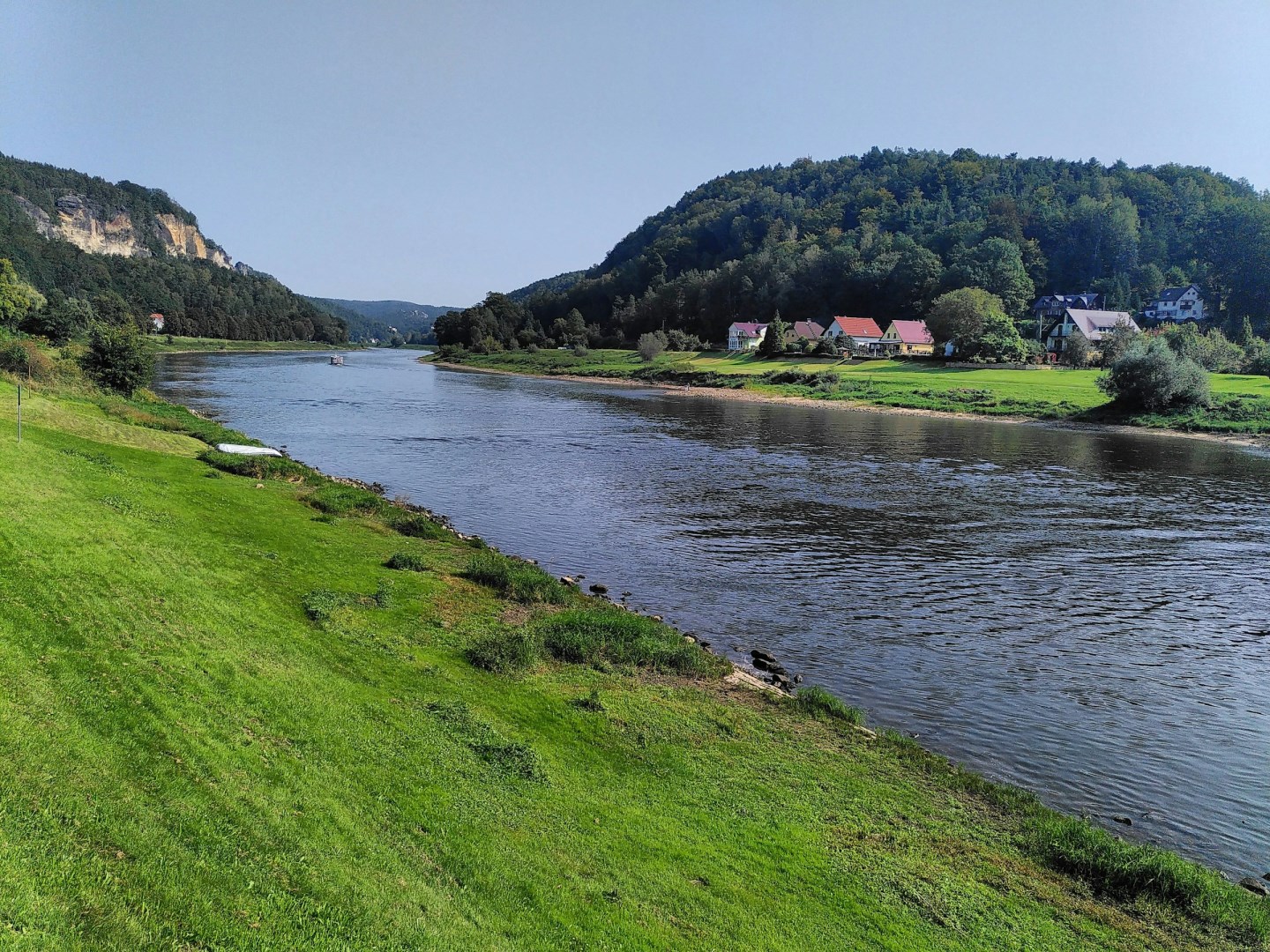
Elbe River
The Elbe is one of the Central Europe's greatest rivers, rising in the northern Czech Republic, traversing through Bohemia and Germany, and flowing into the North Sea not far from Hamburg. The river and its route have been largely untouched, so wildlife visibly abounds along its wetlands and wooded regions. Other scenery includes terraced vineyards and charming wine villages.

Bangkok
Bangkok, Thailand’s capital, is a city of striking contrasts where gilded temples stand beside sleek skyscrapers and centuries-old traditions thrive amid modern life. At its heart is the Grand Palace, a dazzling complex that once housed the Thai kings, along with Wat Phra Kaew, the revered Temple of the Emerald Buddha.
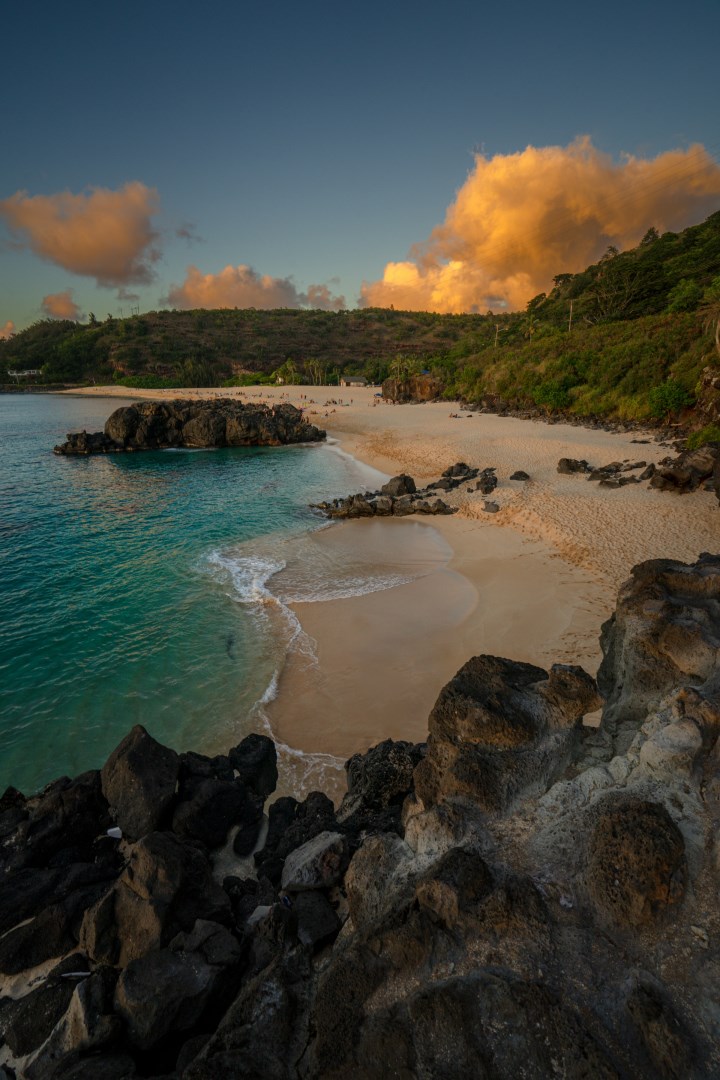
Waimea, Kauai
Waimea, also known as Kamuela, is an upcountry community on Hawaiʻi Island, set between the Kohala Mountains and the island’s volcanic slopes. Unlike the dry lava fields of the nearby Kohala Coast, Waimea is characterized by green pastures, rolling hills, and open ranchland. Its elevation brings cooler temperatures than the coastal resorts, while views toward Mauna Kea and the surrounding mountains help define the landscape. The town serves as a centre for ranching, agriculture, dining, arts, an
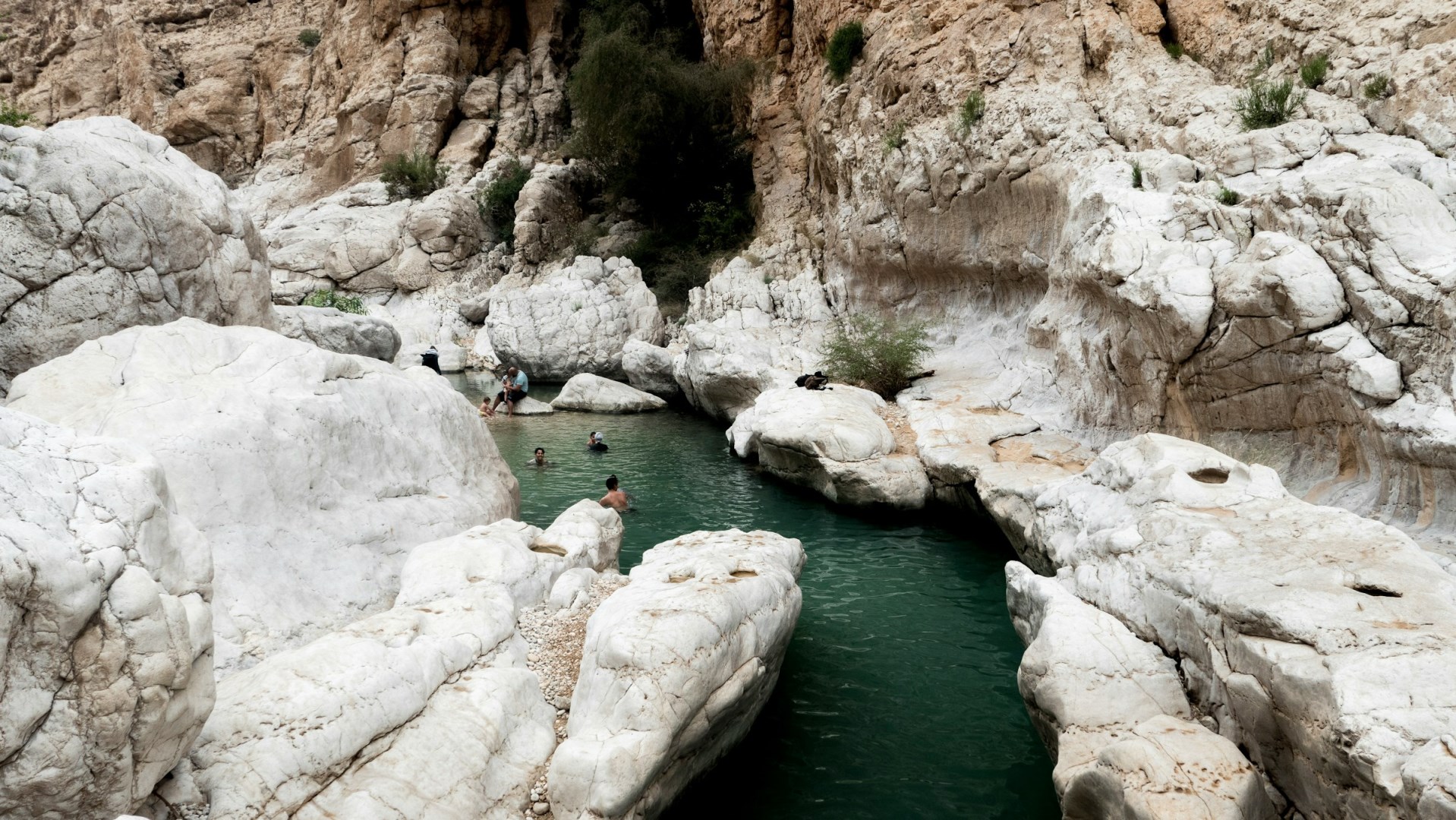
Wadi Bani Khalid
Wadi Bani Khalid is a major valley in Oman's Al Sharqiyah North Governorate, extending from the Hajar Mountains toward the desert landscapes of the Sharqiyah Sands. It is known for its year-round watercourses, pools, rocky gorges, and clusters of date palms. Unlike many wadis that can become dry, Wadi Bani Khalid retains flowing water in parts of its upper valley, creating a green contrast with the surrounding arid terrain.
