
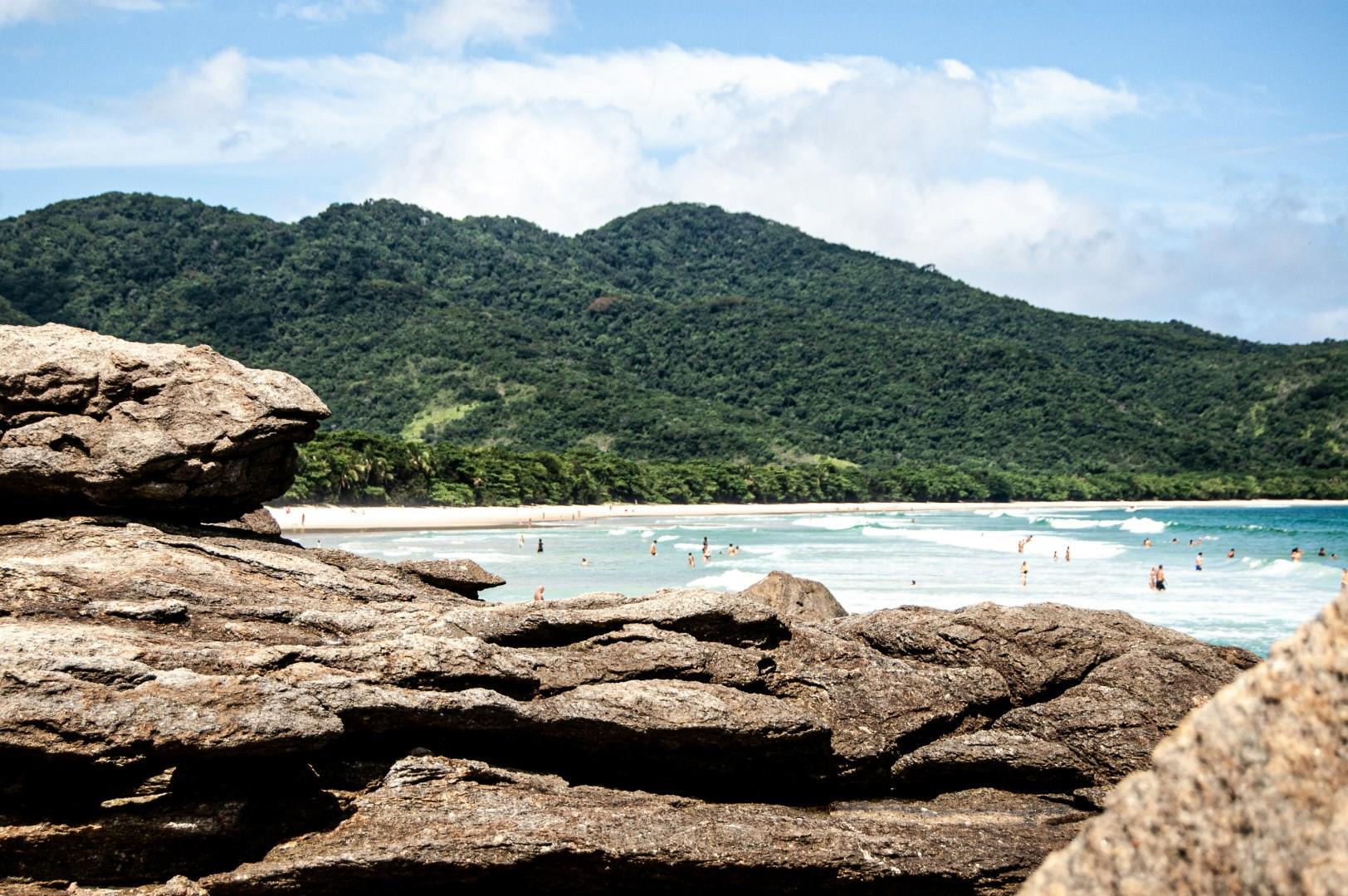
Ilha Grande
Ilha Grande, an island off the coast of Rio de Janeiro state, is a place where tropical forest and coastline meet in striking harmony. Once a pirate hideout and later the site of a penal colony, it has evolved into one of Brazil’s most remarkable island destinations. With no cars allowed and no large resorts, the island moves at a different pace, where footpaths and boats are the main ways to get around.
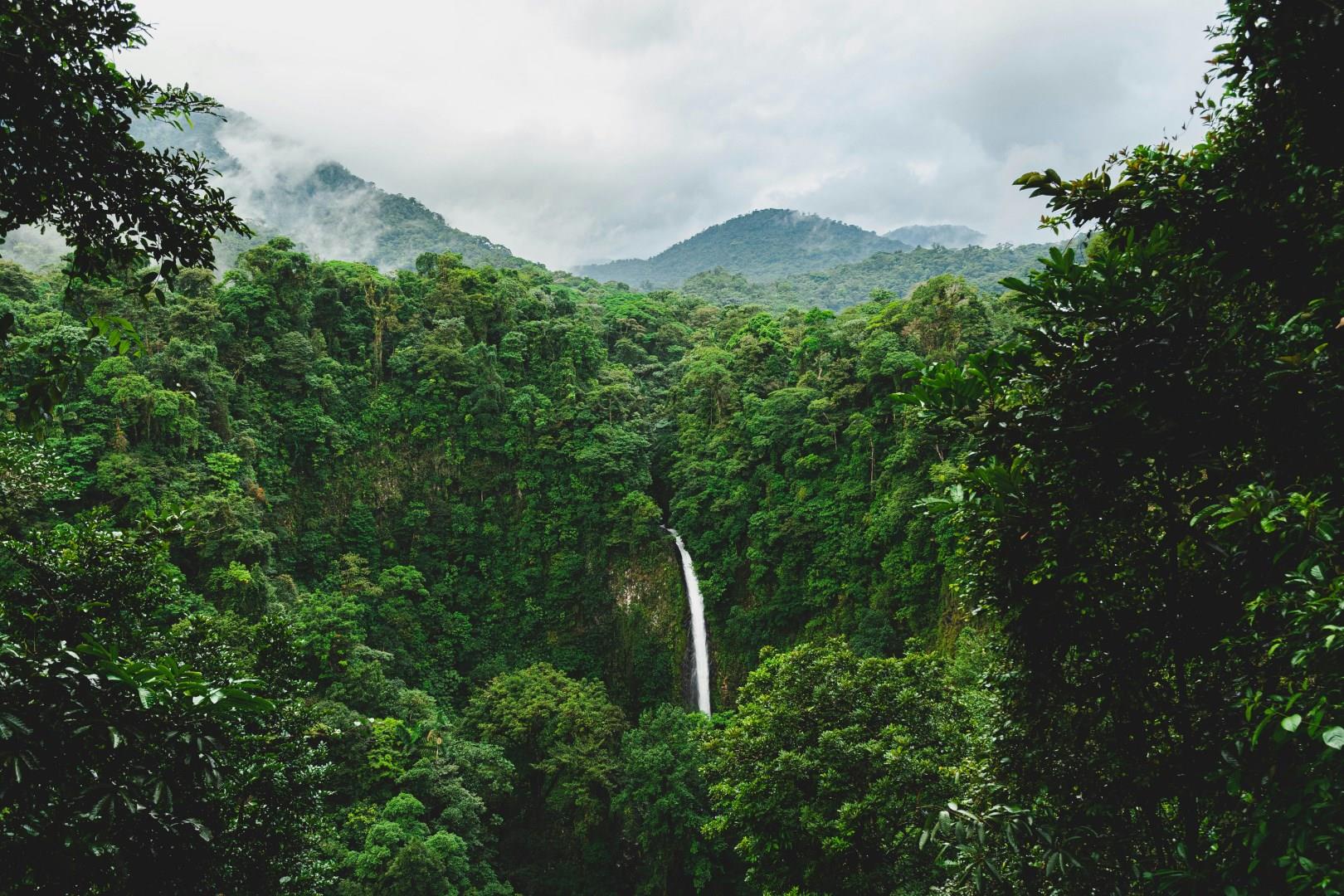
La Fortuna
La Fortuna is a town in northern Costa Rica, located in the San Carlos region at the base of Arenal Volcano. It is known for rainforest landscapes, geothermal hot springs, and outdoor activities connected to the surrounding mountains and rivers.

Whitsunday Island
The Whitsunday Islands sit in the heart of Australia’s Great Barrier Reef, where more than 70 islands rise from wide blue seas and offer an invitation to explore. Whitsunday Island itself is the largest of this group, known internationally for its ribbon of white silica sand stretching over seven kilometers at Whitehaven Beach. This sand feels cool underfoot even in warm sunshine because it’s made of nearly pure silica carried there by ancient ocean currents.
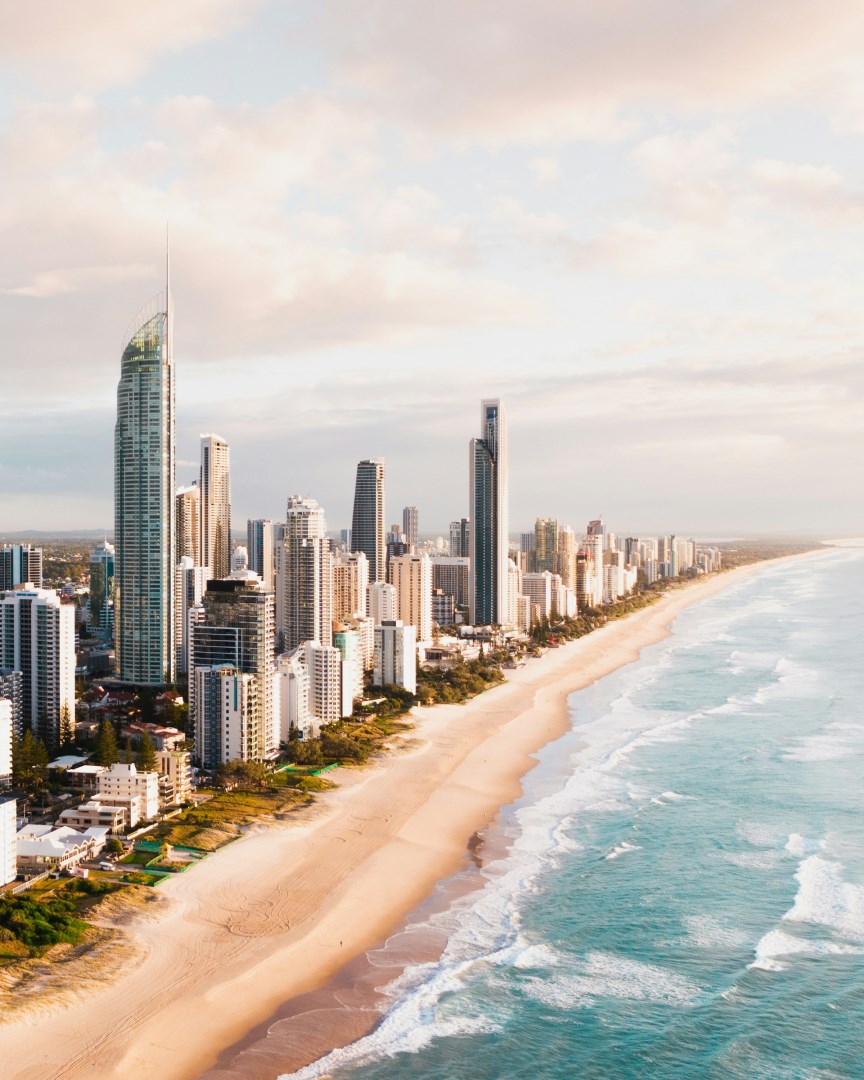
Surfers Paradise
Surfers Paradise is located along the Gold Coast. The 300 days of sunshine throughout the year make it perfect for enjoying the beach. Golfing, wildlife parks and theme parks are just a few of the many things to do.
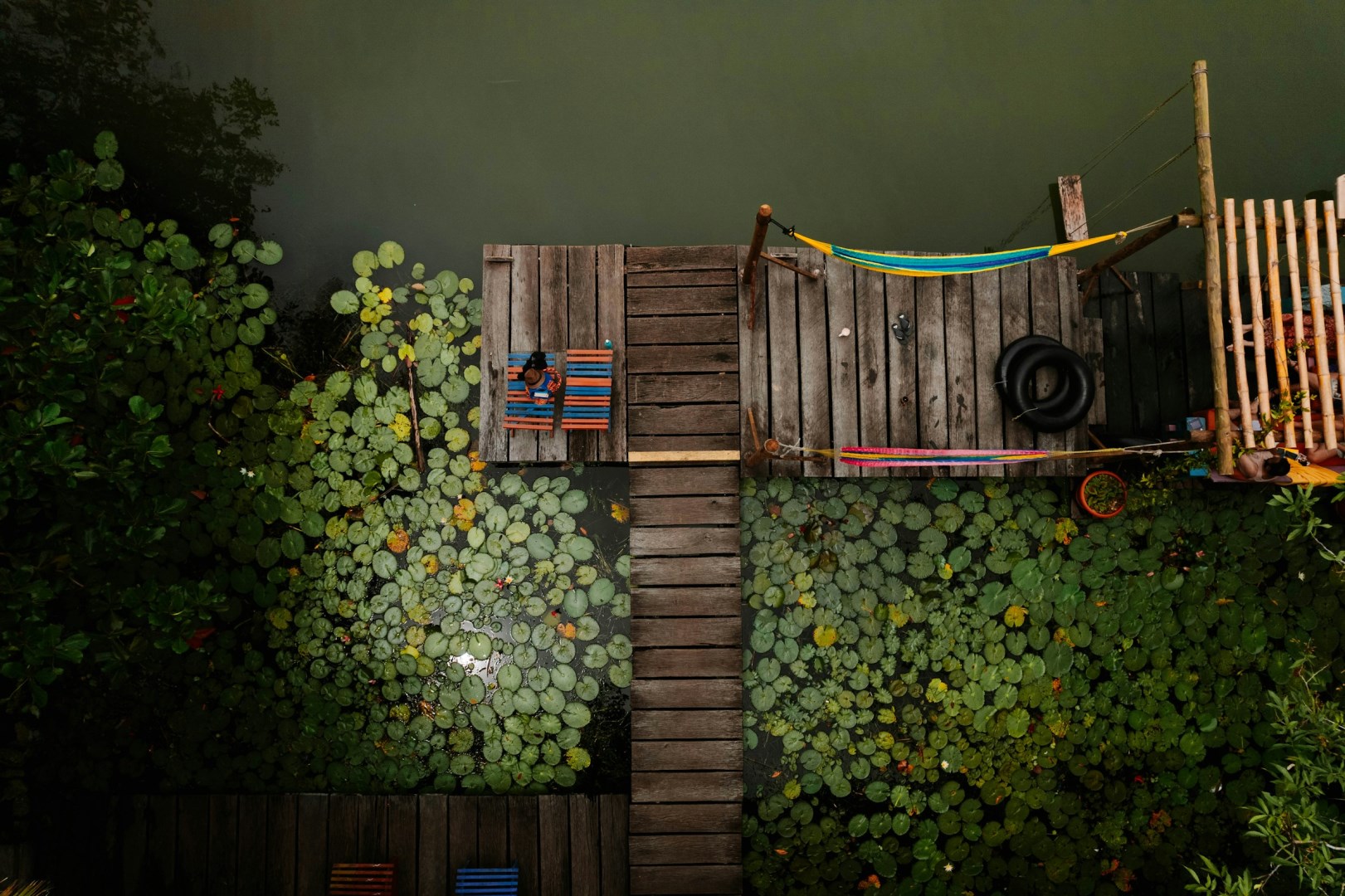
Puerto Barrios
Located in the Gulf of Honduras, this area of the Mayan offers jungle tours along the Rio San Carlos or walking through the Mayan ruina at Quirigua. In ancient Mayan culture, priests used to drive sting ray spines through their tongues to appease their gods.
