
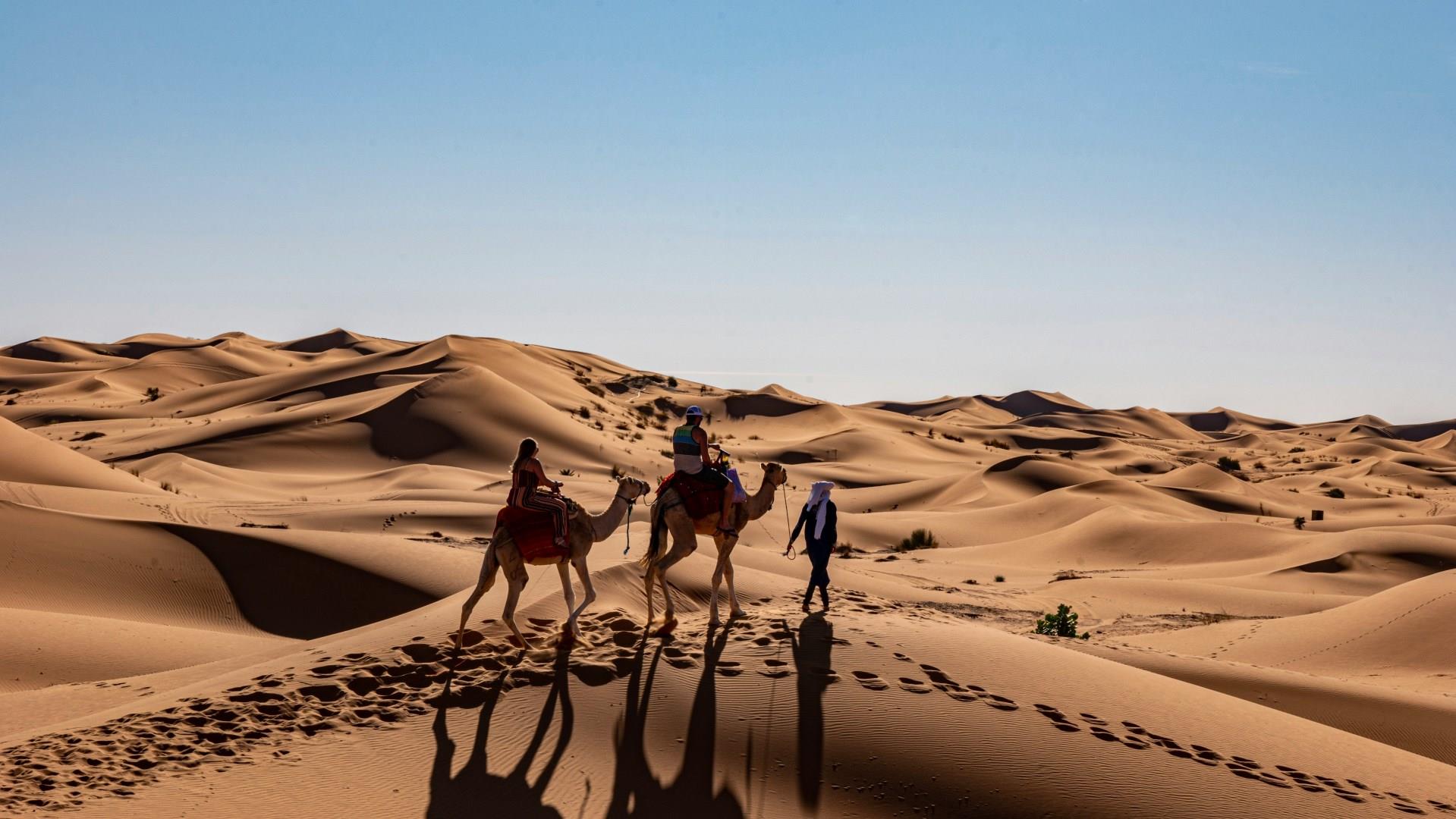
Erfoud
Erfoud, a desert town in eastern Morocco, is often seen as the last stop before the endless dunes of the Sahara begin. But this oasis holds more than just a convenient location. Known as the "Gateway to the Desert," Erfoud is steeped in history that predates the modern borders of Morocco. It was once a French colonial outpost, and today, its dusty streets and adobe buildings offer a glimpse into a slower, older way of life that still shapes the region’s identity.
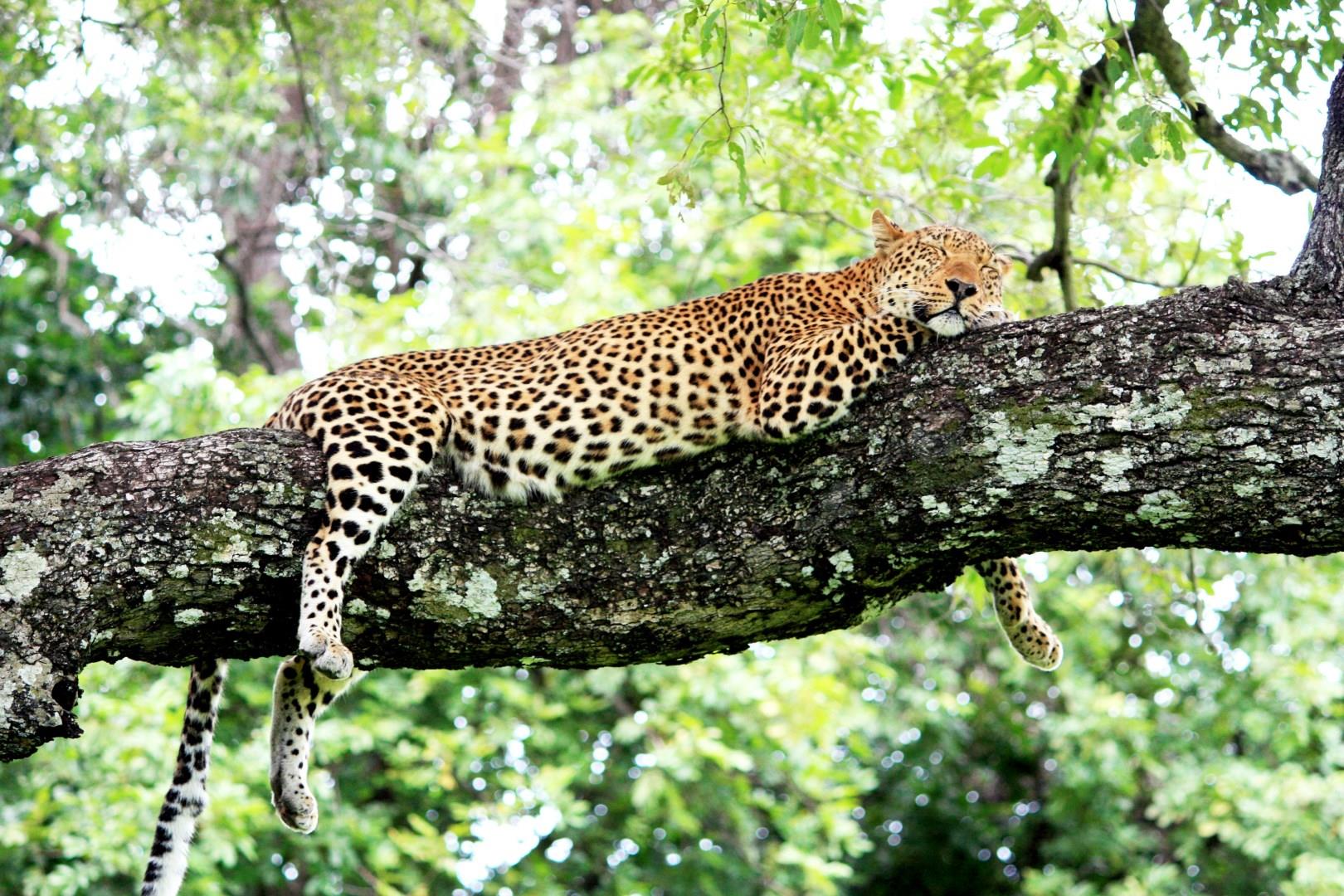
South Luangwa National Park
South Luangwa National Park in eastern Zambia is one of Africa’s most treasured wildlife areas, lying along the lush bends of the Luangwa River. Designated as a protected area in the 1970s, it stands out for its consistently high wildlife densities and landscapes that shift with the seasons. Dry grasslands, shaded woodlands, and green floodplains all unfold beneath wide skies, shaping the canvas for memorable animal sightings.

Bimini Islands
The Bimini Islands, the westernmost point of the Bahamas, are a tiny chain of islands steeped in history, legend, and natural wonder. Bimini has long been celebrated as the “Gateway to the Bahamas,” blending fishing traditions, maritime lore, and a laid-back island culture.

Oregon
Oregon invites travelers to experience landscapes and stories that shift dramatically from one region to the next. In the south, Crater Lake National Park holds the title of deepest lake in the U.S., formed inside the remains of an ancient volcano. With its intense blue color and dramatic cliffs, the lake draws visitors year-round for hiking, snowshoeing, or simply standing in awe.
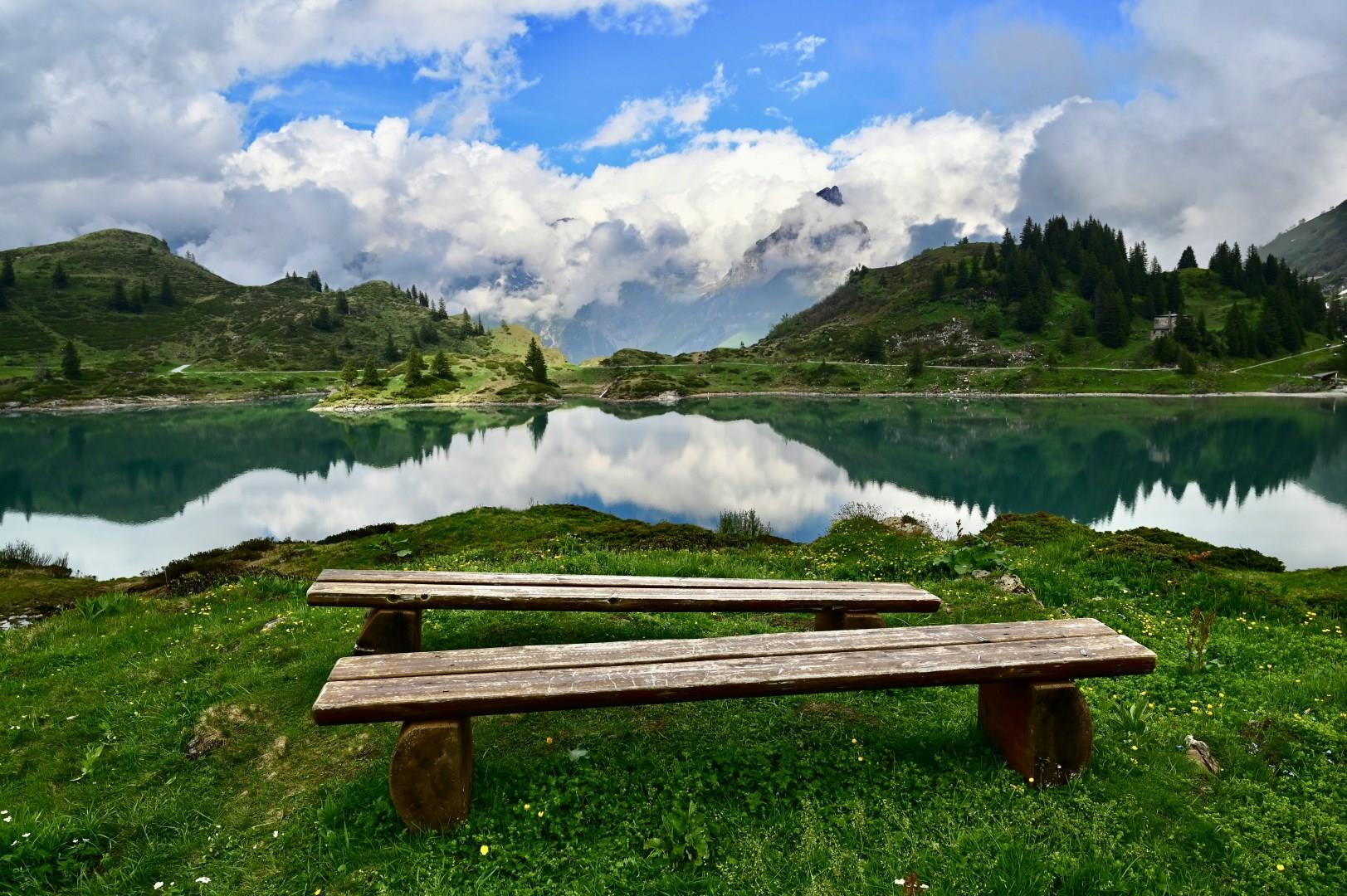
Engelberg
In Engelberg visitors can enjoy activities in all seasons. In winter, snow covers long ski runs, and slopes of all levels stretch down towards the valley. In warmer months, the same lifts take hikers to high meadows where paths lead past lakes and ridges with spectacular views. Down in the valley, the Brunni area has gentle slopes, a summer toboggan run, and even barefoot trails around quiet ponds, offering a different side of the Alps.
