
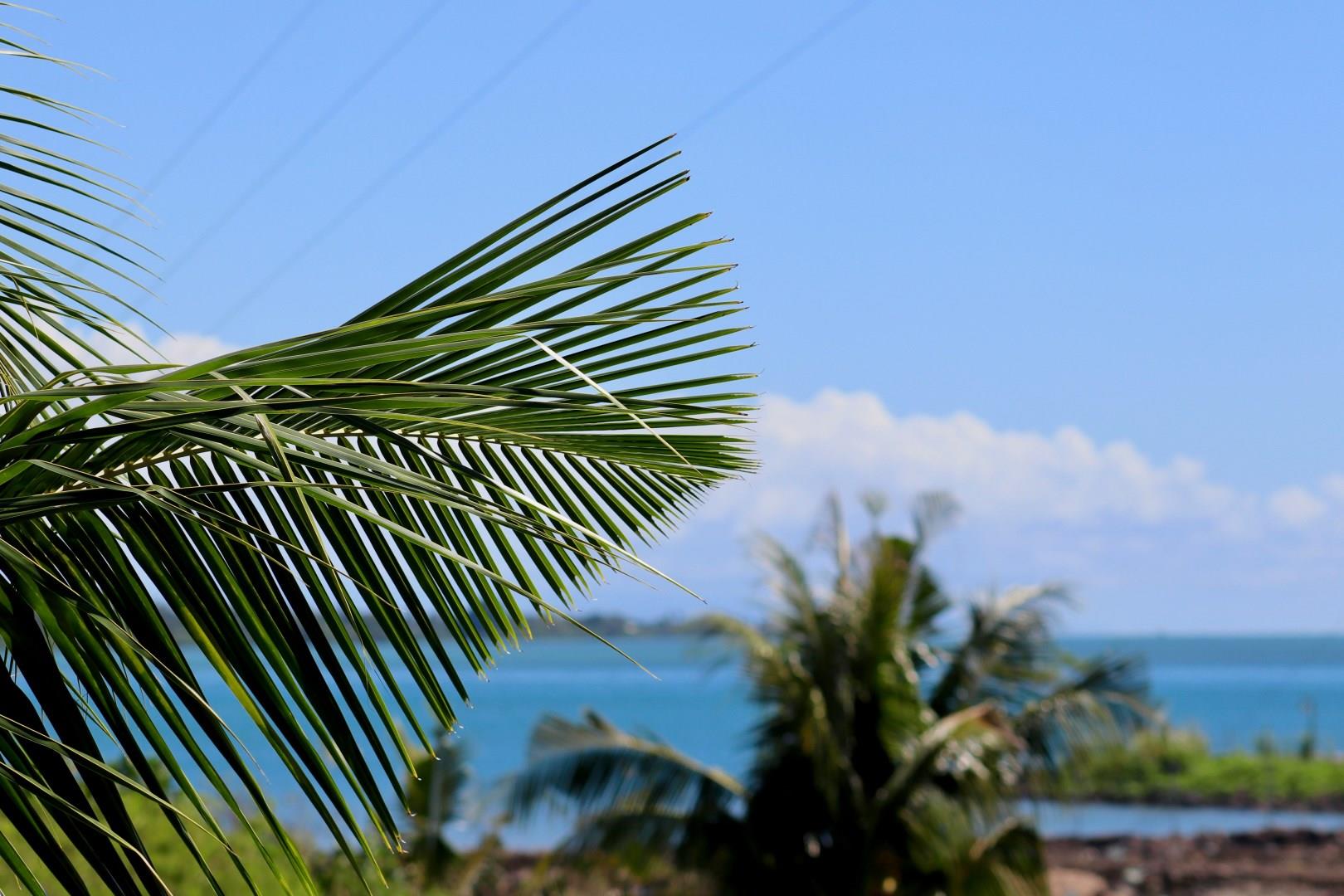
Apia
Apia, the lively capital of Samoa, sits on the north coast of Upolu island and blends the island’s rich traditions with a laid-back charm that’s hard to miss. Once a small village, Apia has grown into a central hub where local culture, commerce, and history meet. From bustling markets to quiet waterfronts, Apia offers visitors a chance to experience Samoa’s rhythm at their own pace.
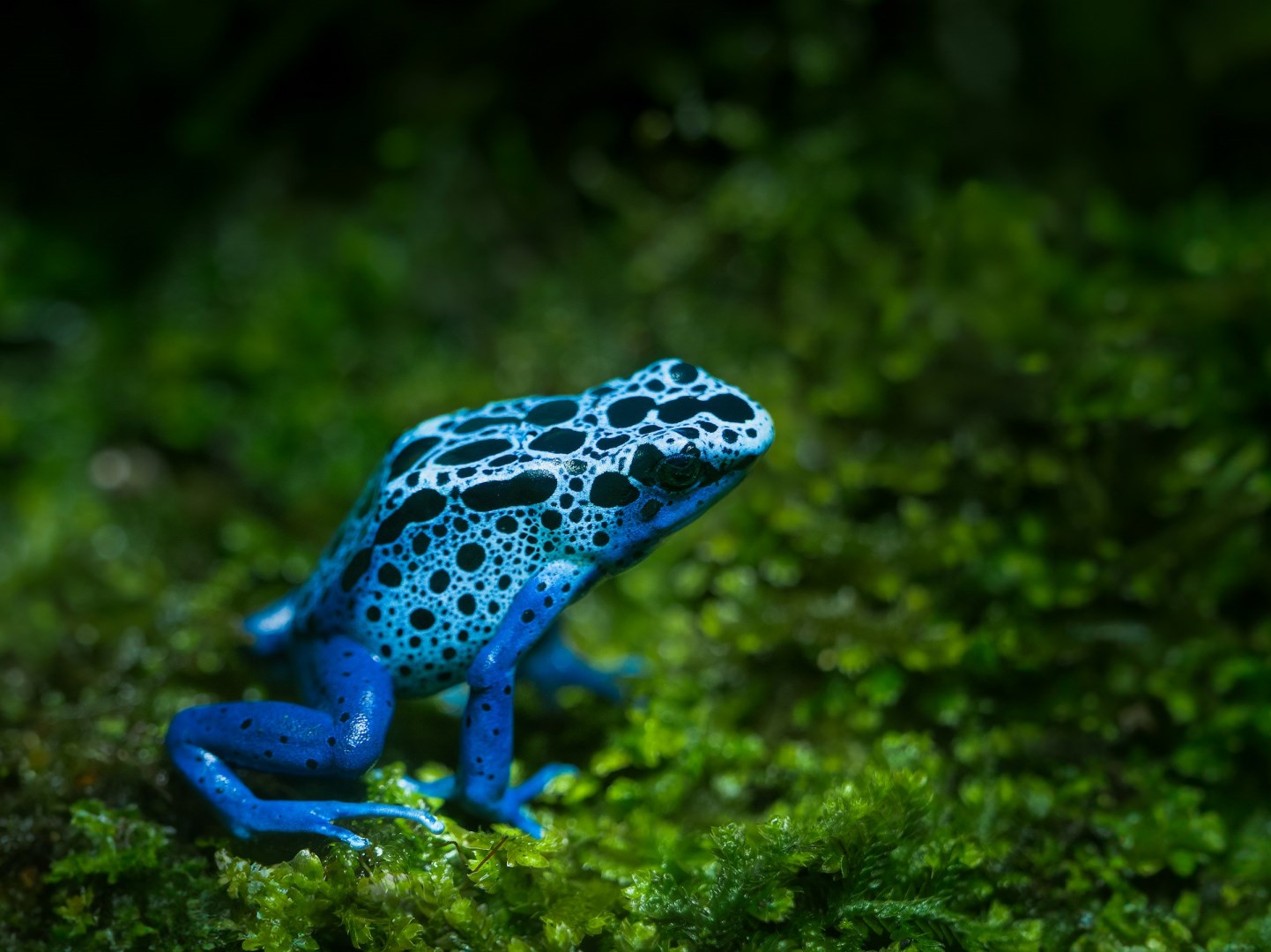
Suriname
Suriname’s forests cover more than nine‑tenths of the country and house an astounding array of wildlife. The Central Suriname Nature Reserve, one of the largest rainforest sanctuaries on Earth, shelters jaguars, giant river otters, and hundreds of bird species. Nearer the capital, Brownsberg Nature Park offers forest trails and waterfalls amid 1,450 plant and 350 bird species, just a short drive from Paramaribo.

Puerto Quetzal
The largest Pacific seaport in Guatemala, Puerto Quetzal is also the gateway to Antigua, a well-preserved colonial city.
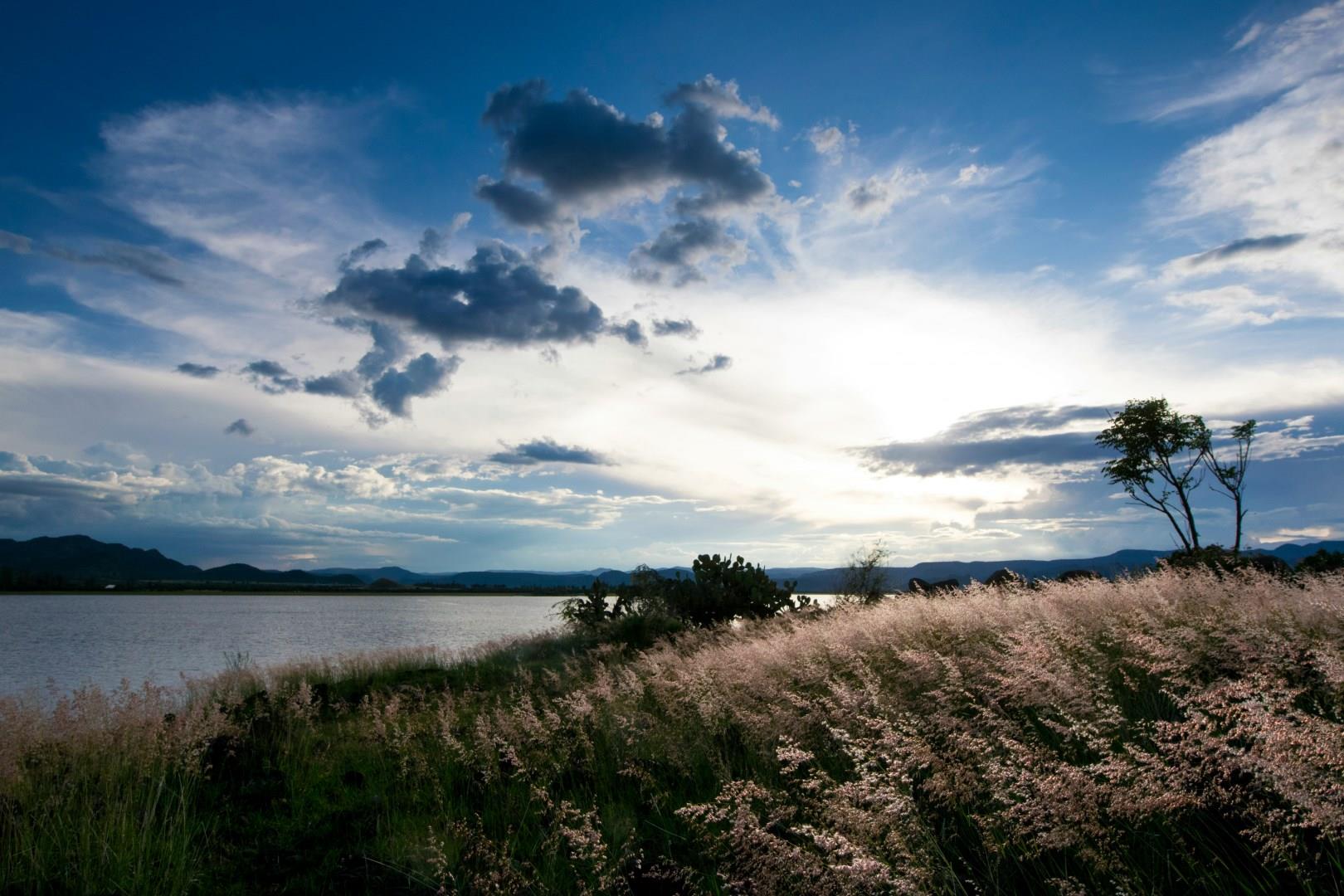
Durango
Durango, located in north-central Mexico, is a destination rich in history, dramatic landscapes, and cultural traditions that date back centuries. Once a key outpost during Spanish colonization, Durango played an important role in the development of northern Mexico. The city of Victoria de Durango, the state capital, features cobblestone streets and more than 1,000 officially registered historical structures.
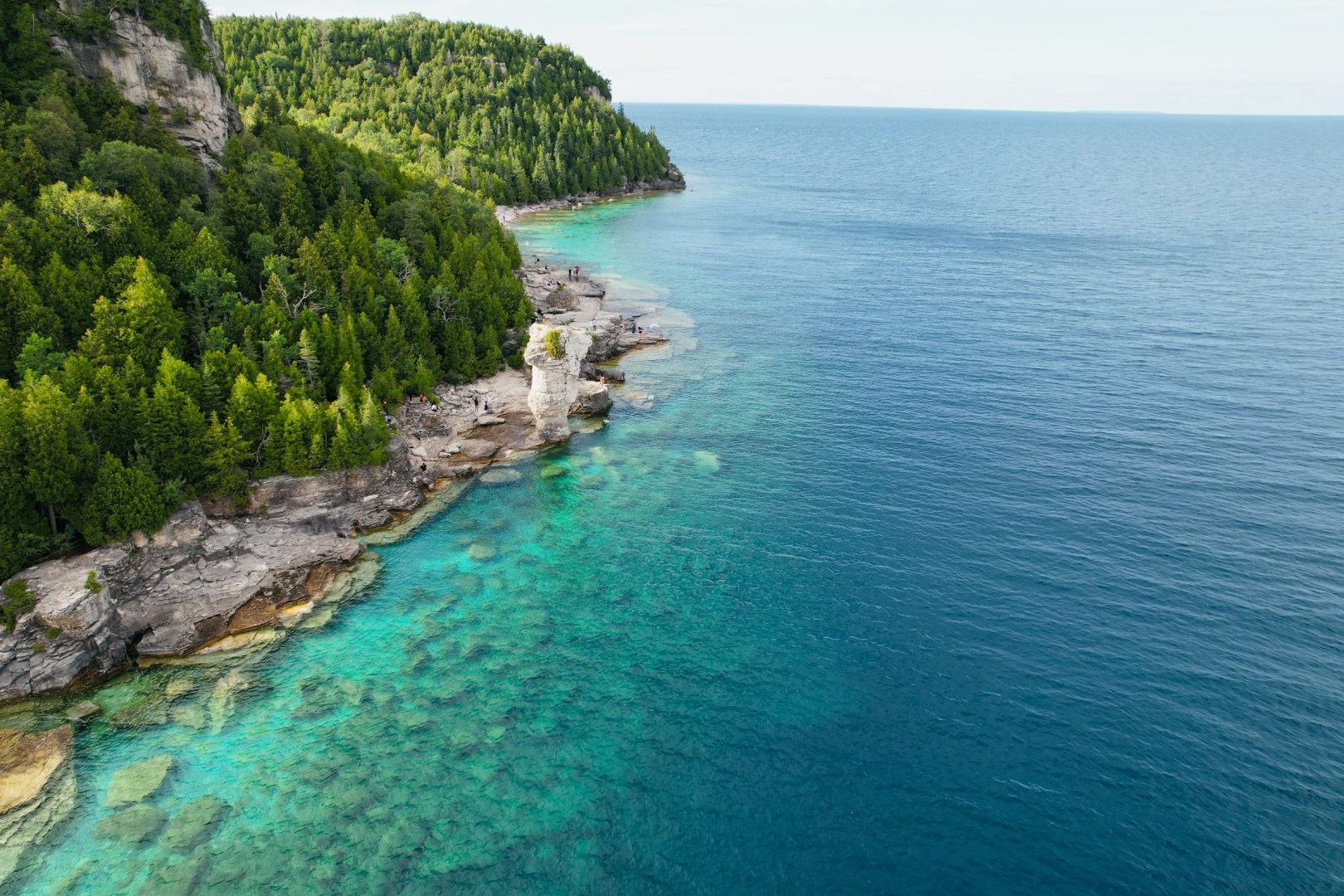
Tobermory
Tobermory is a small harbour community at the northern tip of the Bruce Peninsula in Ontario, where Georgian Bay meets Lake Huron. Its location is surrounded by clear freshwater, rugged limestone shoreline, forests, and numerous offshore islands. Tobermory is closely associated with Fathom Five National Marine Park and Bruce Peninsula National Park, which protect distinctive terrestrial and underwater environments around the peninsula.
