

Belluno
Nestled in the foothills of the Dolomites, the picturesque town of Belluno offers visitors a perfect blend of natural beauty, history, and culture. Known as the "gateway to the Dolomites," Belluno is surrounded by rugged mountains, making it a prime destination for hikers, climbers, and outdoor enthusiasts. The town’s position along the Piave River also offers stunning views and opportunities for riverside walks.

Kiel
This city is the last stop on one of the busiest artificial waterways in the world, the Kiel Canal. It is an important base for the German Navy and famous for its international sailing event, the "Kieler Woche", an annual sailing event that attracts millions of people around the world.

Ushuaia
Are you ready to go to the End of the World? Stunning views of snow-capped mountain peaks await you in Ushuaia, located on the southernmost tip of South America. This small coastal town sits between the Martial Mountains and the Beagle Channel and is a popular embarkation point for Antarctic cruises. Visit some of Ushuaia's popular attractions, including Les Éclaireurs Lighthouse, Tierra del Fuego National Park, Lapataia Bay, and the Museo del Fin del Mundo.

Veere
Once a big, bustling sea port for the Scottish wool trade and known as Kampvere, Veere is now a small village whose economy mainly relies on tourism. A major point of interest for visitors is the Campveerse Toren (Campvere Tower), built as part of the city defenses around 1500 and now serving as one of the oldest inns in the Netherlands
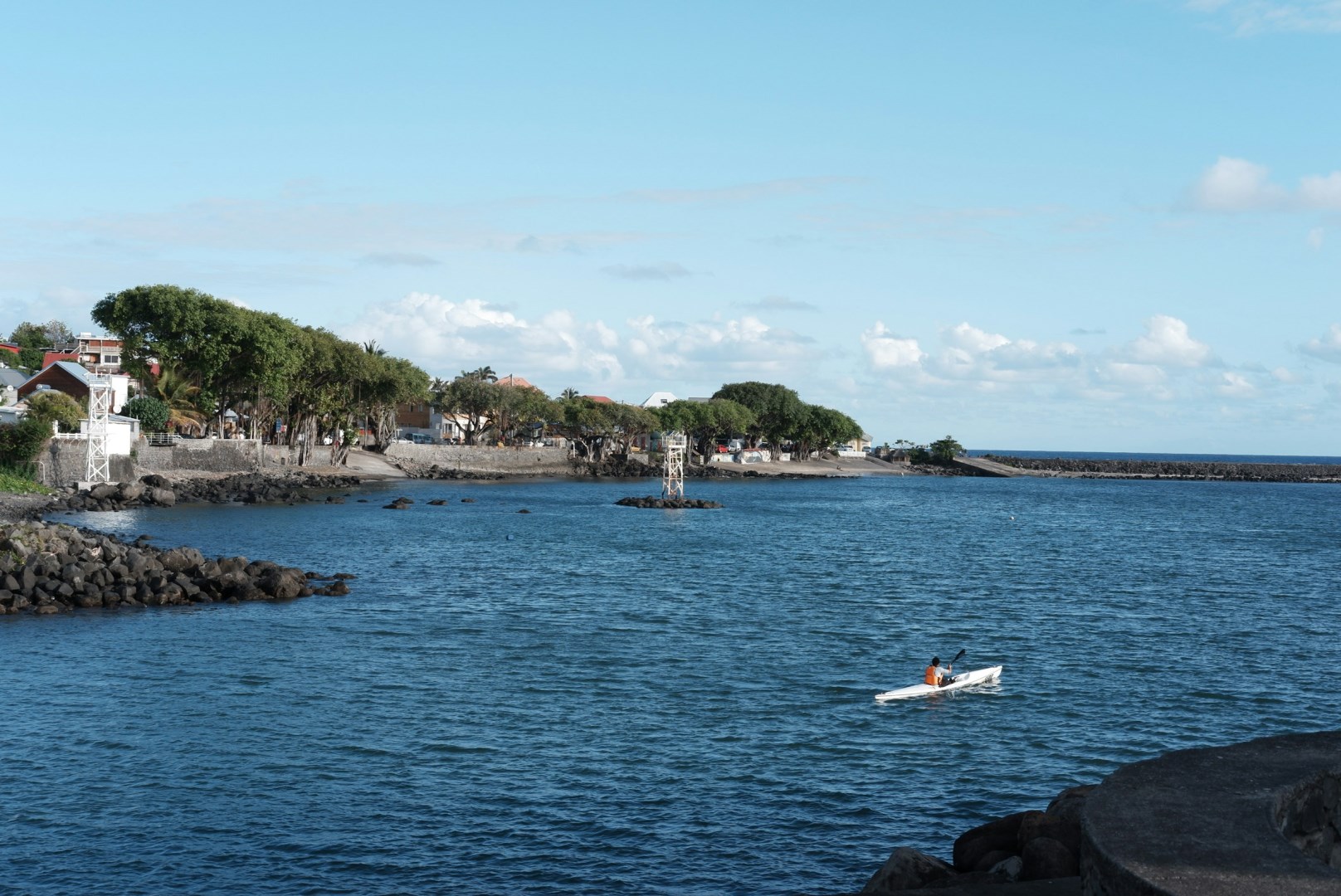
Saint Pierre
Saint-Pierre, located on the southwestern coast of Réunion Island, is a vibrant port town known for its blend of Creole culture, tropical landscapes, and lively urban life.
