
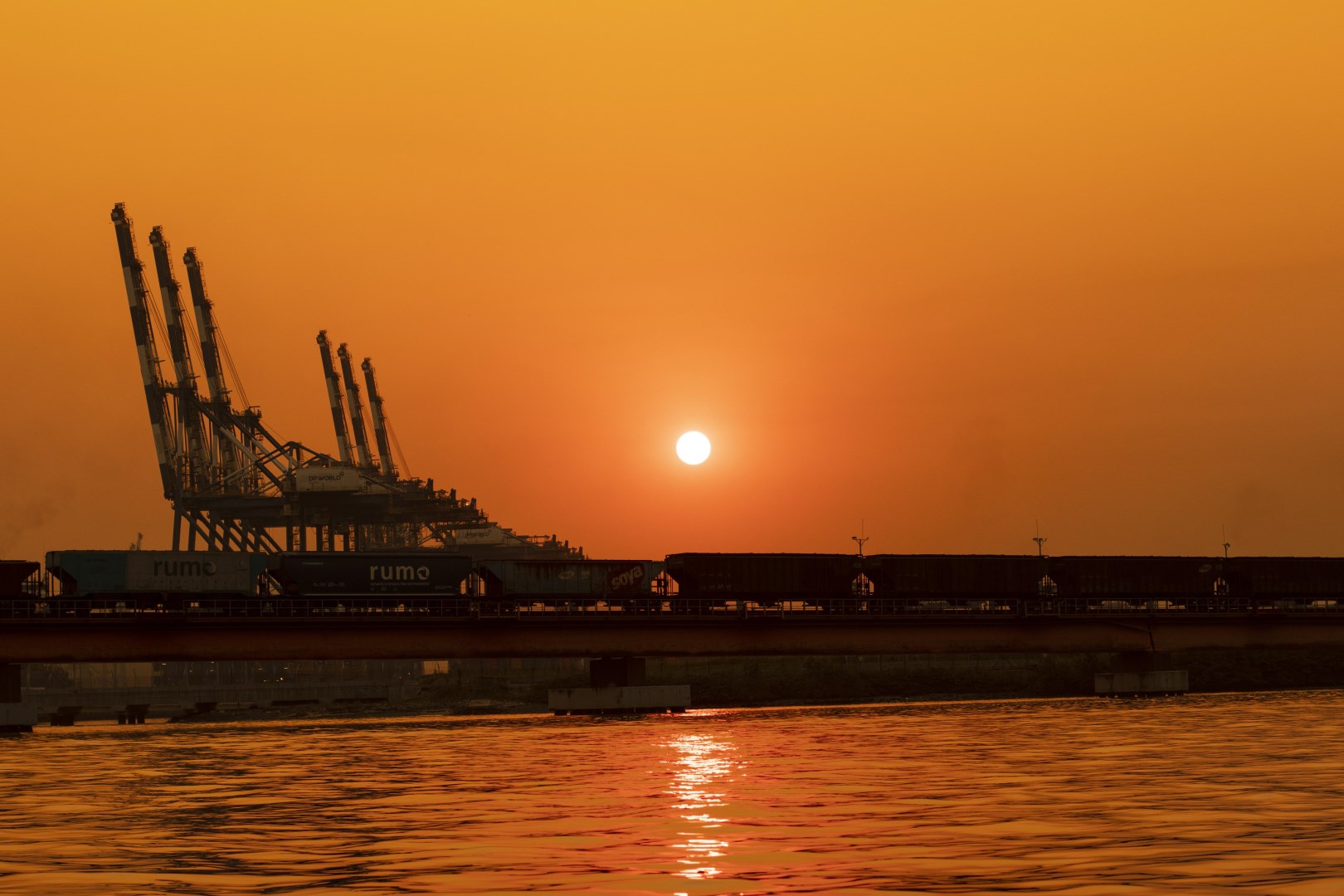
Santos
Santos is a coastal city in the state of São Paulo, Brazil, located on São Vicente Island along the Atlantic Ocean. It is best known as the home of the Port of Santos, the largest port in Latin America and one of the most important shipping centers in the Southern Hemisphere.
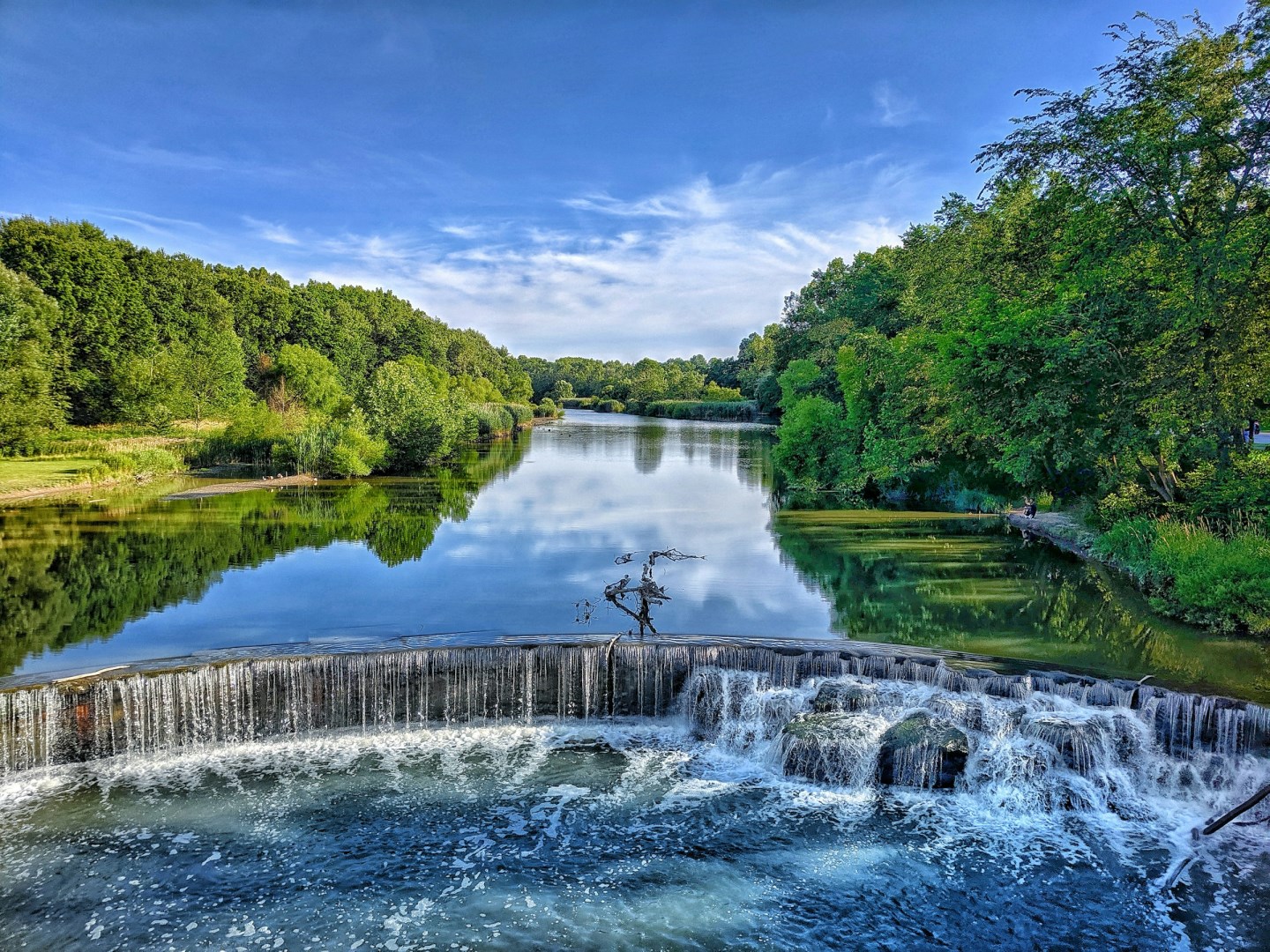
Ohio
Ohio offers a blend of surprises that range from ancient earthworks to world-class roller coasters. In the southern part of the state, the newly designated Hopewell Ceremonial Earthworks tells the story of a sophisticated Native American culture that built massive geometric mounds over 2,000 years ago. Visitors can walk among these quiet, grassy structures and learn how they were used for ceremonies, astronomy, and social gatherings long before European contact.
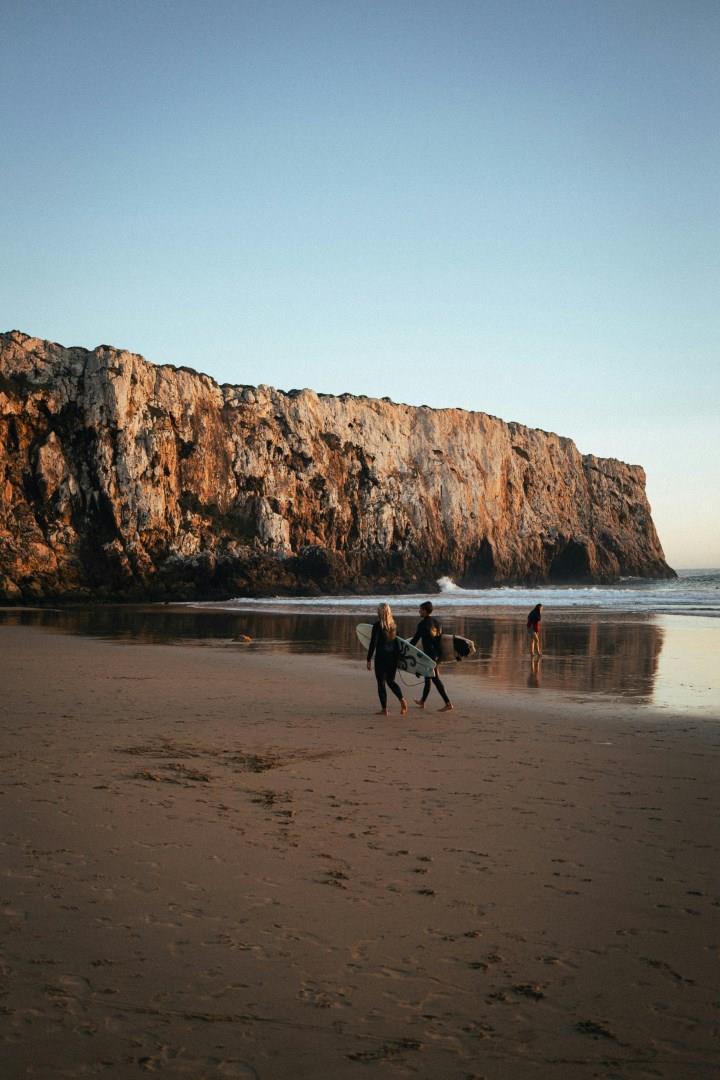
Sagres
Sagres sits at the southwestern edge of continental Europe in Portugal’s Algarve region, where the Atlantic’s wide horizon meets rugged cliffs and open skies. For centuries this point was linked to maritime adventure and visitors can still feel that sense of discovery in the air. Here, people like Prince Henry the Navigator gathered cartographers, shipbuilders and astronomers in the 1400s to push beyond maps of the known world and shape the early Age of Discovery from Sagres’ dramatic headlands.
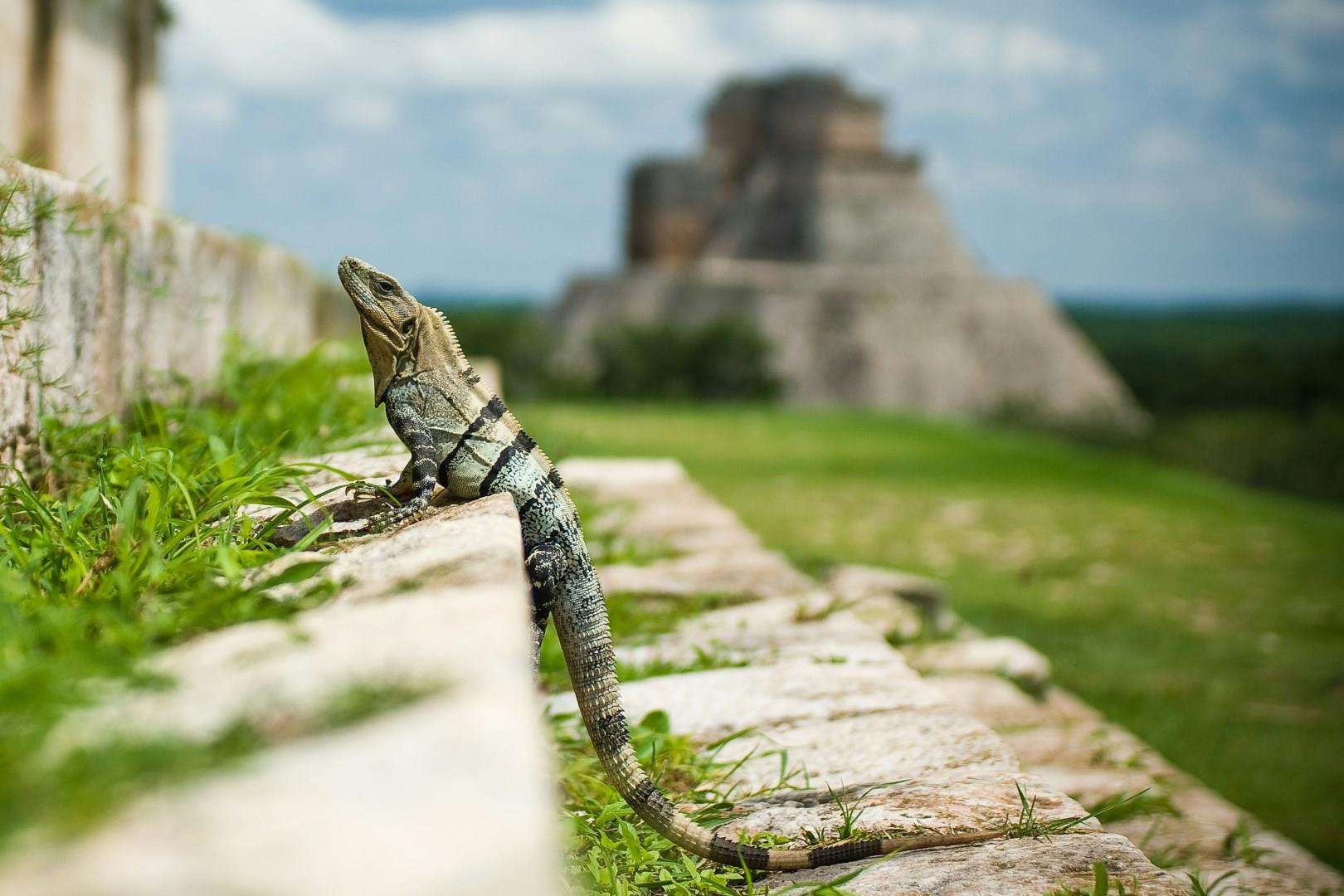
Uxmal
Uxmal, located about 80 kilometers south of Mérida in the Puuc region of Yucatán, is one of the most architecturally refined ancient Maya cities. Unlike other major Maya sites built with steep pyramids and narrow passageways, Uxmal is known for its smooth limestone structures, wide plazas, and intricate stone mosaics. One unique experience available to visitors is the nightly light and sound show, which uses colored projections to highlight carvings and narrate local legends and Maya cosmology.
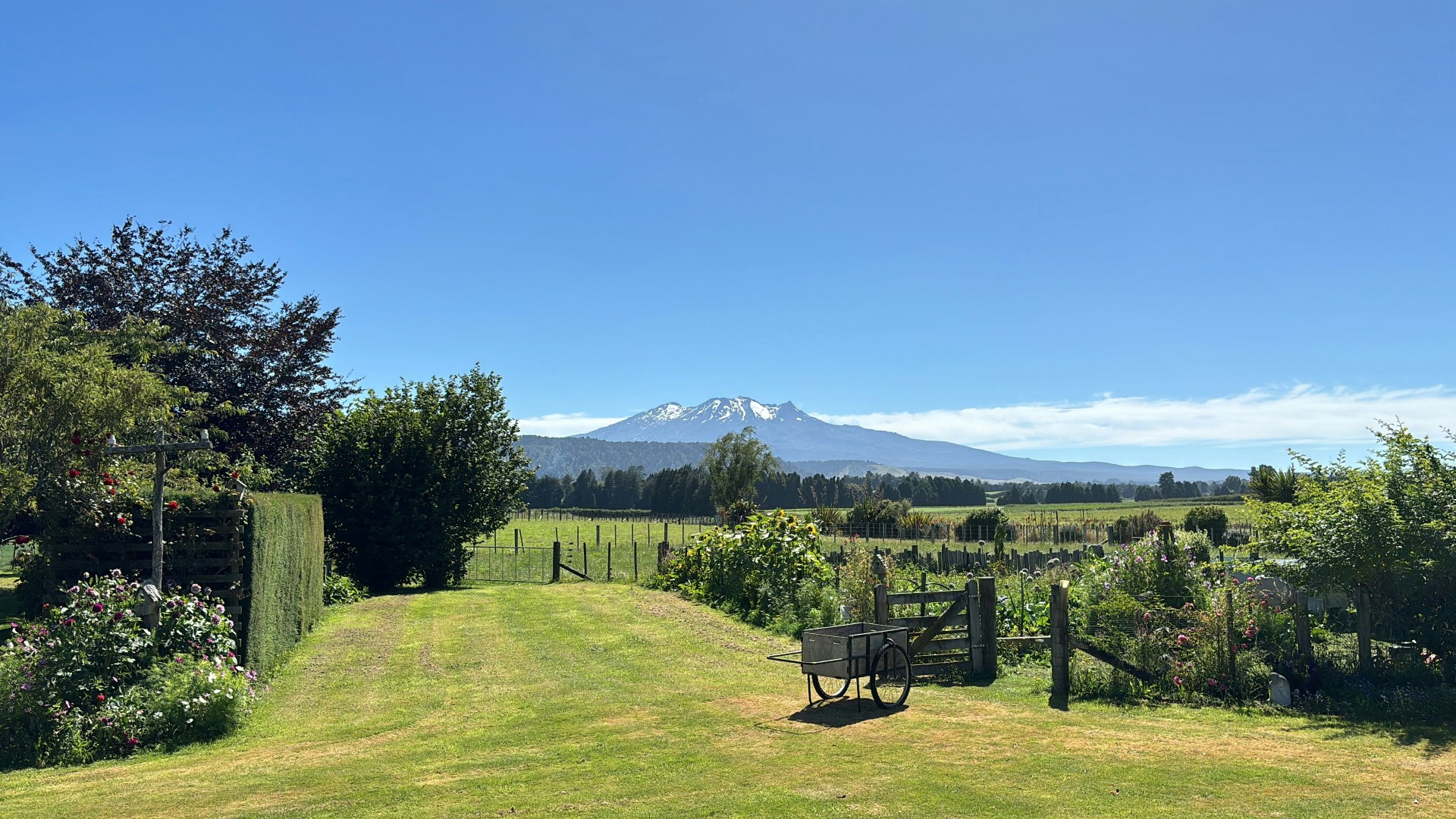
Ohakune
Ōhakune is a small town in New Zealand’s North Island, located at the southern edge of Tongariro National Park. It sits near the base of Mount Ruapehu, one of the country’s most active volcanoes, and serves as a gateway to alpine landscapes.
