
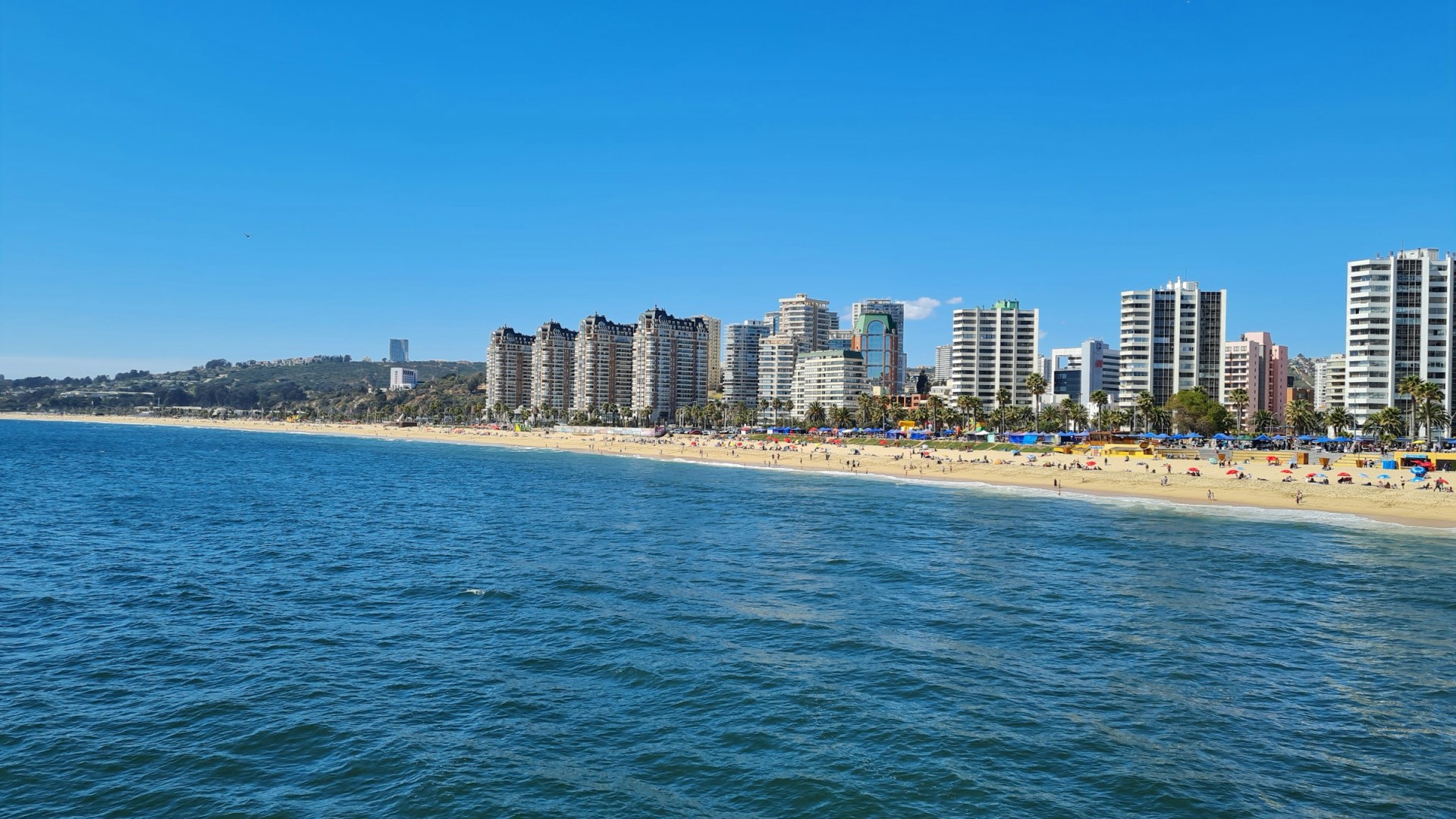
Viña del Mar
Chile's premier beach resort is only 10km north of Valparaíso, and is popularly known as the Garden City because of its manicured subtropical landscape of palm and banana trees. Horse-drawn carriages trot past attractive turn-of-the-century mansions on both river and beach frontages. Other attractions are the white-sand beaches, numerous parks and notable museums housed in restored mansions. The town is also the home of Chile's national botanical garden, comprising 61 hectares of native and exot
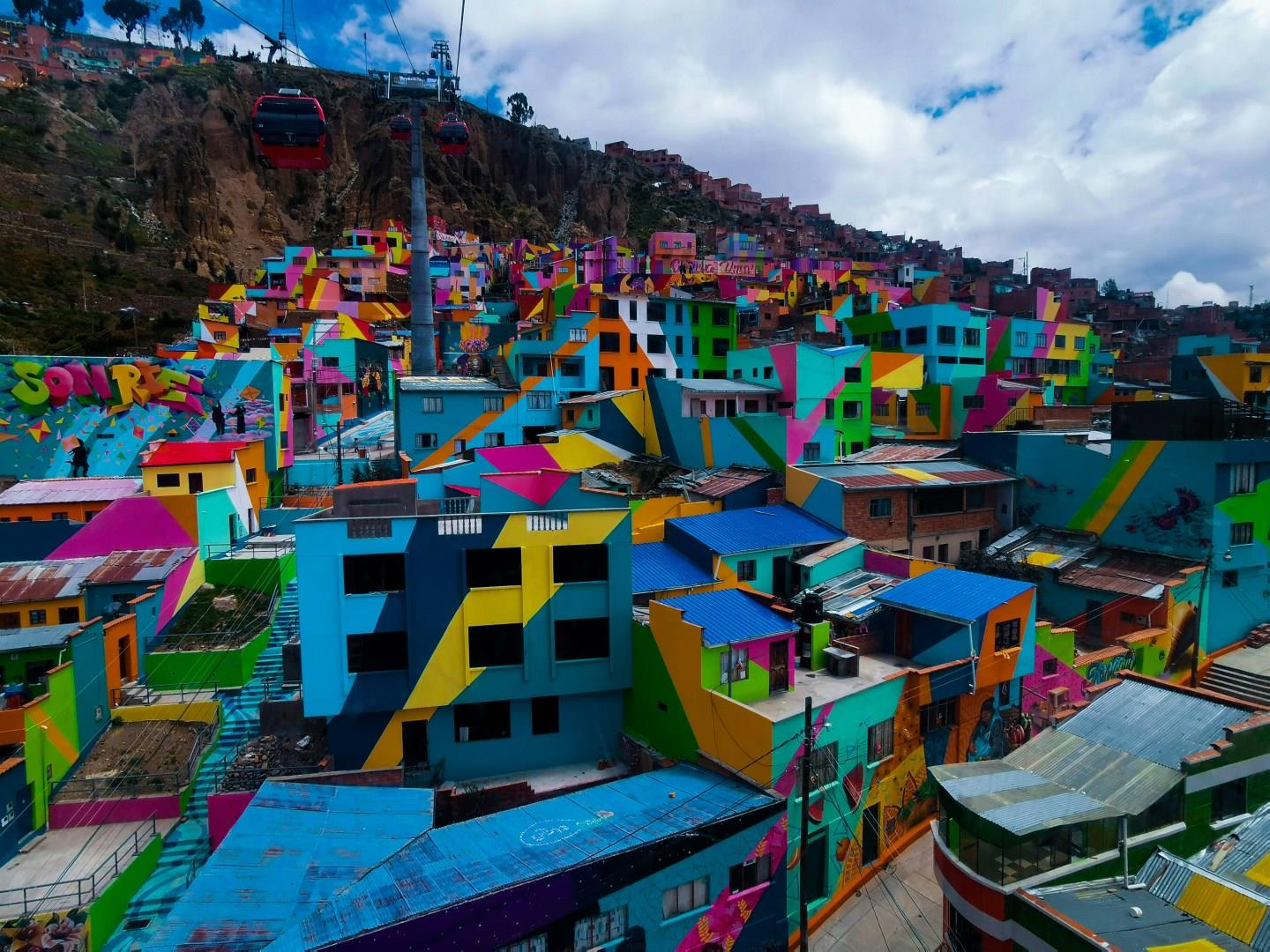
La Paz
La Paz, Bolivia’s seat of government, is one of the world’s highest capital cities, dramatically set in a deep canyon carved by the Choqueyapu River. Founded in 1548 atop an important Indigenous settlement, the city has long been a crossroads of Andean cultures, colonial history, and modern political life.

Sacred Valley
The Sacred Valley, located in the Andes and divided by Urubamba River, was part of the larger Inca Empire, along with Machu Picchu and the closeby town of Cusco. Tourists will see green agricultural landscapes and Spanish hamlets like Ollantaytambo and Pisac, the latter featuring a Sunday market.

Klaksvik
Klaksvík, the second-largest town in the Faroe Islands, is a must-visit destination for those seeking a blend of nature, culture, and modern amenities. Nestled between two majestic fjords, this picturesque fishing town is surrounded by towering mountains and offers a stunning natural backdrop at every turn.
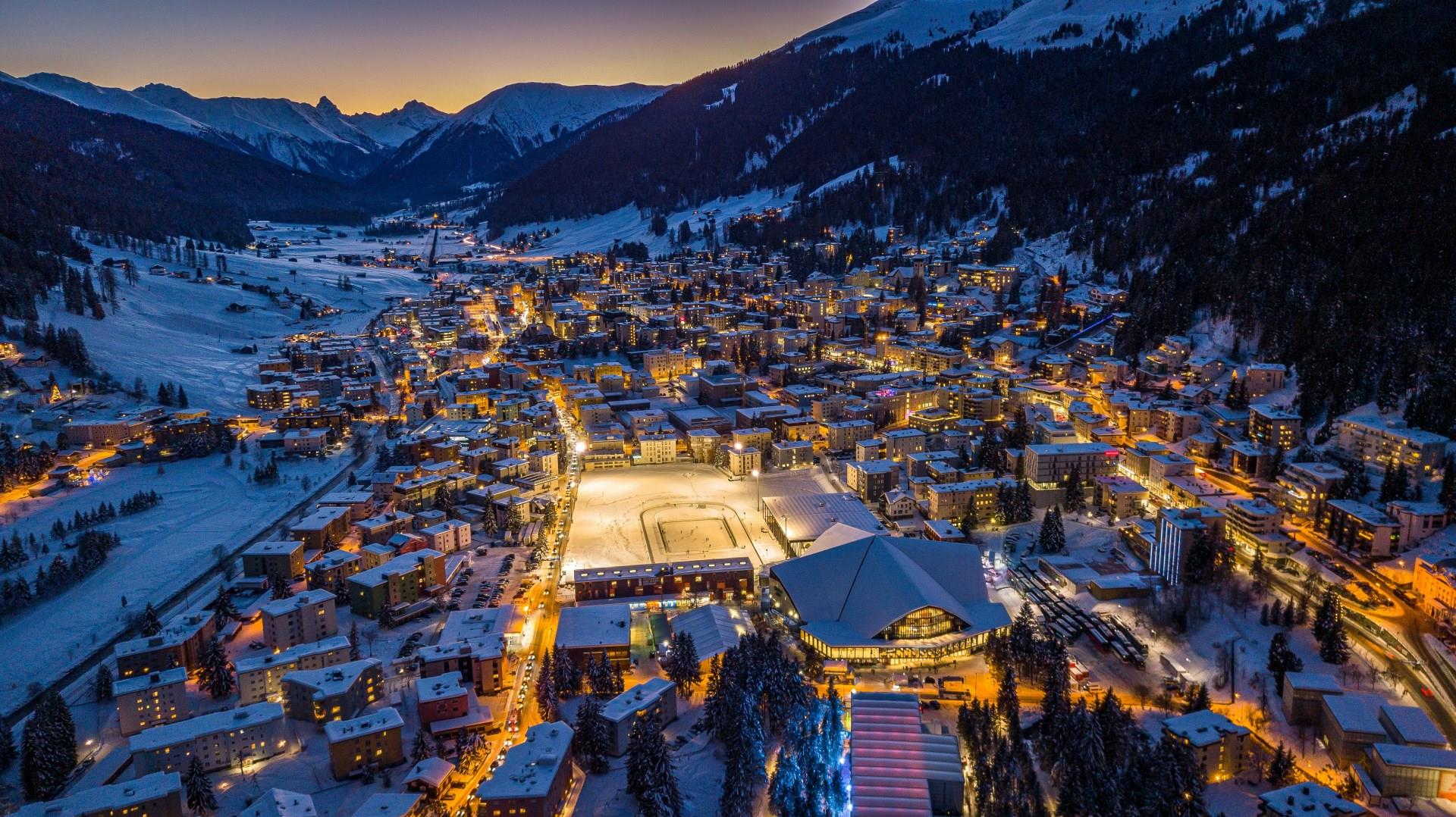
Davos
Davos, located in the Swiss canton of Graubünden, is the highest town in Europe at 1,560 meters above sea level and known for its alpine sports and outdoor activities. In winter, it offers over 300 kilometers of ski slopes shared with neighboring Klosters, along with cross-country trails and Europe’s largest natural ice rink. In summer, the same mountains transform into hiking and mountain biking routes, including the panoramic Jakobshorn and Parsenn areas.
