
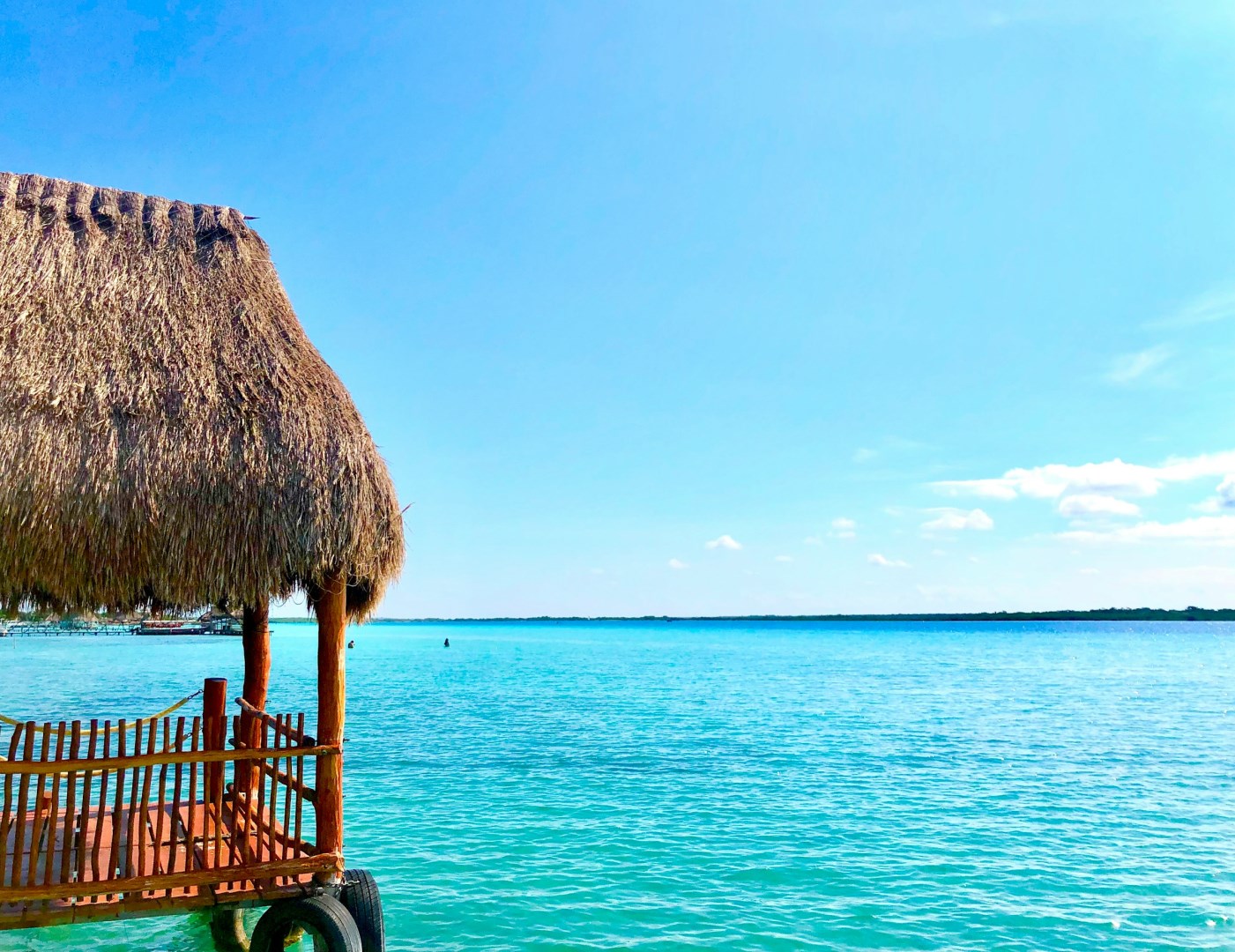
Bacalar
Bacalar sits on the tranquil shores of Laguna de Bacalar in southern Quintana Roo, Mexico, and has been a meeting place for people and cultures for centuries. Its name comes from the ancient Maya phrase Sian Ka’an Bakhalal, meaning “where the sky is born,” a reminder of how deeply this place figures in regional history and identity.
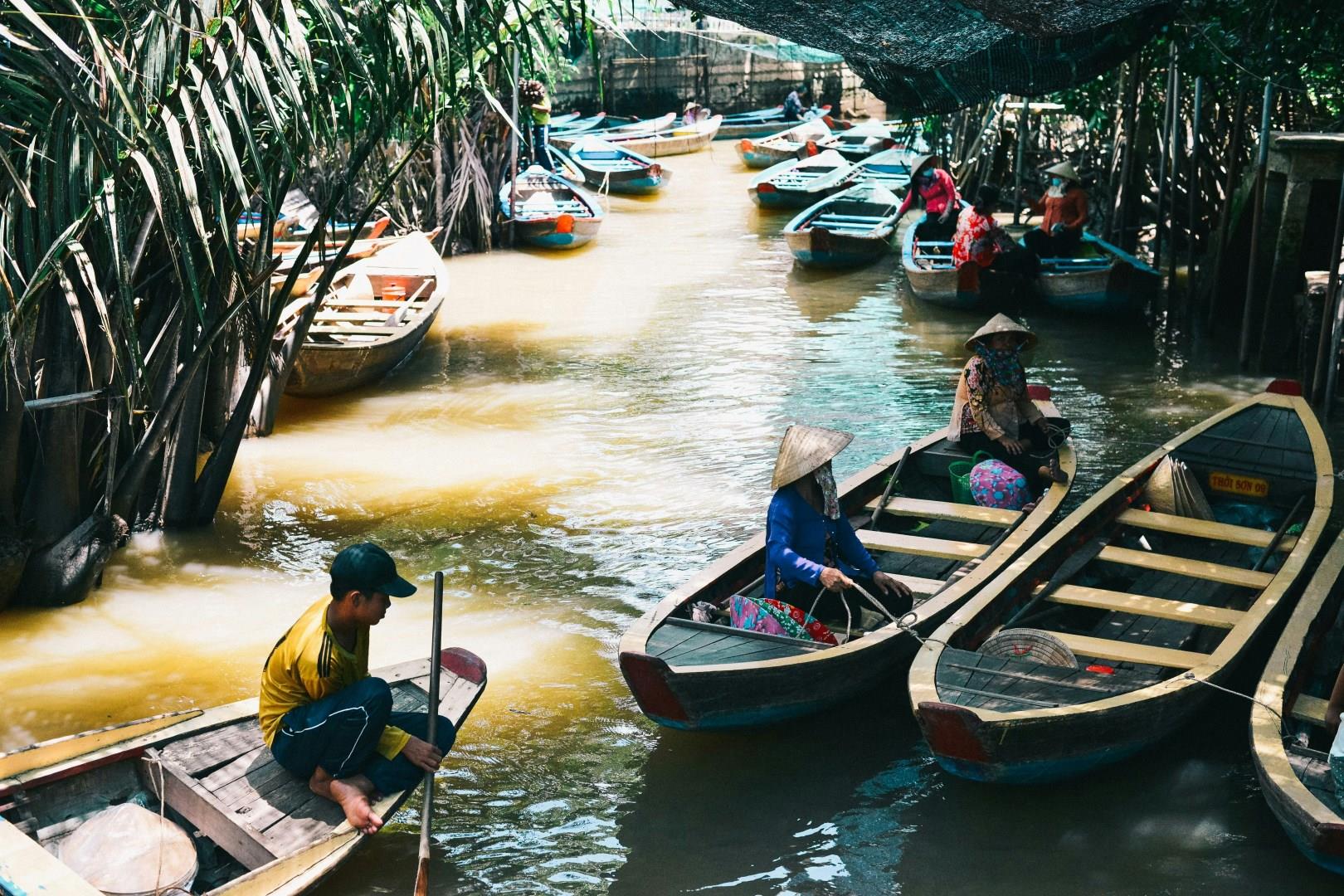
My Tho
My Tho lies along the Tien River at the edge of Vietnam’s Mekong Delta, where waterways shape both movement and daily life.
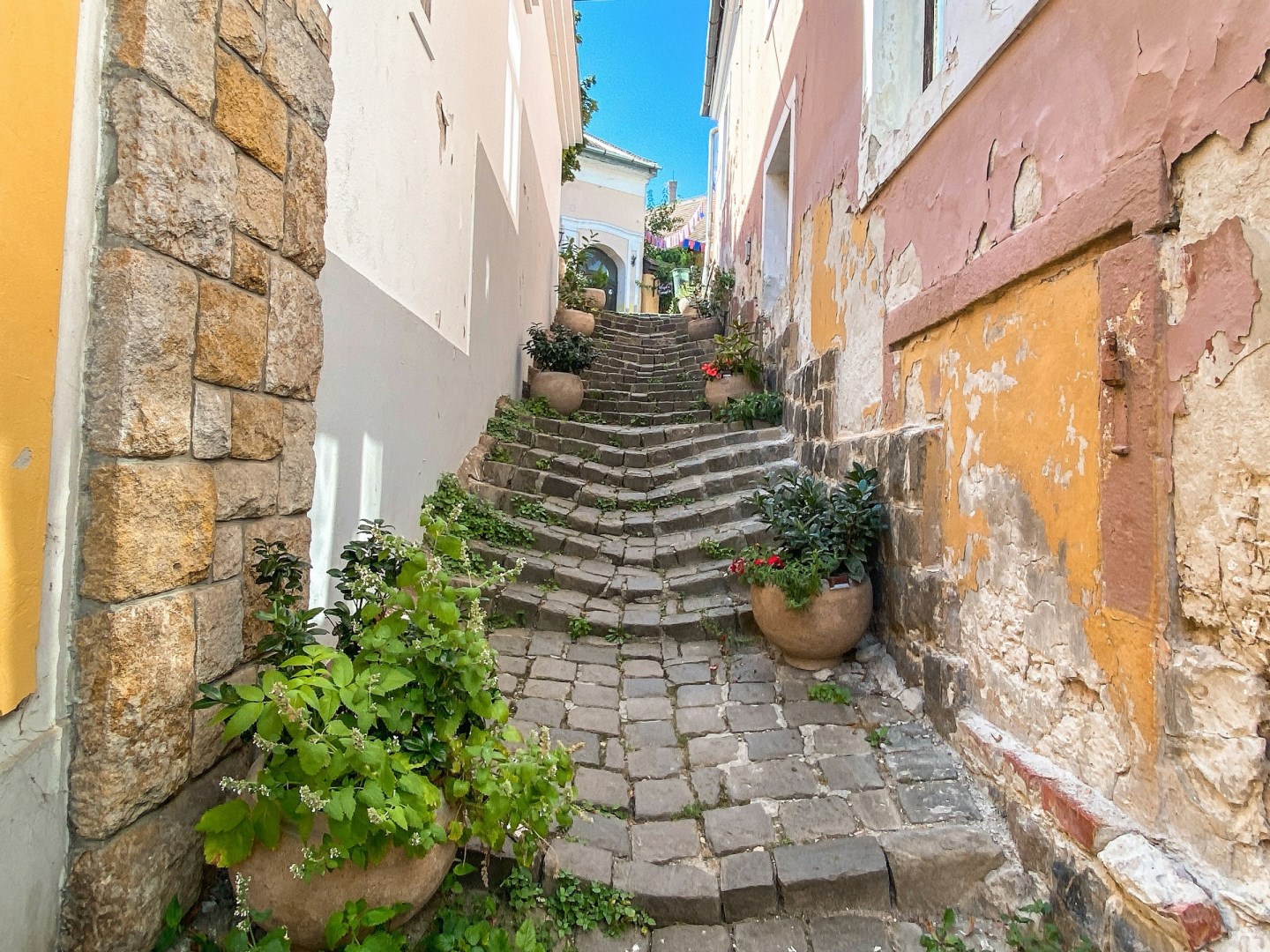
Szentendre
A beautiful baroque town with richly decorated baroque churches and a charming Main Square with a decorative wrought-iron cross.
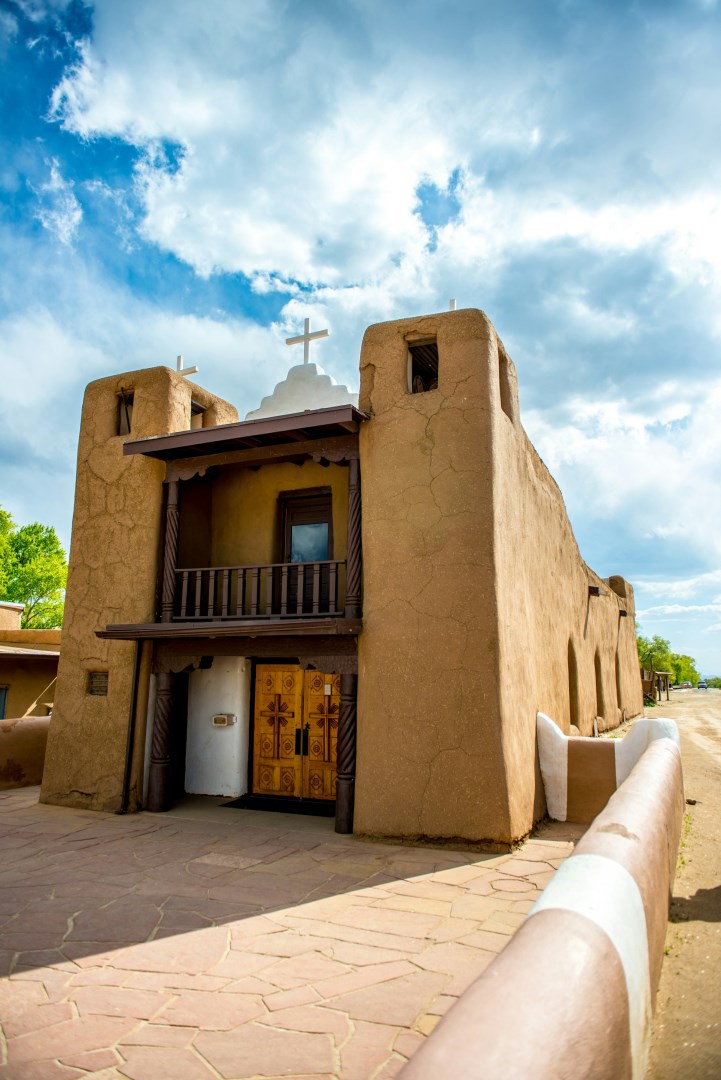
Taos
Taos, located in northern New Mexico, is a town renowned for its rich blend of Native American, Spanish, and Anglo cultures, dramatic landscapes, and artistic legacy. Nestled in the Sangre de Cristo Mountains, it has been a center for centuries of human settlement, from the Taos Pueblo, one of the oldest continuously inhabited communities in North America, to Spanish colonial missions and trading posts.
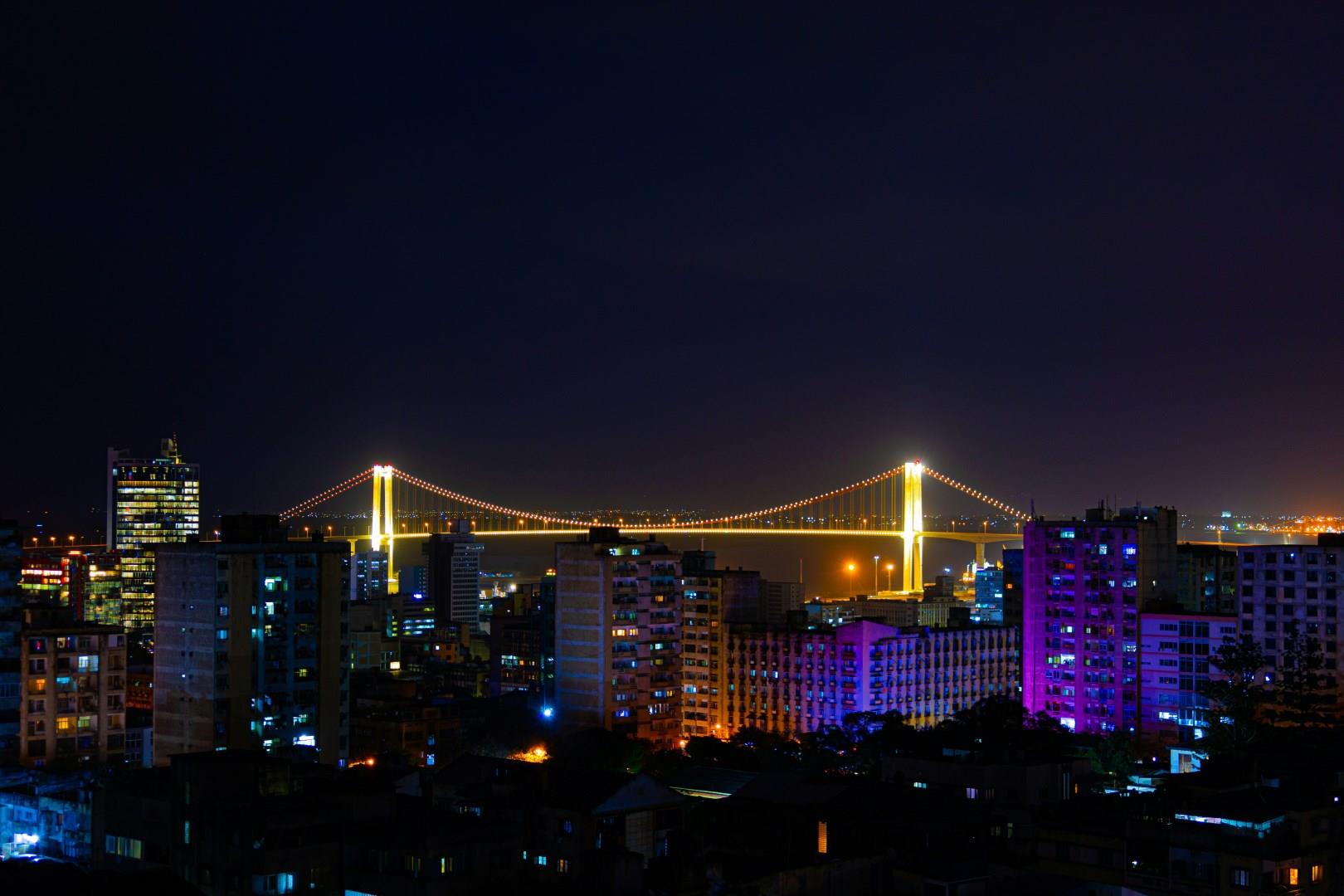
Maputo
Maputo, Mozambique’s capital, grew from a modest colonial port into a city shaped by trade, migration, and independence.
