
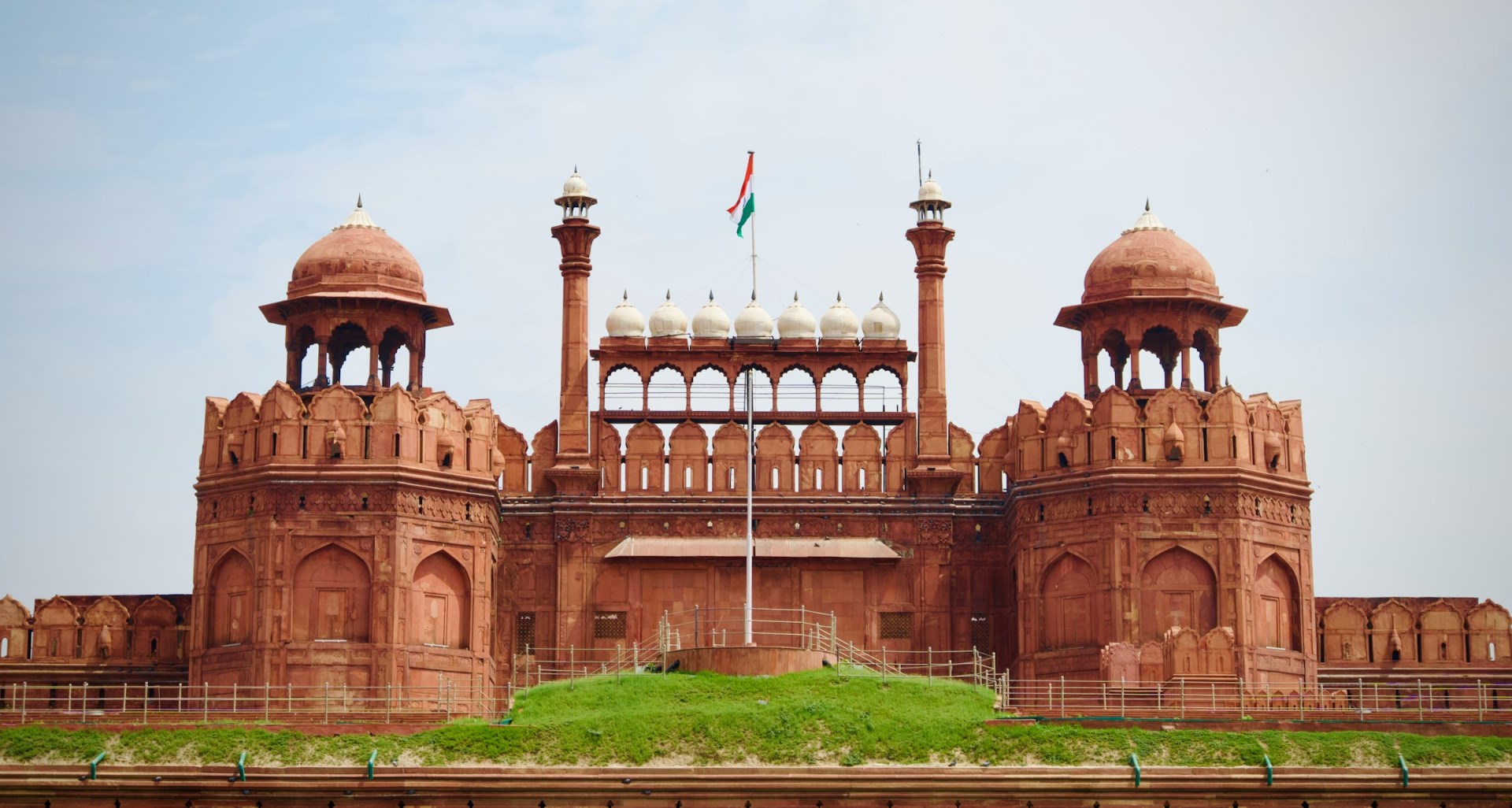
New Delhi
New Delhi is the planned central district of India’s capital, laid out with broad avenues, formal gardens, government buildings, and prominent public landmarks. Designed around ceremonial spaces and tree-lined roads, it contrasts with the dense lanes and historic neighborhoods of Old Delhi. Rashtrapati Bhavan, Parliament, India Gate, and Kartavya Path form some of the district’s defining landmarks.
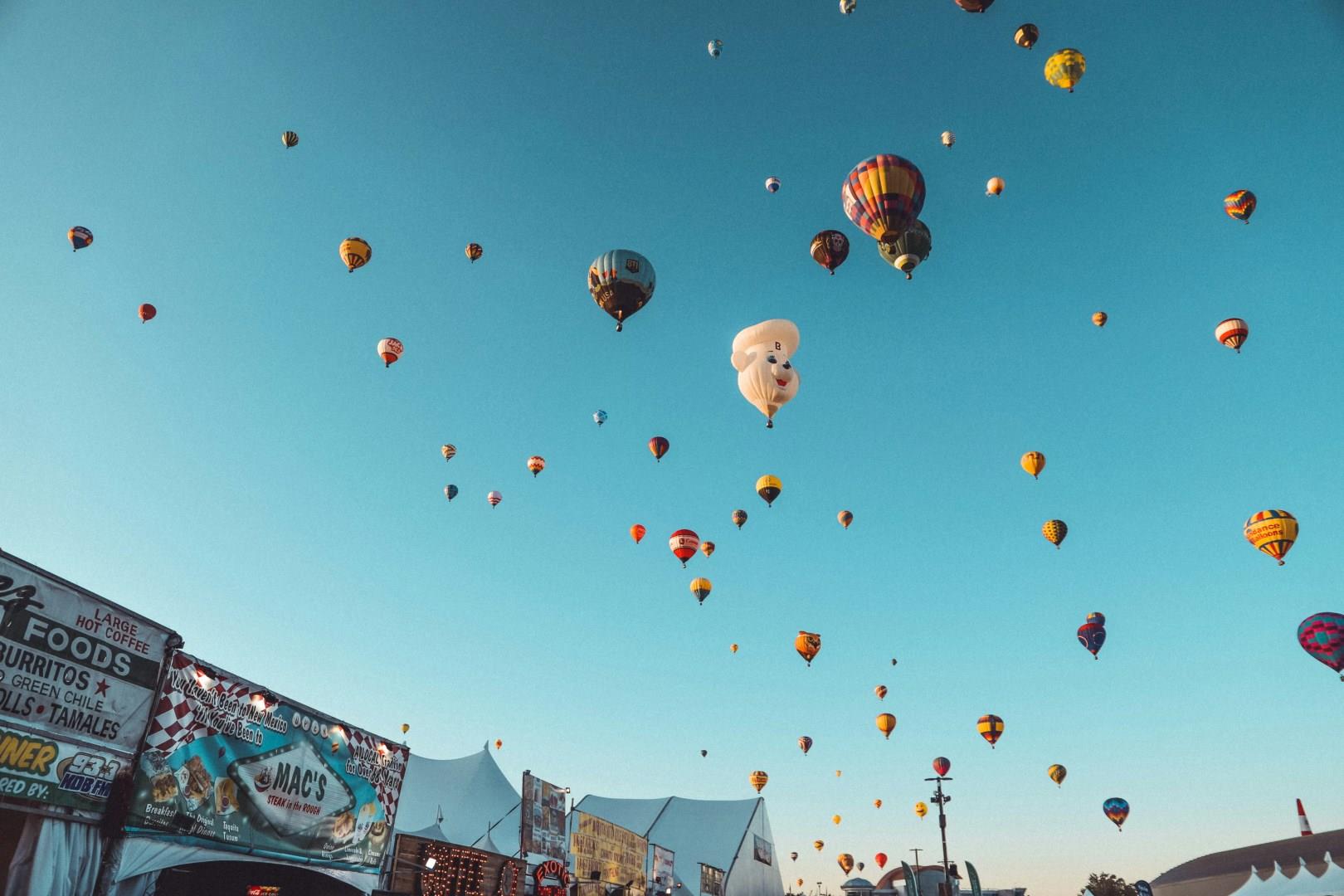
Albuquerque
Albuquerque, New Mexico, is a city where centuries-old adobe architecture, desert landscapes, and modern innovation meet beneath some of the clearest skies in the country. Every October, Albuquerque becomes the site of one of the most photographed events in the world: the Albuquerque International Balloon Fiesta. For nine crisp mornings, hundreds of hot air balloons rise over the city, painting the sky in brilliant colors and wild shapes with everything from farm animals to space aliens.
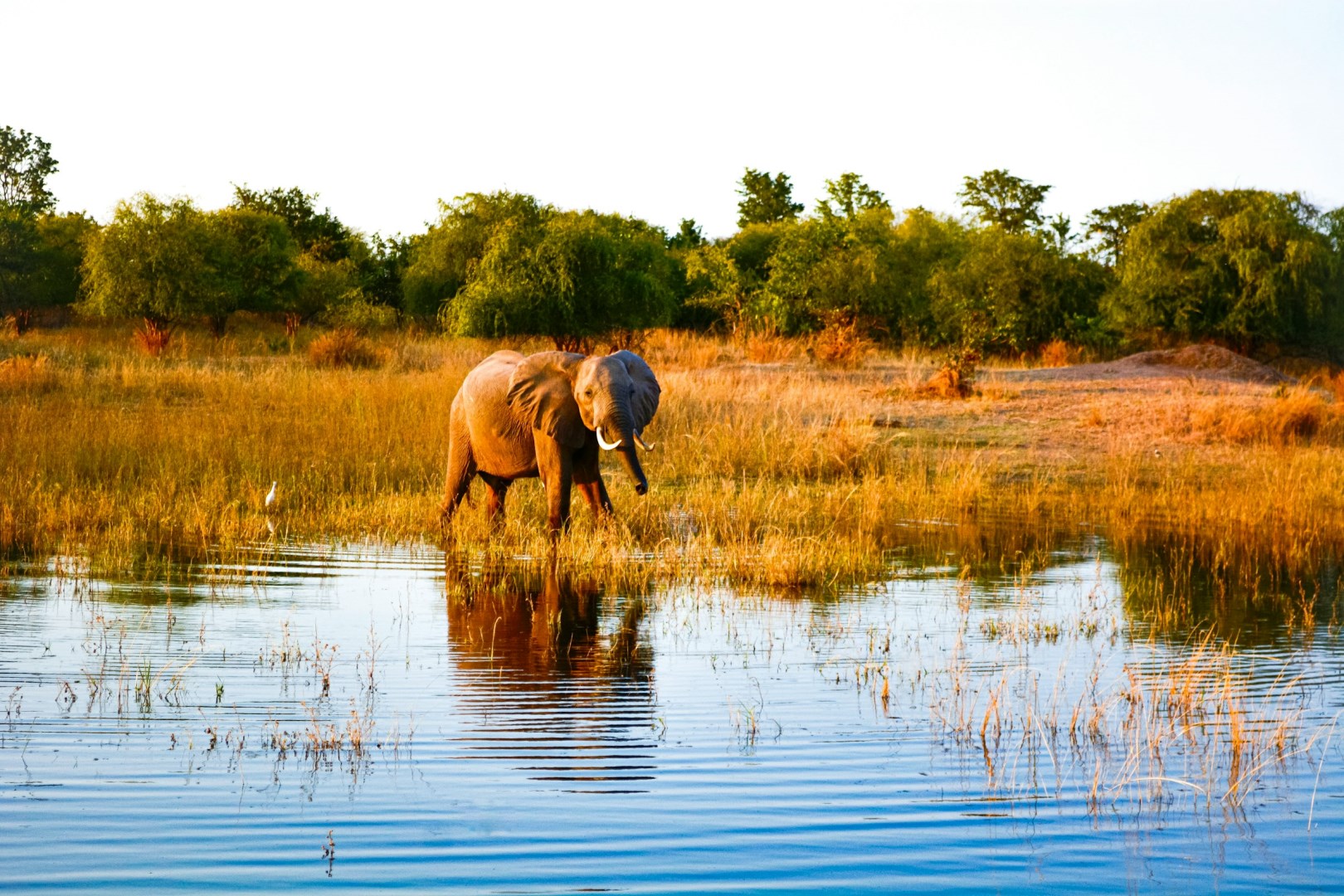
Lake Kariba
Lake Kariba is a large reservoir on the Zambezi River along the border between Zimbabwe and Zambia. On the Zimbabwean side, the lake stretches through a landscape of wooded hills, rocky shorelines, islands, and broad expanses of open water. The reservoir is closely connected with the town of Kariba, which developed around the hydroelectric project at the lake’s eastern end.
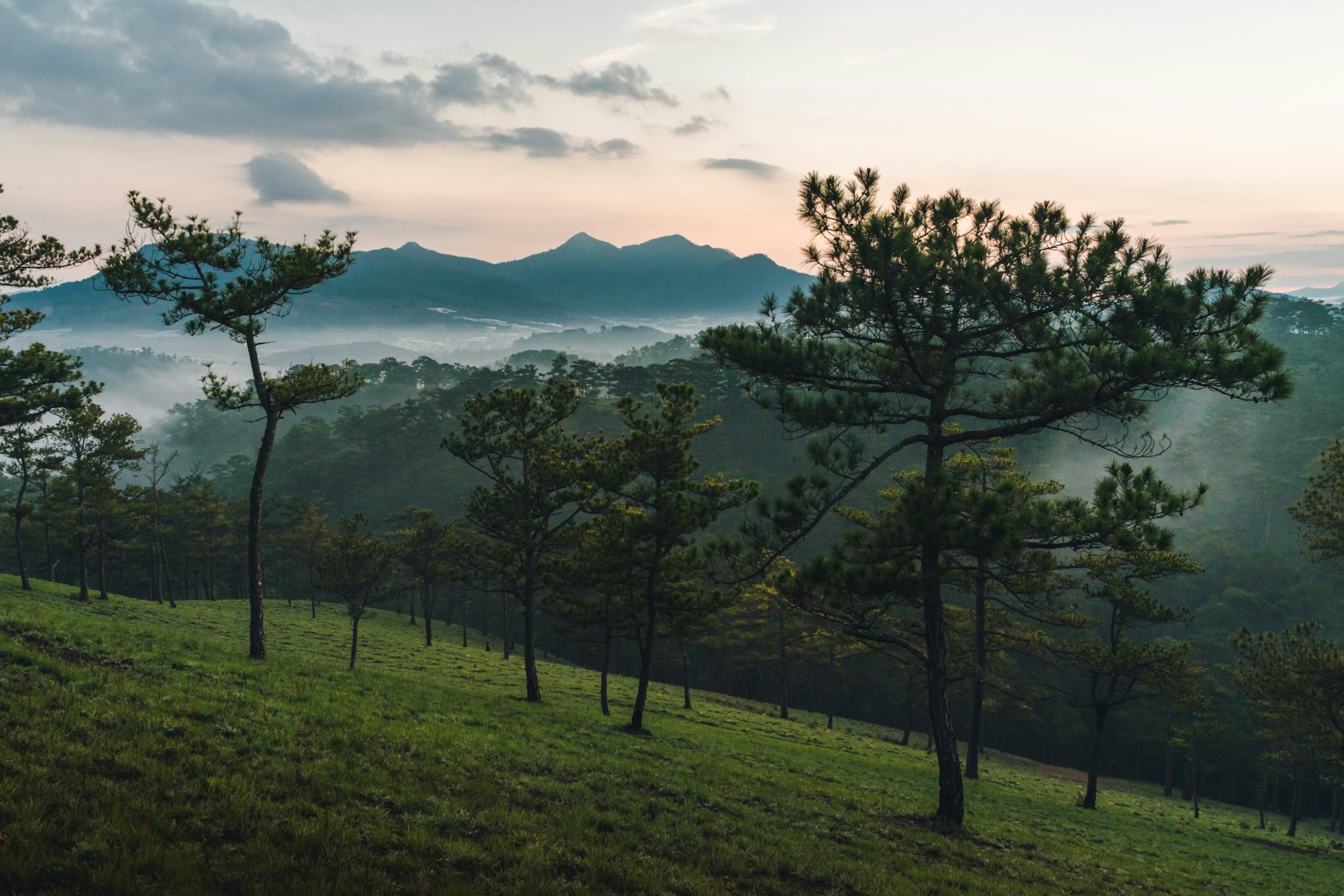
Đà Lạt
Da Lat is a highland city in Lam Dong Province, central Vietnam, situated on the Lang Biang Plateau. Its elevated setting gives the city a cooler climate than much of southern Vietnam, while pine forests, hills, lakes, and agricultural valleys surround the urban area. Da Lat is known for flower cultivation, vegetable farms, coffee plantations, and distinctive French-influenced architecture.
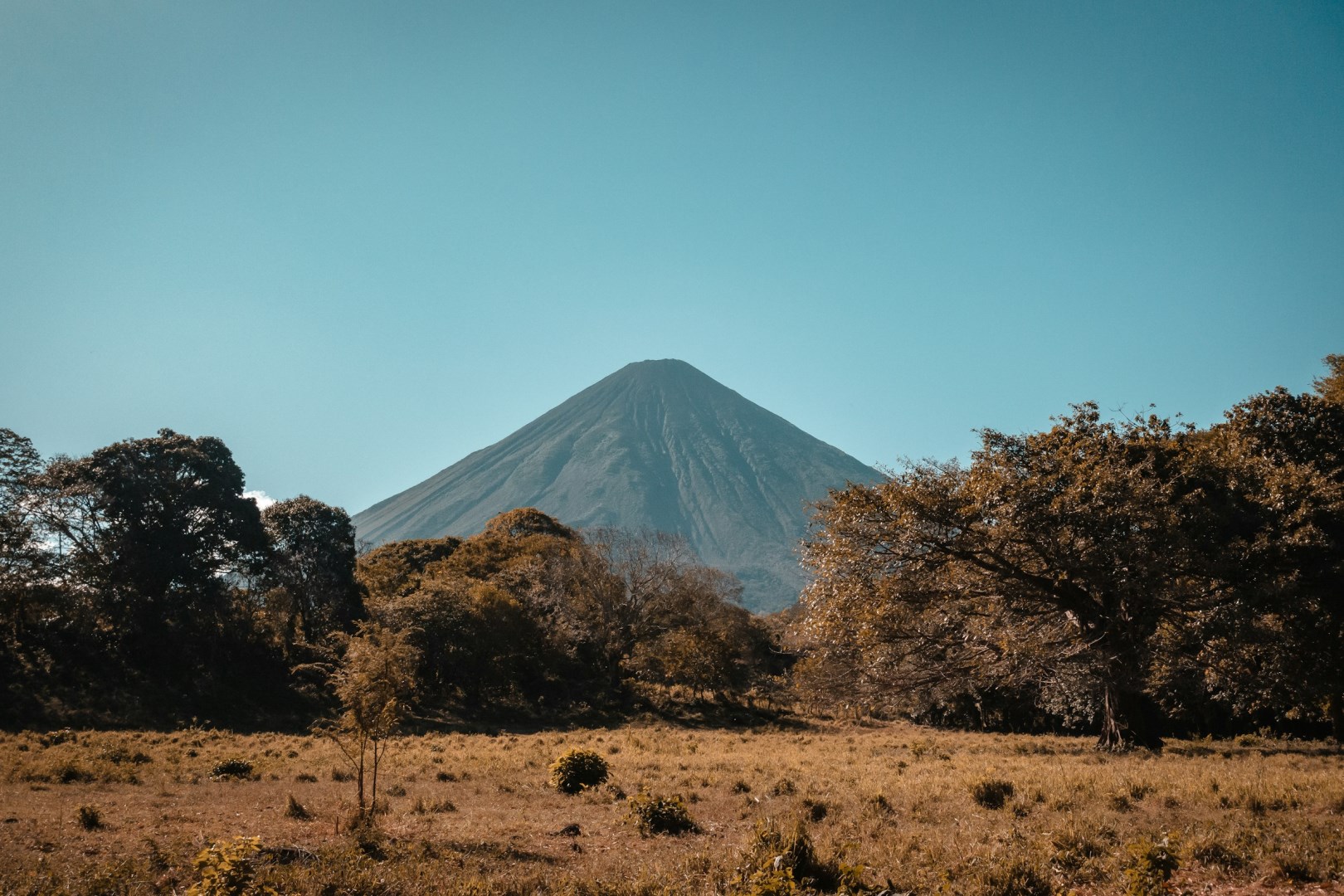
Ometepe
Ometepe is an island in southwestern Nicaragua, located in Lake Nicaragua and formed by two volcanoes joined by a narrow isthmus. Concepción rises on the northern side of the island, while Maderas occupies the southern section. The island includes the municipalities of Moyogalpa and Altagracia and has a landscape of farms, forests, wetlands, beaches, and rural communities.
