
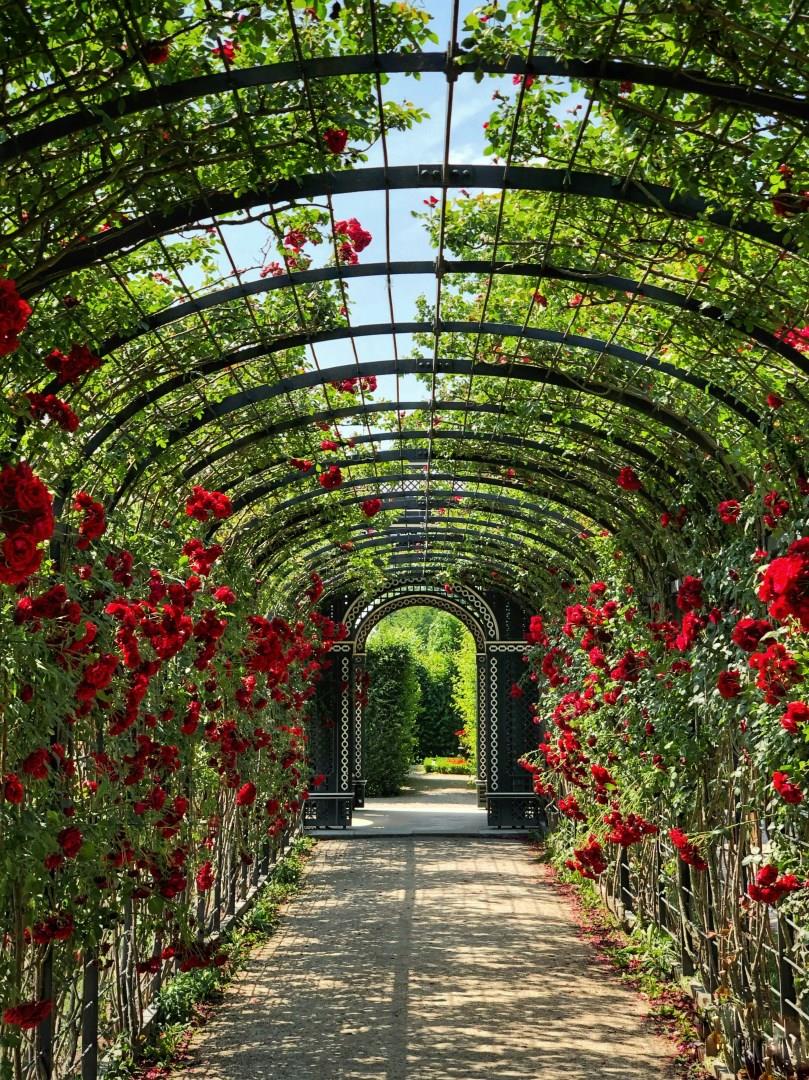
Vienna
Vienna has a long memory. Once the capital of the Habsburg Empire, the city still carries signs of its imperial past in its palaces, concert halls, and wide boulevards. Visitors can walk through the Hofburg complex, where emperors once ruled, or tour the opulent rooms of Schönbrunn Palace, which features 1,441 rooms and a maze in its gardens. But Vienna’s many historic buildings now house contemporary art museums, cafés, and institutions that reflect the city’s modern identity.
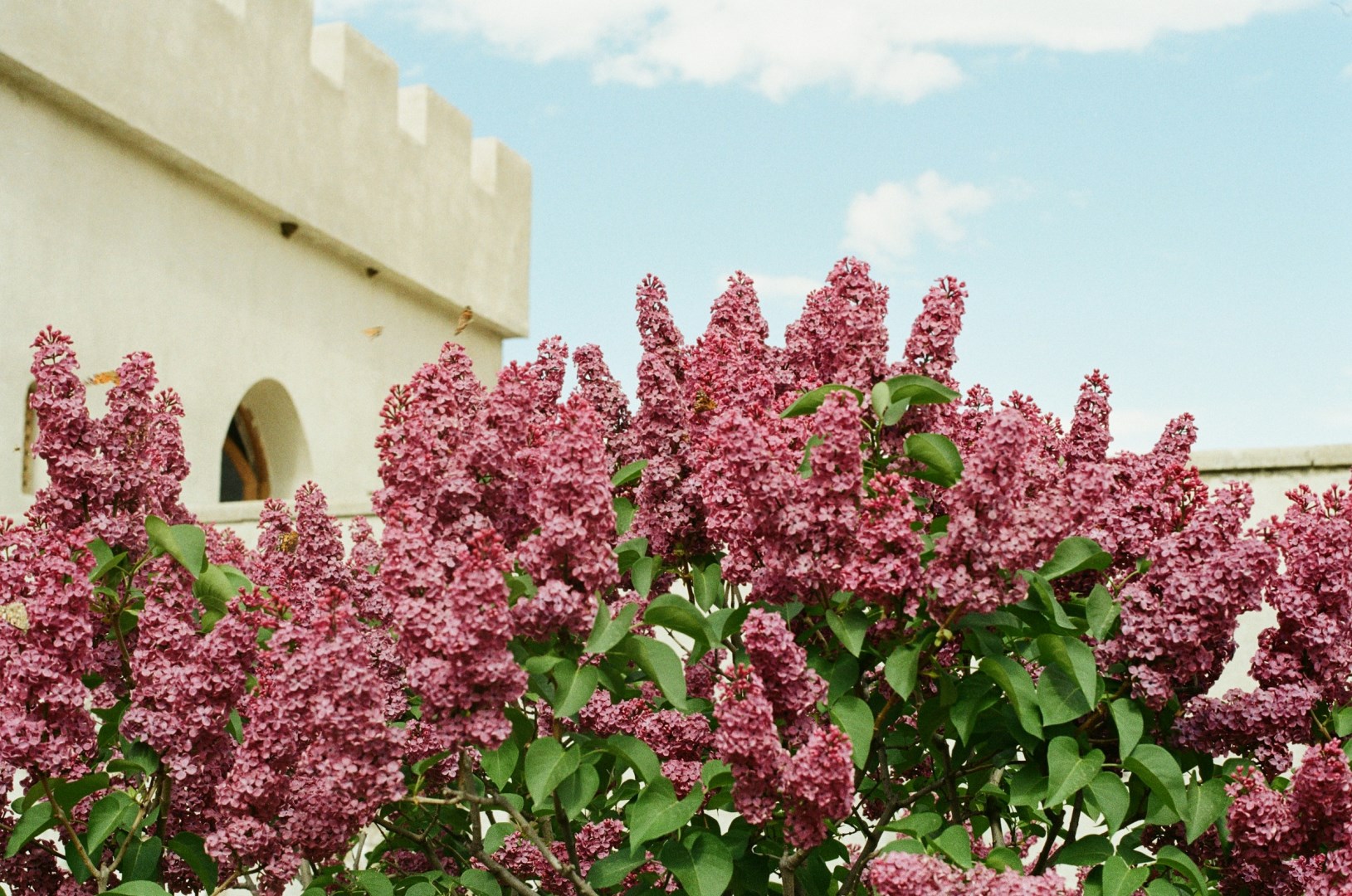
Akhaltsikhe
Akhaltsikhe is a regional center in southern Georgia's Samtskhe-Javakheti region, situated in a broad valley along the Potskhovi River. The city is best known for Rabati, its hilltop fortress complex, but its identity extends into an older quarter of stone houses, religious buildings, and traditional streets. The name Akhaltsikhe means “new fortress,” reflecting the city's long association with its fortified center.
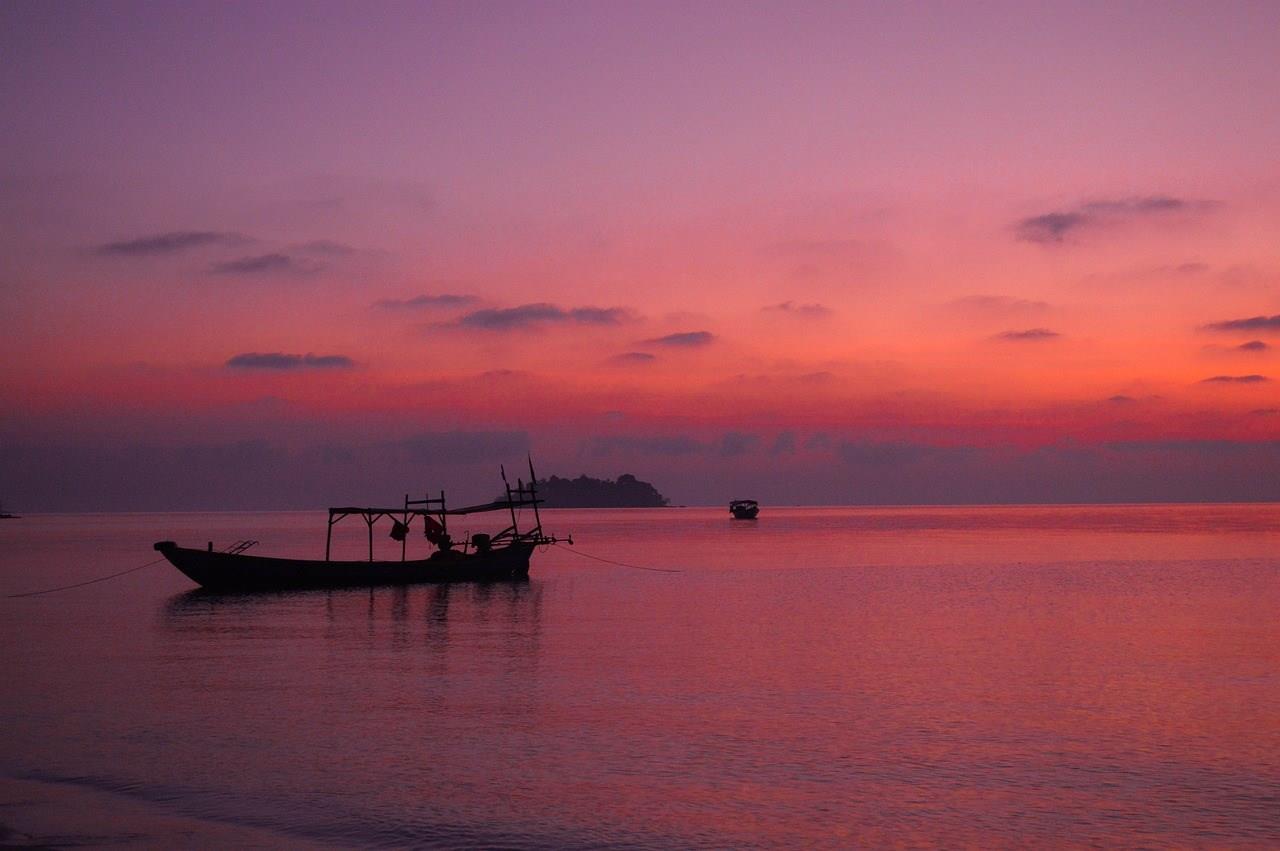
East and Southeast Asia
East and Southeast Asia encompass a vast and diverse region, stretching from the towering peaks of the Himalayas to the turquoise waters of the South China Sea. This area is home to some of the world’s most vibrant cities, tranquil rural landscapes, and a rich blend of traditions.
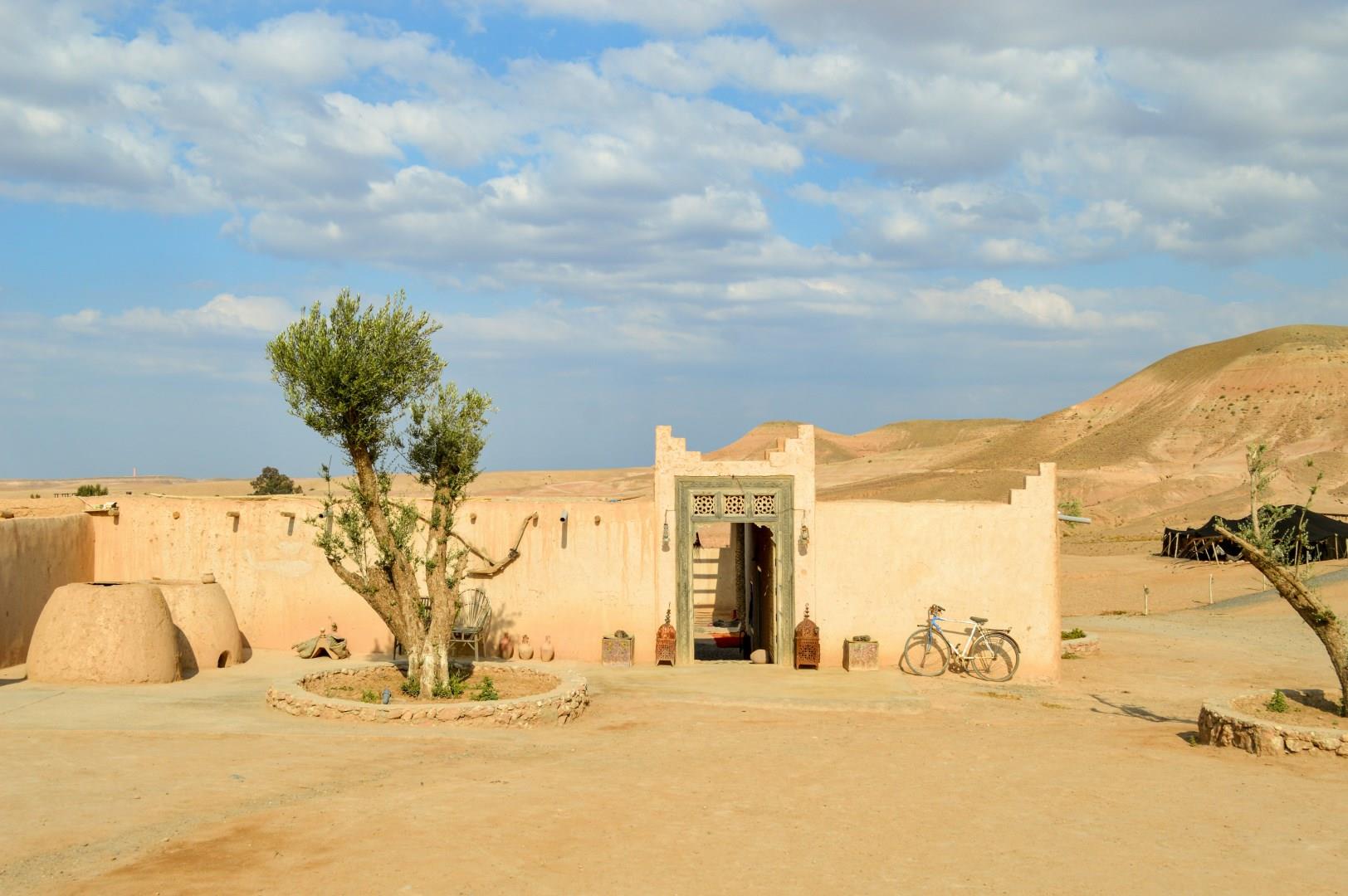
Agafay
Agafay, often called Morocco’s "stone desert," is located just 40 kilometers southwest of Marrakech, but the landscape feels like a different world. Unlike the golden dunes of the Sahara, Agafay stretches out in rolling hills of sand-colored rock and hard-packed earth. It offers the vastness of a desert experience without requiring a long journey from the city.
Rundu
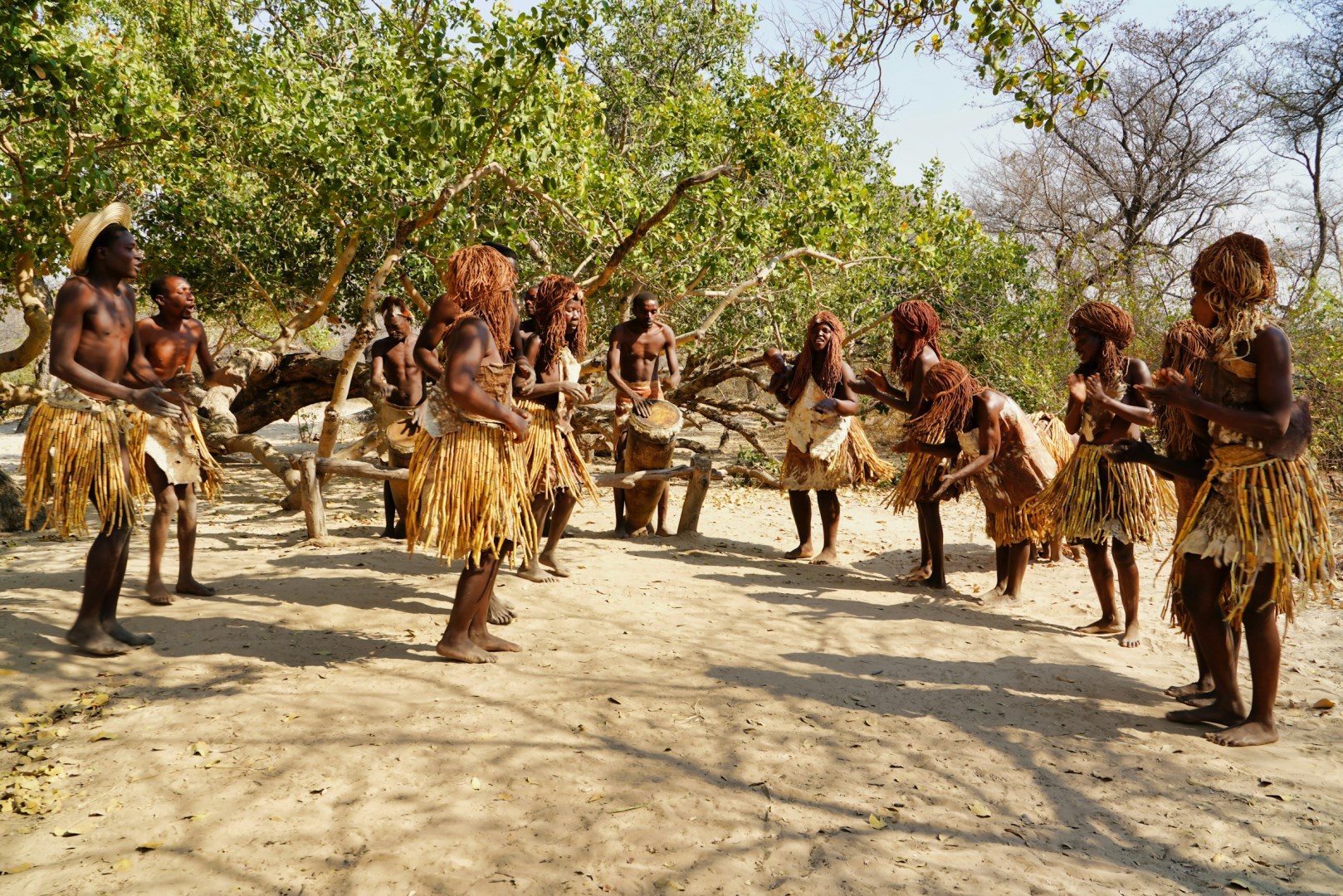
Rundu is the capital of Namibia’s Kavango East Region and a major town on the southern bank of the Kavango River, opposite Angola. Unlike much of Namibia’s dry interior, the area around Rundu is shaped by a permanent river, wooded floodplains, and fertile land used for small-scale agriculture.
