
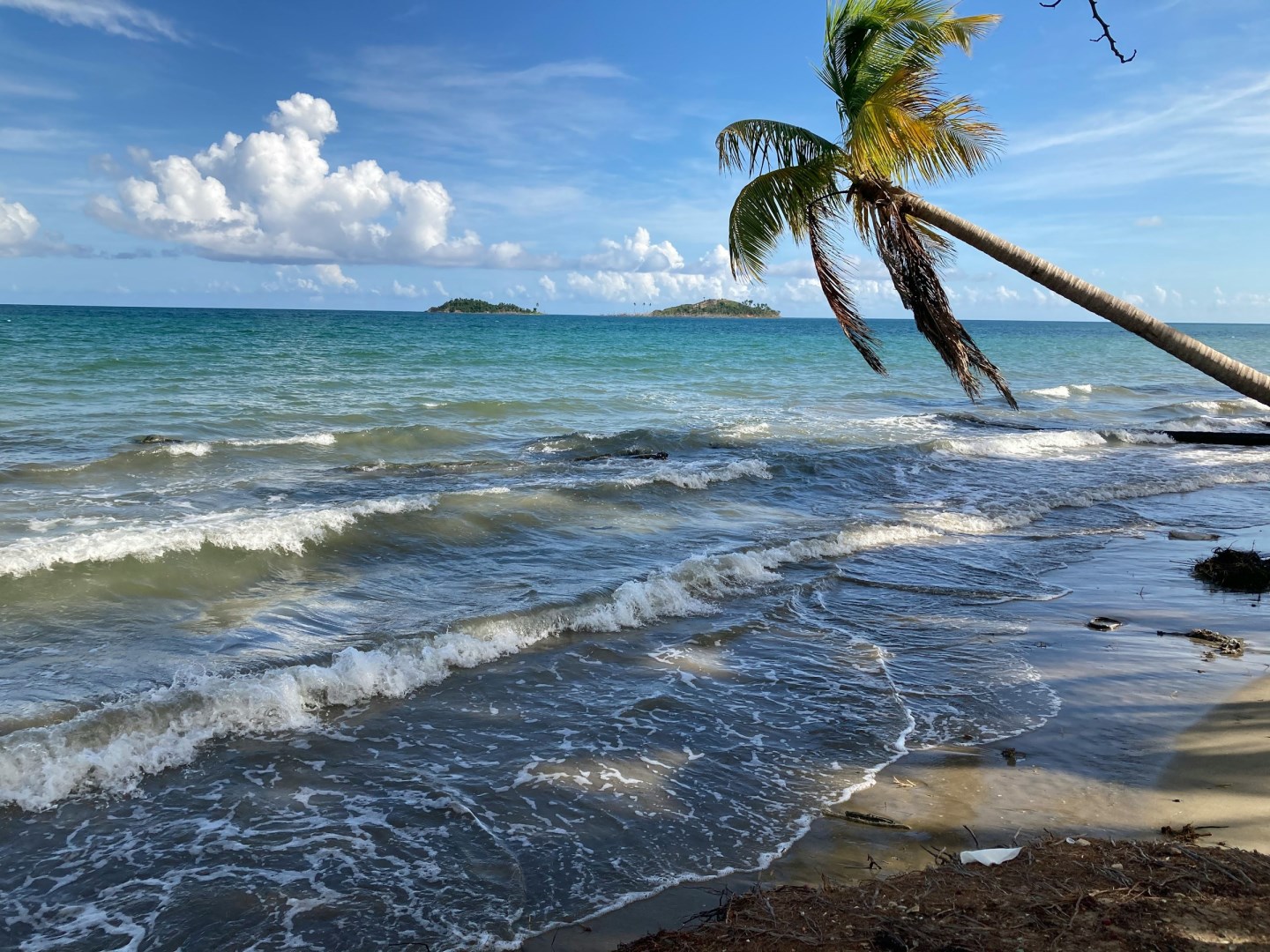
Humacao
Humacao is a coastal city on the southeastern side of Puerto Rico, facing the Caribbean Sea and surrounded by low hills, wetlands, beaches, and agricultural land. The city sits near the mouth of the Río Humacao, with its urban center inland from the coast and several communities extending toward the shoreline.

Zambia
Zambia, a landlocked country in southern Africa, is celebrated for its dramatic landscapes, diverse wildlife, and warm hospitality. Known as the “real Africa” by many travelers, it is home to some of the continent’s most famous natural wonders and national parks.
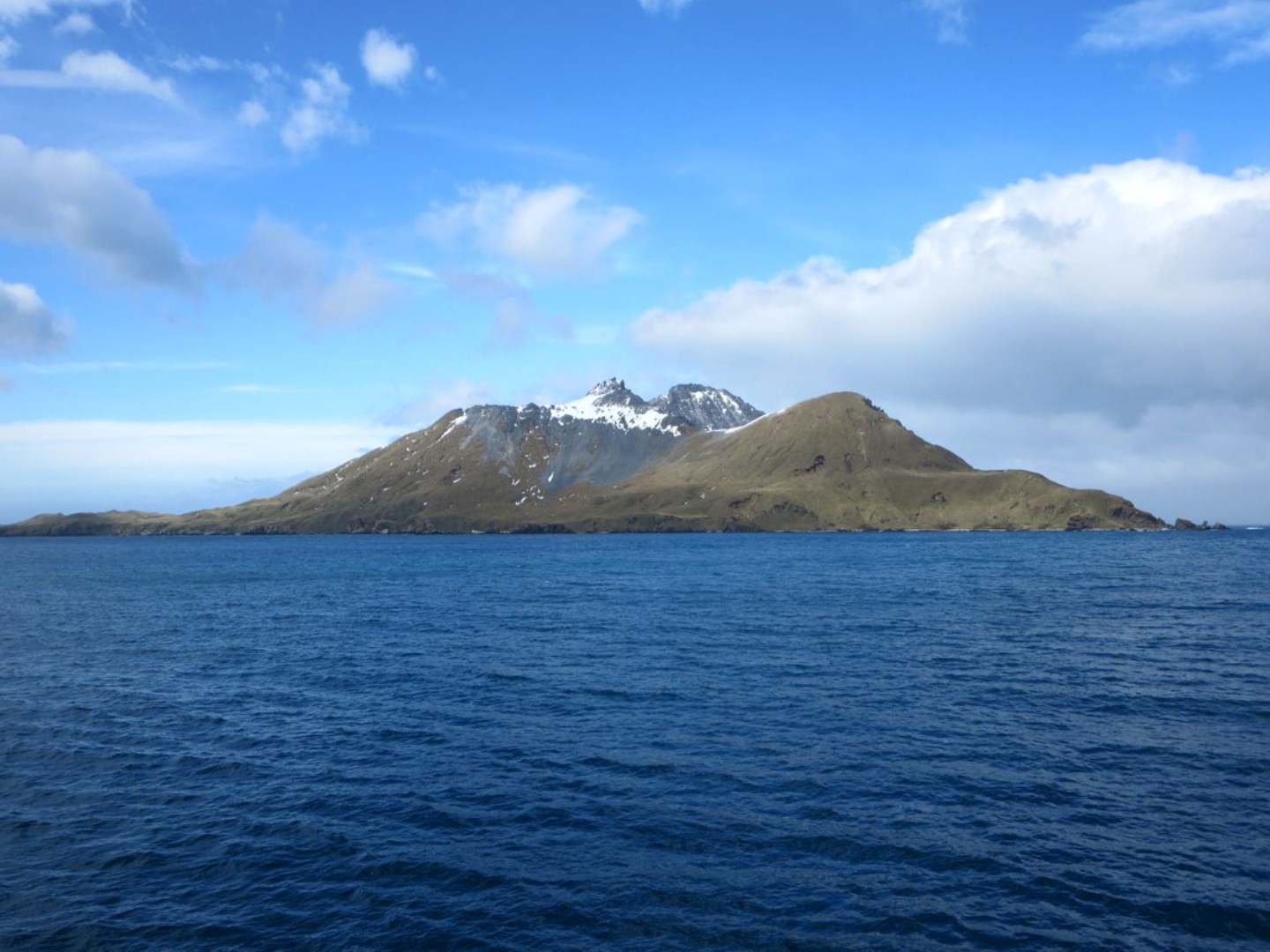
Cooper Island
Cooper Island is a small, rugged island off the southeastern coast of South Georgia, lying near the entrance to Drygalski Fjord. Its landscape combines steep rocky slopes, snowfields, glaciers, and sheltered coastal areas, with the island surrounded by cold waters often containing sea ice. The island is part of the protected South Georgia environment and is visited primarily for its wildlife and scenery. Expedition vessels may approach or land when conditions permit, although access depends on w
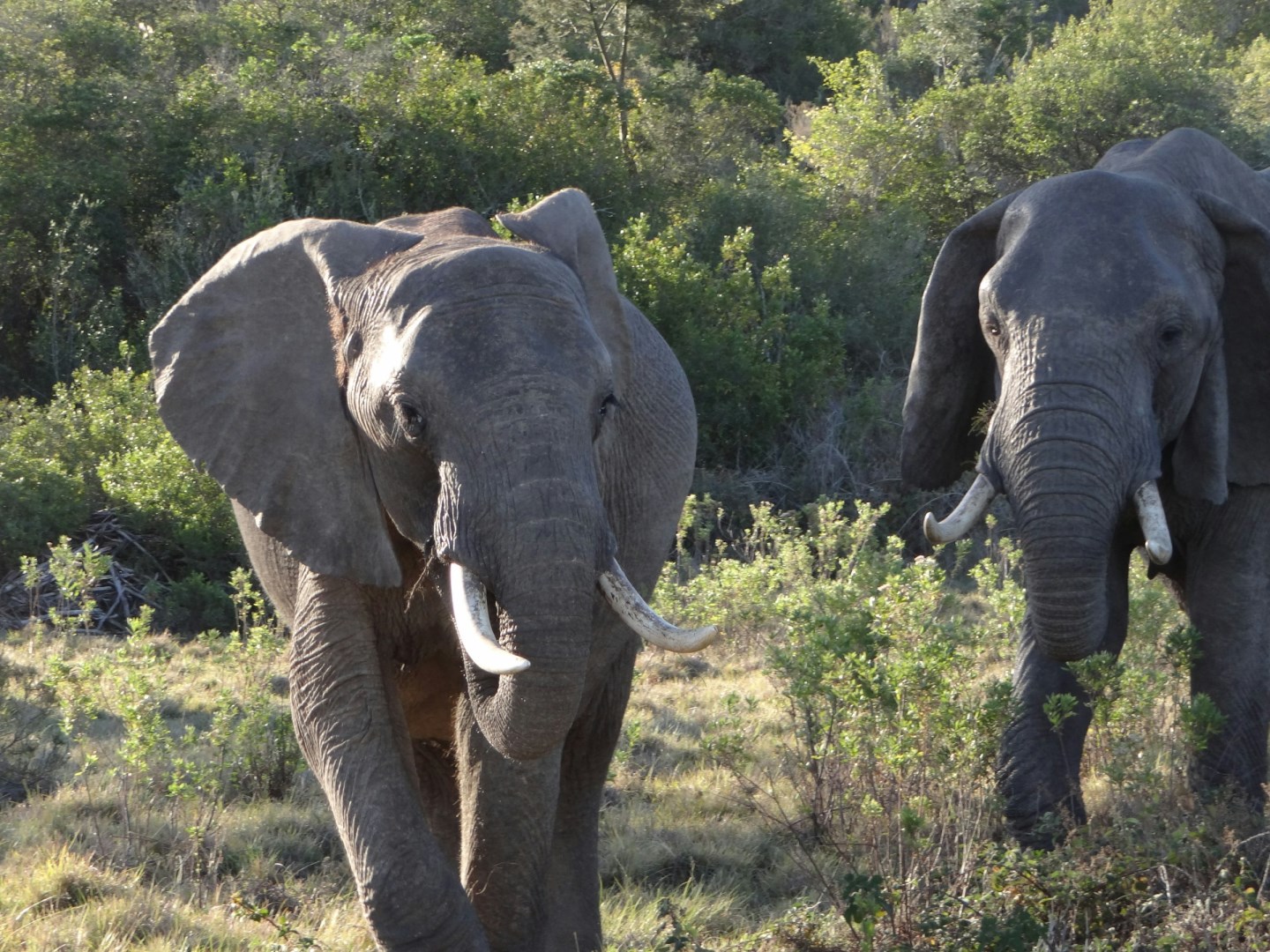
Plettenberg Bay
Plettenberg Bay is the jewel of The Garden Route. It's more than a village, less than a town. Plettenberg Bay is tranquil and charming, hospitable and rather special. Originally christened "Bahia Formosa" (beautiful bay) by early Portuguese explorers, Plettenberg Bay can now be accessed by first class national roads, by sea or by scheduled air flights.
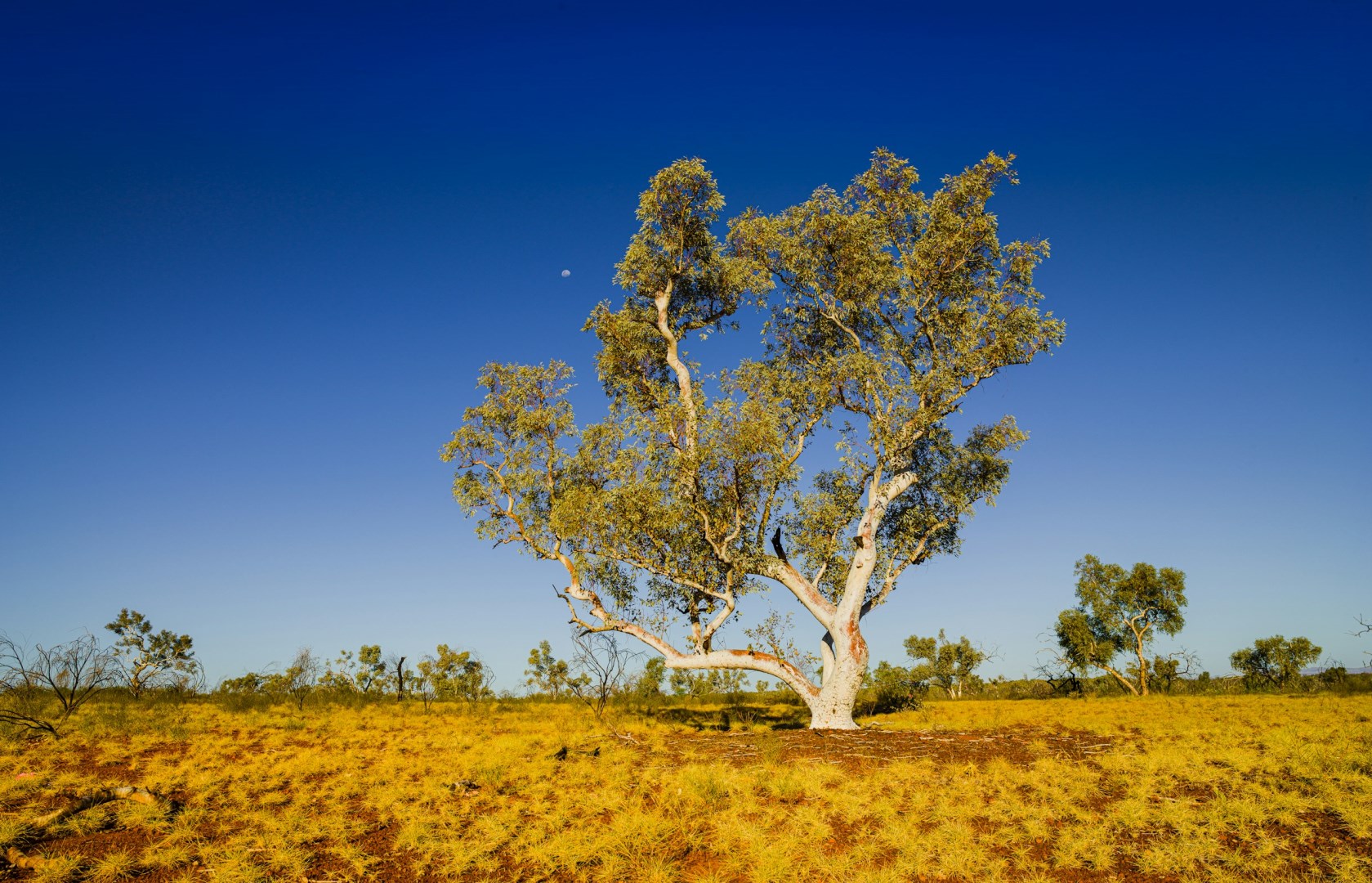
Millstream-Chichester National Park
Millstream-Chichester National Park is a semiarid National Park set within the Pilbara region of Western Australia. You can find out a lot about the Millstream Chichester National Park and the local Yinjinarndi Aboriginal people at the Millstream Homestead.
