

Prince Edward Island
Located in the Gulf of St. Lawrence in southeastern Canada, Prince Edward Island has been nicknamed "The Garden of the Gulf." It was founded in 1534 by French Explorer Jacques Cartier and is primarily a fishing center and summer tourist destination.
Philae
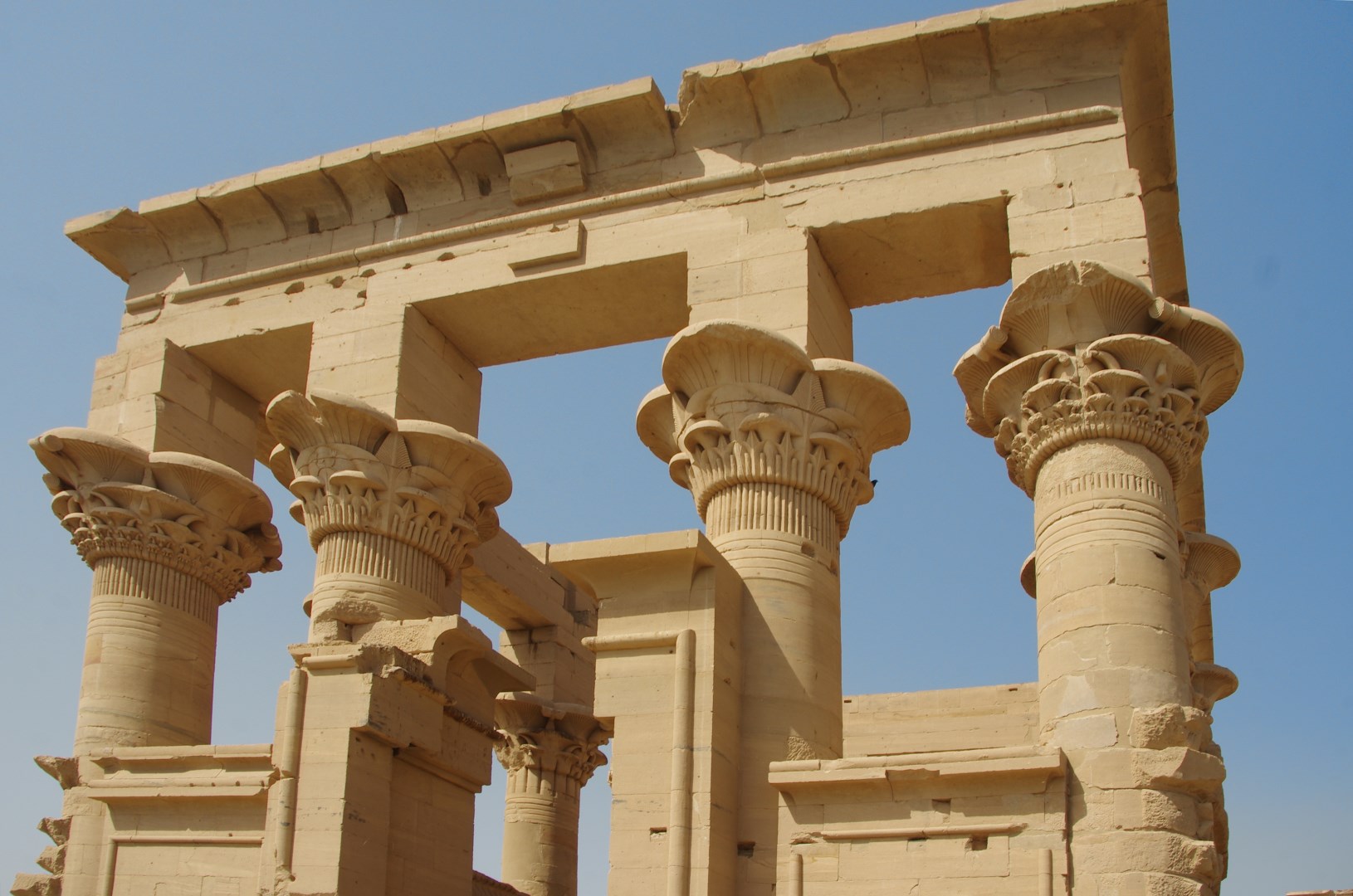
Philae Temple Complex sits on an island in the Nile near Aswan, where calm water and granite hills create a setting that feels carefully placed in the river. The temple buildings rise from the island like carved stone reflections of the cliffs around them, and reaching the site requires a short boat ride across still waters. This approach is part of the experience, as visitors leave the shore behind and glide toward an island that seems built for slow discovery.
Fann Mountains
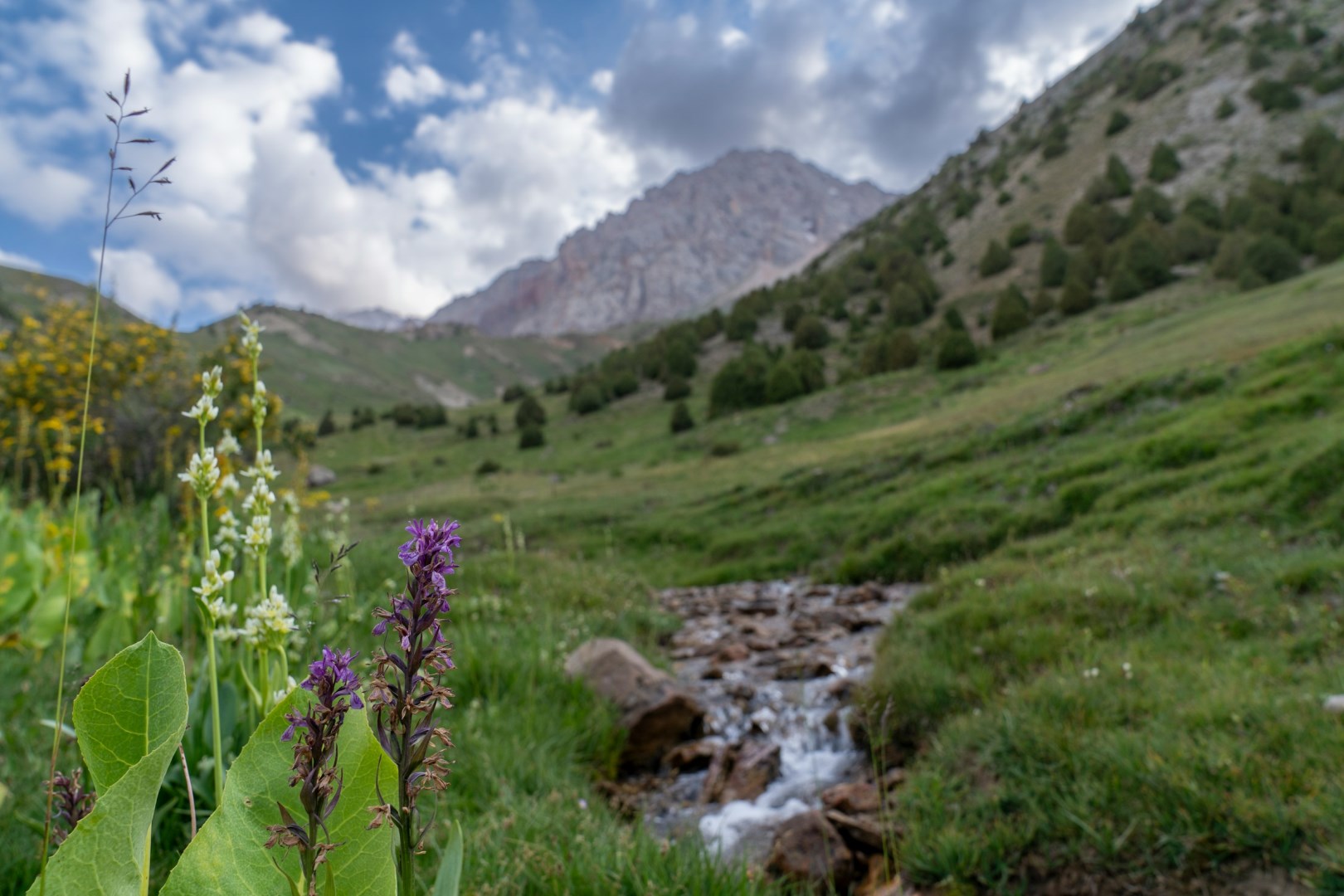
The Fann Mountains are a high mountain range in western Tajikistan, forming part of the Pamir-Alai system between the Zeravshan and Hisor ranges. The region is known for steep peaks, deep valleys, glaciers, alpine lakes, and juniper-covered slopes. Several summits rise above 5,000 meters, including Chimtarga, the highest peak in the Fann Mountains. The range is accessible from settlements such as Ayni and Panjakent and contains some of Tajikistan's most recognized mountain landscapes.
Torquay
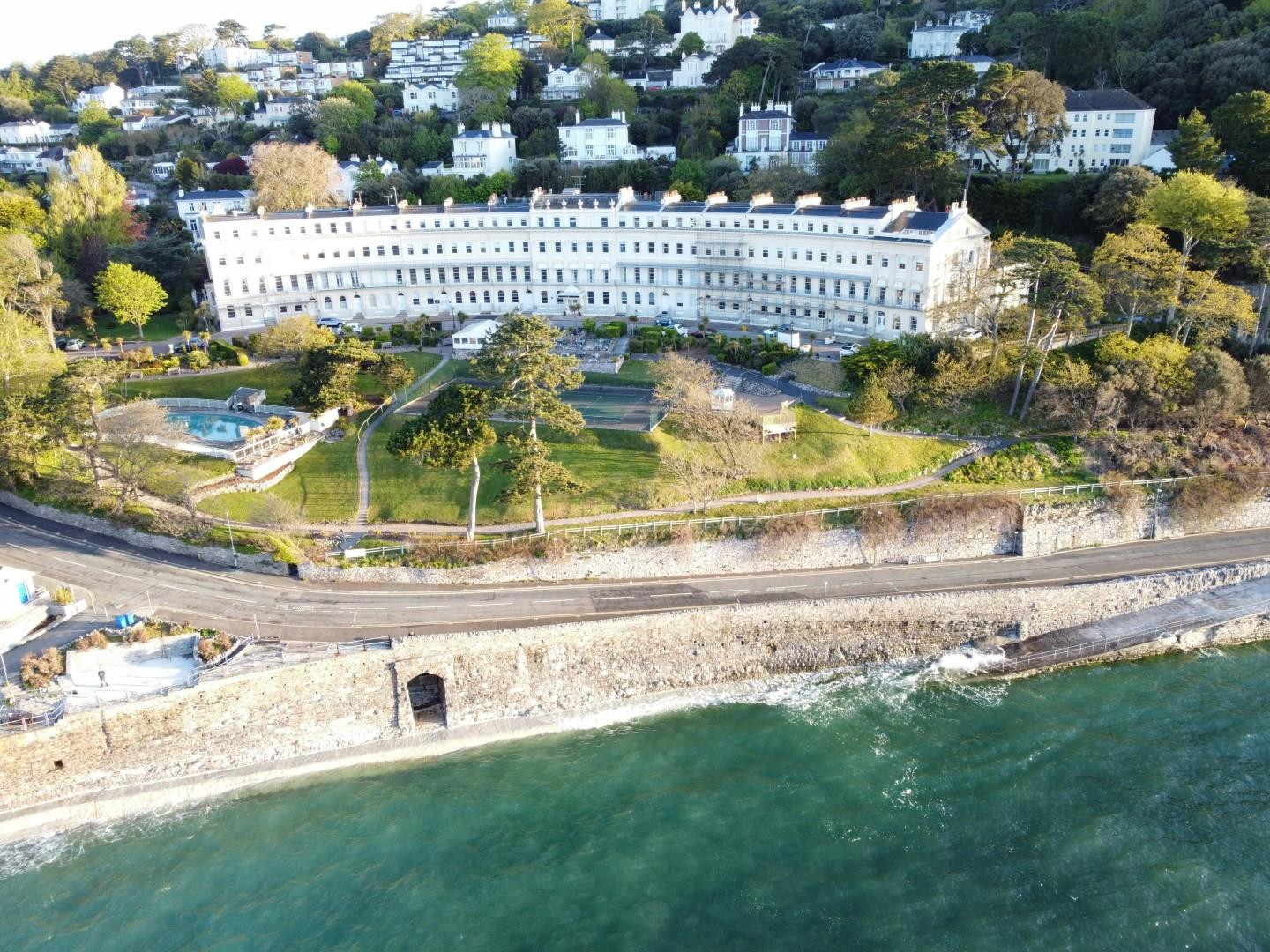
Torquay, located on England’s southwest coast in Devon, is often referred to as the gateway to the English Riviera. With origins as a small fishing village, it expanded rapidly in the 19th century as a seaside resort, attracting visitors with its mild climate, sandy beaches, and scenic coastline.
Milos
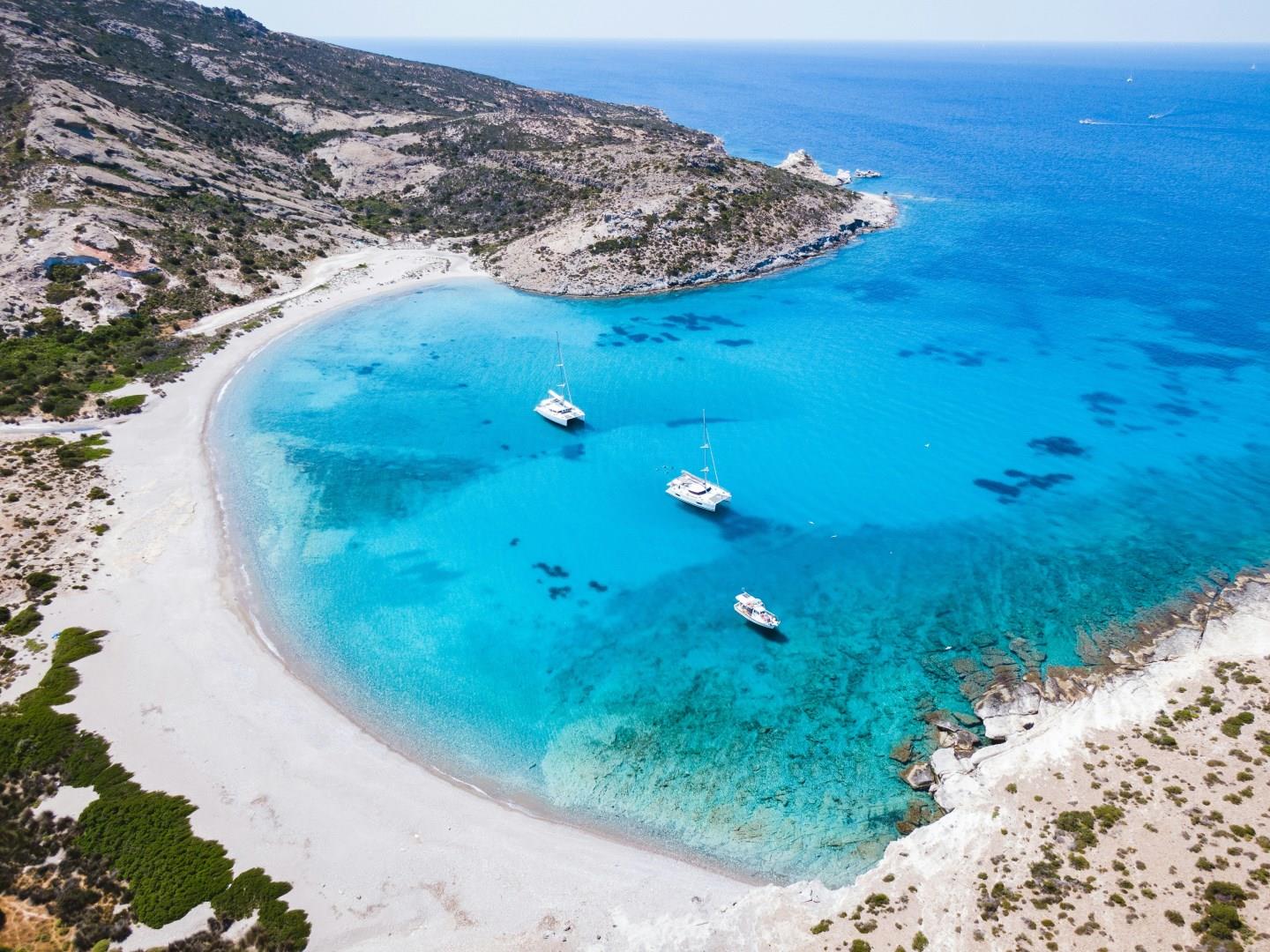
Milos is one of the most striking islands in the Aegean Sea, known for its otherworldly landscapes, turquoise coves, and centuries-old history. Shaped like a horseshoe, the island was formed by volcanic activity which left behind dramatic cliffs and hidden beaches carved from soft white rock. Visitors often find their first glimpse of Milos unforgettable, especially at Sarakiniko Beach where smooth, chalk-white formations contrast with the vivid blue water.
