
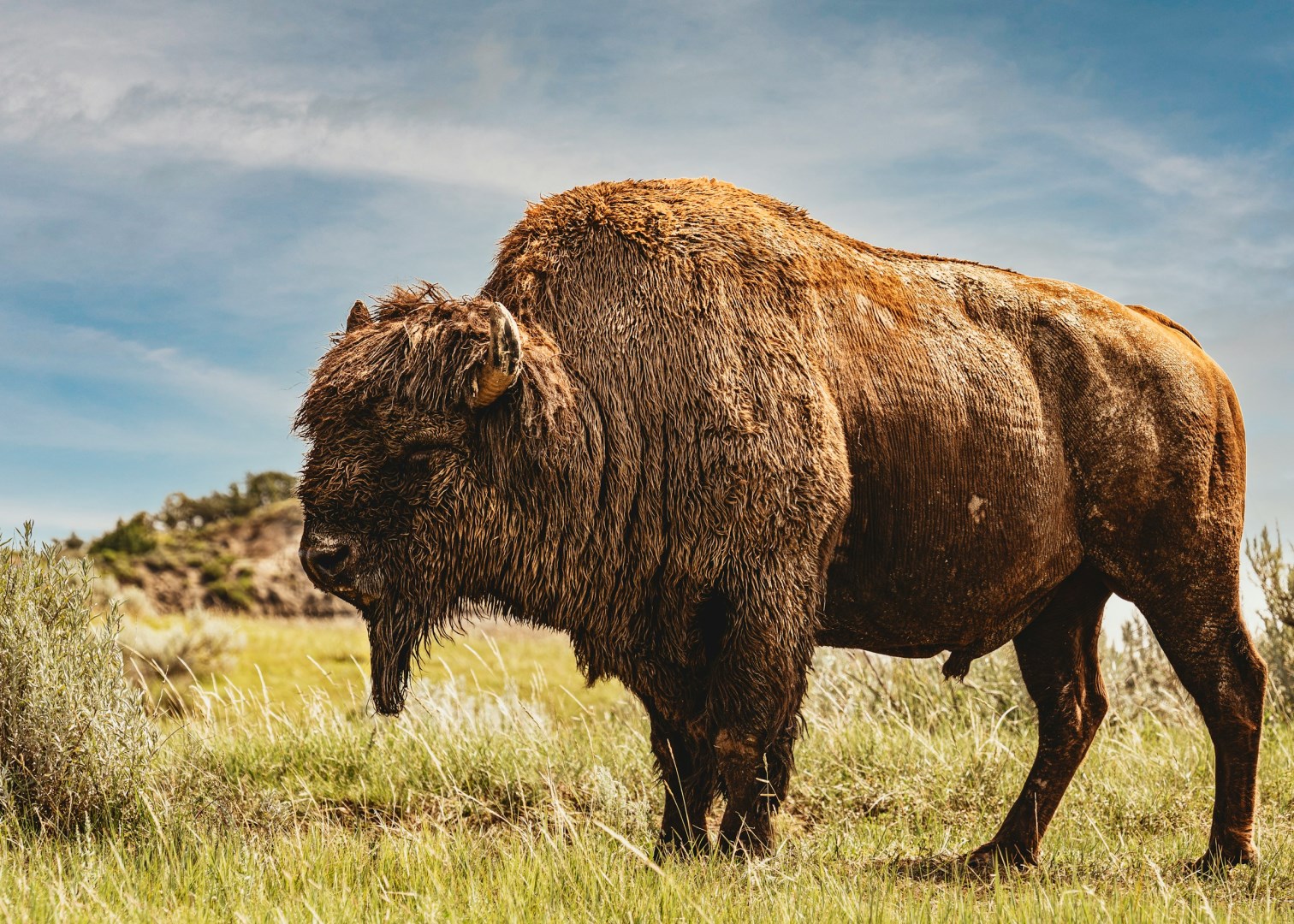
North Dakota
North Dakota invites travelers to explore a landscape where wide-open prairies meet dramatic badlands, and small towns preserve traditions that stretch back generations. At Theodore Roosevelt National Park, visitors can watch wild bison graze under the vast sky or drive along the scenic Loop Road to see wild horses, prairie dogs, and colorful rock formations that seem painted by time.

Quebec
Quebec is a province where the old meets the new in the most exciting way, with each of its diverse cities offering a distinct experience for travelers. It is a melting pot of French and English heritage, and this duality can be seen in its art, music, and festivals.
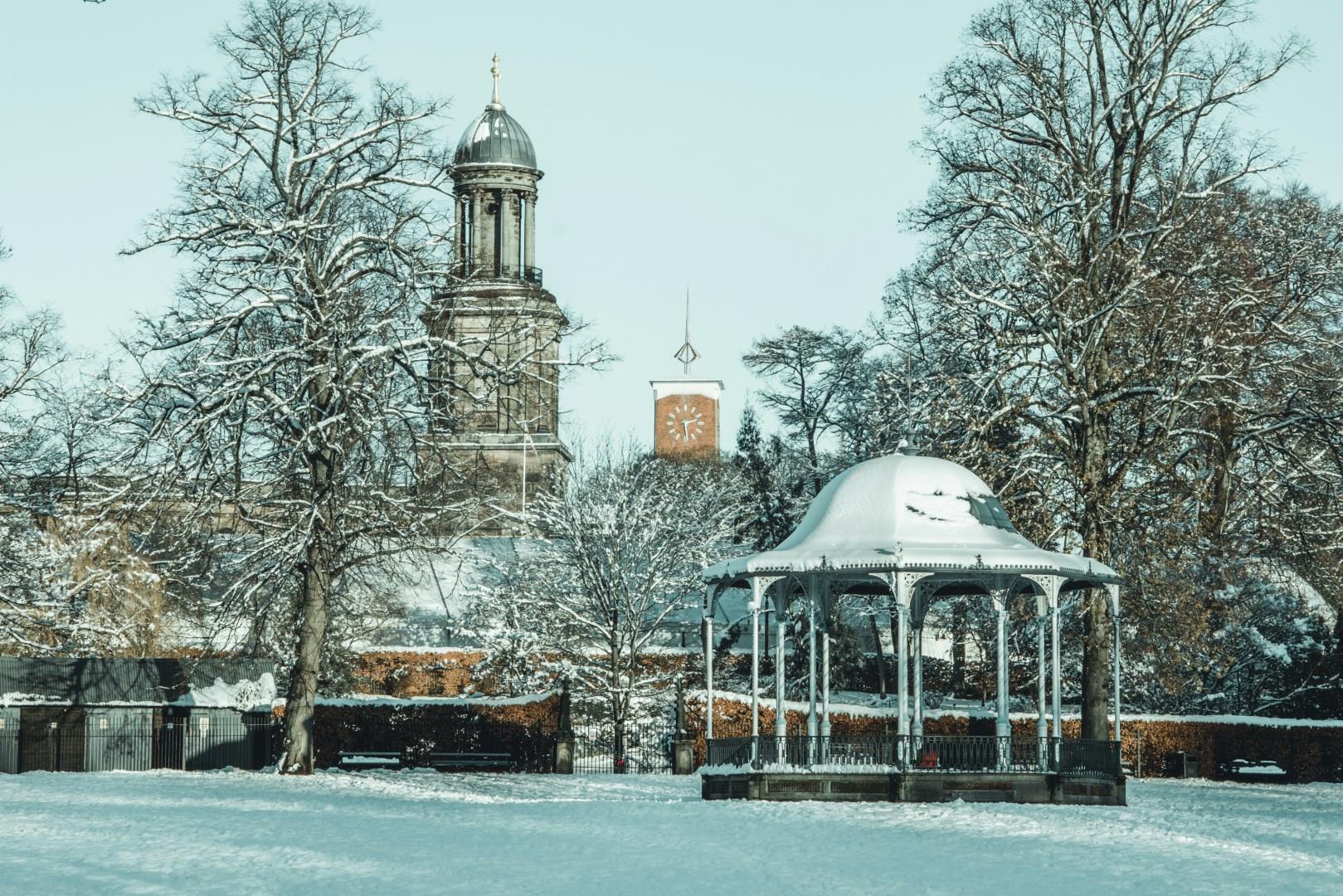
Shrewsbury
Shrewsbury, a picturesque market town in Shropshire, England, is celebrated for its medieval charm, riverside setting, and remarkably well-preserved architecture. Encircled almost entirely by a loop of the River Severn, the town’s winding streets and timber-framed buildings transport visitors back through centuries of English history.
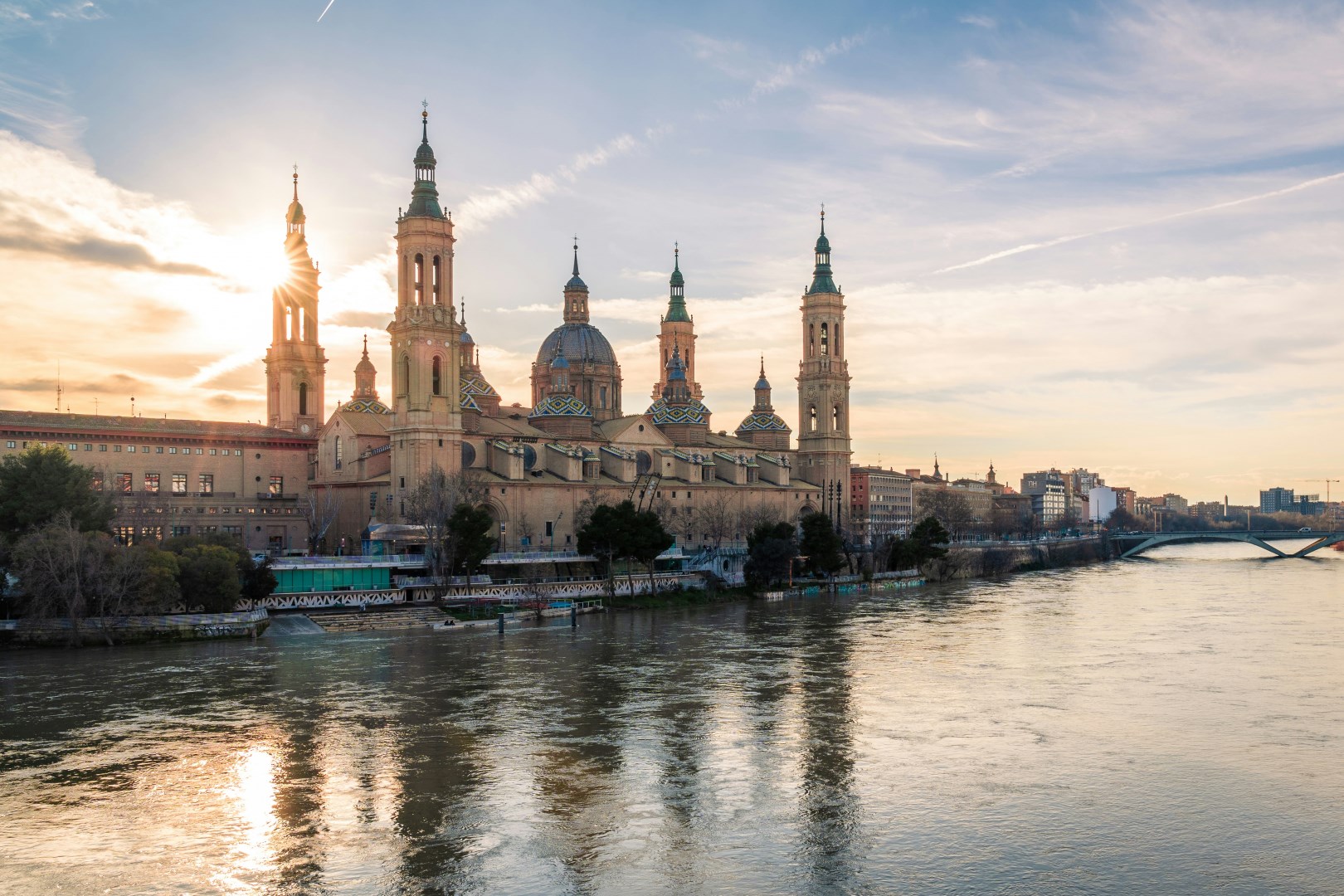
Zaragoza
Zaragoza stands on the banks of the Ebro River in northeastern Spain and serves as the capital of the Aragón region. The city is known for its mix of Roman remains, Islamic influences, Mudéjar architecture, and large Baroque landmarks.

Lake Manyara
Nestled at the base of the Great Rift Valley, Lake Manyara is a hidden gem in northern Tanzania that offers an unforgettable safari experience. The lake is part of Lake Manyara National Park, which is known for its dramatic landscapes, from dense groundwater forests to grassy plains. Wildlife enthusiasts will be thrilled to explore this compact park, home to an impressive variety of animals, including elephants, hippos, and the famous tree-climbing lions.
