
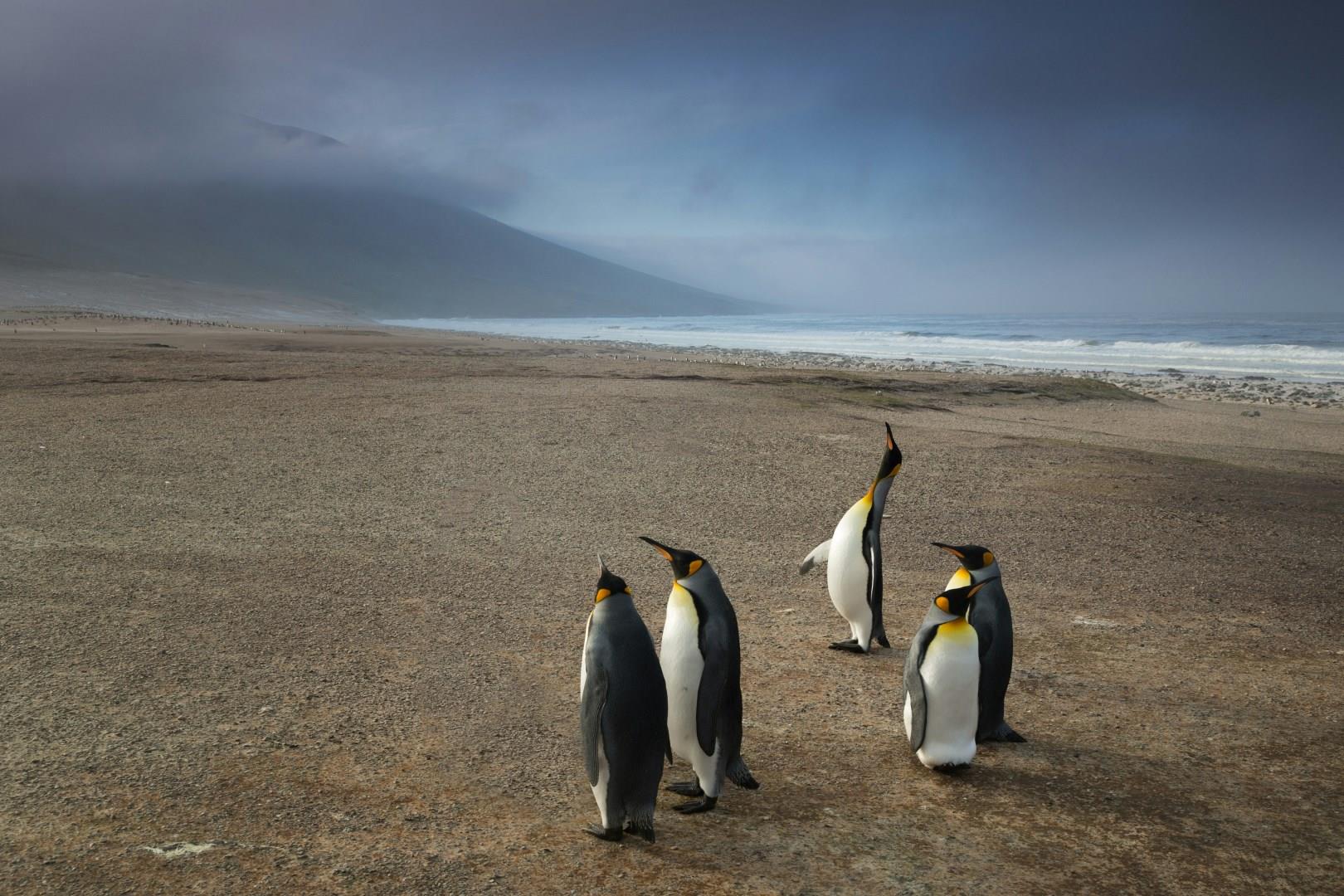
Falkland Islands
The Falkland Islands, a remote archipelago in the South Atlantic, offer a striking combination of wild open spaces, rich wildlife, and a way of life shaped by wind, sea, and resilience. With fewer than 3,500 residents spread across over 700 islands, the Falklands provide a rare opportunity to disconnect from busy modern life and connect with wide skies, rugged coastlines, and some of the most accessible wildlife experiences on the planet.
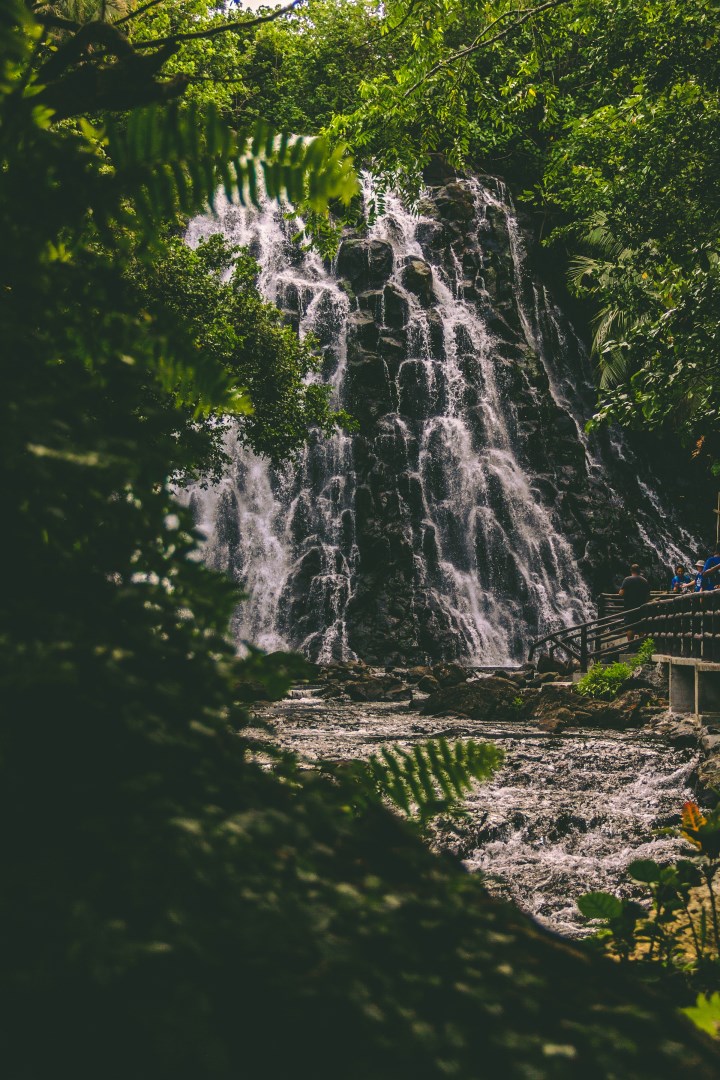
Pohnpei
Pohnpei is the largest island in the Federated States of Micronesia and the administrative center of Pohnpei State. It lies in the western Pacific and is known for its mountainous interior, dense tropical vegetation, and high rainfall. The island is surrounded by a barrier reef and numerous small islets, creating a landscape of forested slopes, mangroves, rivers, and coastal waters.
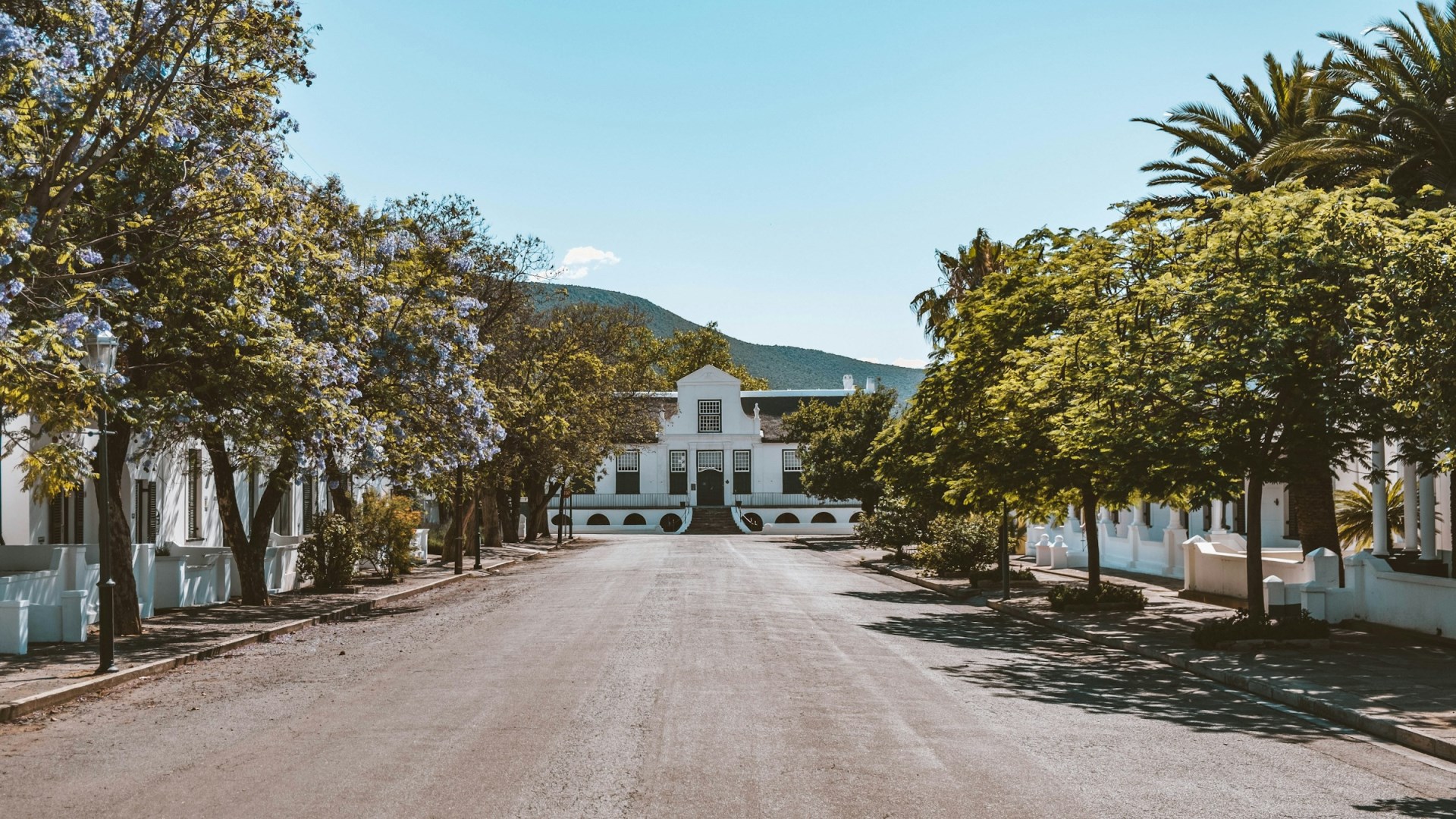
Graaff-Reinet
Graaff-Reinet is a historic town in South Africa’s Eastern Cape, set within a broad bend of the Sundays River in the Great Karoo. It is surrounded by the landscapes of Camdeboo National Park and is known for its collection of well-preserved historic buildings. More than 200 heritage structures are found across the town, many built in distinctive Cape Dutch, Victorian, and Karoo architectural styles.
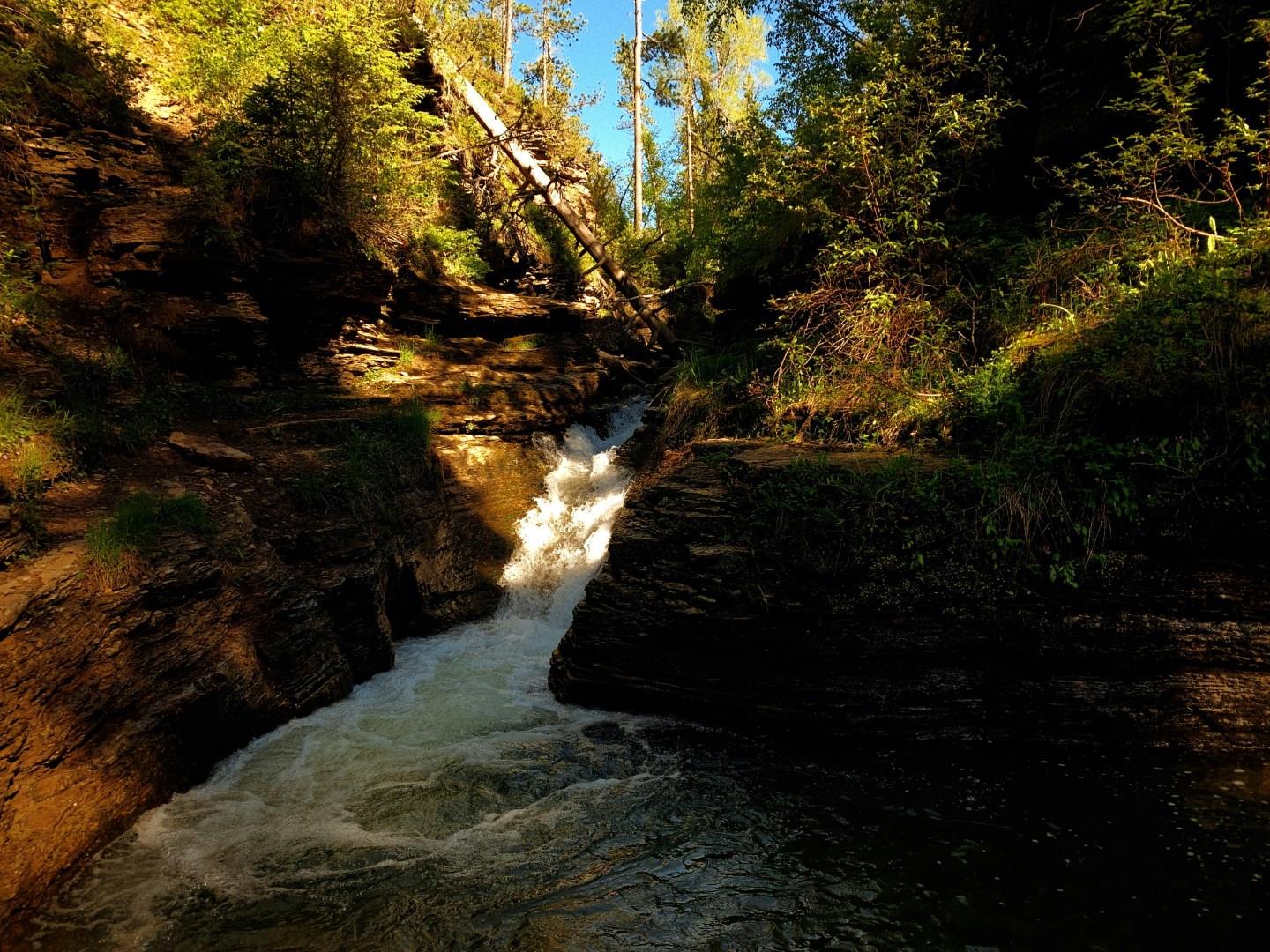
Lead
Lead’s Main Street reflects its long history with places that invite people to explore local life beyond mining. The Black Hills Mining Museum offers displays of mining tools, machinery and a simulated underground mine experience that brings to life how miners worked the Black Hills over generations. Along the same street, galleries, cafés and historic buildings make for pleasant stops between deeper dives into the past.

Central Asia
South Central Asia offers travelers a journey through vivid contrasts, where centuries-old temples stand beside bustling modern cities, and tea-covered hills roll into dense tropical forests. In India, visitors can witness the grandeur of Mughal architecture at the Taj Mahal, then find serenity at the ghats of Varanasi, where rituals have continued for thousands of years.
