
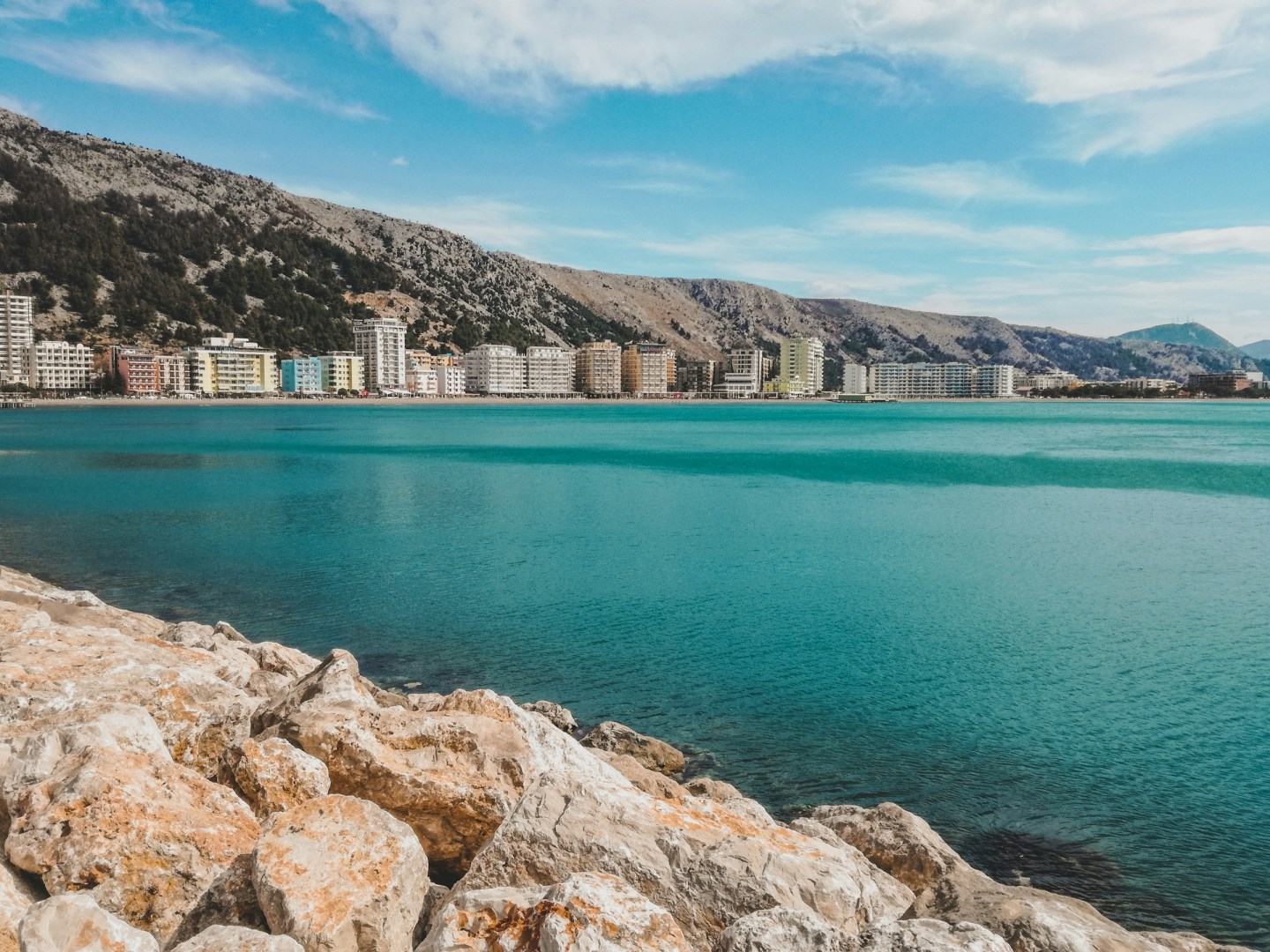
Durrës
Founded in the 7th century BC, the city of Durres has been conquered by many invading armies. Although most of these left a few traces in the old town of Durres, the main attraction is the excellent beach near the town. Perhaps the most famous of Albanian beaches, it offers shallow waters close to the shore, which makes it very suitable for families and children.
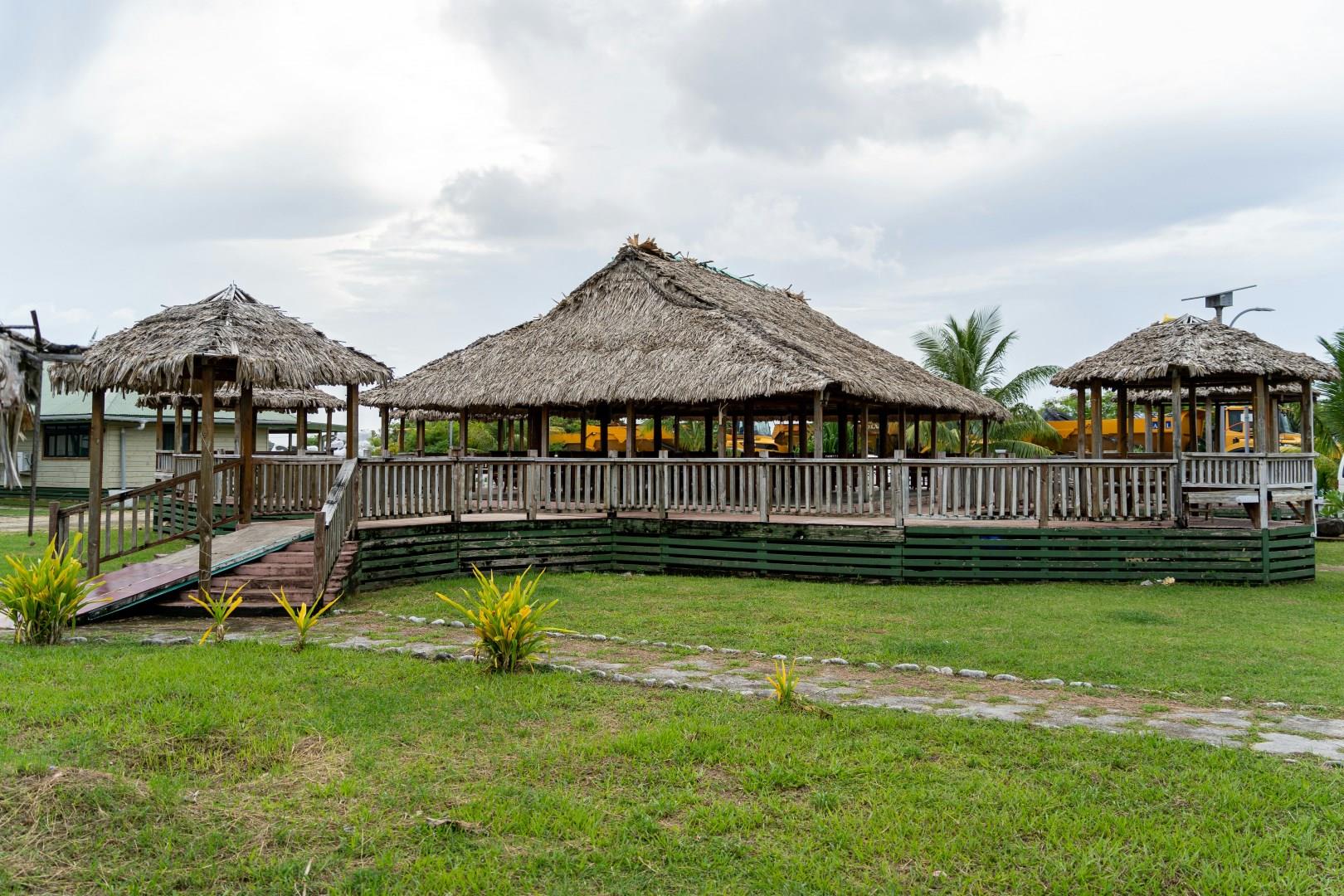
Funafuti Atoll
Funafuti Atoll, the capital of Tuvalu, is a narrow strip of land wrapped around a brilliant turquoise lagoon that stretches over 20 kilometers across. Despite being just 600 meters at its widest point, Funafuti is the heartbeat of the country, where government buildings, homes, schools, and the island’s only airport all coexist along sandy roads lined with coconut trees.
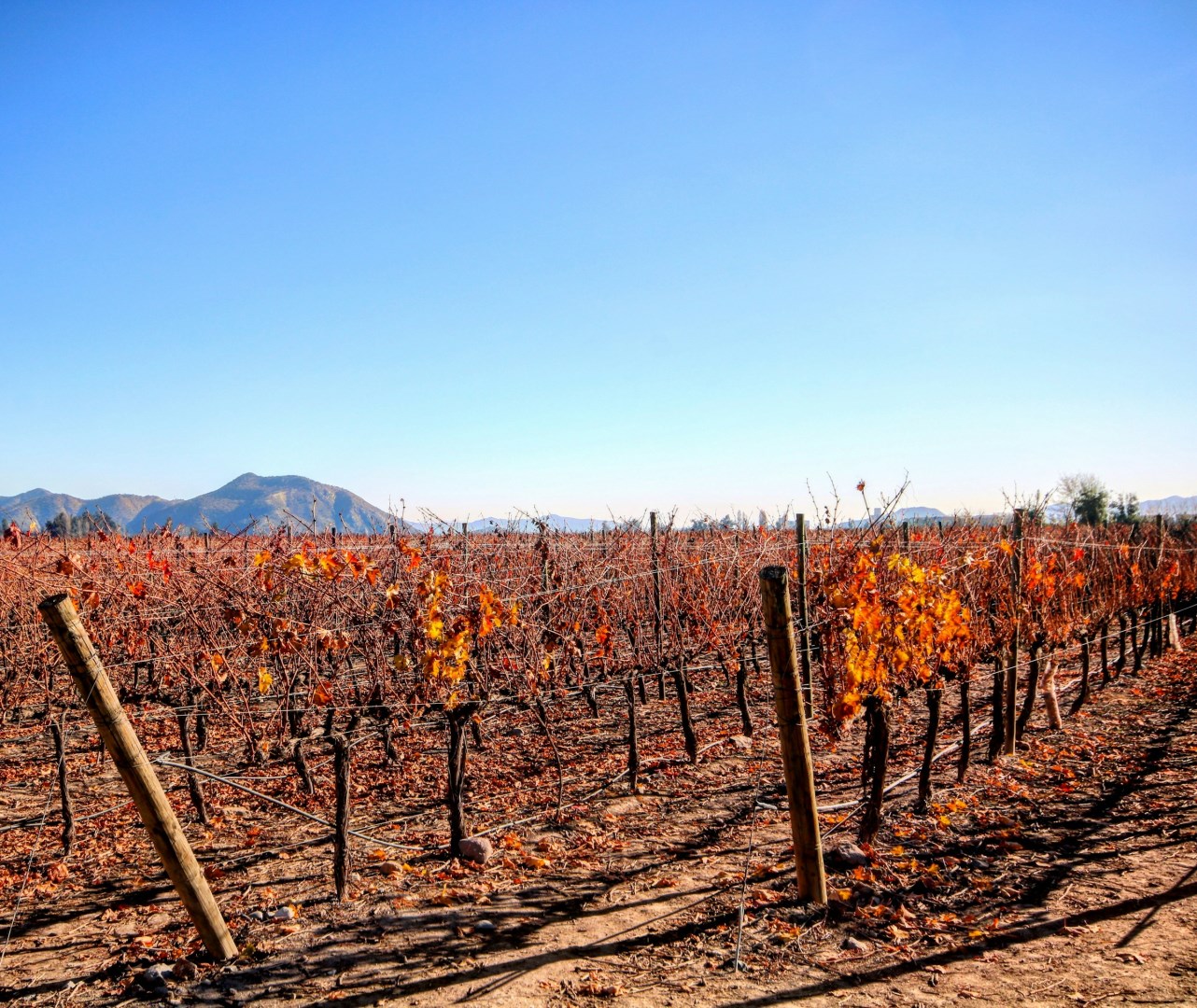
Chile
Stretching over 4,200 kilometers along the southwestern coast of South America, Chile is a country of dramatic contrasts and hidden surprises. From the world’s driest desert in the north to the icy fjords of Patagonia in the south, Chile offers a landscape that constantly reinvents itself. Visitors can walk through the Atacama Desert, where NASA tests Mars rovers, or gaze at the clearest night skies on Earth from the high-altitude observatories near San Pedro de Atacama.
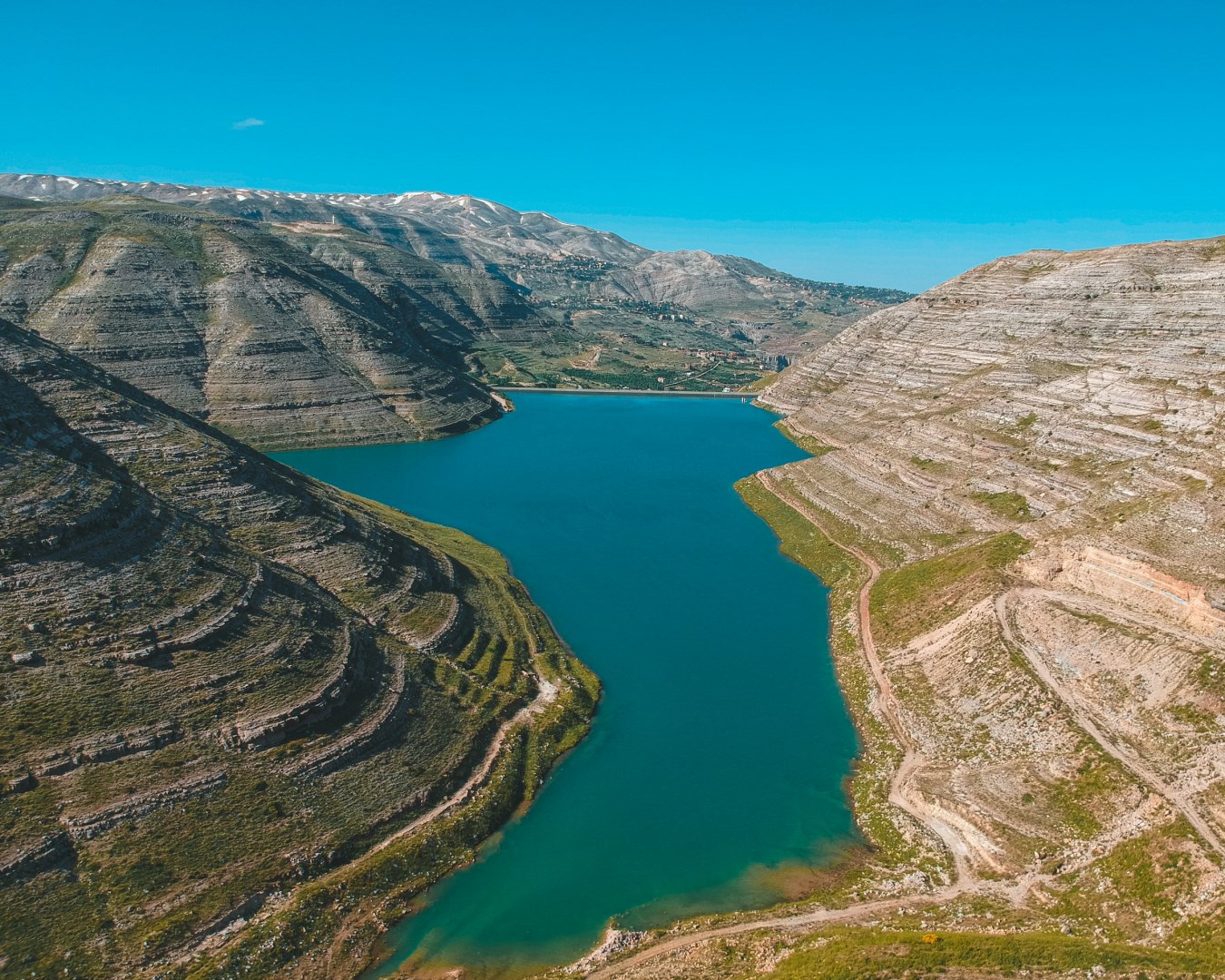
Lebanon
Lebanon unfolds like an open-air museum, with ancient stones that tell stories from centuries past. In Baalbek, the Temple of Bacchus stands among the most impressive Roman ruins outside Italy, its columns framed by Beqaa Valley light. In Byblos, one of the oldest cities in the world, ruins sit beside a bustling harbor and modern cafés, blending past and present in a single stroll.
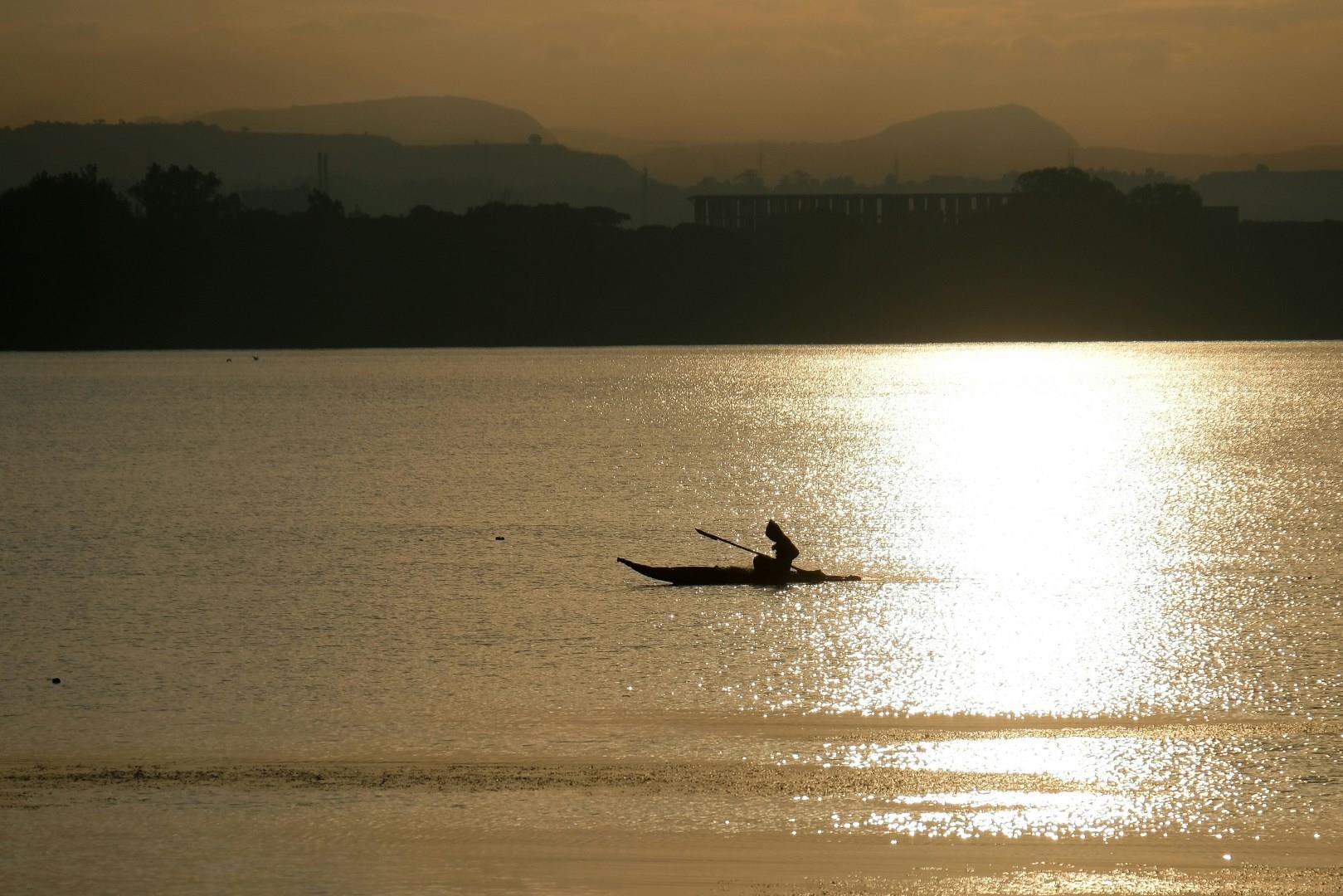
Lake Tana
Lake Tana, located in the northwest of Ethiopia, is the country’s largest freshwater lake and the source of the Blue Nile. Its calm waters are dotted with more than 30 islands, many of which are home to ancient monasteries adorned with religious paintings and manuscripts.
