

Morelia
Morelia, the capital of Michoacán, is a city that wears its history in stone. Built in the 16th century and recognized as a UNESCO World Heritage Site, its historic center is filled with over 200 colonial-era buildings made from pink cantera, a soft volcanic stone that gives the city its distinct look. The centerpiece is the Morelia Cathedral, a massive baroque structure that features twin towers that light up every Saturday night with a fireworks and music display.
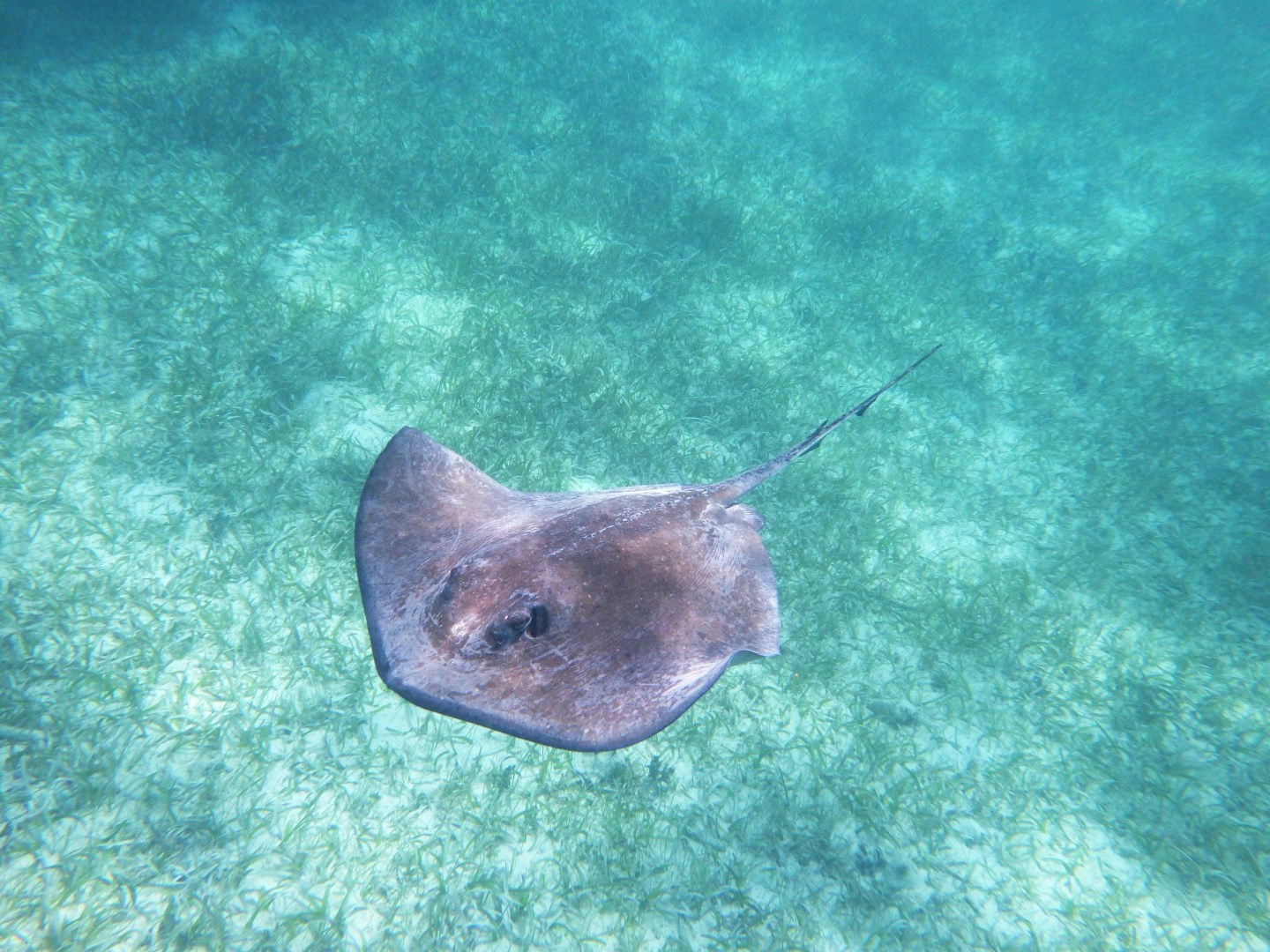
Hol Chan Marine Reserve
Hol Chan Marine Reserve lies off the southern coast of Ambergris Caye, near San Pedro in northern Belize. The protected area covers coral reefs, seagrass beds, mangroves, and channels that form part of the Belize Barrier Reef. Its name comes from the Maya words for “little channel,” referring to a natural break in the reef that allows water to move between the Caribbean Sea and the shallow lagoon.

Dominica
Dominica, known as the “Nature Island of the Caribbean,” is a haven for eco-tourists and adventure seekers. Nestled between the French islands of Guadeloupe and Martinique, this lush island boasts a remarkable landscape of volcanic mountains, dense rainforests, and stunning waterfalls. Dominica’s most iconic natural wonder is the Boiling Lake, the second-largest hot spring in the world.
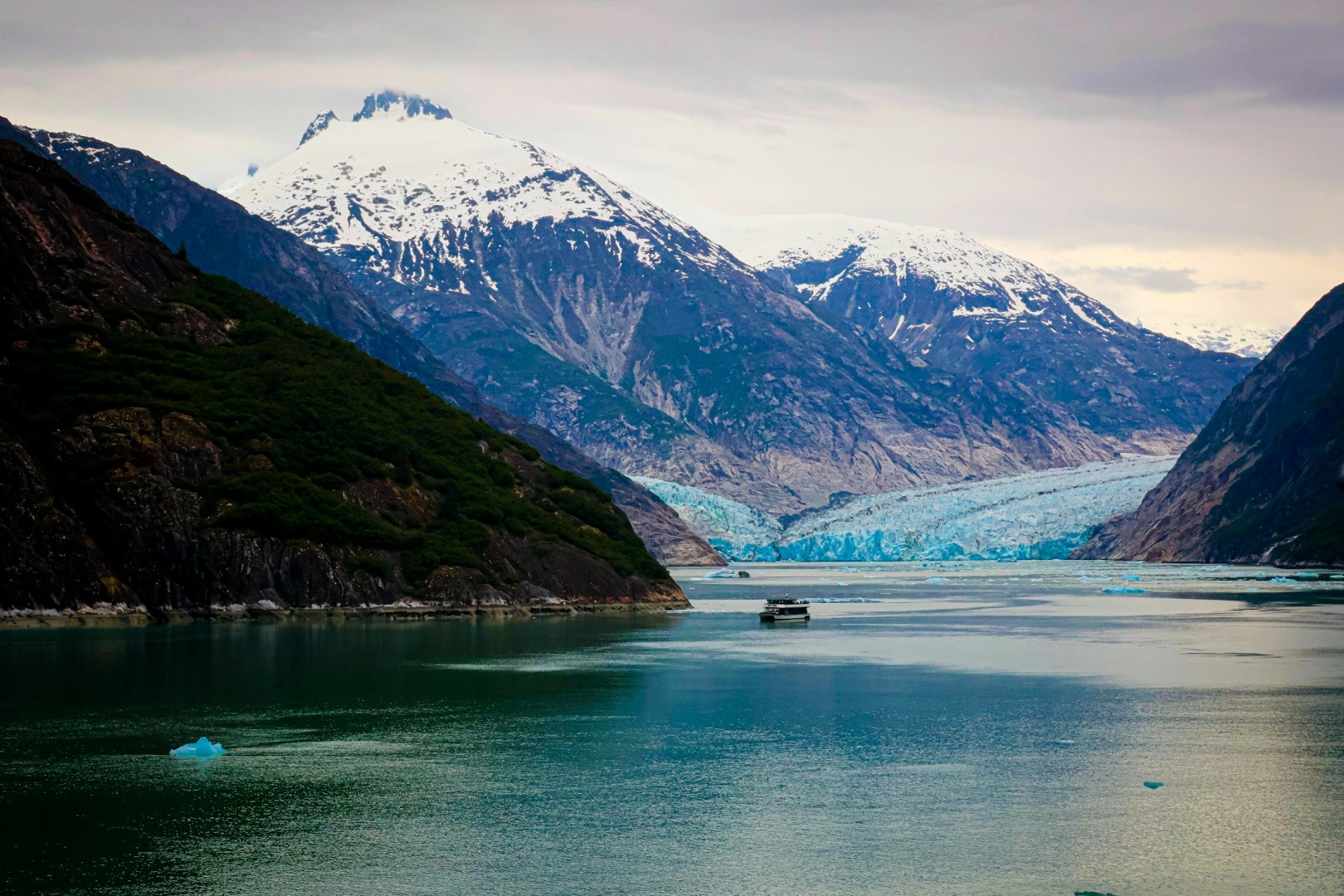
Dawes Glacier
Dawes Glacier is a tidewater glacier in Endicott Arm, a deep fjord branching from the waters of southeastern Alaska’s Tracy Arm-Fords Terror Wilderness. The glacier descends from the Coast Mountains toward the head of the fjord, where ice meets seawater at a broad calving face. Towering mountains, steep cliffs, waterfalls, and dense coastal forest surround the fjord, creating a dramatic setting that is best experienced from the water.

Tallinn
From grand castles to resplendent cathedrals, Tallinn’s Old Town neighborhood, a UNESCO World Heritage Site, is the perfect place to begin exploring. Enter through Viru Väravad, or Viru Gate, the former fortress whose remaining two towers beckon you into the heart of the city.
