

Karpathos
Karpathos is marked by the peculiar Karpathian houses, built of carved stone, full of embroidery and characteristic interior decorations. From Pigadia you may visit Kyra Panagia, a picturesque bay with a marvelous beach and a monastery of the same name. A little further, on the northern promontory of Karpathos, lies the Diafani village; on the nearby little island of Saria we see Palatia, with ruins of the ancient city of Nisyros.

Slovakia
Slovakia is a country shaped by mountains, castles, and centuries of shifting borders. Tucked in the heart of Europe, it offers visitors a chance to explore medieval towns, alpine peaks, and deep-rooted traditions still practiced in daily life. Bratislava, the capital, sits along the Danube River and is one of the few national capitals that borders Austria and Hungary.
Garden Route National Park
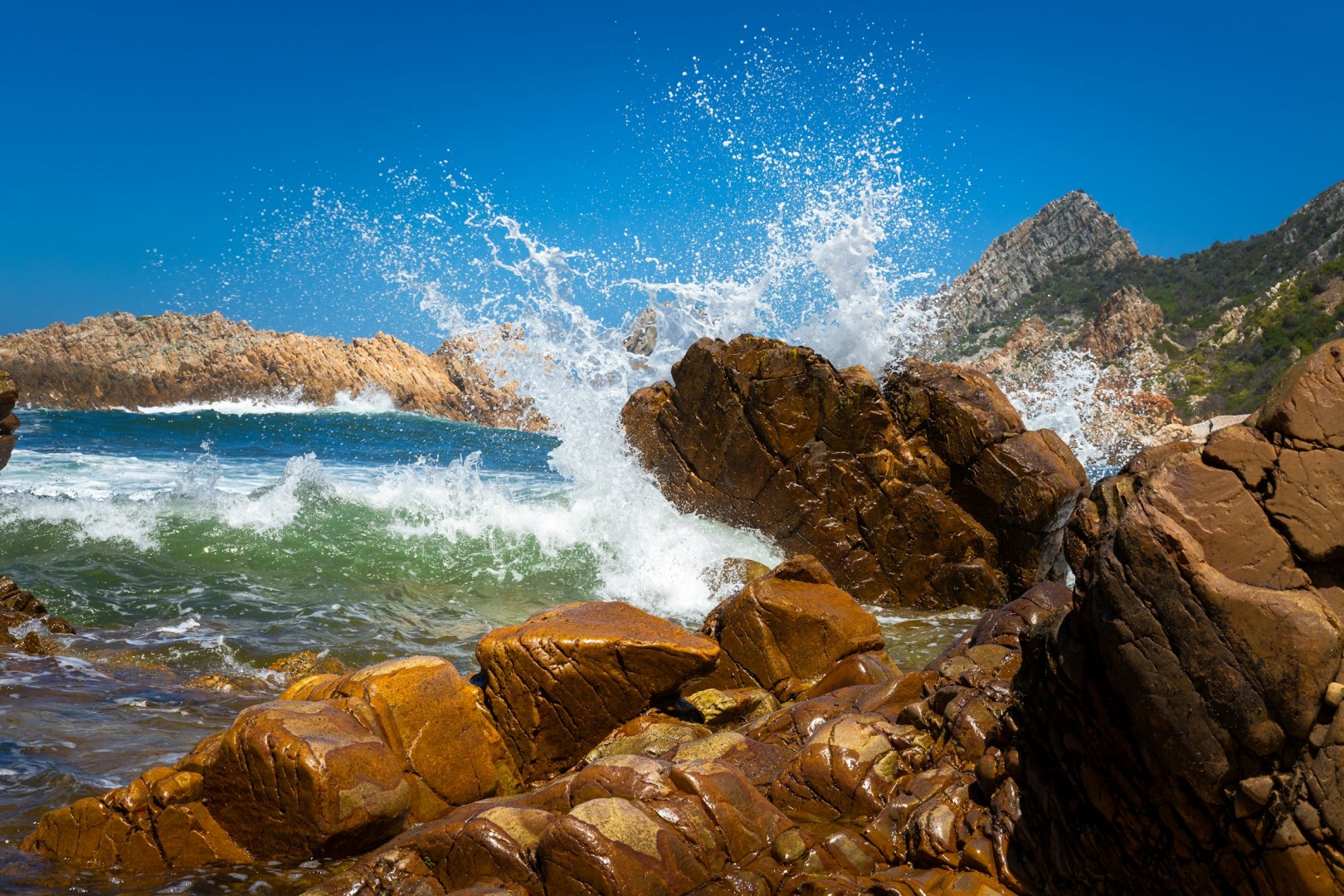
Garden Route National Park is a network of protected areas along South Africa’s southern coast, bringing together the Tsitsikamma, Wilderness, and Knysna sections under one management system. The park stretches across a varied landscape of Indian Ocean coastline, indigenous forest, mountain catchments, fynbos, rivers, lakes, and estuaries.
Iquitos
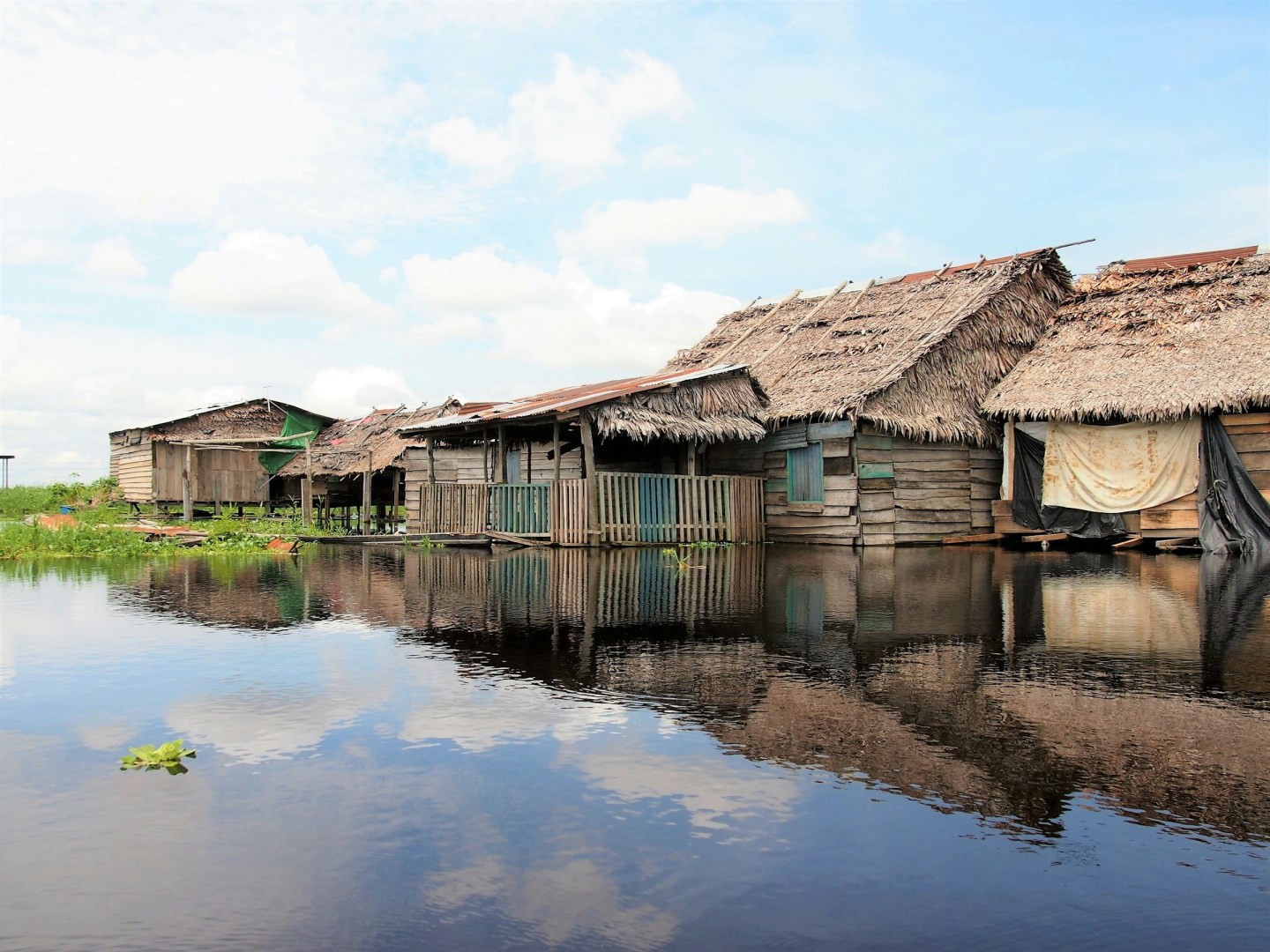
Although not accessible by road, it is Peru's most important commerical center in the east. It is on the Amazon which is wide enough to allow freighters at their busy port. The 1880's saw the rubber boom and recently oil has been the boom.
Lincoln
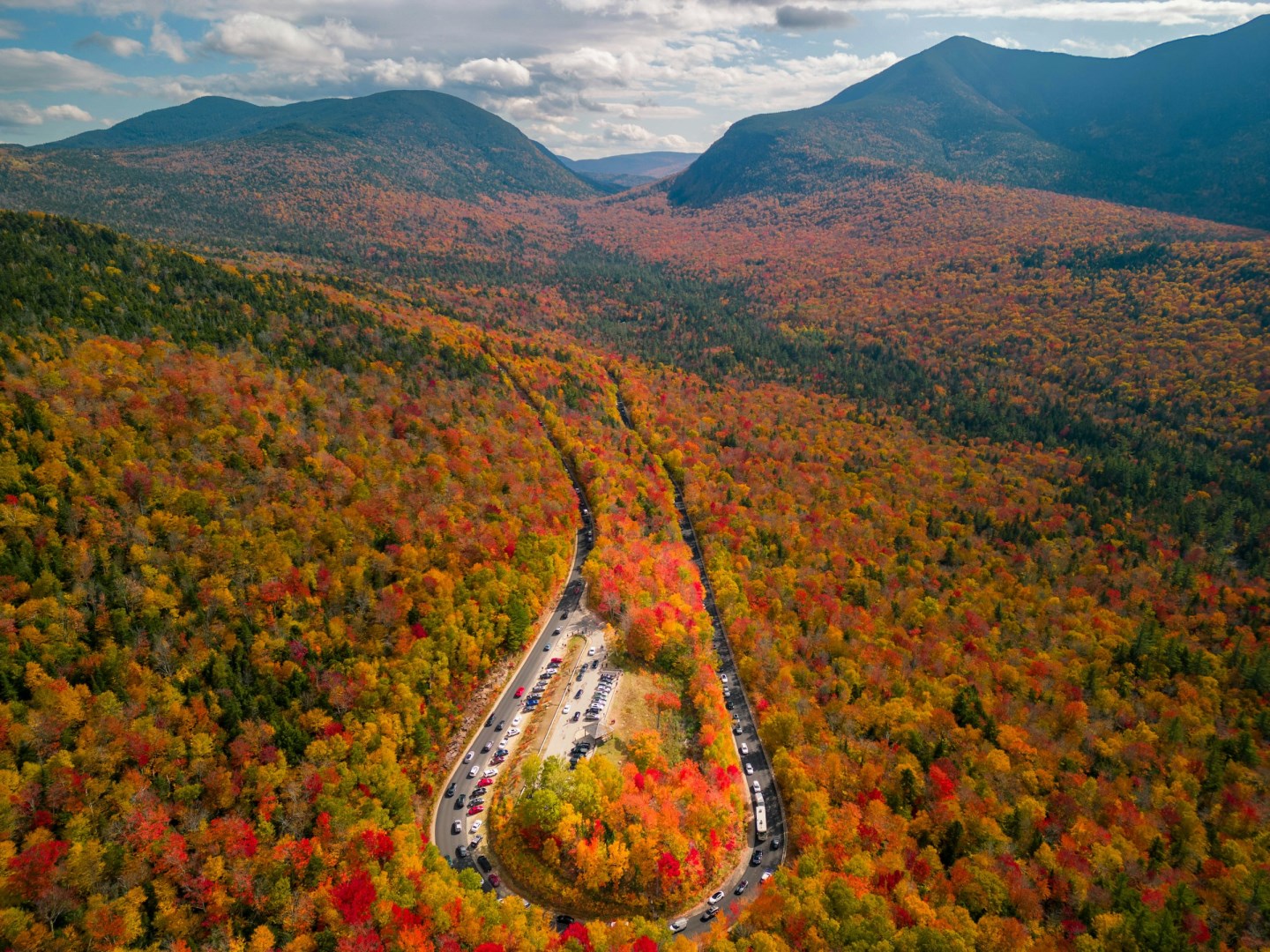
Lincoln is a town in New Hampshire’s White Mountains, situated along the Pemigewasset River near the western entrance to Franconia Notch. Its setting combines a compact commercial center with wooded hills, mountain valleys, and easy access to protected public lands. Lincoln is closely connected with the larger Franconia Notch landscape, while its location along Interstate 93 makes it an important stopping point for travelers crossing the White Mountains.
