
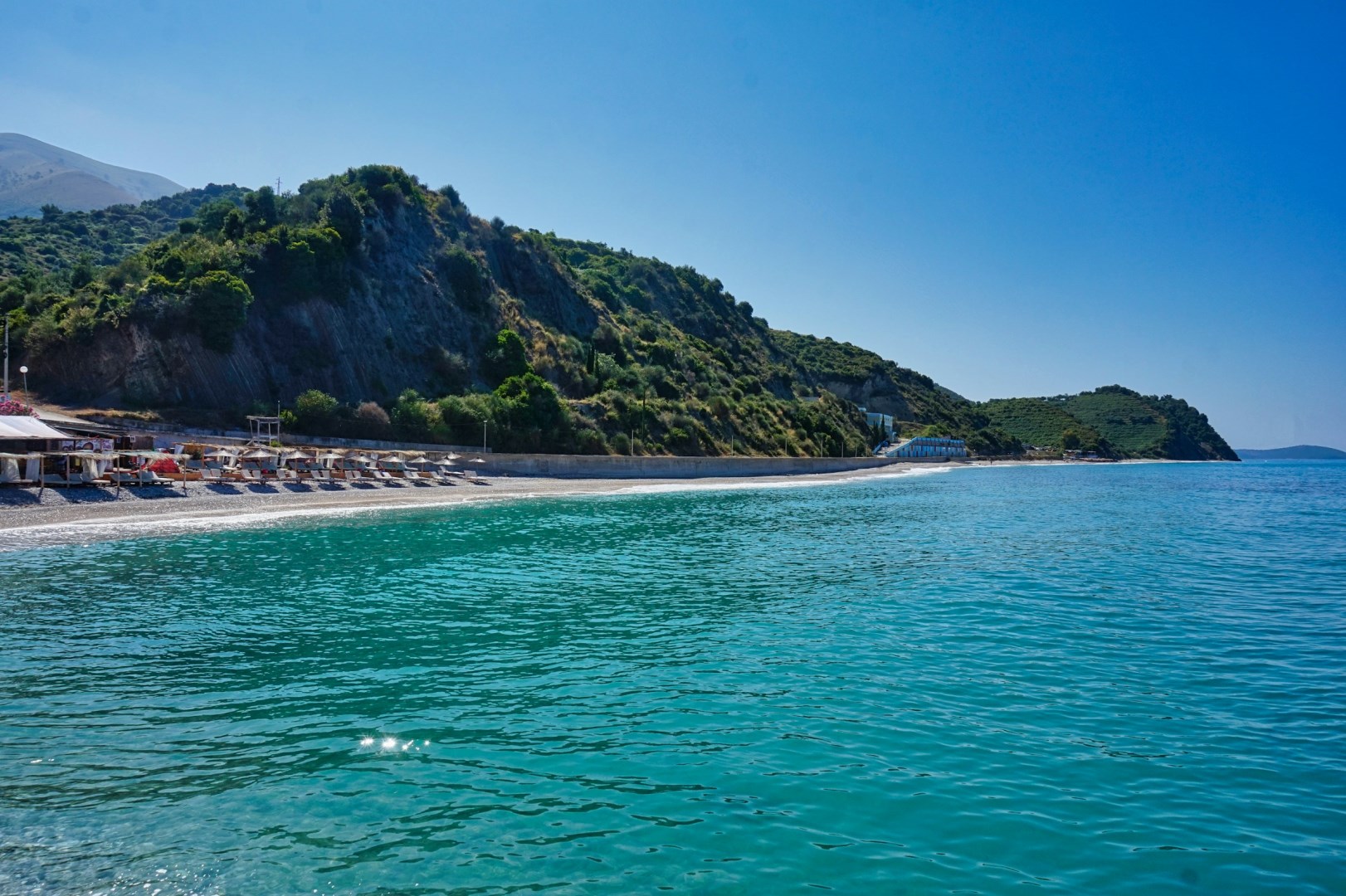
Albanian Riviera
The Albanian Riviera is a stretch of Ionian coastline in southern Albania, extending from the Llogara area toward Sarandë and including coastal settlements such as Palasë, Dhërmi, Vuno, Himarë, Qeparo, Borsh, and Lukovë. The landscape combines steep mountain slopes with rocky coves, sandy and pebble beaches, olive groves, and clear coastal waters.

Warsaw
Warsaw stands as one of Europe’s most resilient cities, having rebuilt itself almost entirely after World War II. The Old Town, meticulously reconstructed using paintings by Italian artist Bernardo Bellotto, feels centuries old but is, in fact, less than a hundred years in its current form. Behind the medieval facades lie stories of uprisings, resistance, and quiet defiance. Visitors walking through Castle Square can enter the Royal Castle, where Poland’s Constitution of May 3, 1791 was adopted.
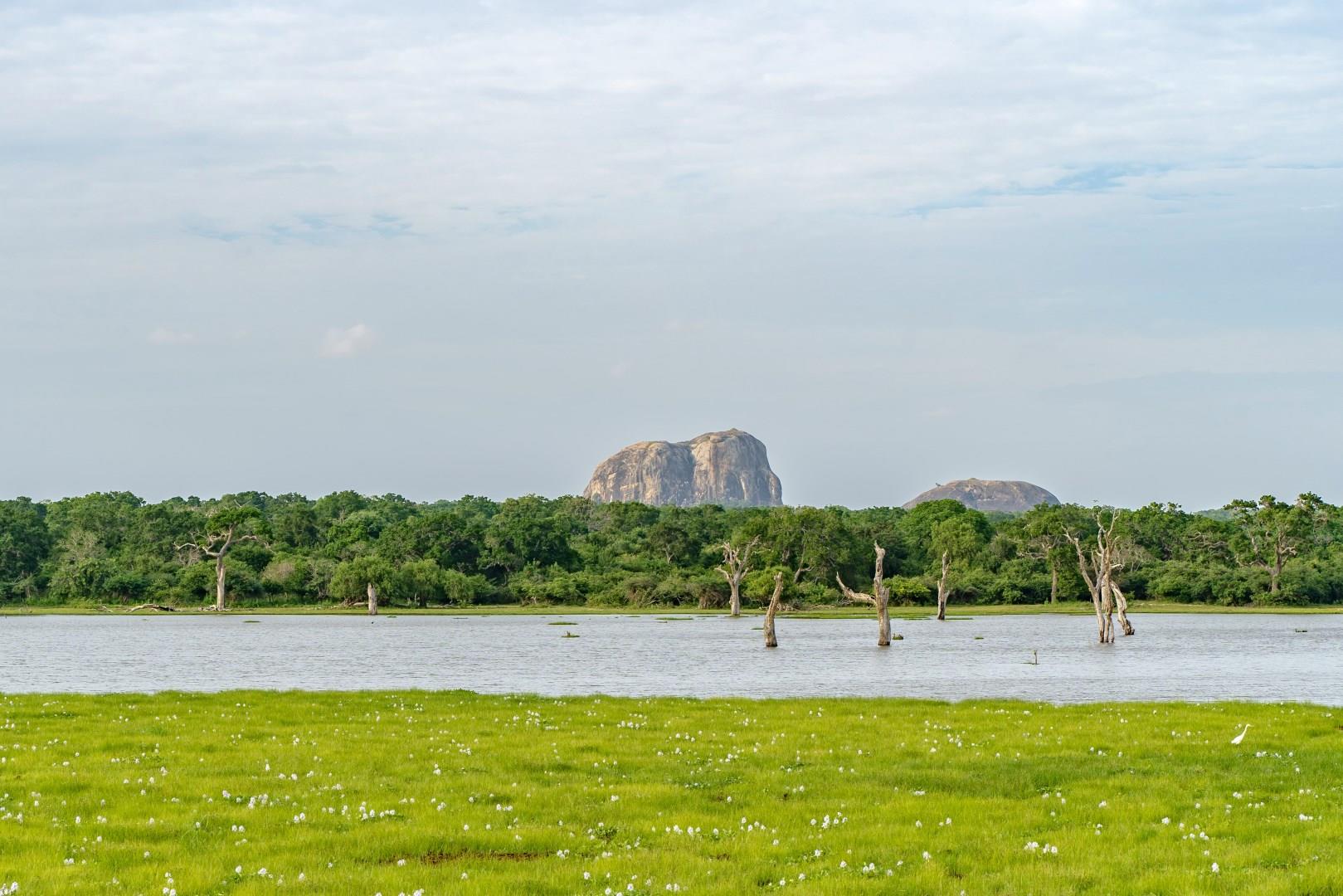
Yala National Park
Yala National Park sprawls across Sri Lanka’s southeast, where dry plains meet lagoons and the Indian Ocean’s shoreline. It is one of the country’s oldest protected areas, first set aside as a wildlife reserve in 1900 and later declared a national park in 1938, and today invites travelers to see life thrive in a wide range of landscapes, from scrubland to sandy beaches.

Etosha National Park
Etosha National Park, located in northern Namibia, is one of Africa’s most renowned wildlife destinations. Covering nearly 8,500 square miles, it is centered around the Etosha Pan, a massive salt flat that can be seen from space. During the dry season, animals gather around waterholes, creating spectacular wildlife viewing opportunities that attract visitors from around the world.
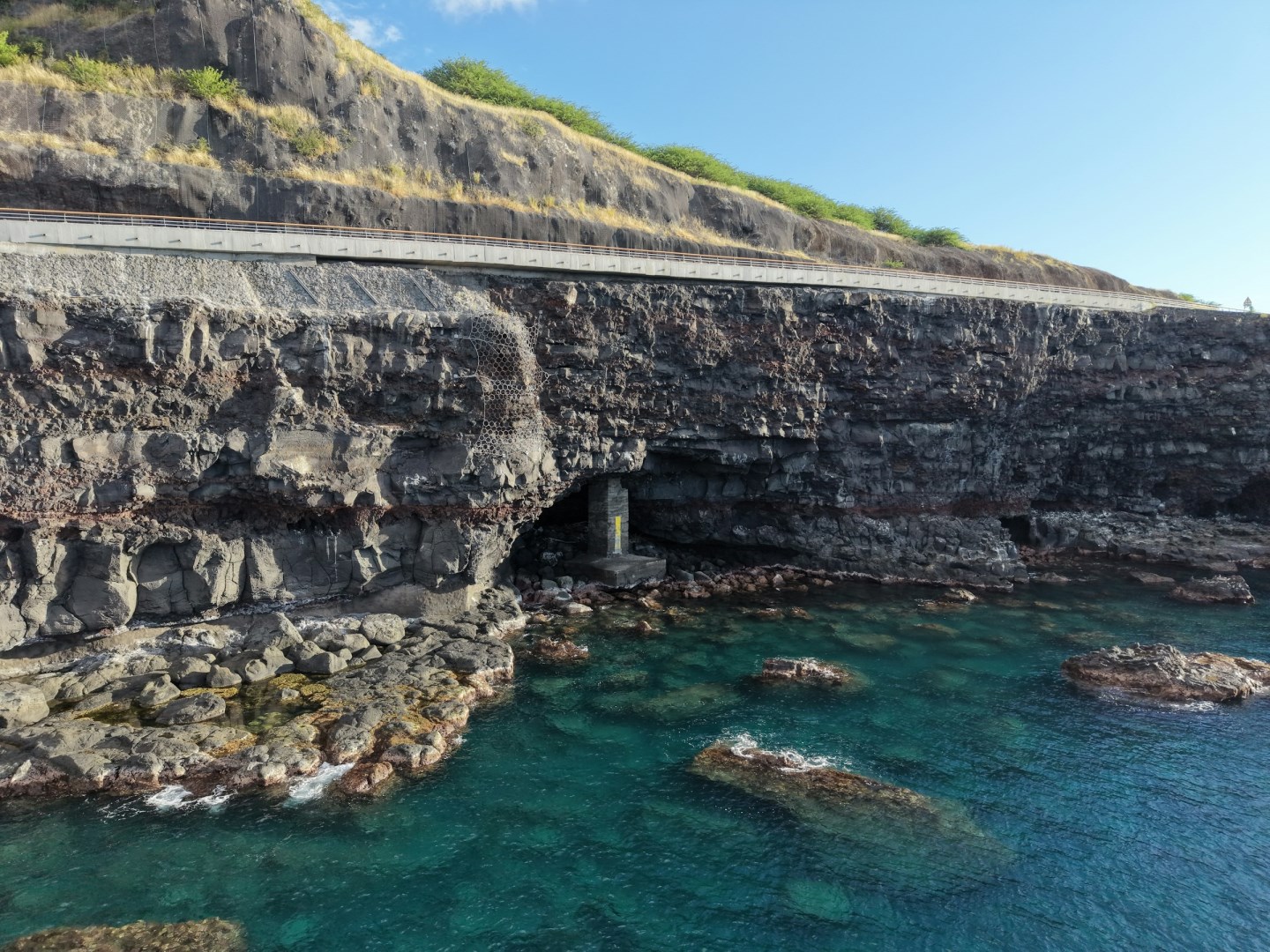
Saint-Gilles les Bains
Saint-Gilles-les-Bains is a coastal town on the western side of Réunion, a French island in the southwestern Indian Ocean.
