

Mumbai
This energetic city is home to three UNESCO World Heritage Sites: the Elephanta Caves, Chhatrapati Shivaji Maharaj Terminus, and the city's distinctive Victorian and Art Deco buildings. It is the largest city in India and contains 7 distinct districts. There is so much to see here, but the most popular tourist attractions are typically concentrated in South Mumbai such as the Elephanta Caves, the Gateway of India and Chhatrapati Shivaji Maharaj Terminus.
Kristiansund
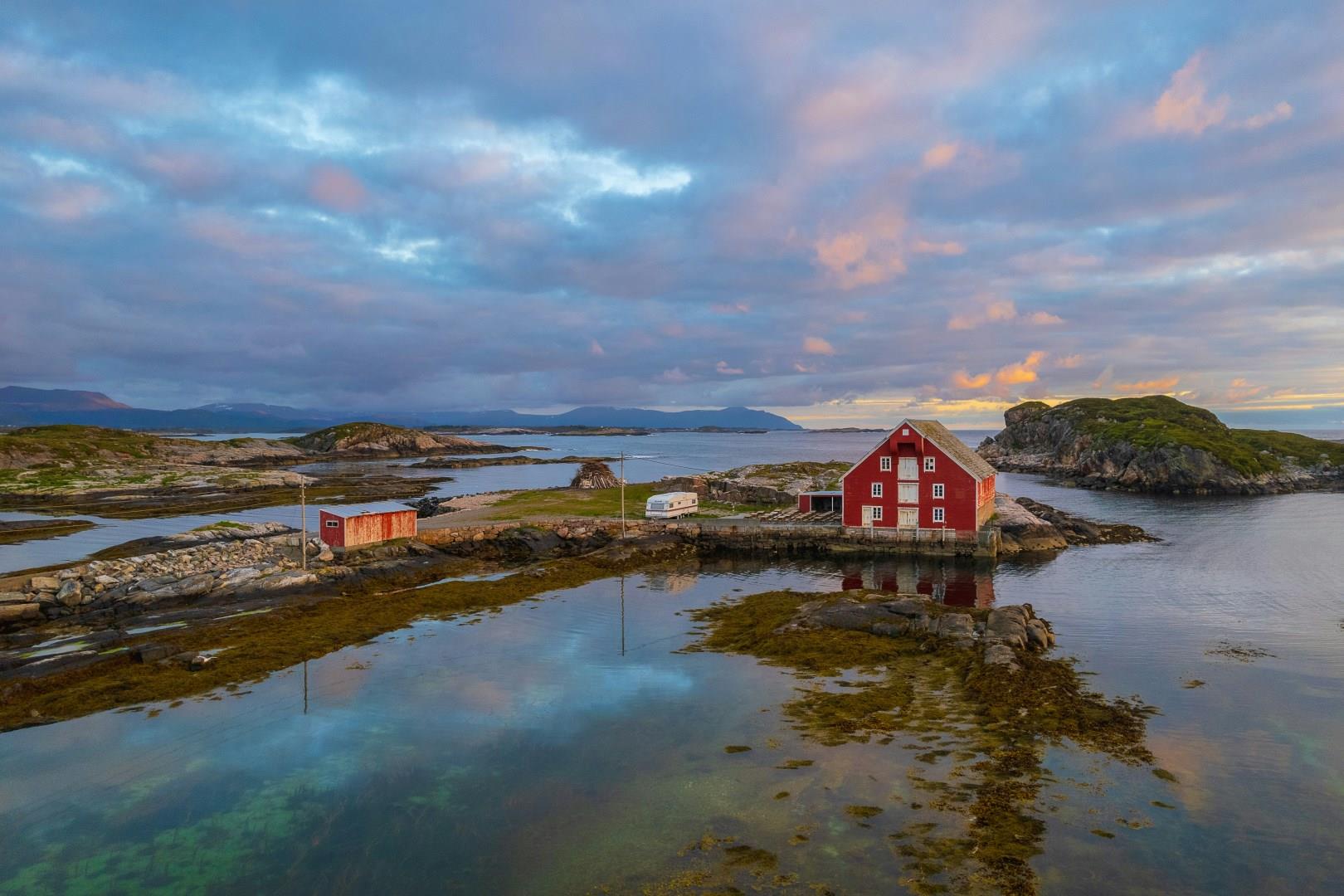
Kristiansund is a town facing the North Atlantic, on the west coast of Norway. Both its history and geographical position are unique. It is not a big town and does not have a large population, but the friendly attitude of the people who live here and their way of life, makes it a town with a big heart. Its business centre is close to green parks and small forests. The beautiful view of the surrounding mountains completes the picture.

Anguilla
Anguilla, a serene island in the eastern Caribbean, offers a slice of paradise with its pristine beaches and crystal-clear waters. Known for its luxurious resorts and laid-back atmosphere, Anguilla invites visitors to unwind on its 33 stunning beaches, such as Shoal Bay East and Rendezvous Bay, which are consistently ranked among the best in the world.

Bay of Islands
Three hours north of Auckland, a chain of verdant islands meet glittering turquoise waters in the Bay of Islands. This subtropical paradise will astound you with its abundance of natural beauty and marine life. Sail to the Bay of Islands, and you'll find plenty to see and explore. Hike to stunning Rainbow Falls, kayak along the shores of New Zealand's lush coastline, and keep an eye out for whales, dolphins, penguins, and a variety of colorful parrots.
Nazca
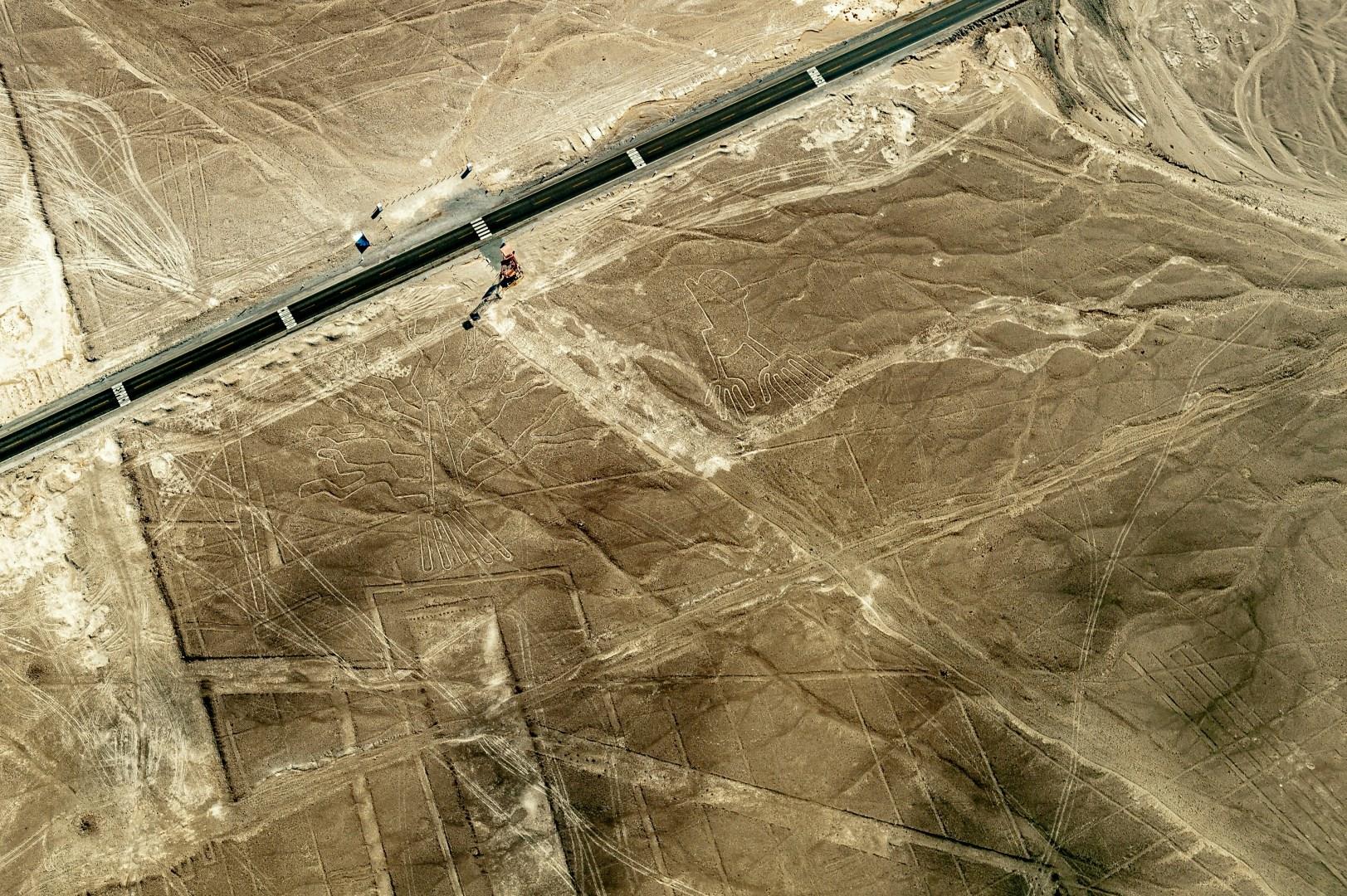
In the southern deserts of Peru, Nazca invites visitors to look beyond the horizon. This small city is world-famous for the mysterious Nazca Lines, enormous geoglyphs etched into the desert floor more than 1,500 years ago. From the air, shapes like hummingbirds, monkeys, and even a stylized astronaut come into view, some stretching over 300 meters. Their exact purpose remains a mystery, fueling decades of theories.
