

Lyttelton
Lyttelton is the largest settlement on Lyttelton Harbour, an inlet on the northwestern side of Banks Peninsula, and provides a frequent landing spot to those who are Christchurch bound.
Falmouth
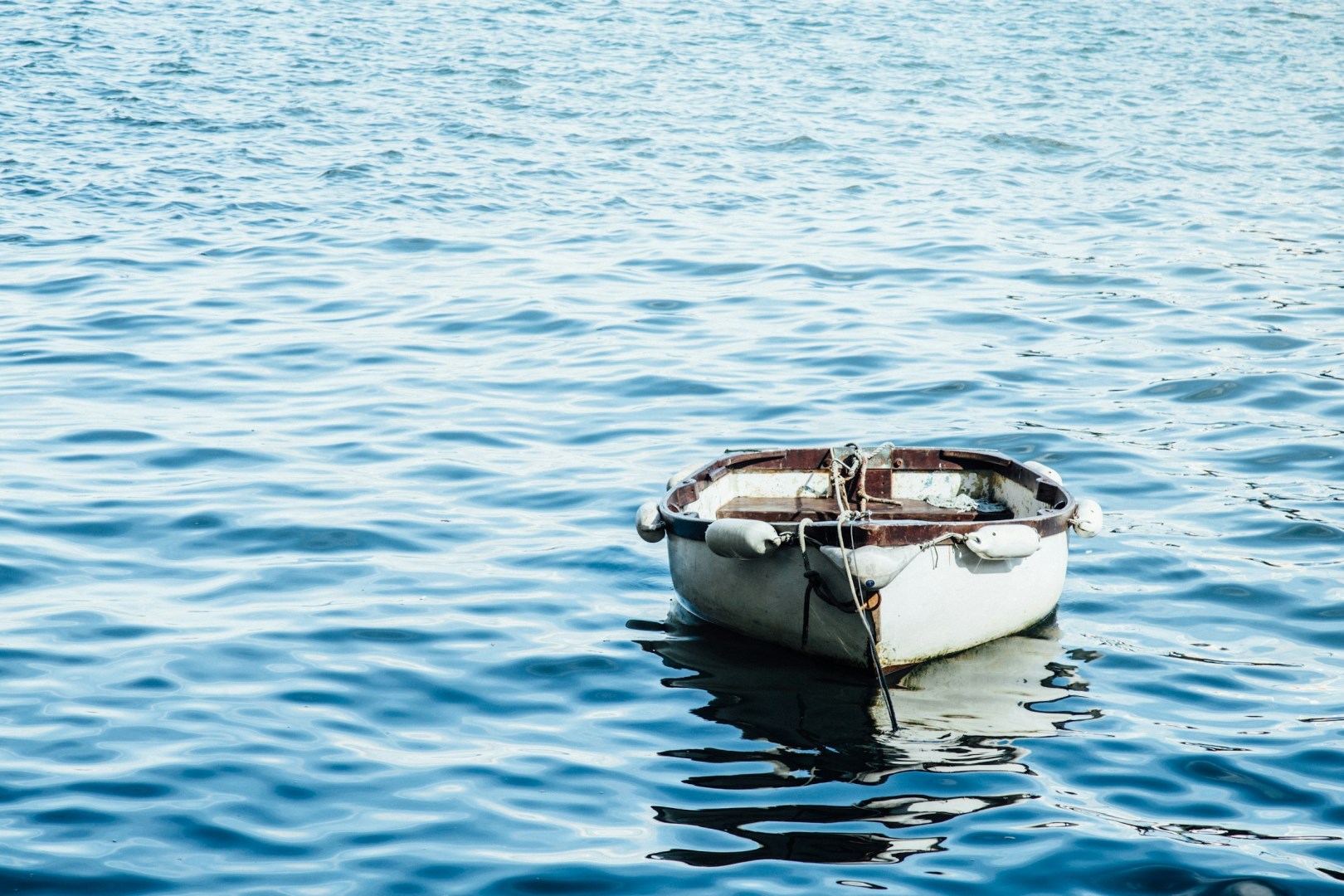
Falmouth, on Cornwall’s south coast, grew around one of the world’s largest natural harbors, a feature that has shaped its maritime identity for centuries. The town expanded during the age of sail, serving as a key port for packet ships, and landmarks like Pendennis Castle still anchor Falmouth firmly in its naval past.
Toledo
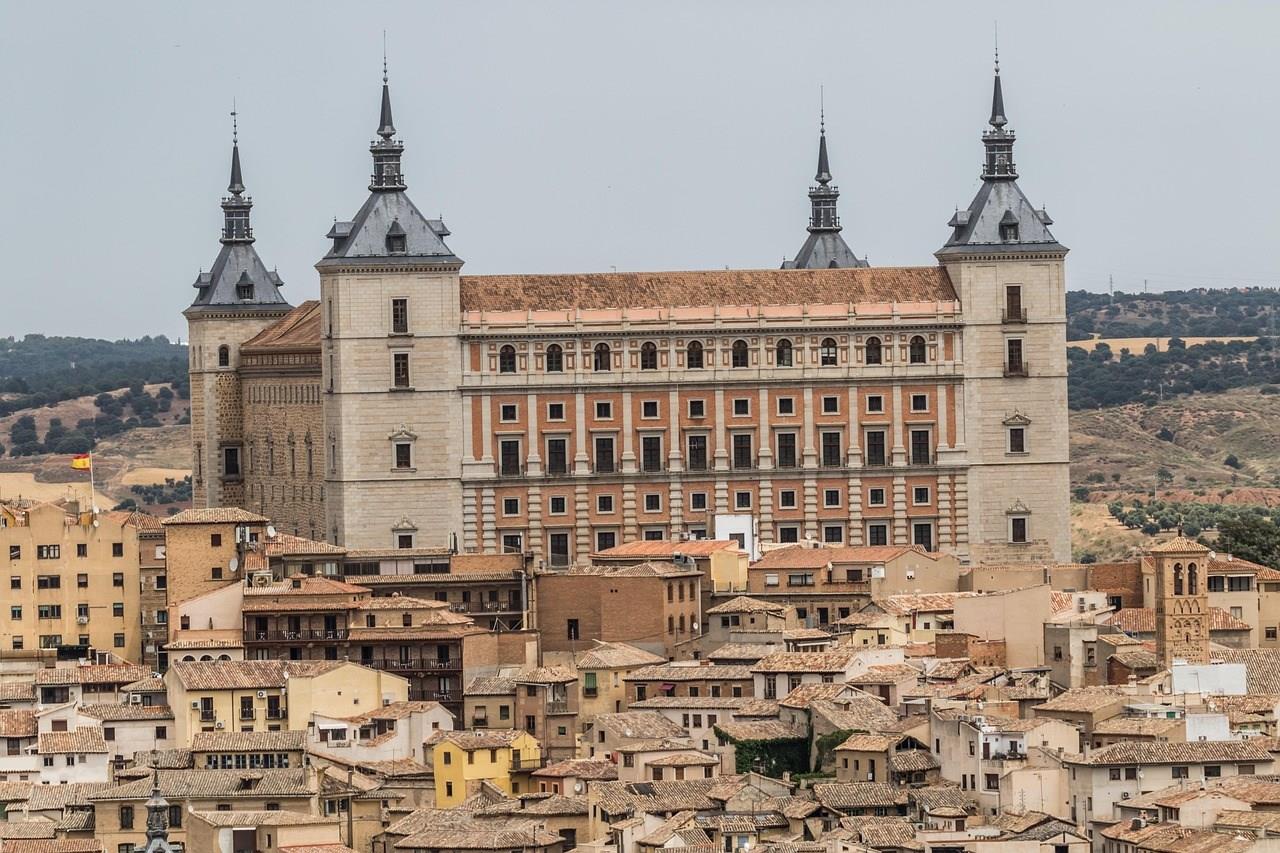
Toledo, high above the Tagus River in central Spain, is a city where layers of history are visible around every corner. For centuries it was an important Roman settlement, a Visigothic capital, and later a stronghold during the medieval Christian reconquest, before becoming the seat of royal power and a crossroads of cultures. Because of this long span of stories and architectural richness, the whole old town has been recognized as a UNESCO World Heritage Site.
Salima
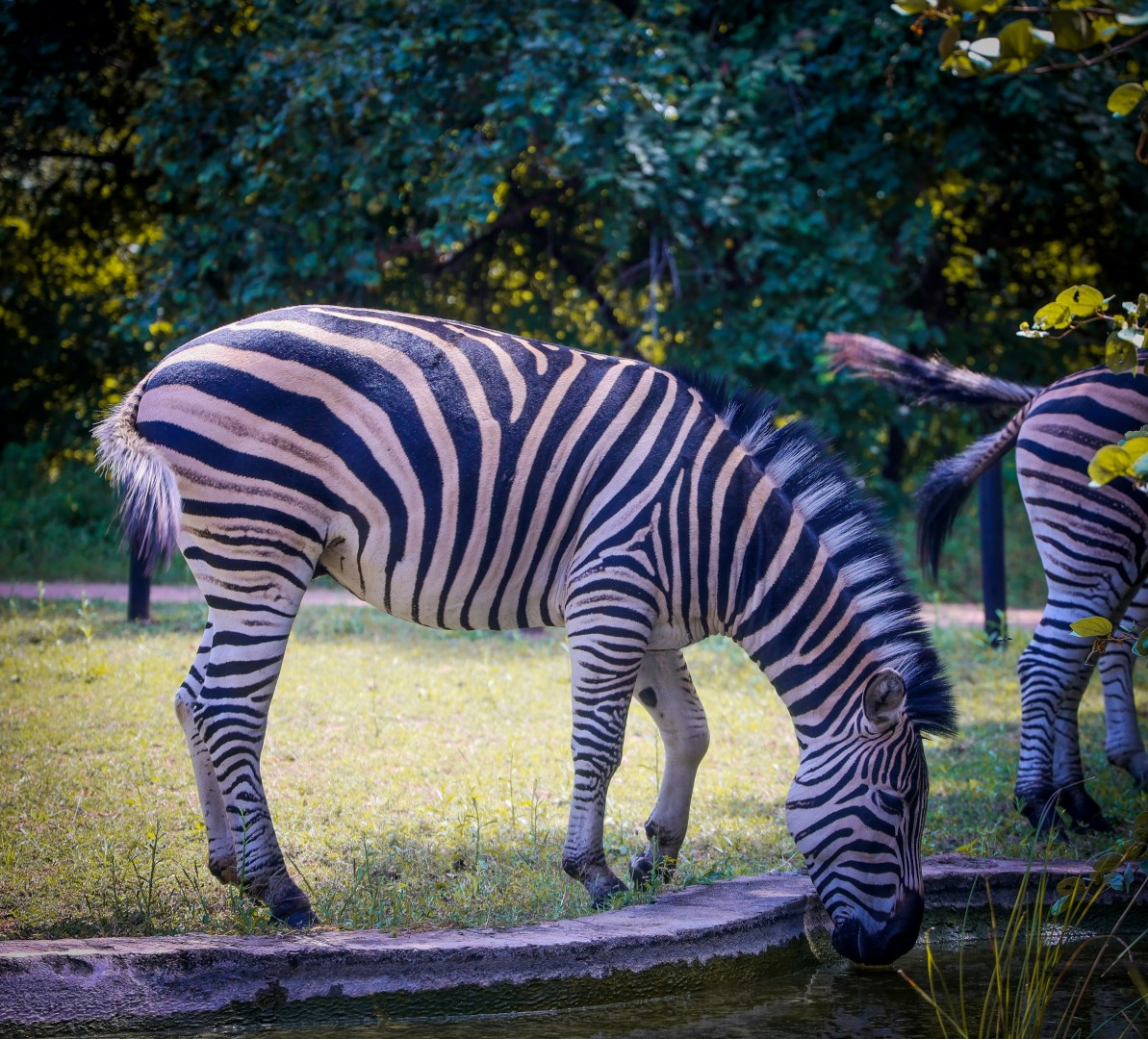
Salima is a lakeside town in central Malawi, located between Lake Malawi and the capital city, Lilongwe. Its position near the lake has made it an important centre for fishing, agriculture, trade, and transport. Salima also has a practical connection to Lake Malawi through nearby Senga Bay, one of the better-known recreational areas on the central lakeshore. Its combination of inland commerce and easy access to the lake gives the town a distinctive role in central Malawi.

Tata
Set along the edge of the Anti-Atlas and the northern reaches of the desert, Tata offers a landscape shaped by sun, stone, and water. The town sits within a wide oasis valley, where palm groves stretch across the land in sharp contrast to the surrounding dry hills. Life here depends on careful use of water, and visitors quickly notice how every field and garden is planned with purpose. The result is a setting that feels both remote and deeply connected to the land.
