
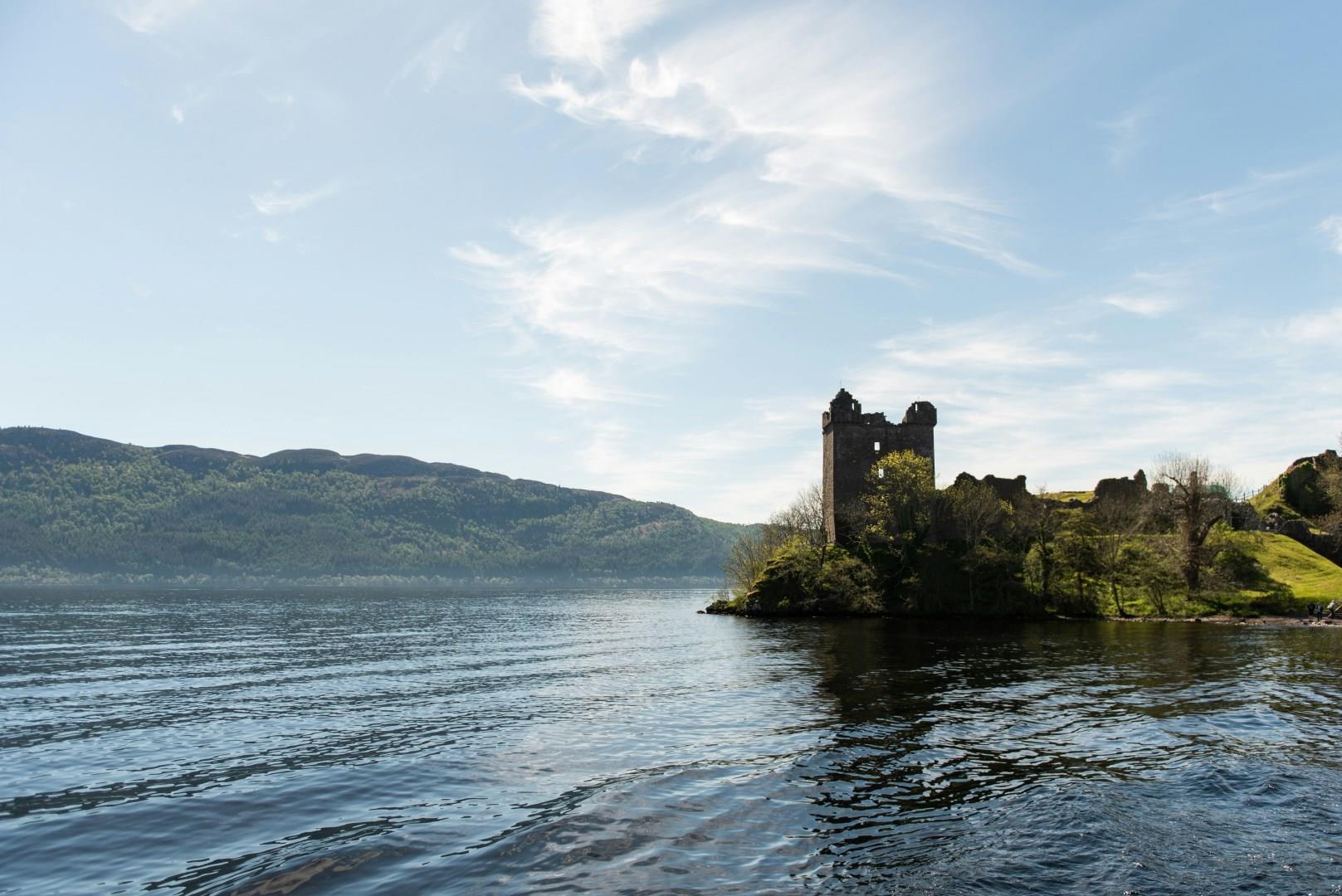
Loch Ness
Loch Ness stretches over 23 miles through the Scottish Highlands, holding more freshwater than all the lakes in England and Wales combined. Best known for its elusive resident, the so-called Loch Ness Monster, the loch has sparked international curiosity since the first modern "sighting" in 1933. While Nessie remains elusive, the surrounding landscape offers clear reasons to visit with steep hillsides, forested trails, and ancient ruins framing one of Scotland’s most iconic bodies of water.
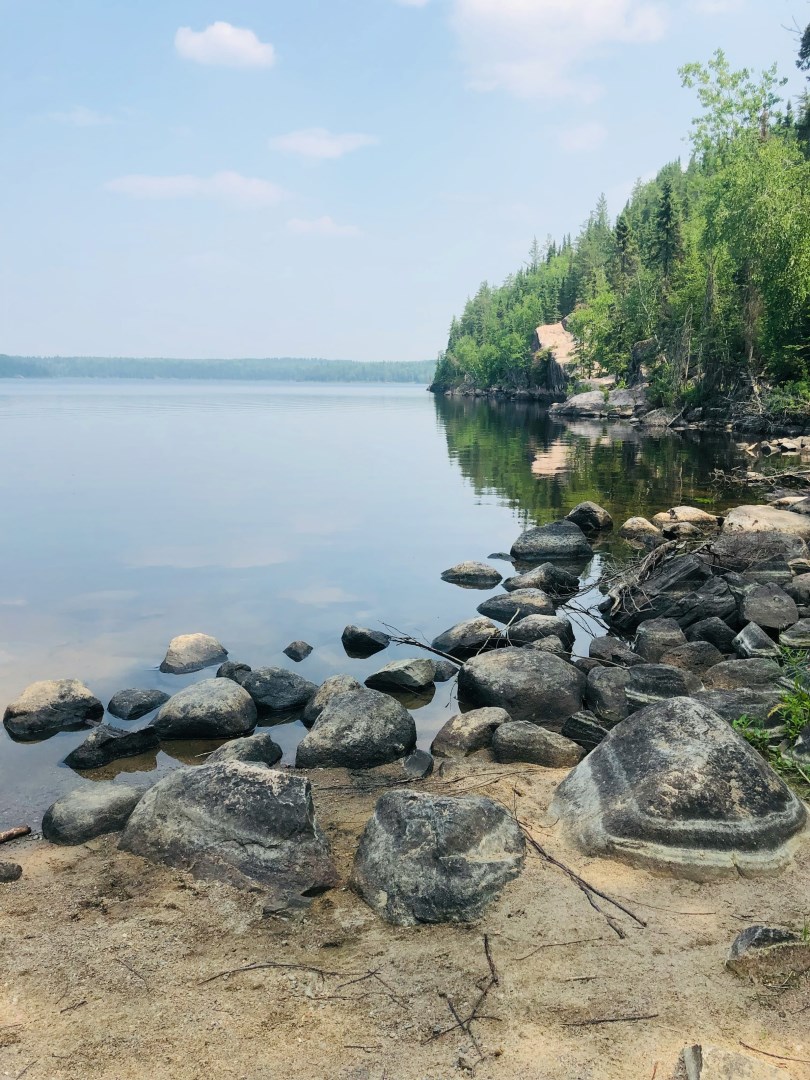
Manitoba
Winnipeg is Manitoba's capital, and its total area equals 250,999 sq. miles. The northern half of the province has dense forests, and mineral-rich soil, while the southern half produces wheat.

Lao Cai
Lao Cai, a gateway city to the northern highlands of Vietnam, offers an alluring blend of cultural diversity, breathtaking landscapes, and a touch of French colonial heritage. Situated along the Red River and bordering China, Lao Cai is the starting point for adventurers heading to the famous terraced rice fields of Sapa, but it has its own unique charms to discover.

New Caledonia
New Caledonia is an archipelago located in the south western part of the Pacific Ocean, and belongs to what is known as Melanesia. The mainland known as the "Grande Terre" is the principal island of New Caledonia and covers an area of 400 kms north to south and 50 kms west to east, with a total surface of 19 000 square meters. It is the third largest island in the South Pacific after New Guinea and New Zealand.

Trinidad & Tobago
Trinidad and Tobago is a nation of contrasts, where vibrant cultural traditions meet diverse natural landscapes. Together, the two islands balance energy and relaxation, heritage and nature.
