

Brno
Brno, the vibrant heart of the Czech Republic's Moravian region, offers a captivating blend of historical charm and modern dynamism. As the second-largest city in the country, Brno is known for its striking architecture, including the Špilberk Castle, which overlooks the city from its hilltop perch. Originally a medieval fortress, Špilberk Castle has evolved into a cultural and historical museum, showcasing exhibits on the city’s rich past and providing panoramic views of Brno.
Nakhal
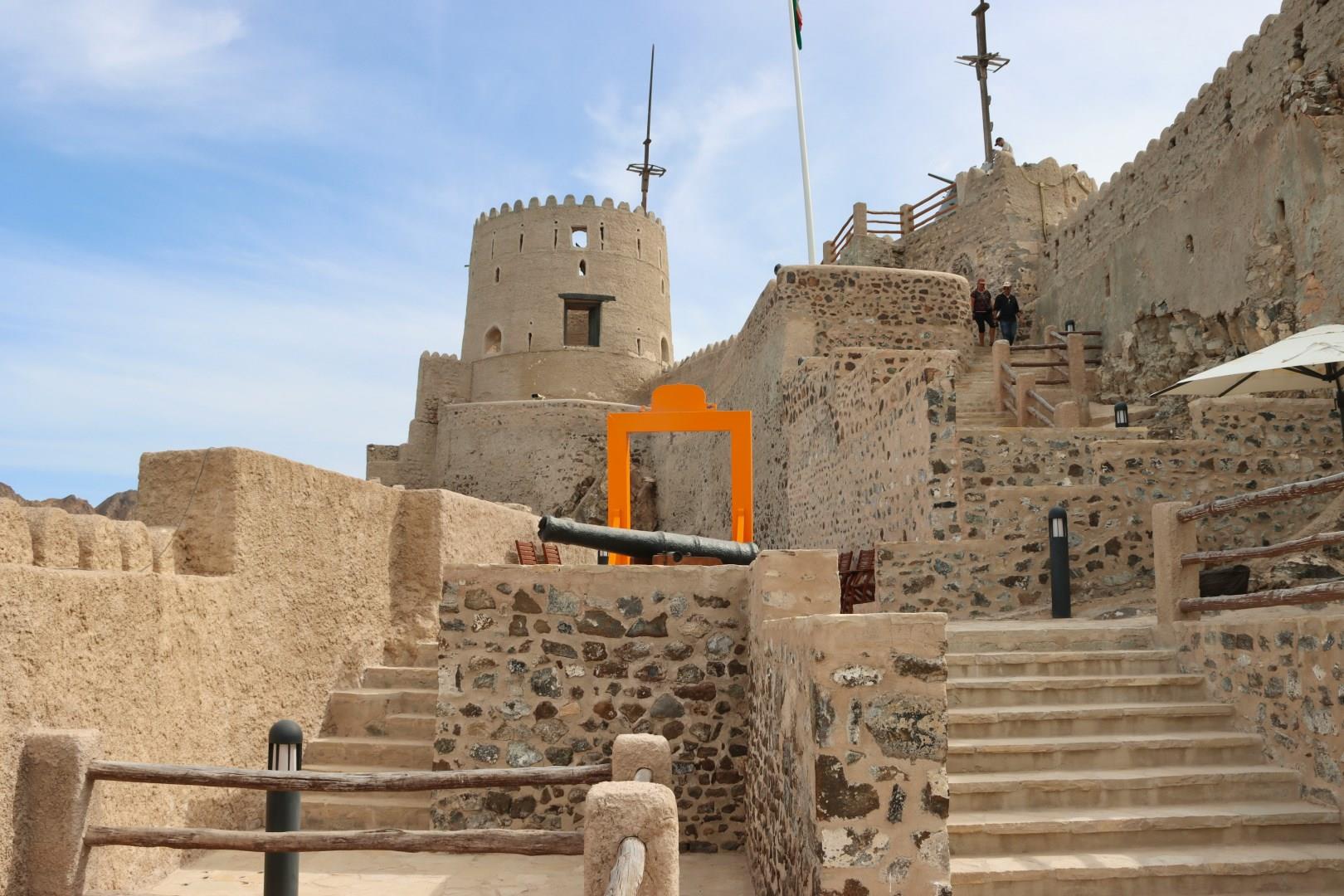
Located in northern Oman, Nakhal is best known for its impressive fort set dramatically against the backdrop of the Hajar Mountains. Originally built centuries ago and later expanded, the fort showcases traditional Omani architecture and offers sweeping views of the surrounding palm groves and rugged landscapes.
Anglesey
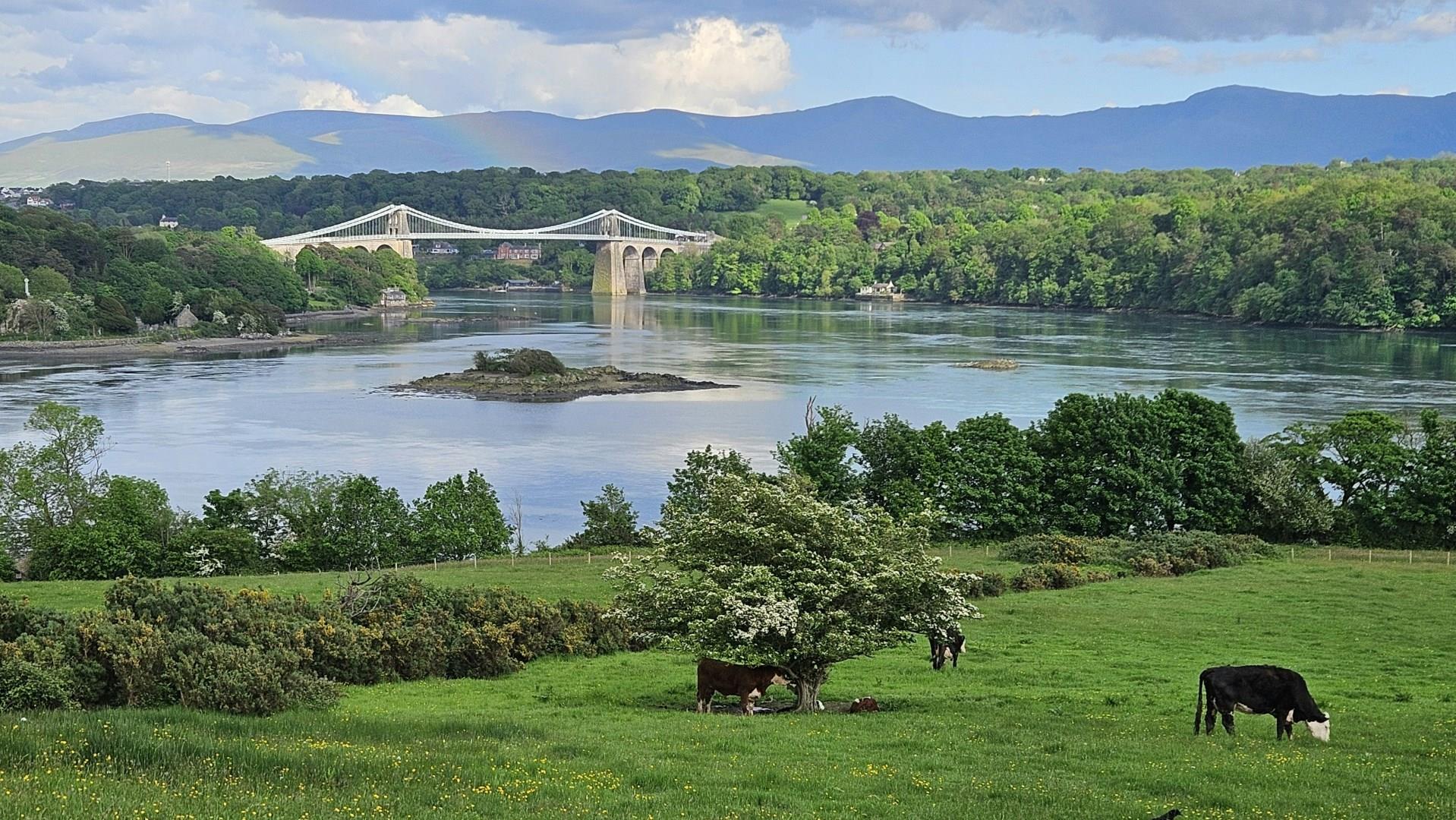
Anglesey is an island off the northwest coast of Wales with a history that stretches back thousands of years. Fertile lands and strategic coastal position made it an early center for agriculture, livestock, and maritime trade.

Kahului, Maui
Located on the island of Maui, Kahului serves as the island's vibrant commercial hub and a gateway to many of its top attractions, offering visitors an exciting blend of local culture, historic sites, and easy access to Maui’s stunning landscapes. The town is a short drive from some of the island’s most striking destinations, including the majestic Haleakalā National Park and the nearby Hana Highway, with its lush rainforests and hidden waterfalls.
Cleveland
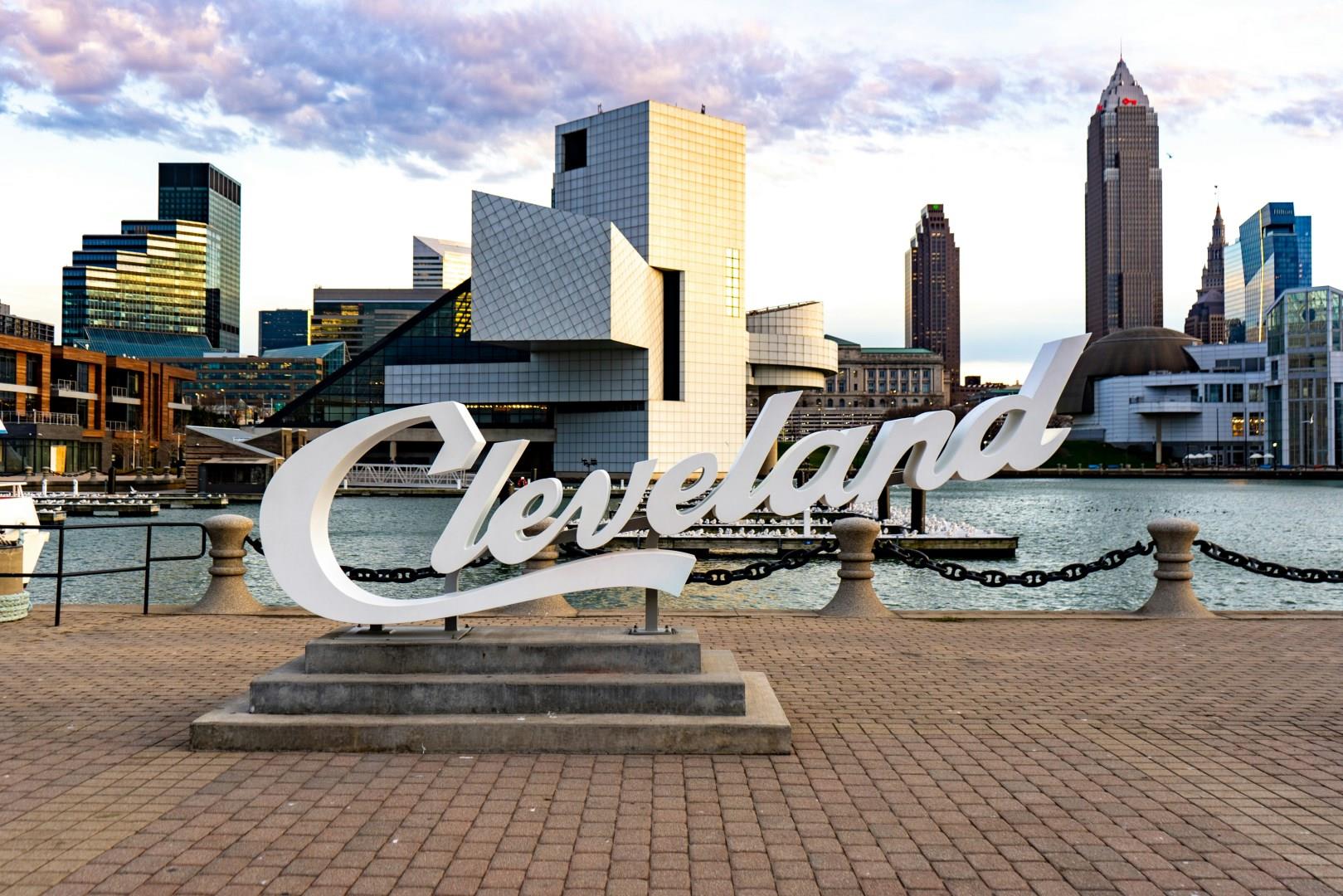
Cleveland, Ohio is a city with grit, pride, and a surprising amount of charm. Perched along the southern shore of Lake Erie, it blends industrial roots with a strong cultural identity. One of its most iconic attractions is the Rock & Roll Hall of Fame, where visitors can view everything from Prince’s custom guitars to handwritten lyrics by The Beatles. The museum brings history to life through rotating exhibits, film screenings, and live performances on the lakefront plaza.
