

Zadar
Set on the Adriatic Sea, Zadar, Croatia, is a major Dalmatia historical center and a tourism magnet. Walk ancient streets, see Roman ruins and enjoy white-sand beaches.

Versailles
Versailles, just a short journey from Paris, is a city where grandeur and history converge in a stunning display of French royalty. At the heart of this city lies the iconic Palace of Versailles, a UNESCO World Heritage site that was once the residence of Louis XIV, the Sun King.
Krabi
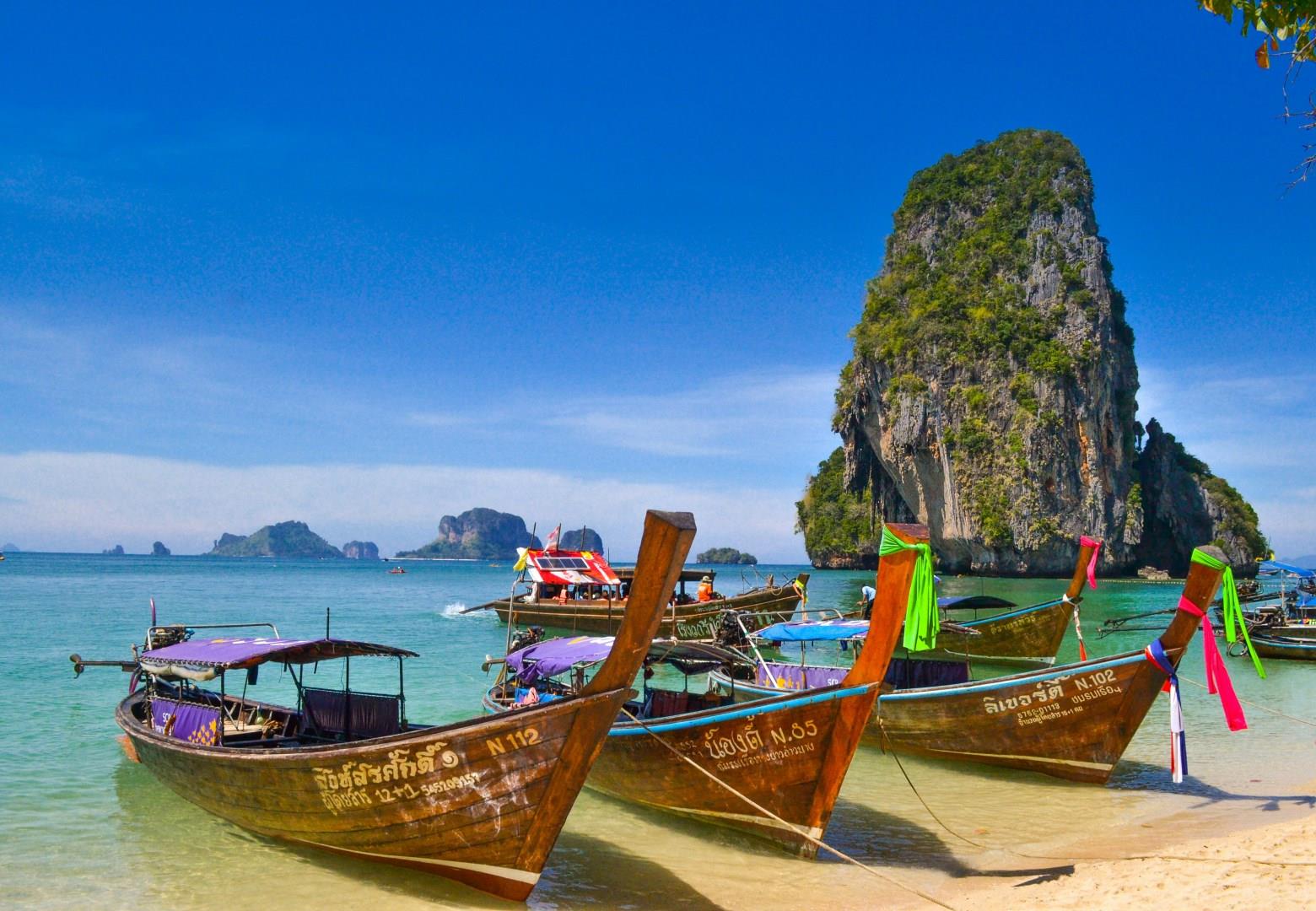
Krabi, located on the southwest coast of Thailand, is known for its towering limestone cliffs, warm Andaman waters, and a coastline dotted with over 150 islands. One of its most iconic sites is Railay Beach, which is accessible only by boat due to the cliffs that cut it off from the mainland. Railay is famous among rock climbers for its natural limestone formations, some of which hang directly over the sea.

Bari
Bari, the capital of Puglia in southern Italy, is a vibrant port city with a rich history and lively atmosphere. Begin your exploration at the Basilica di San Nicola, an iconic pilgrimage site housing the relics of Saint Nicholas. This Romanesque church, dating back to the 11th century, is renowned for its stunning architecture and historical significance (Basilica di San Nicola).
Port Augusta
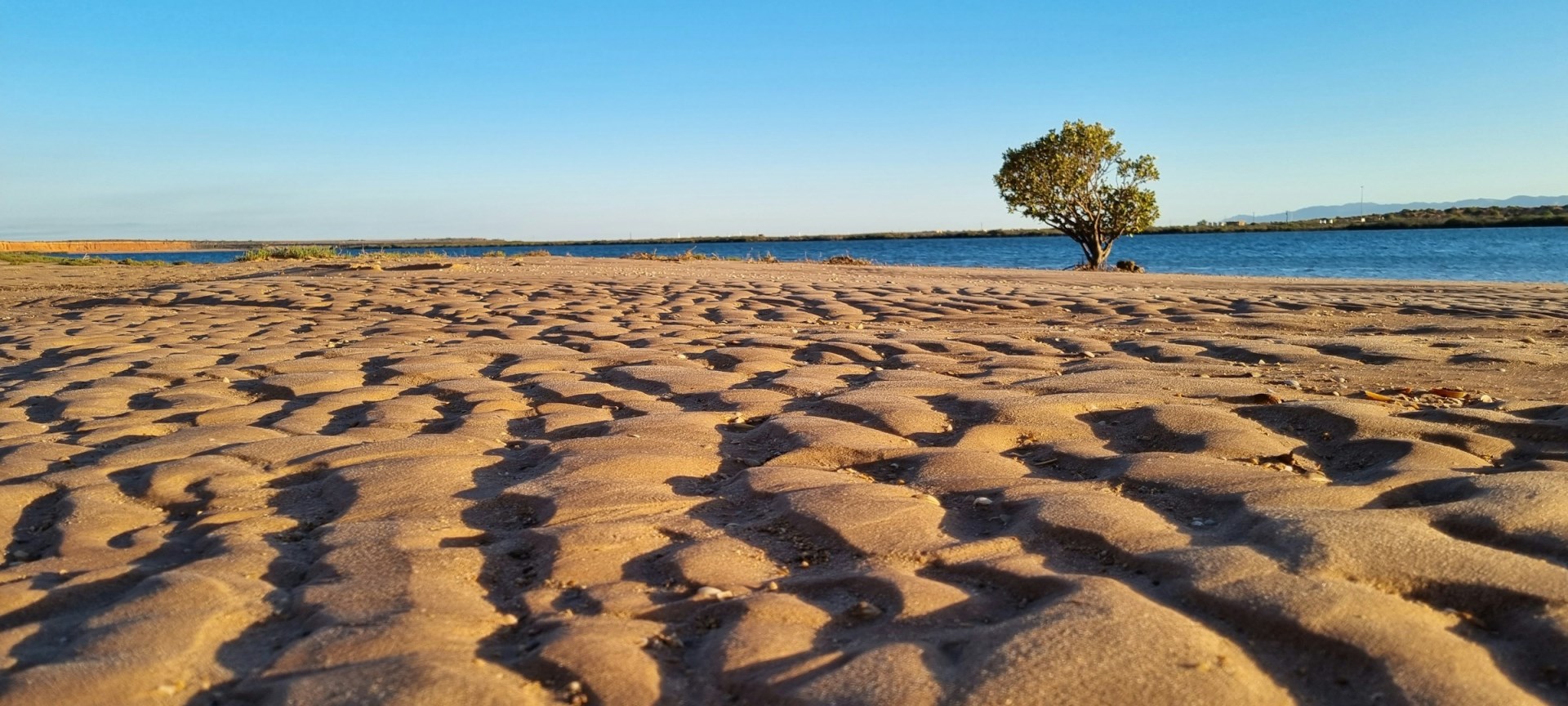
Port Augusta is the perfect crossroads to wherever you want to go. Whether heading west across the Nullarbor to Western Australia, north to Alice Springs in Northern Territory, east to Broken Hill in New South Wales, or south to Adelaide you can get there from Port Augusta.
