
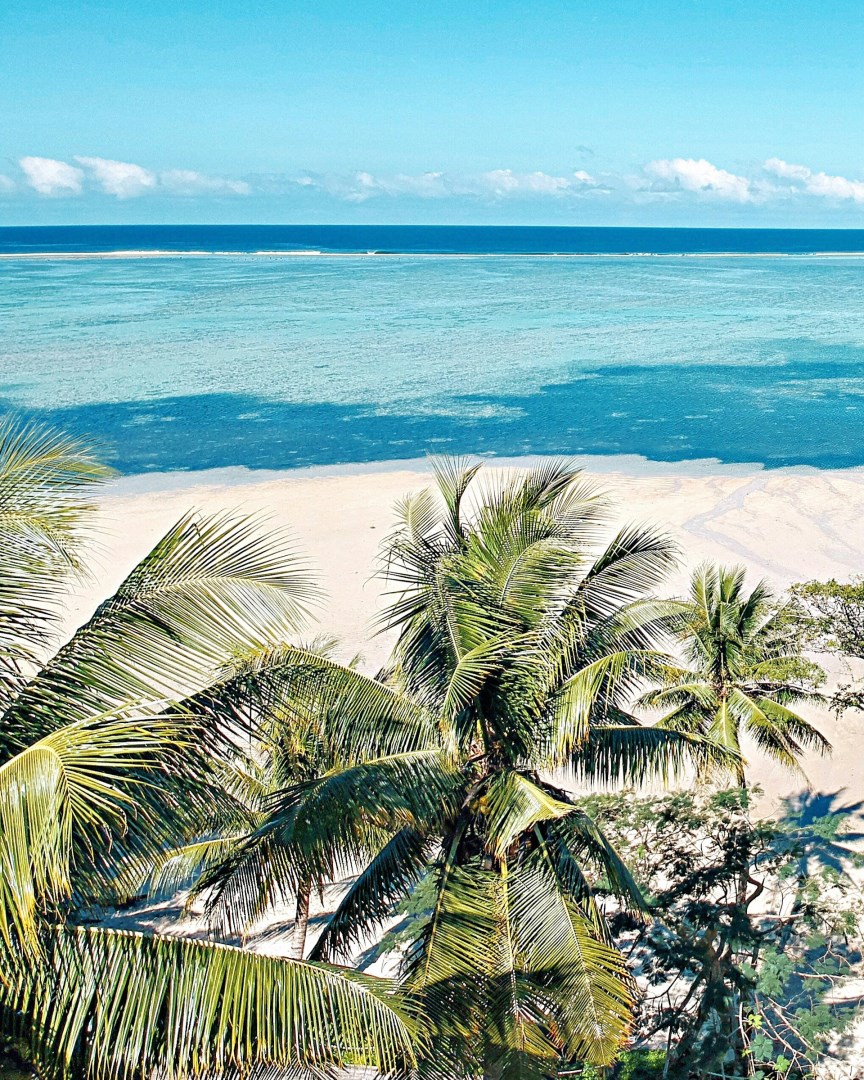
Viti Levu
Viti Levu is Fiji’s largest island and the country’s main centre of population, government and commerce. More than 70 percent of Fiji’s residents live on the island, which includes the capital, Suva, in the southeast and Nadi, the principal international gateway, in the west.
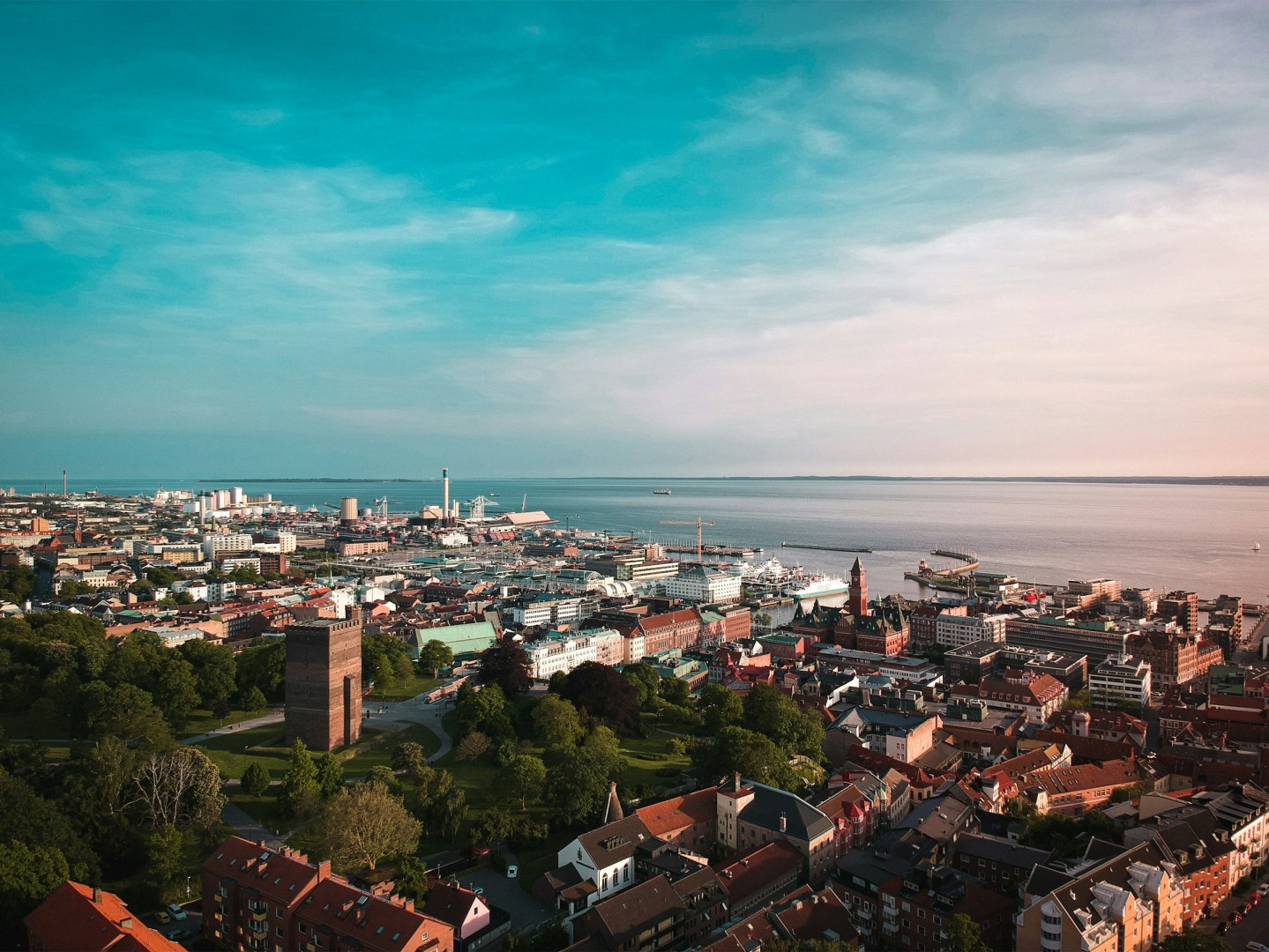
Helsingborg
This 900-year old city, often called "The Pearl of the Sound," is situated at the narrowest point of the Oresund Sound. You will be enchanted by the city's international atmosphere. It has everything from golf (23 courses in all), to vast beaches, jazz clubs and restaurants offering a wide variety of cuisine.
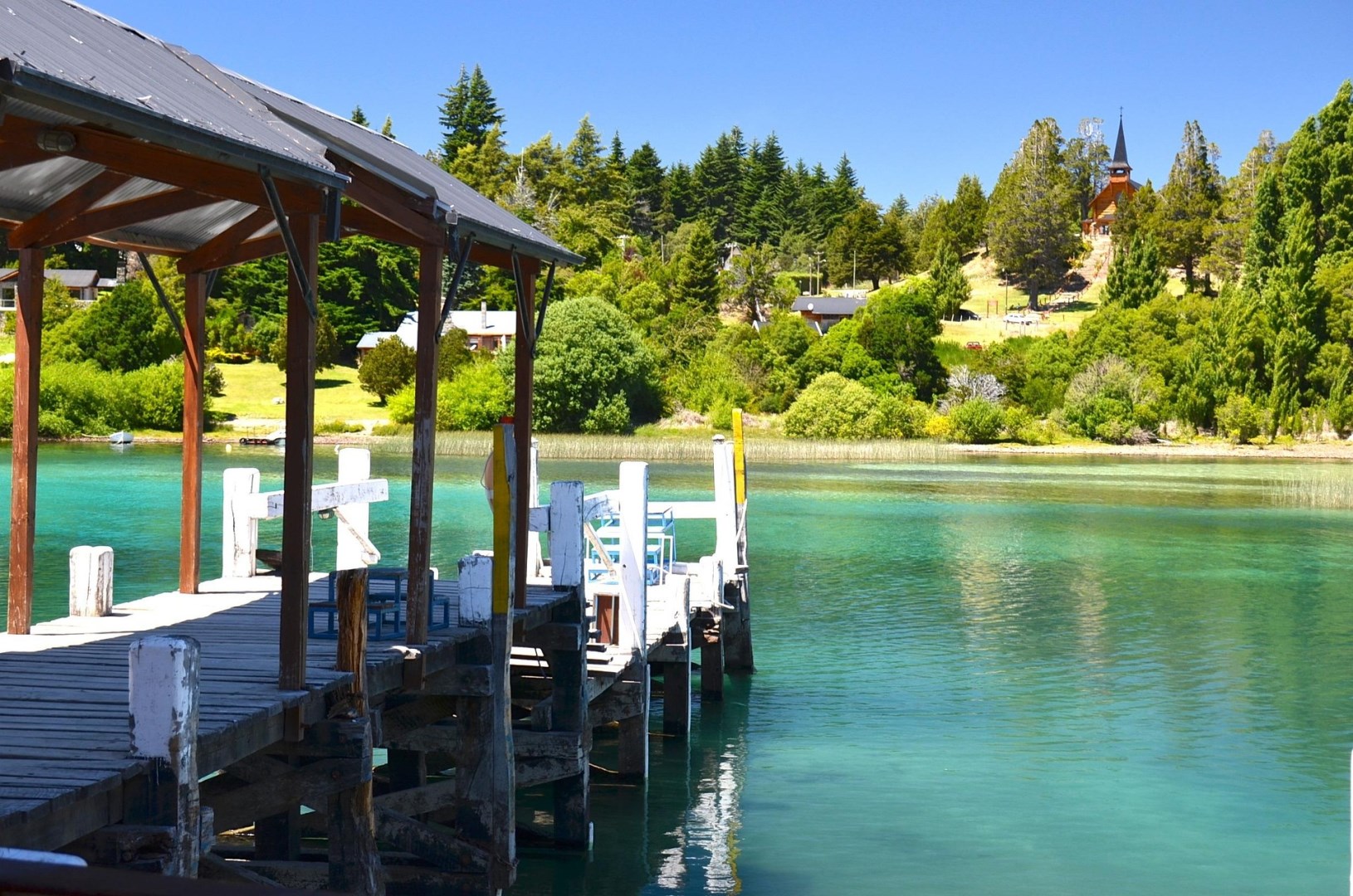
Bariloche
Bariloche, tucked into the foothills of the Andes in Argentina’s Patagonia region, is a town that feels both alpine and uniquely Argentine. With its wooden chalets, Swiss-style architecture, and chocolate shops on every corner, many visitors are surprised to find a lakeside town that resembles parts of Europe. But Bariloche’s identity is all its own, shaped by deep indigenous roots, waves of immigration, and the striking presence of Lake Nahuel Huapi.
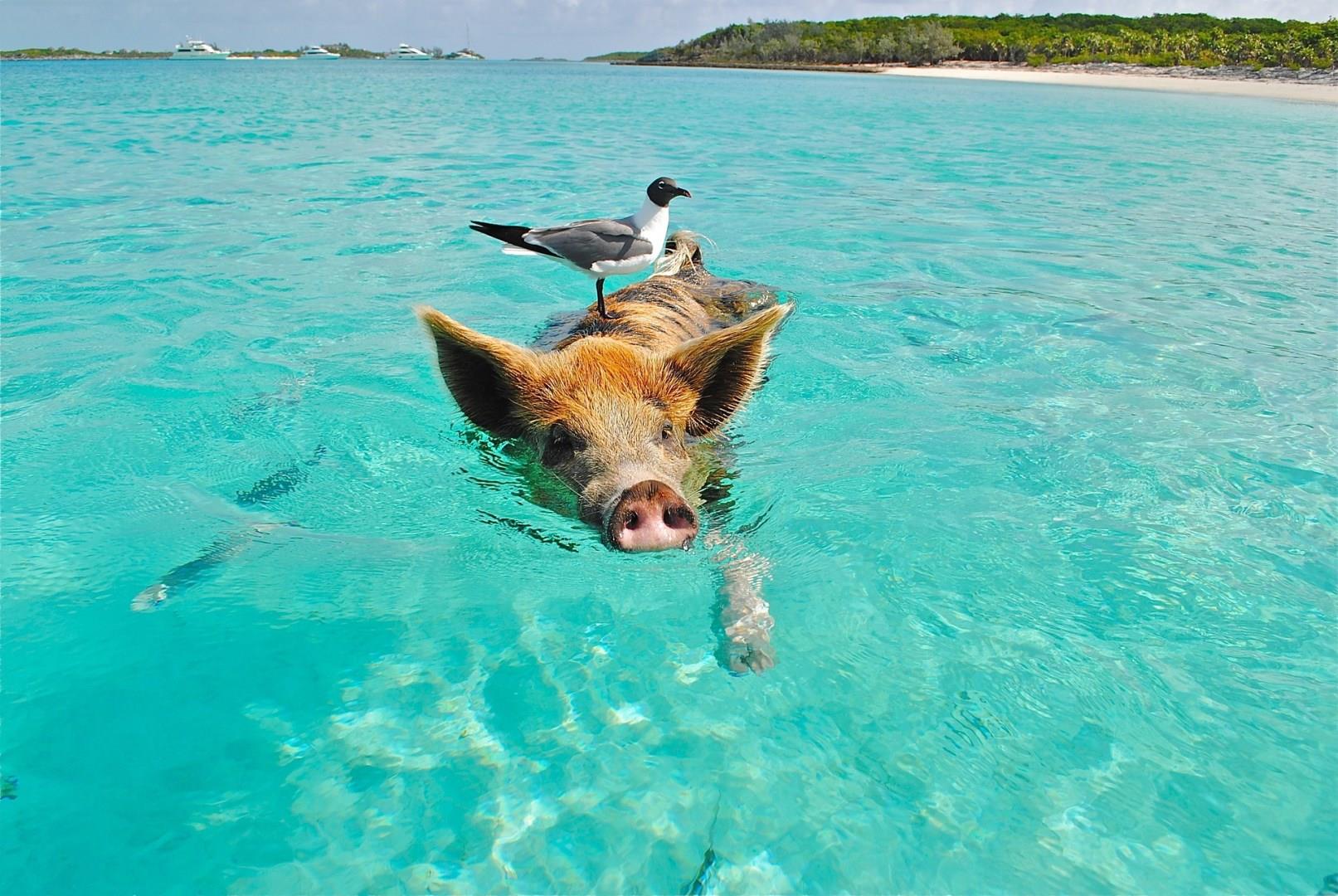
Staniel Cay
Staniel Cay is a small island in the Exuma Cays of The Bahamas, surrounded by clear shallow waters, coral reefs, sandy beaches, and numerous nearby cays. The island covers less than two square miles and has a small Bahamian village on its western shore. Its position makes it a useful base for exploring the surrounding Exumas by boat, while a local airstrip provides another way to reach the island.

Bamberg
Bamberg, located in northern Bavaria, stands out for its remarkably preserved medieval layout, which earned it a spot on the UNESCO World Heritage list. Built on seven hills and often compared to Rome for that reason, the city’s architecture reflects over a thousand years of uninterrupted development. Bamberg is well known for its beer, and not just in the usual Bavarian sense. The city has more breweries per capita than any other town in Germany, and it’s the birthplace of rauchbier.
