

Dominica
Dominica, known as the “Nature Island of the Caribbean,” is a haven for eco-tourists and adventure seekers. Nestled between the French islands of Guadeloupe and Martinique, this lush island boasts a remarkable landscape of volcanic mountains, dense rainforests, and stunning waterfalls. Dominica’s most iconic natural wonder is the Boiling Lake, the second-largest hot spring in the world.
Horton Plains National Park
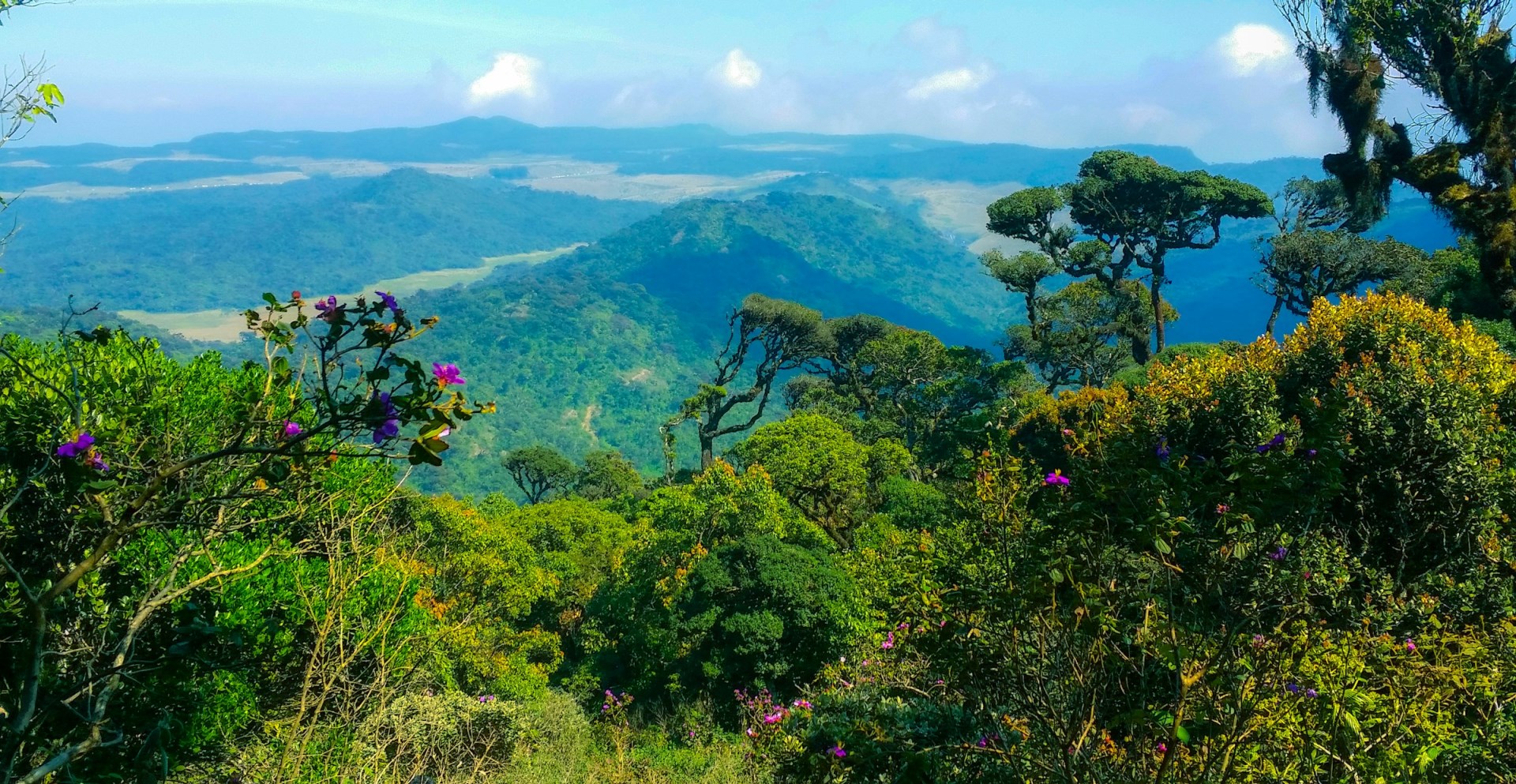
Horton Plains National Park is a high-altitude protected area in Sri Lanka’s central highlands, covering a landscape of grasslands, cloud forest, marshes, and rocky slopes. Located near Nuwara Eliya, the park sits at elevations above 2,000 metres, giving it a cool and often misty climate. Its open plateaus contrast with dense patches of montane forest, while streams and small waterfalls drain the high ground.

Auckland
A veritable paradise on Earth, Auckland combines the best of both worlds – a thrilling urban metropolis surrounded by striking natural areas, sparkling blue water, and colorful wildlife. New Zealand’s cultural and recreational hub, beautiful Auckland has something for everyone.
Lake Maggiore
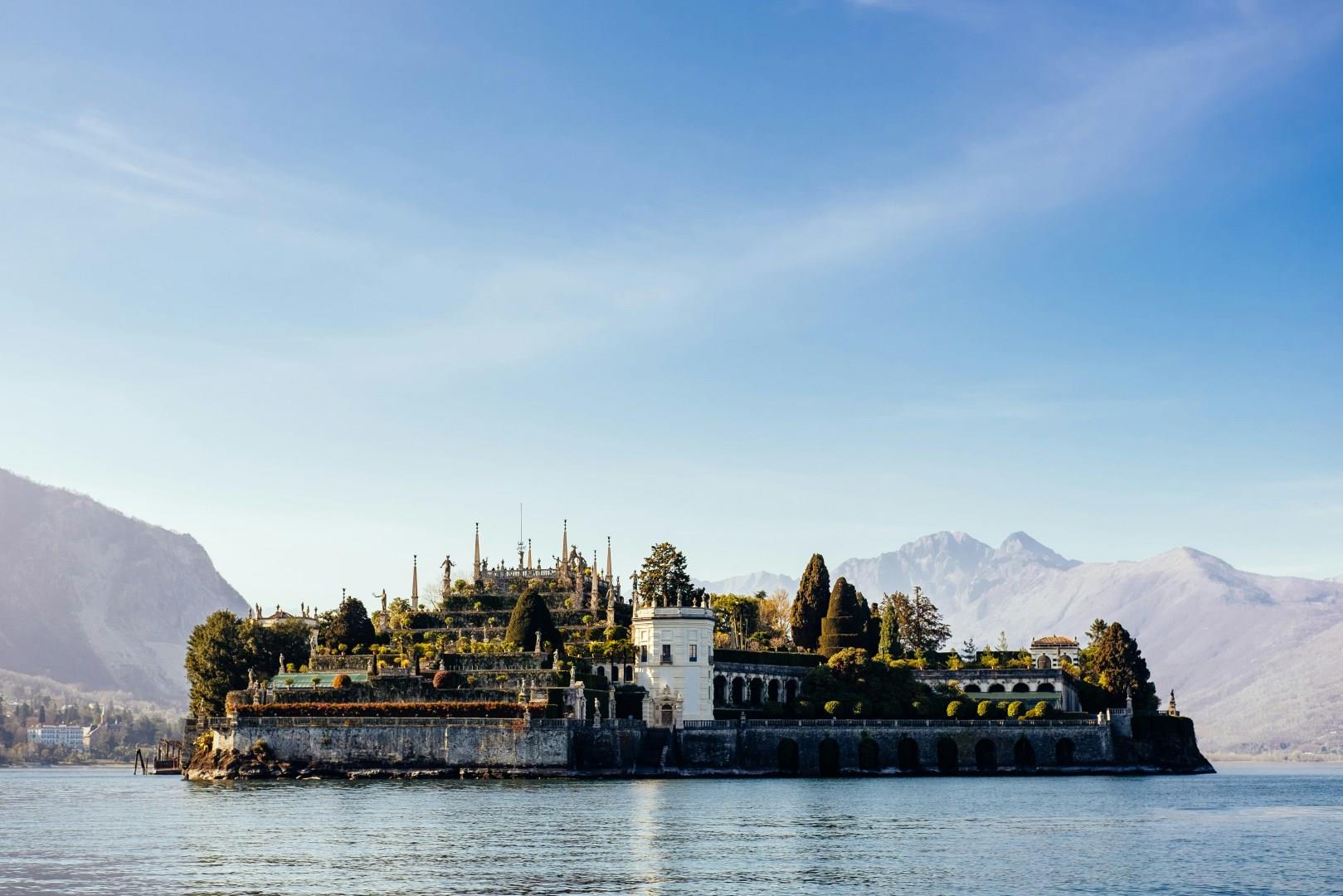
Lake Maggiore, straddling the border of northern Italy and southern Switzerland, is the second-largest lake in Italy and one of the most scenically diverse. Surrounded by Alpine peaks and dotted with elegant towns, the lake has attracted visitors for centuries, including literary figures like Stendhal and Ernest Hemingway. The western shore is home to the Borromean Islands, a group of three small islands known for palaces, terraced gardens, and white peacocks that roam freely across the lawns.
Tintern
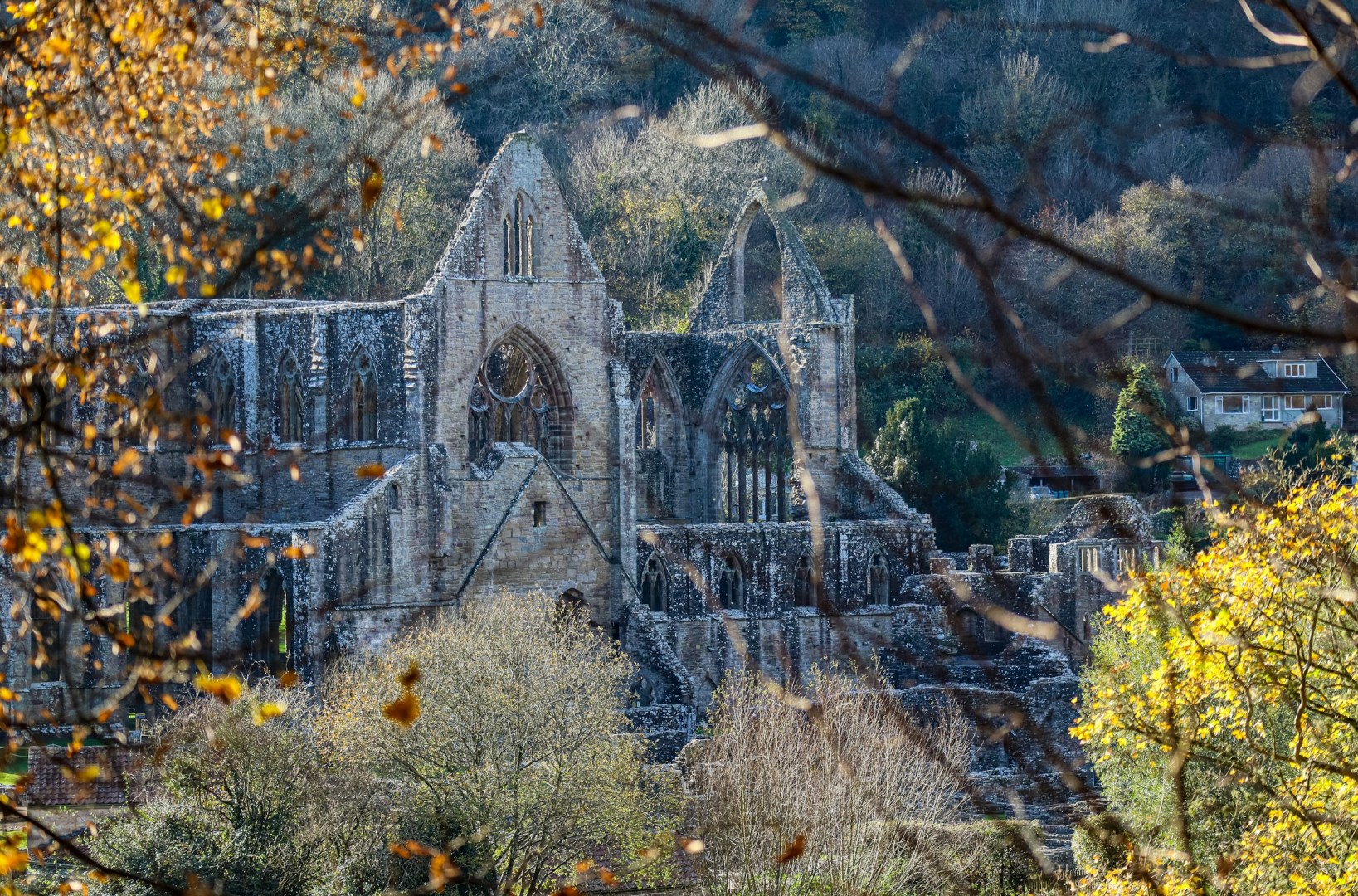
Tintern, a picturesque village in Monmouthshire, Wales, is nestled in the heart of the scenic Wye Valley. This charming destination is renowned for the atmospheric ruins of Tintern Abbey, a 12th-century Cistercian monastery that has inspired poets like William Wordsworth and artists such as J.M.W. Turner. Visitors are often captivated by the abbey's majestic presence and the serene beauty of its surroundings.
