
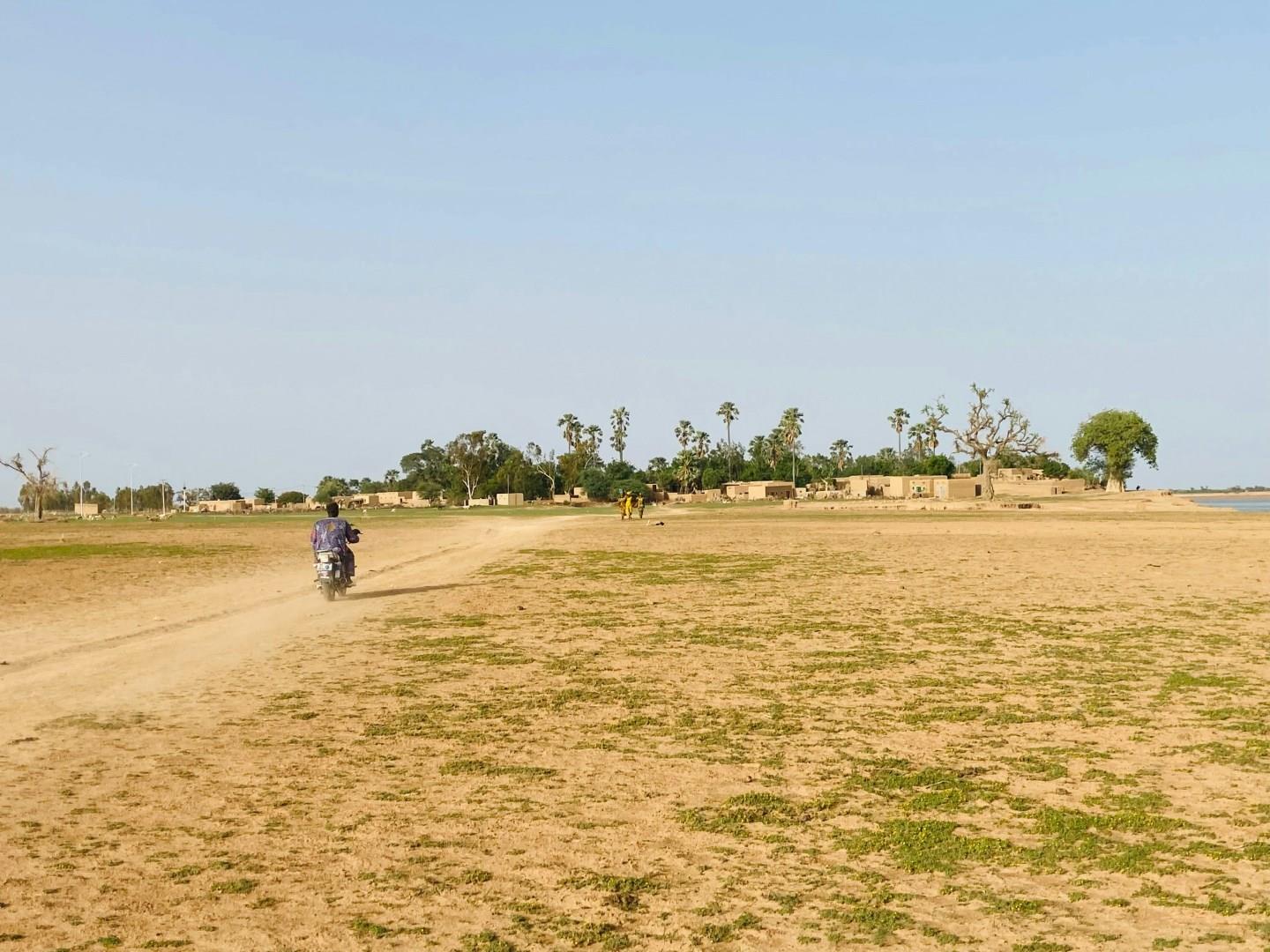
Mopti
Mopti, often called the “Venice of Mali,” sits at the point where the Bani and Niger rivers meet. This strategic location has made it an important trading hub for centuries, attracting merchants, fishermen, and travelers from across West Africa.
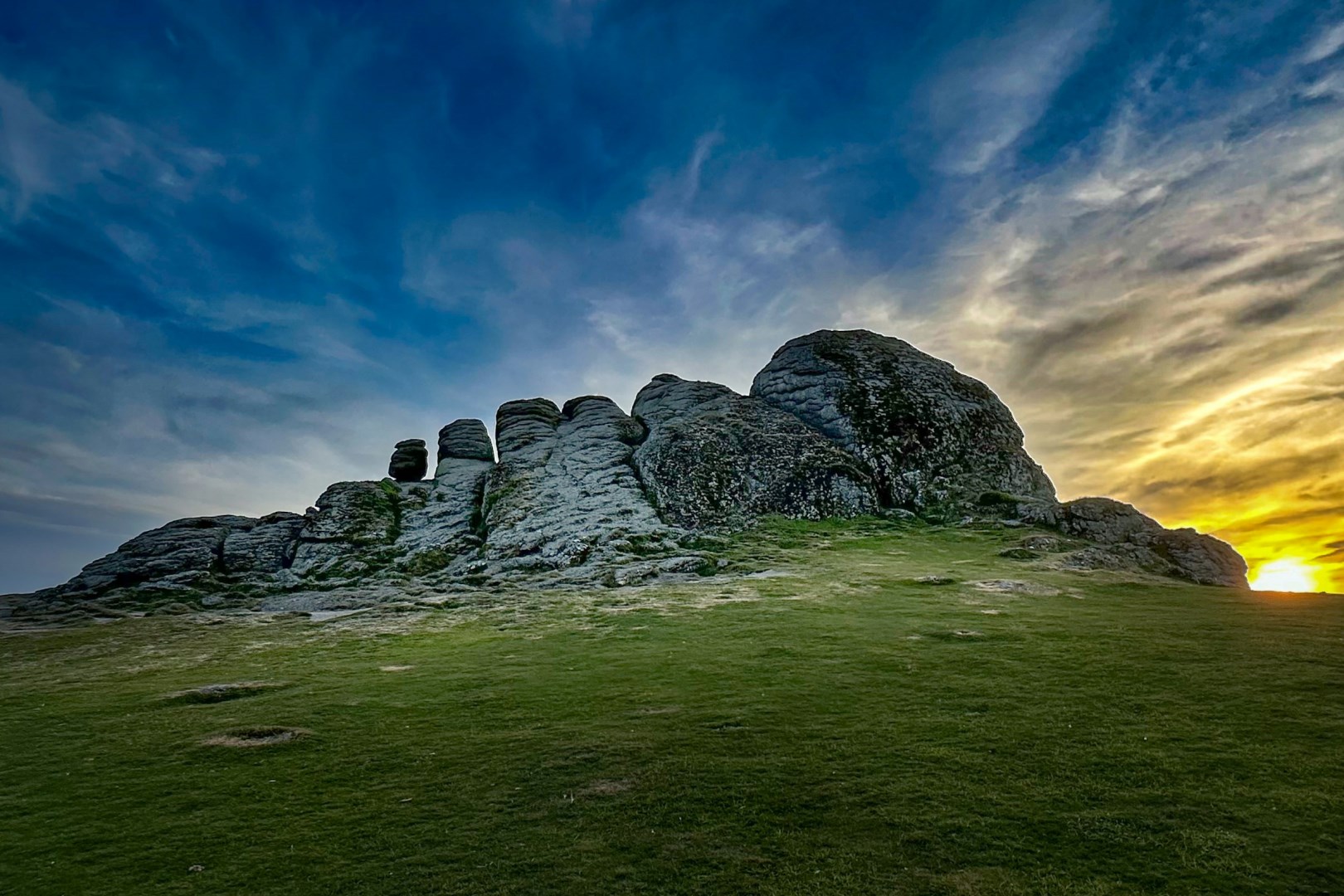
Dartmoor National Park
Dartmoor National Park sits in the heart of Devon, England, and invites travelers to step into a landscape that has changed little over thousands of years. Rolling moorland, deep river valleys, and more than 450 miles of paths give visitors space to explore at their own pace. Ancient stone rows, circular dwellings, and burial cairns spread across the moorland are reminders of people who lived here as far back as the Bronze Age.
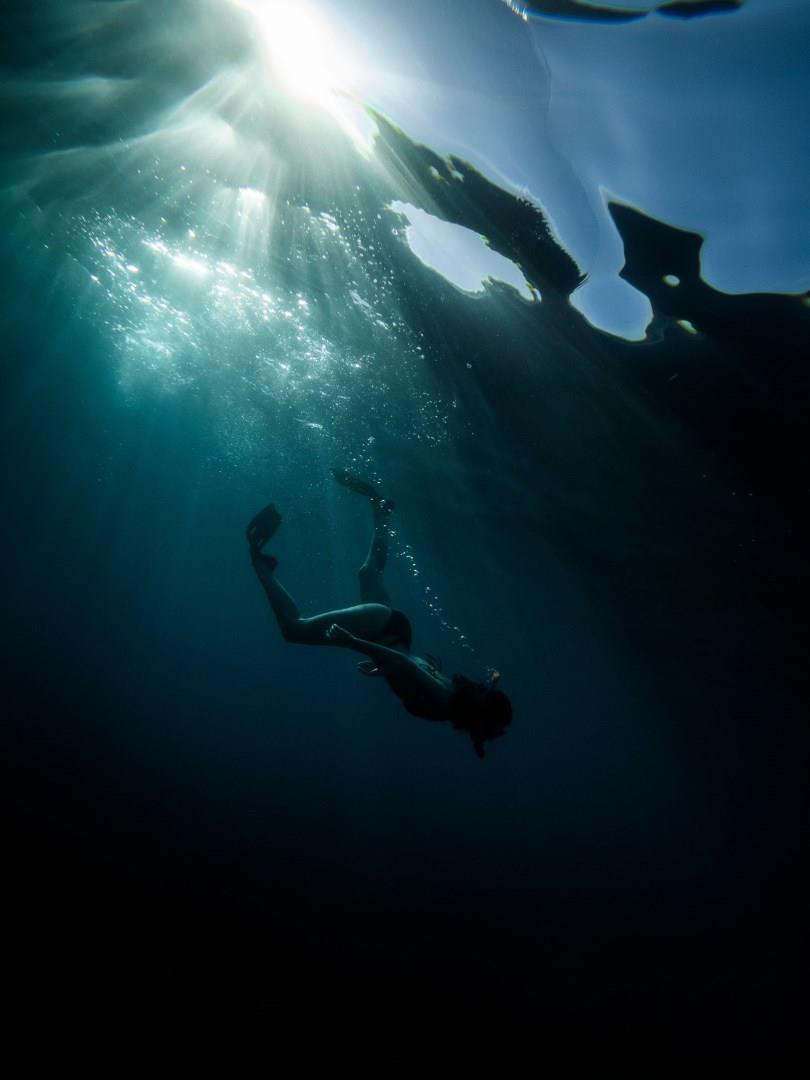
Cres
Cres is a large Adriatic island off Croatia’s northern coast, shaped by a long history of seafaring, pastoral life, and quiet isolation.
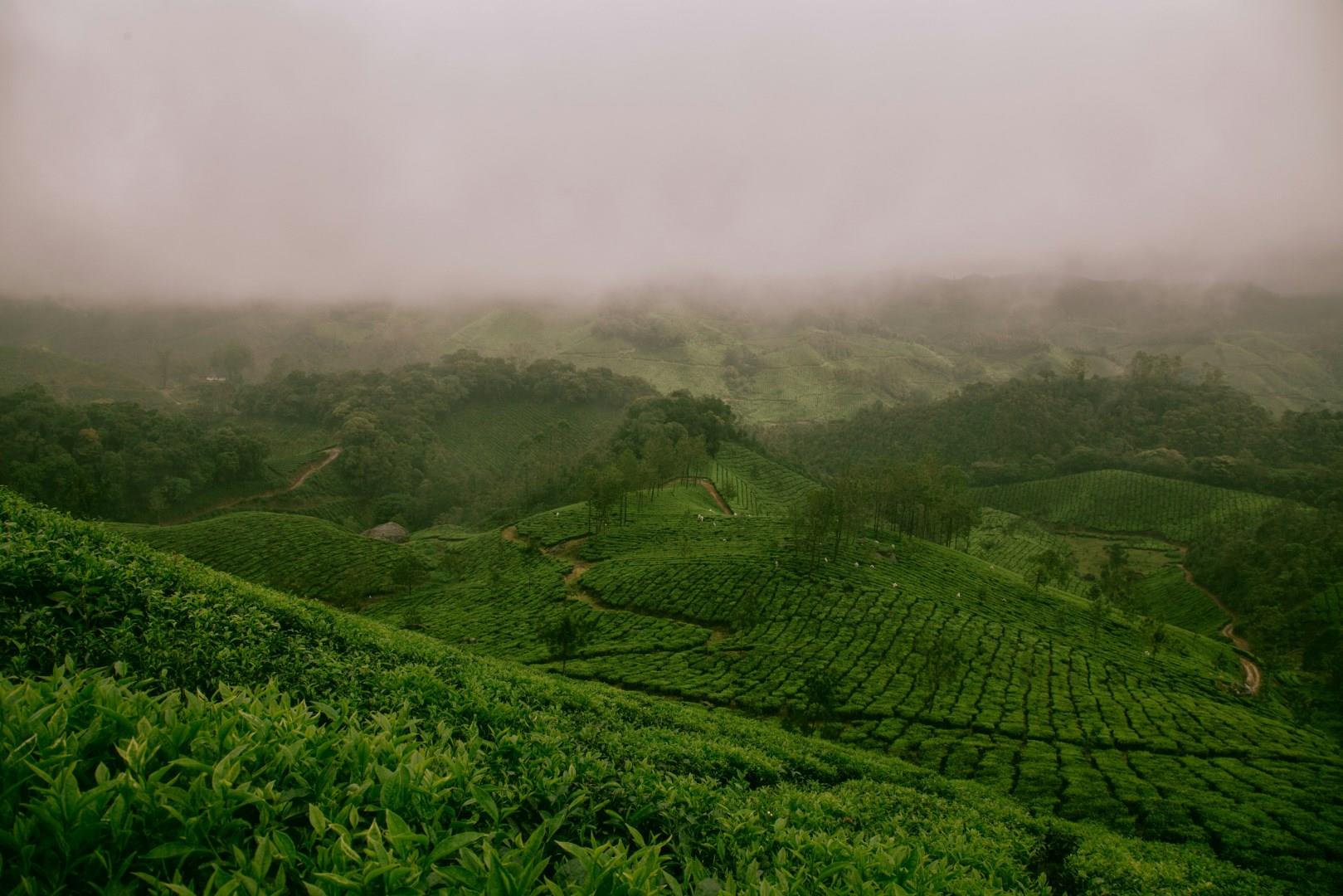
Munnar
Munnar, located in the Western Ghats of Kerala, India, sits at around 1,600 meters above sea level and was once the summer resort of British colonial officers. Today, it’s known for its vast tea plantations, many of which date back to the 19th century. Visitors can walk through estates like Kolukkumalai, the highest tea plantation in the world, where traditional methods are still used to process leaves by hand.
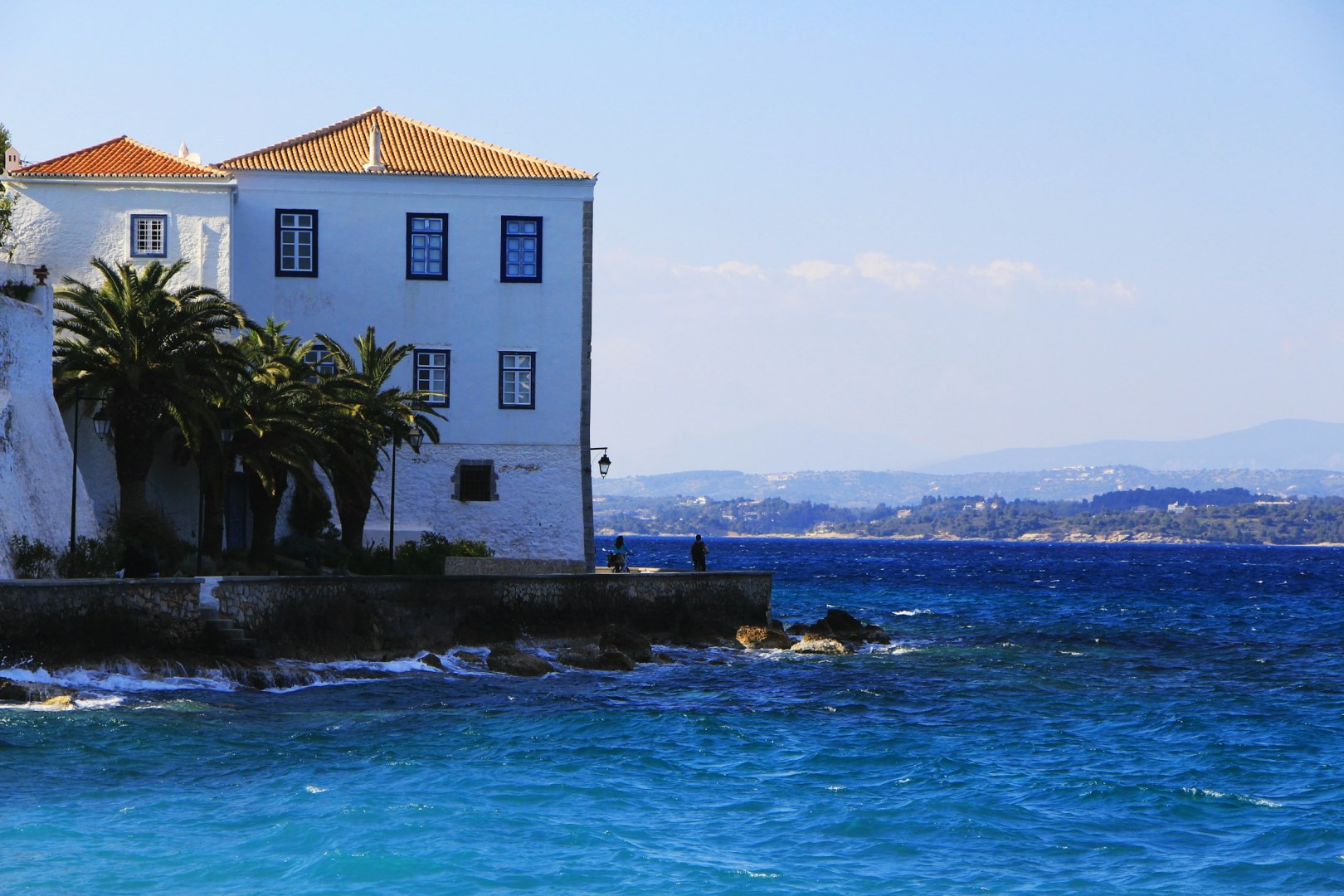
Spetses
Spetses is a small island in the Saronic Gulf, separated from the Peloponnese by a narrow channel and known for its pine-covered hills, neoclassical houses, and maritime traditions. The main settlement, also called Spetses, curves around a sheltered harbor and waterfront promenade, with narrow streets extending into residential neighborhoods.
