

Franschhoek
Nestled in the heart of South Africa’s Cape Winelands, Franschhoek is a charming village renowned for its exquisite vineyards and rich history. Founded by French Huguenots in the late 17th century, the village’s French heritage is palpable in its architecture, cuisine, and local culture.
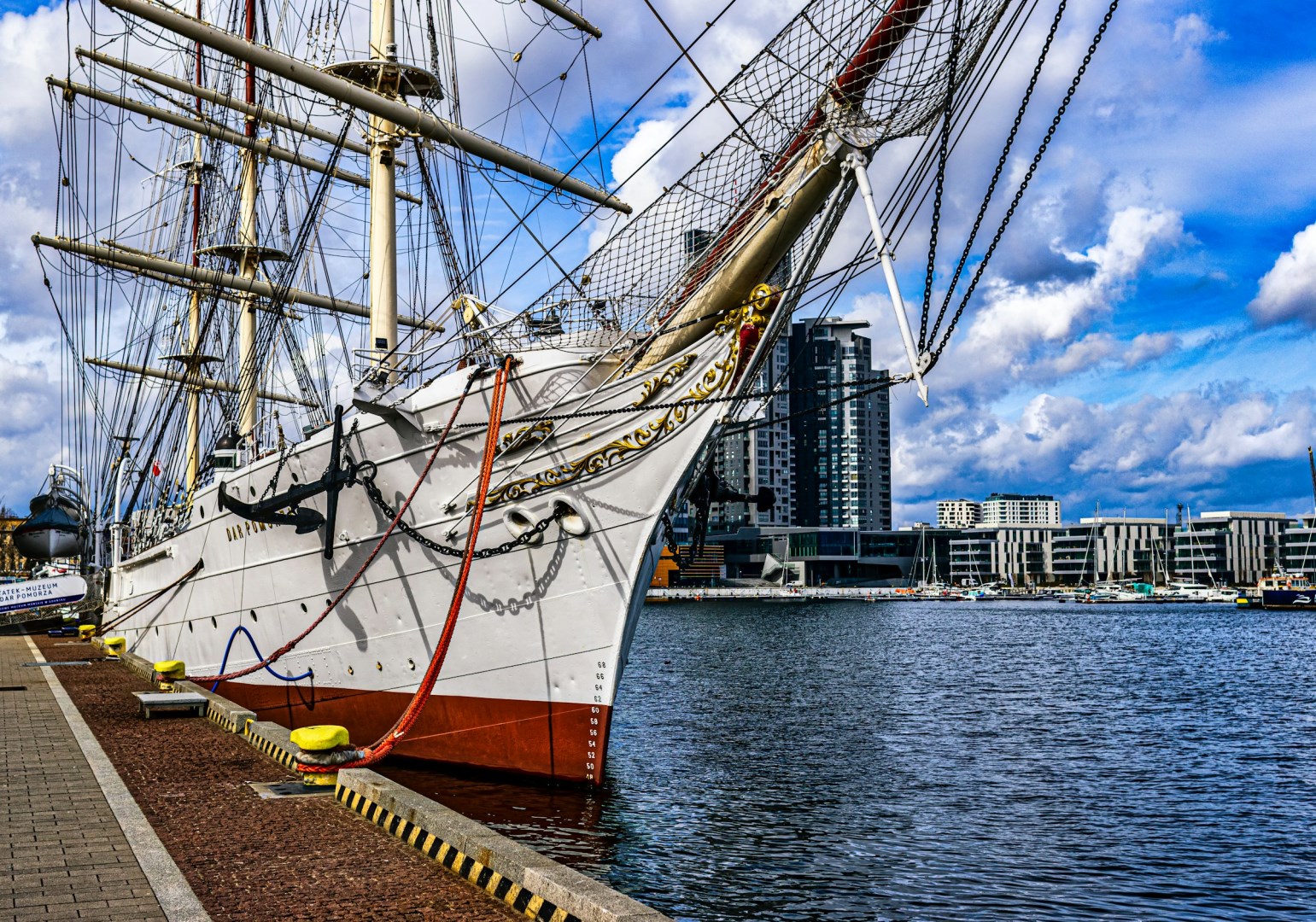
Gdynia
Gdynia is a Baltic Sea port city in northern Poland, forming part of the Tricity urban area with Gdańsk and Sopot. Its character is closely connected to the sea, with a large commercial harbor, marinas, beaches, and a waterfront city center. Unlike many Polish cities, Gdynia has a relatively modern urban fabric, with much of its central district shaped by interwar modernist architecture.
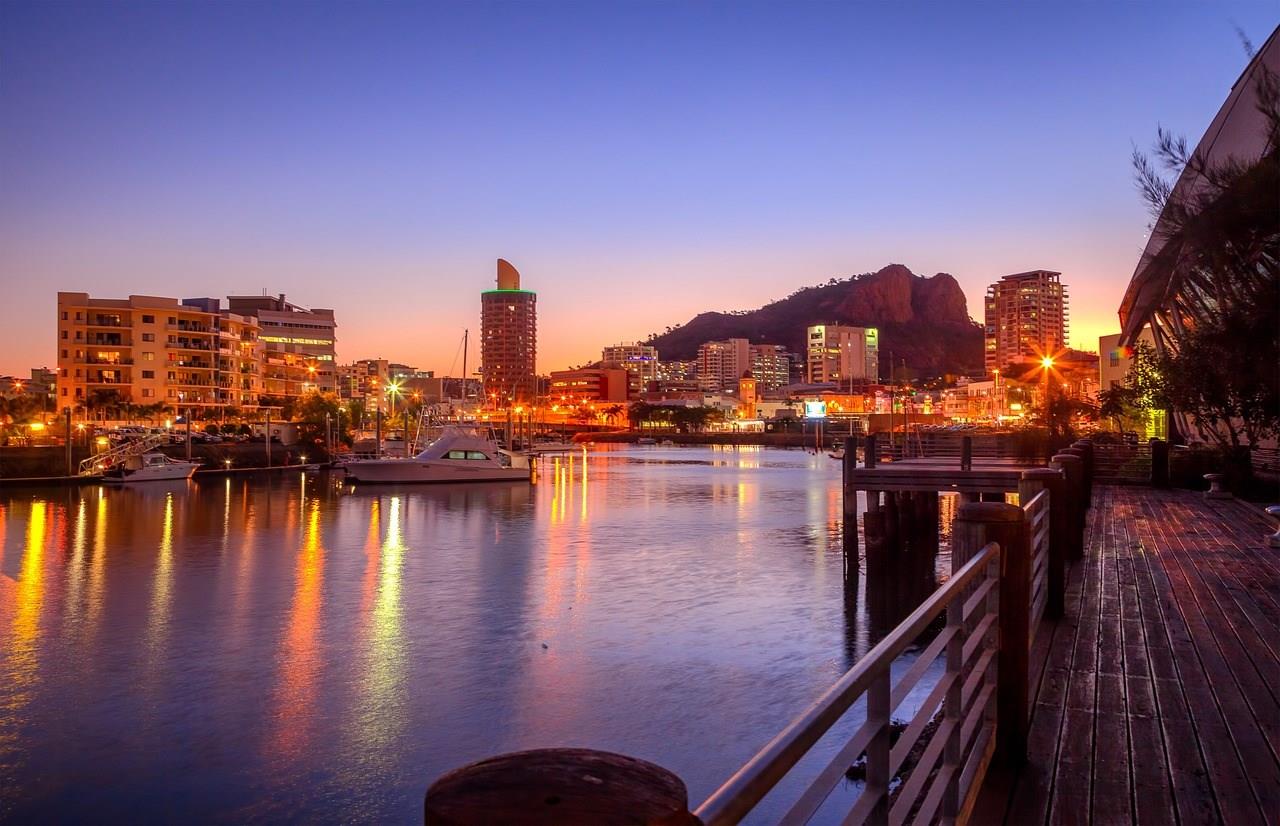
Townsville
Townsville, perched on the northeastern coast of Queensland, is a city where tropical charm meets rich heritage. Once a strategic military base during World War II, Townsville still carries echoes of its past through sites like the Townsville Heritage Centre. The Strand, a scenic, palm-lined beachfront promenade, serves as a gathering place for locals and visitors alike, where weekend drum circles and food trucks bring the esplanade to life.

Island Of Mozambique
The Island of Mozambique, a UNESCO World Heritage Site, is a historical gem nestled off the northern coast of Mozambique. This small island, which was once a pivotal trading post, boasts a rich tapestry of history and culture. The island's main attraction is the Fort São Sebastião, an imposing 16th-century fortress built by the Portuguese to protect their trading interests.
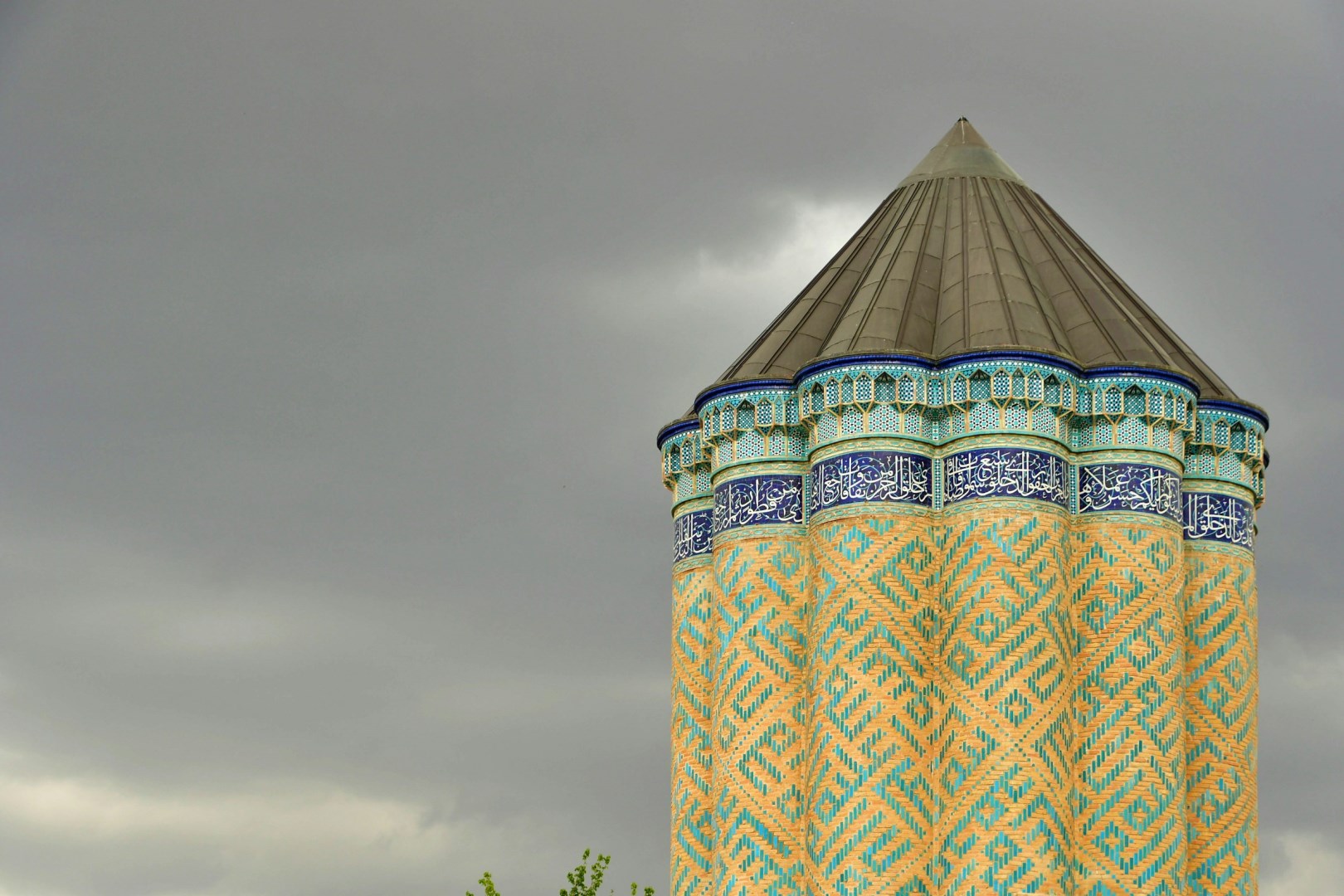
Nakhitchevan
Nakhchivan is the capital of the Nakhchivan Autonomous Republic, an exclave of Azerbaijan located between Armenia, Iran, and Türkiye. The city lies in a broad valley surrounded by dry mountains, with the Nakhchivanchay River and irrigated farmland supporting orchards, vineyards, and gardens. Nakhchivan has a long history as a regional center of settlement, trade, and craftsmanship, and its landscape contains a notable concentration of historic monuments.
