
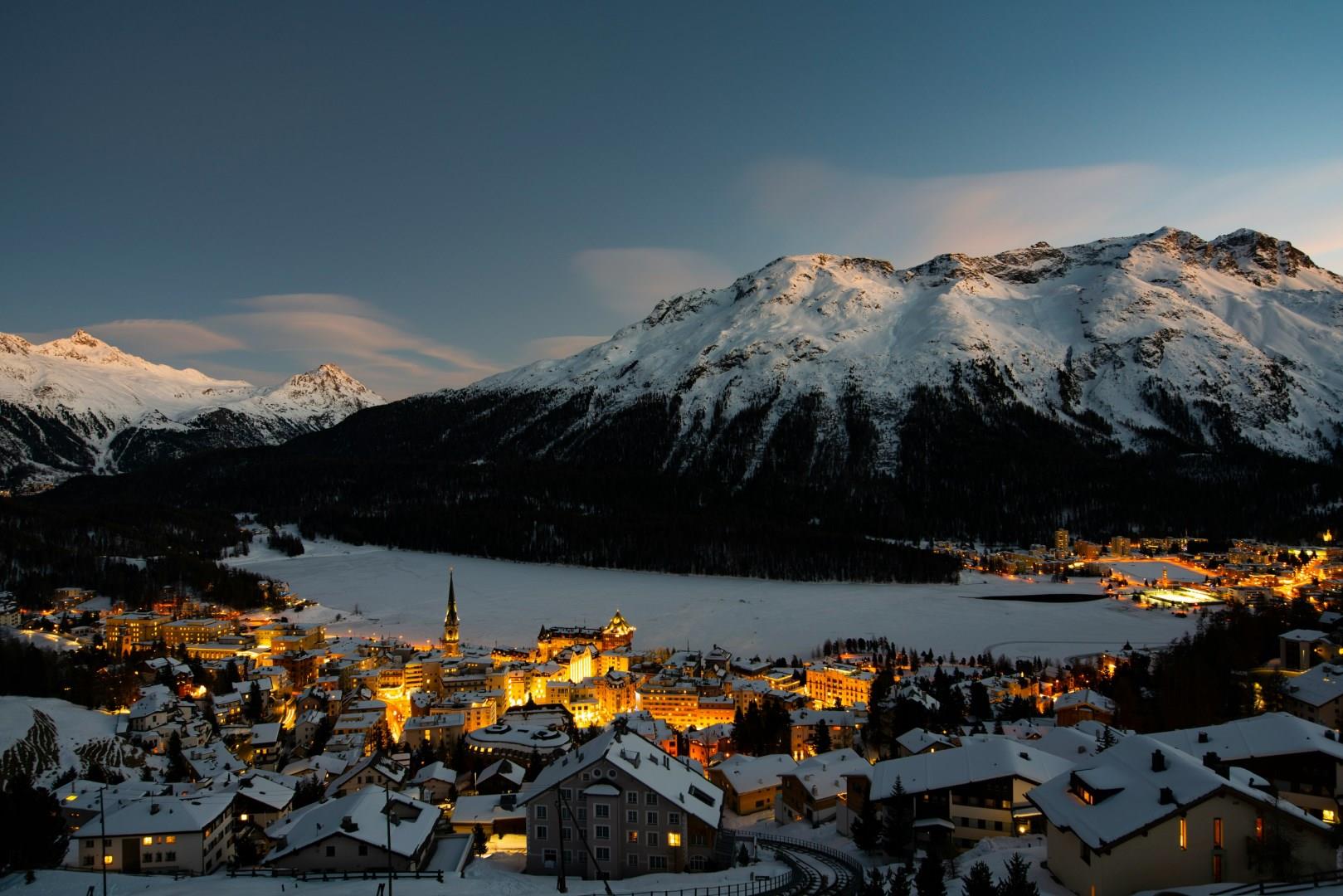
St. Moritz
St. Moritz, located in Switzerland’s Engadin Valley, has been attracting visitors for over 150 years, long before the term "alpine resort" became common. It was here in 1864 that winter tourism was born, when a hotelier made a wager with British guests that they would enjoy the snow just as much as the summer sun. They returned, and the rest is history. The town has since hosted the Winter Olympics twice (in 1928 and 1948) and remains a favorite for skiing, snowboarding, and ice sports.

Mâcon
Mâcon is a riverside town in the Saône et Loire department of southern Burgundy, set where the Saône River curves gently through the countryside. Walking through the town naturally leads visitors from the riverfront toward its historic streets, where the past seems to linger in every corner. In the heart of Mâcon’s historic district, pedestrians find streets lined with notable sites.
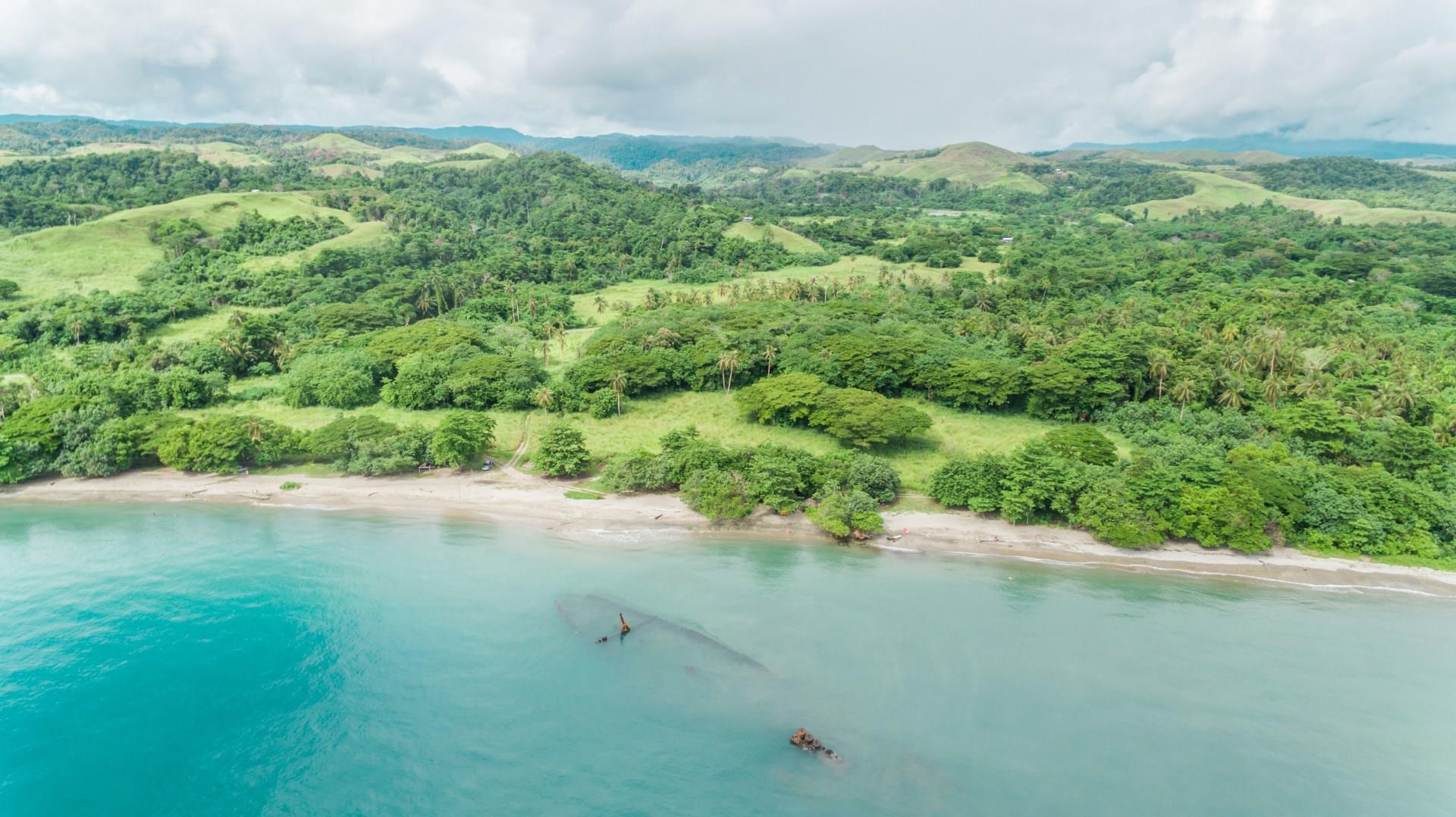
Guadalcanal Island
Guadalcanal, the largest island in the Solomon Islands, offers a captivating blend of history, natural beauty, and vibrant culture. This Pacific paradise is most famously known as the site of a pivotal World War II battle, where Allied forces fought fiercely against Japanese troops. Visitors can explore this rich history at the Vilu War Museum, which houses relics, artifacts, and memorials that bring the island's past to life.

Mount Nebo
Mount Nebo rises in western Jordan, overlooking the Jordan River Valley, the Dead Sea, and, on clear days, Jerusalem and Jericho.

Uluru
Located in Australia's Northern Territory, Uluru is an iconic sandstone formation and UNESCO World Heritage site. This red rock monolith, believed to be over 500 million years old, has been considered sacred by Australia's indigenous peoples for thousands of years and is one of the country's most well-known natural landmarks. This spiritual destination will astound you at sunrise and sunset, when the warm sunlight turns Uluru to deep hues of red and orange.
