
Livingstone
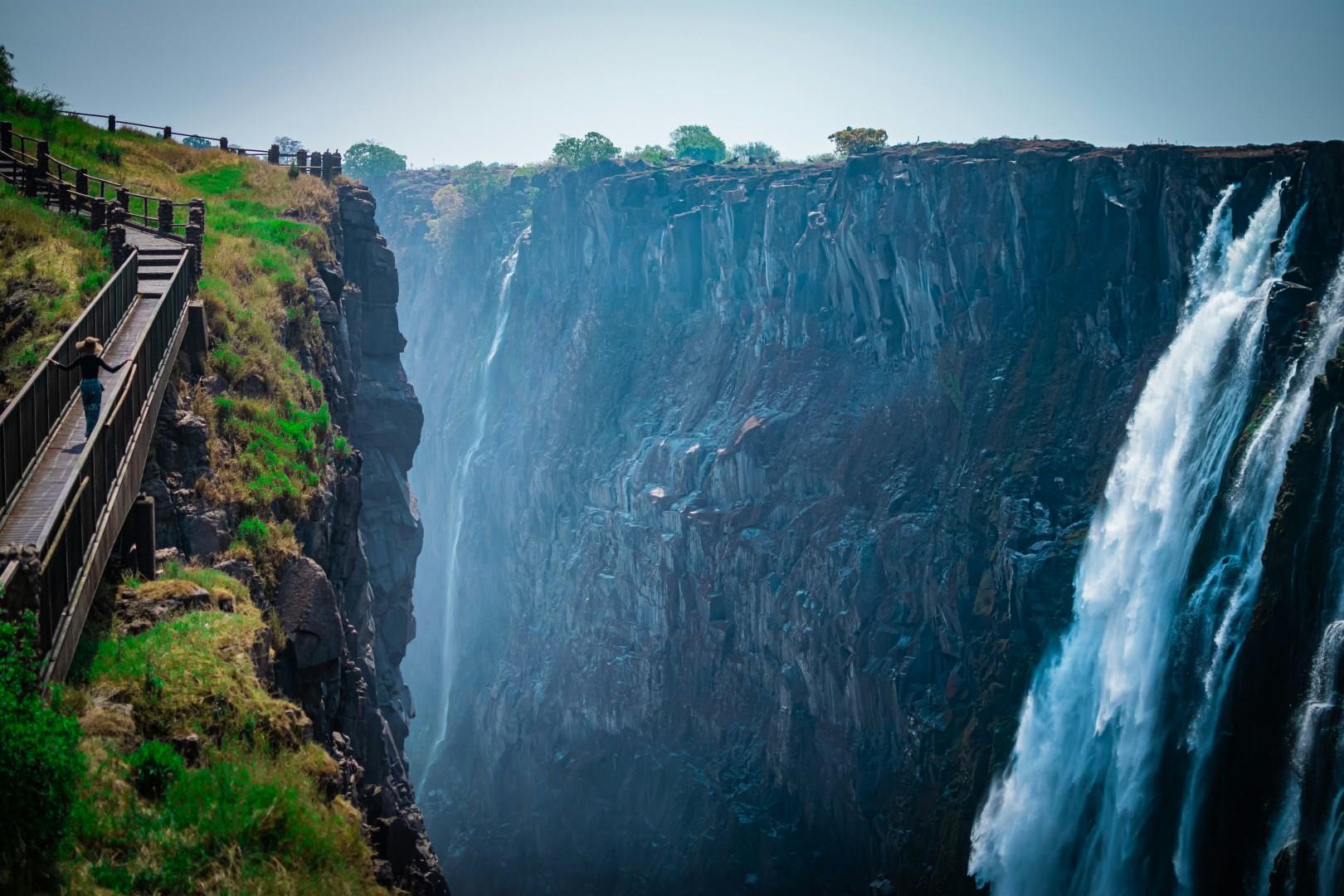
In the heart of Zambia lies Livingstone, a city that serves as the gateway to one of the most spectacular natural wonders in the world: Victoria Falls. This UNESCO World Heritage Site, often referred to as "The Smoke That Thunders," is renowned for its breathtakingly powerful waterfalls on the Zambezi River. The falls, which span over 1,700 meters wide and plunge 108 meters deep, offer a mesmerizing display of nature's might.
Newark
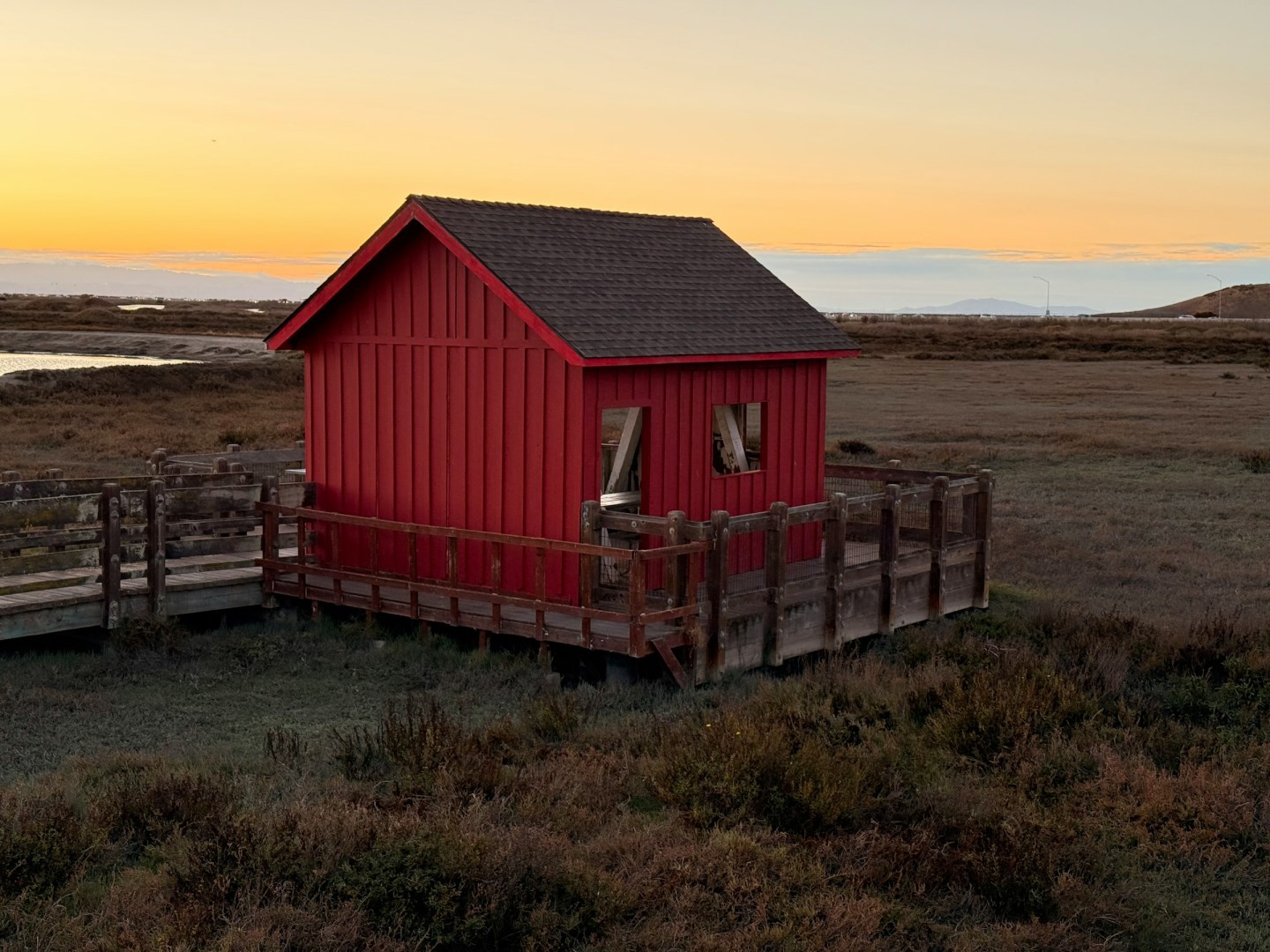
The City of Newark, located on the east side of the San Francisco Bay, is a diverse, well-balanced "home town." While part of one of the most dynamic urban areas in the world, with San Francisco and San Jose only 30-45 minutes away, Newark has a strong and proud spirit rooted in community values. The weather is great and our location can't be beat!
Flagstaff
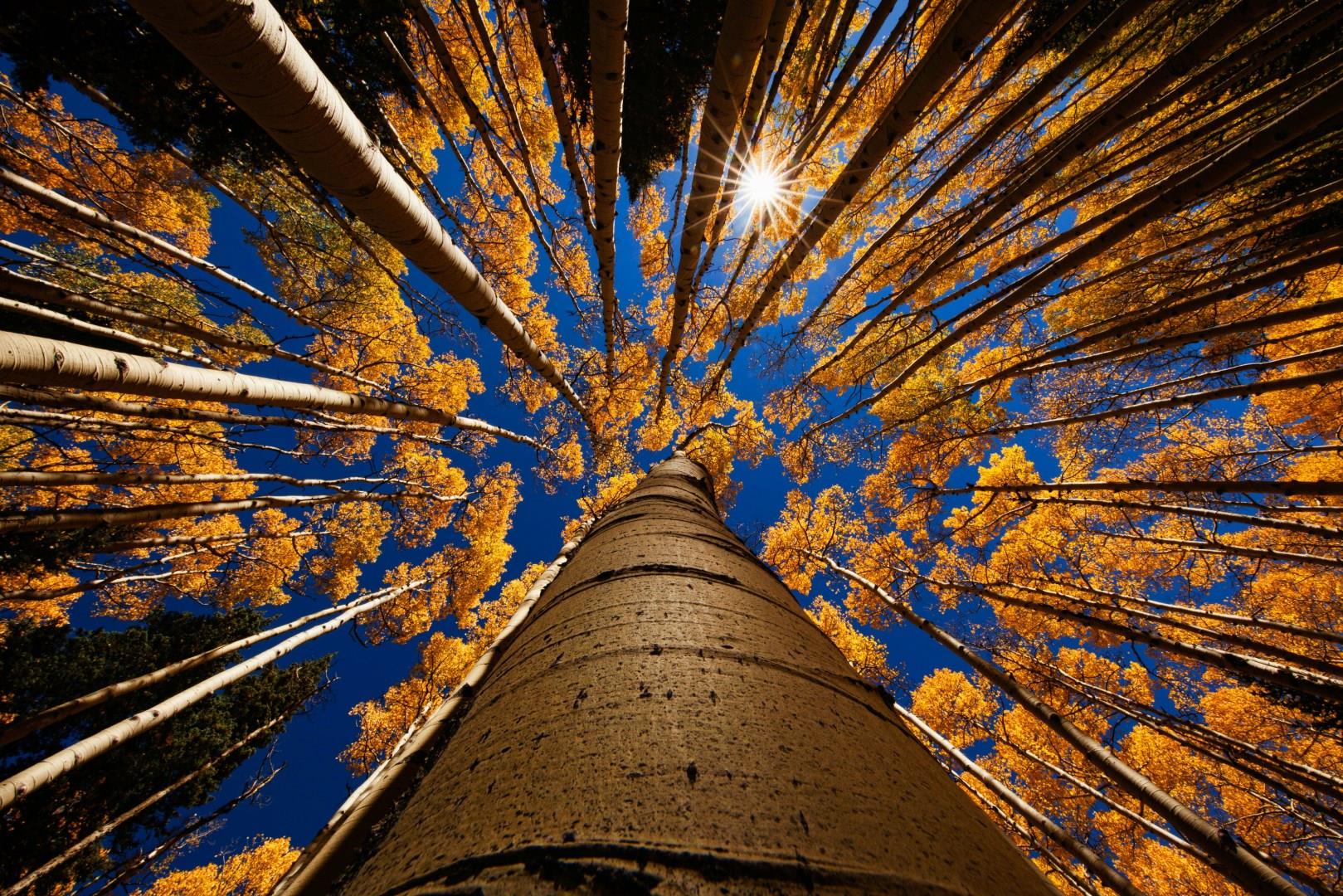
Flagstaff, Arizona, is a mountain town that perfectly blends the charm of a small community with the excitement of outdoor adventure and rich cultural experiences. Nestled at the base of the San Francisco Peaks, Flagstaff serves as a gateway to some of the Southwest's most iconic landscapes, including the Grand Canyon, which is just a short drive away.
Sicily
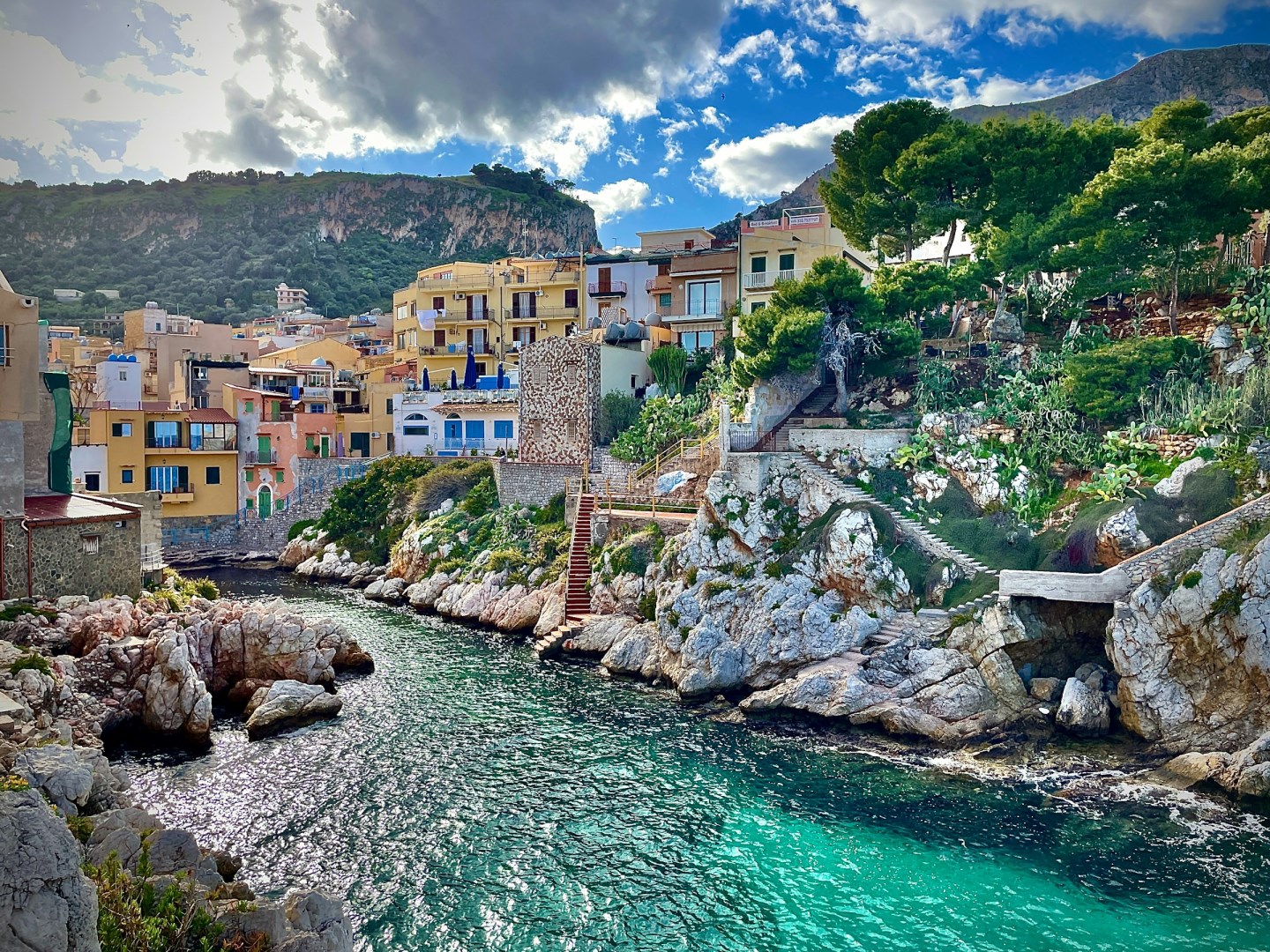
Sicily, the largest island in the Mediterranean, is a captivating blend of ancient history, stunning landscapes, and vibrant culture. The island’s rich past is evident in its archaeological treasures, with Greek, Roman, Arab, and Norman influences shaping its architecture and traditions. The Valley of the Temples in Agrigento is a must-visit for history lovers, where you can wander among some of the best-preserved Greek temples outside of Greece.

Dijon
Dijon is the capital of the Burgundy region in eastern France and a city renowned for its rich history, architectural beauty, and, of course, its world-famous mustard. With the city's origins dating back to Roman times, Dijon boasts an impressive array of historical sites, including the Église Notre-Dame and Palais des Ducs, one of France's most outstanding museums of fine arts.
