
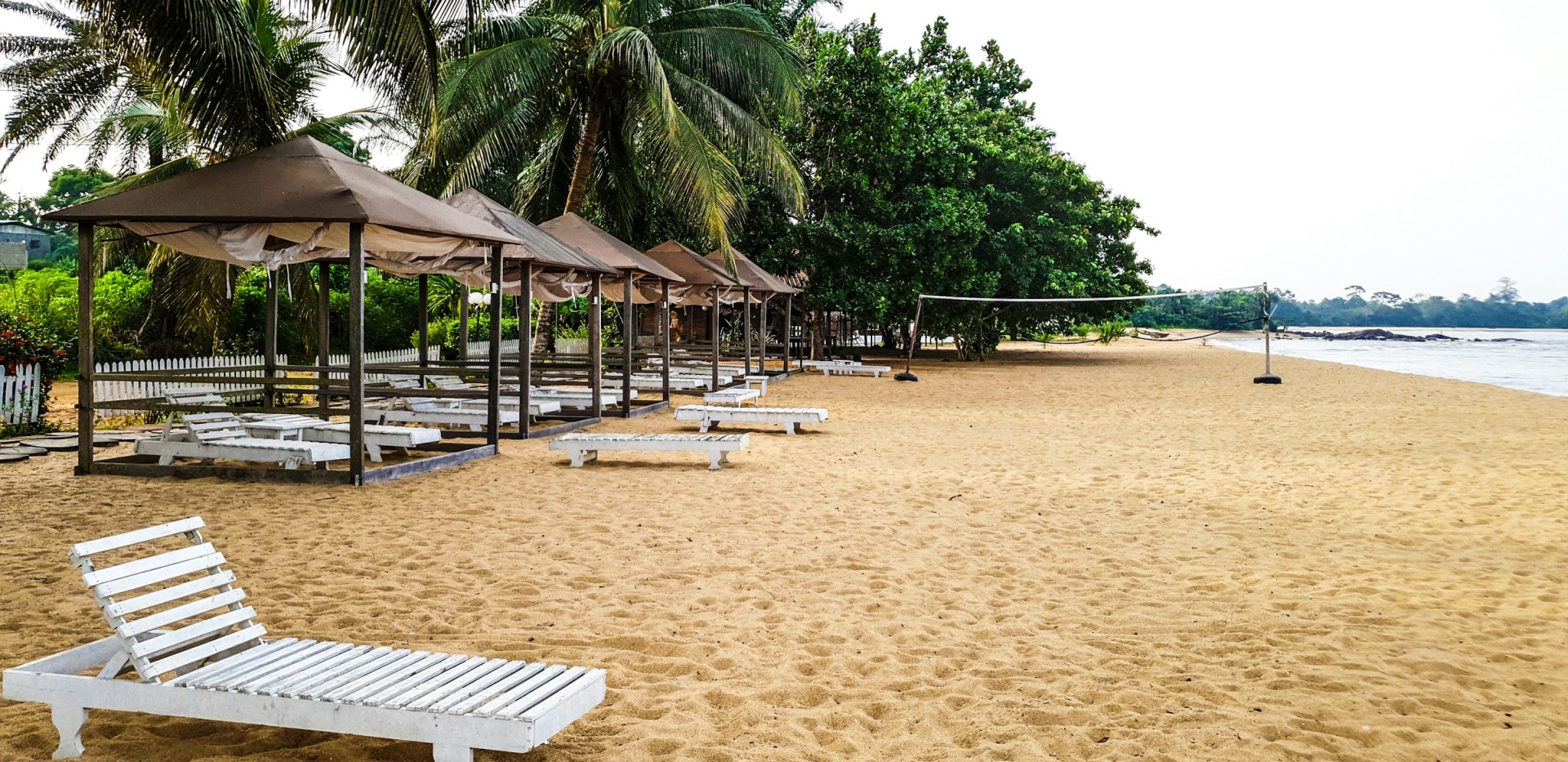
Kribi
Kribi is a coastal town in southern Cameroon, facing the Gulf of Guinea in the country’s South Region. It is known for long Atlantic beaches, a fishing port and a setting where dense equatorial forest reaches close to the sea.

Laos
Laos, a landlocked country in Southeast Asia, is known for its lush landscapes, winding rivers, and rich Buddhist culture. The Mekong River flows along much of the country’s western border, offering both vital transportation routes and scenic vistas. Rolling hills, dense forests, and limestone karsts provide opportunities for hiking, kayaking, and exploring remote villages.

Dominica
Dominica, known as the “Nature Island of the Caribbean,” is a haven for eco-tourists and adventure seekers. Nestled between the French islands of Guadeloupe and Martinique, this lush island boasts a remarkable landscape of volcanic mountains, dense rainforests, and stunning waterfalls. Dominica’s most iconic natural wonder is the Boiling Lake, the second-largest hot spring in the world.
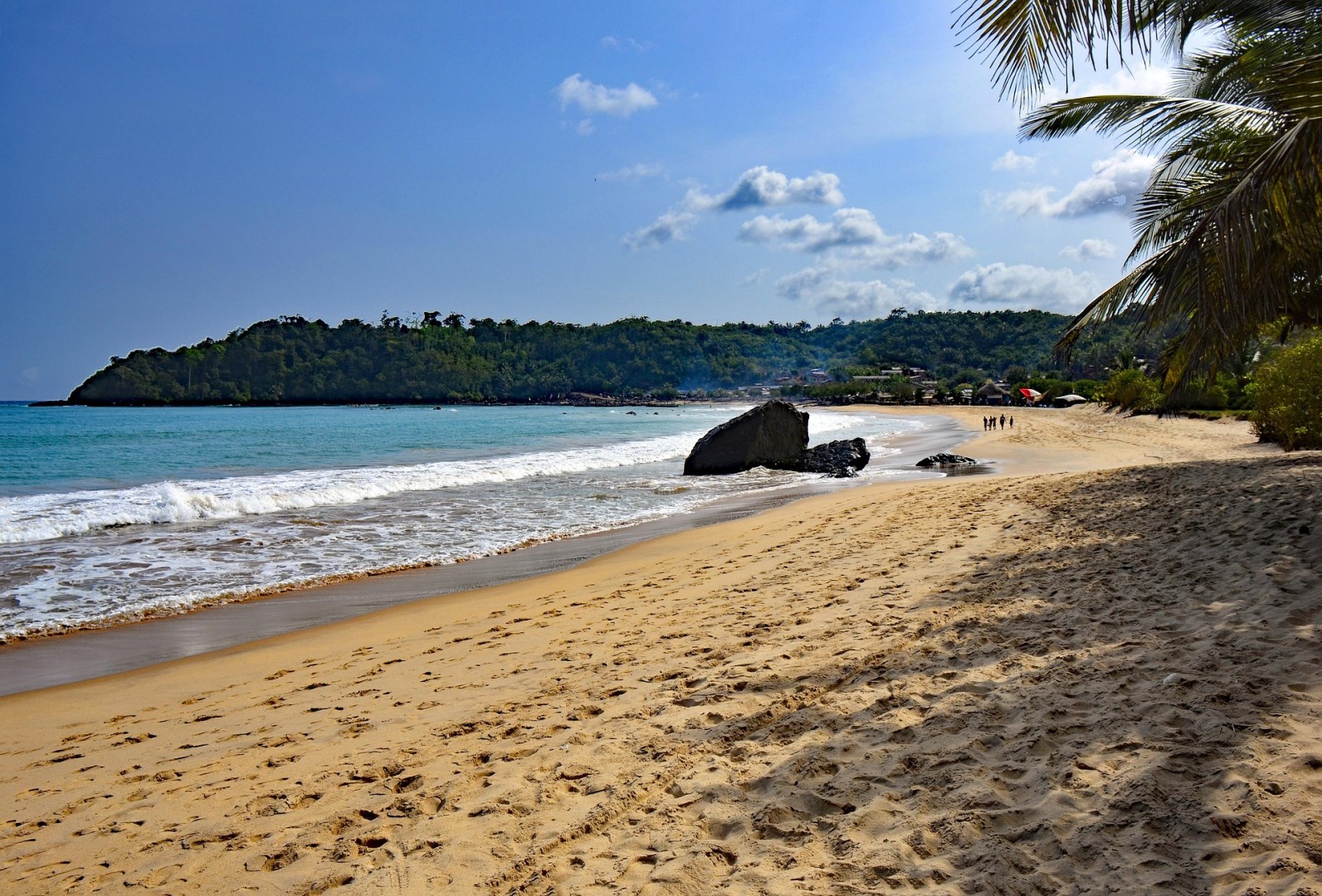
Butre
Butre is a small coastal village in Ghana’s Western Region, set around the Butre River near the Atlantic Ocean. Its landscape combines a fishing settlement, forested hills, wetlands, and a broad sandy shoreline. The village is known especially for Fort Batenstein, which stands on a hill overlooking the coast and the surrounding countryside. Fishing remains an important part of local life, while the nearby river creates a sheltered setting for small boats and canoes.
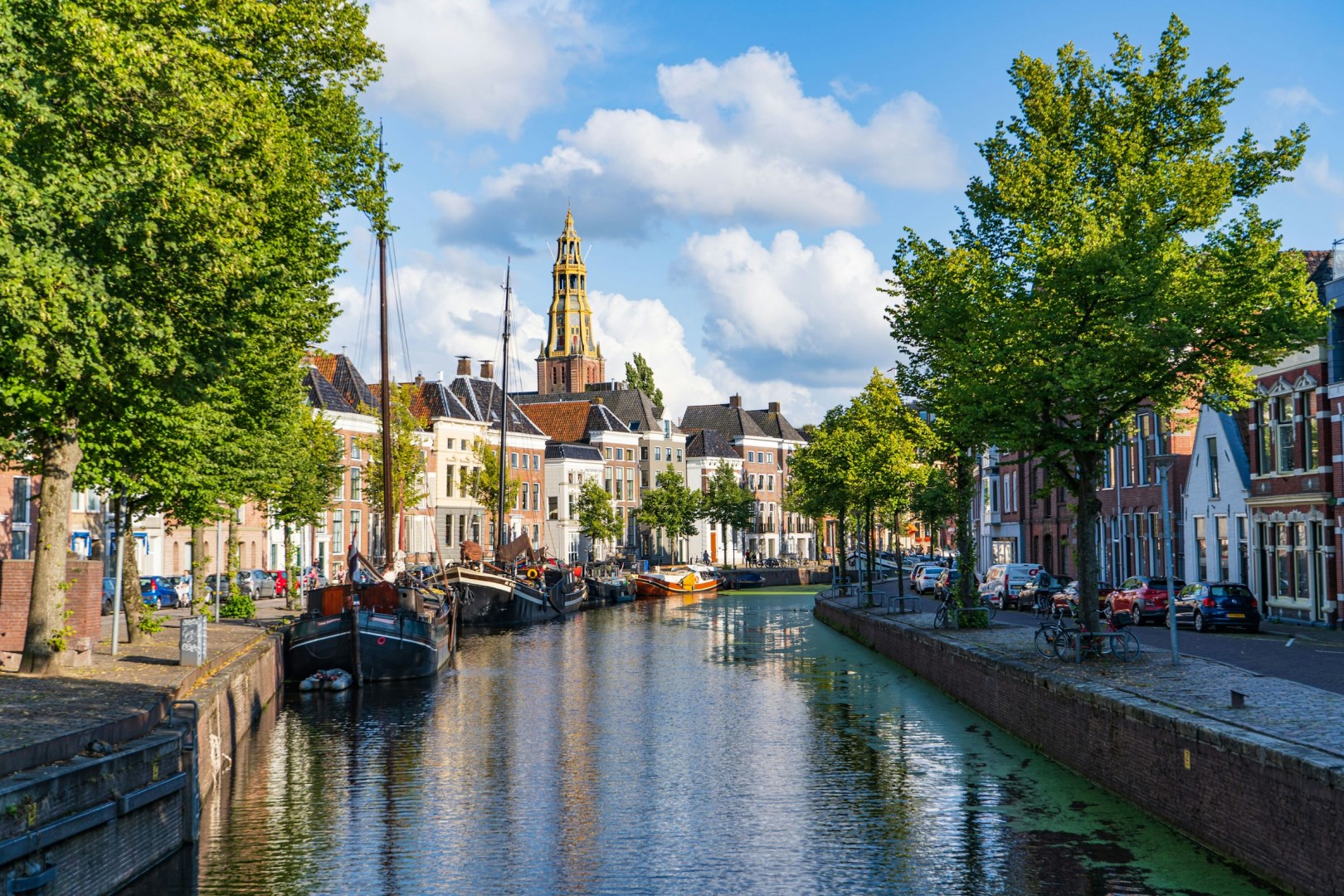
Groningen
Groningen is a university city in the northern Netherlands, known for its historic center, extensive cycling culture, canals, and strong student population. The city grew around the meeting point of waterways and regional trade routes, and its compact center contains medieval churches, former warehouses, courtyards, and market squares.
